English

Aaron Copland
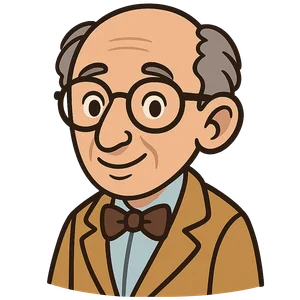
Aaron Copland was an American composer, conductor, and teacher…
Reads at Grades 6–8 Listens at Grades 4–8
Print & create
Answer keys·No prep·Free with an account
28 worksheets · answer keys · full story · quiz · Ages 10-12 · CEFR B2
Plus adds 244,000+ more stories in 27 languages, audio for every one, and printables for all of them.
Just want Aaron Copland?
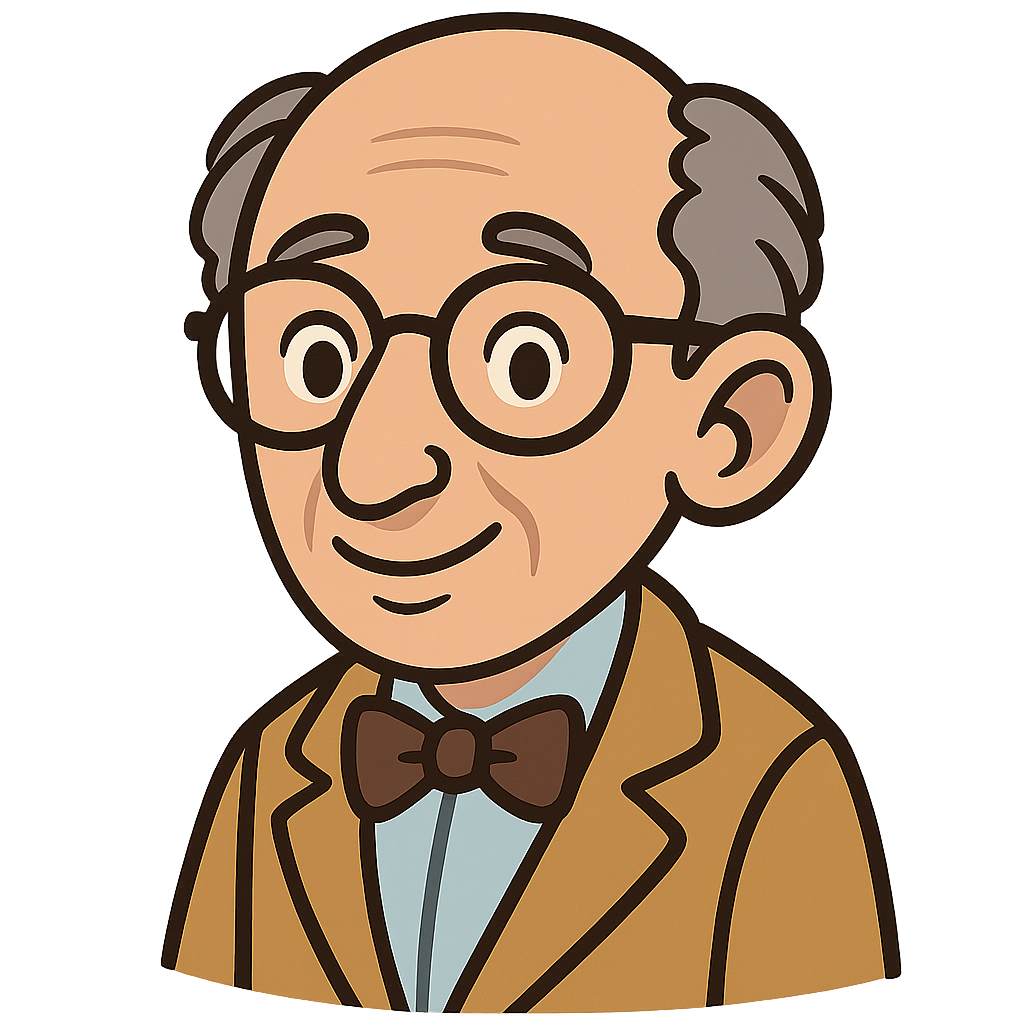
Hello, my name is Aaron Copland, and I am a composer. I wrote music that sounds like America—its wide-open spaces, its busy cities, and its hopeful heart. I was born on November 14th, 1900, in a lively neighborhood in Brooklyn, New York. My parents were immigrants who owned a department store right on our street, and I was the youngest of five children. Our home was always bustling, and the sounds of the city were my first orchestra. I heard the rhythms in the clatter of horse-drawn carts and the melodies in the songs people sang. For a long time, music was just something I enjoyed, but as I grew, a deep desire to create my own began to stir inside me. I taught myself a little on the family piano, but I knew I needed a real teacher. When I was around thirteen years old, I finally worked up the courage to ask my parents for formal piano lessons. They were practical people and weren't sure what to make of my artistic dream, but they saw my passion. Agreeing to those lessons was the first step on the greatest adventure of my life, a journey into the world of sound.
As a young man in the early 20th century, I knew that to become the best composer I could be, I had to travel to the heart of the classical music world: Paris, France. In 1921, I saved my money and sailed across the Atlantic Ocean to enroll in a new summer school created just for American musicians. It was there that I met the person who would change my life, a brilliant and demanding teacher named Nadia Boulanger. She was one of the most respected music instructors in the world, and studying with her was both intimidating and exhilarating. Mademoiselle Boulanger taught me about discipline and technique, but she gave me a far greater gift. She listened to the music I was writing and told me something I never forgot. She said I shouldn't try to sound like the great European composers of the past. Instead, she encouraged me to dig deep into my own roots and find a musical voice that was uniquely and authentically American. The years I spent in Paris, from 1921 until 1924, were transformative. I left America as a student with a dream and returned as a composer with a mission.
Aaron Copland: The Sound of America
Hello, my name is Aaron Copland, and I am a composer. I wrote music that sounds like America—its wide-open spaces, its busy cities, and its hopeful heart. I was born on November 14th, 1900, in a lively neighborhood in Brooklyn, New York. My parents were immigrants who owned a department store right on our street, and I was the youngest of five children. Our home was always bustling, and the sounds of the city were my first orchestra. I heard the rhythms in the clatter of horse-drawn carts and the melodies in the songs people sang. For a long time, music was just something I enjoyed, but as I grew, a deep desire to create my own began to stir inside me. I taught myself a little on the family piano, but I knew I needed a real teacher. When I was around thirteen years old, I finally worked up the courage to ask my parents for formal piano lessons. They were practical people and weren't sure what to make of my artistic dream, but they saw my passion. Agreeing to those lessons was the first step on the greatest adventure of my life, a journey into the world of sound.
As a young man in the early 20th century, I knew that to become the best composer I could be, I had to travel to the heart of the classical music world: Paris, France. In 1921, I saved my money and sailed across the Atlantic Ocean to enroll in a new summer school created just for American musicians. It was there that I met the person who would change my life, a brilliant and demanding teacher named Nadia Boulanger. She was one of the most respected music instructors in the world, and studying with her was both intimidating and exhilarating. Mademoiselle Boulanger taught me about discipline and technique, but she gave me a far greater gift. She listened to the music I was writing and told me something I never forgot. She said I shouldn't try to sound like the great European composers of the past. Instead, she encouraged me to dig deep into my own roots and find a musical voice that was uniquely and authentically American. The years I spent in Paris, from 1921 until 1924, were transformative. I left America as a student with a dream and returned as a composer with a mission.
When I came back to the United States in 1924, I was filled with a powerful sense of purpose. My goal was no longer just to write music, but to write music that captured the vast, complex, and beautiful spirit of my own country. I wanted to create a sound that would make people feel the rolling prairies of the Midwest, the energy of a bustling city, or the quiet dignity of rural life. To do this, I began to weave the sounds of America directly into my compositions. I listened to old American folk songs, the melodies sung by pioneers and farmers, and incorporated them into my work. I was fascinated by the lively rhythms of jazz and the soulful tunes of cowboy ballads. These were the sounds of my home, and I believed they belonged in the concert hall. In 1937, I composed a piece inspired by a trip to Mexico called 'El Salón México,' full of vibrant dance rhythms. Soon after, I wrote music for ballets that told American stories, like 'Billy the Kid' in 1938 and 'Rodeo' in 1942, which brought the tales of the American West to life through music and dance.
By the 1940s, the world was in the midst of World War II, a time of great uncertainty and struggle. I felt a deep need to create music that could offer a sense of hope and honor the strength of the nation. In 1942, I was asked to write a piece to inspire patriotism, and I composed 'Fanfare for the Common Man.' It was not for a king or a general, but for the ordinary people—the soldiers, factory workers, and farmers—who were the true heroes. A couple of years later, in 1944, I had the wonderful opportunity to collaborate with the legendary dancer and choreographer Martha Graham. Together, we created a ballet called 'Appalachian Spring.' The music and dance tell the story of a young pioneer couple building their first home in the American wilderness, filled with their hopes and dreams for the future. I was incredibly humbled and proud when, the following year in 1945, the music for 'Appalachian Spring' was awarded the Pulitzer Prize for Music, one of the highest honors a composer can receive.
My life's work continued for many decades. I composed music for concert halls, ballets, and even Hollywood films. In 1950, I was honored to win an Academy Award for my score for the movie 'The Heiress.' Beyond writing, I found great joy in conducting orchestras around the world and teaching the next generation of young composers, sharing what I had learned on my own journey. I lived to be 90 years old, passing away on December 2nd, 1990. My life was a long and fulfilling one, filled with the sounds I worked so hard to create. People often refer to me as 'the Dean of American Composers,' a title I hold with great pride. I hope that when you hear my music today, whether it's the powerful blast of a fanfare or the gentle melody of a folk tune, it connects you to the enduring spirit and beauty of America.
Wow facts
About
Aaron Copland was an American composer, conductor, and teacher, celebrated for creating a distinctly American style of classical music that incorporated folk and jazz melodies.
Take a Quiz
Question 1 of 5
What was Aaron Copland's main goal as a composer after he returned to America from Paris?
Explore next






Want to do even more?
Go beyond exploring. Unlock tools that turn every story into real learning.

Storypie Plus for families
Full stories, quizzes, and printables. Nights and car rides, sorted.
- Unlimited audio stories
- Create Mode: your child stars in the story
- Offline downloads
- Printable worksheets & coloring pages

Why Storypie for Schools
Students engaged. Prep in seconds. Evenings back to you.
- Worksheets & Quizzes
- Classroom Management
- Formative Assessment
- Custom Curriculum & Lesson Plans
- 27 Languages

Why Storypie for Homeschool
Curriculum done. They'll ask for more. Hours back in your day.
- Worksheet Generator
- First-Person Audio Stories
- Built-in Comprehension Quizzes
- Custom Curriculum & Lesson Plans
- Print & Go Activities