English

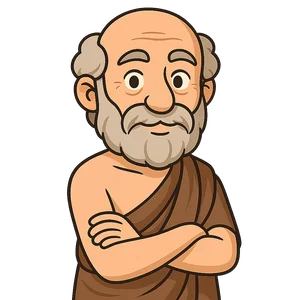
Anaximander
Anaximander was a pre-Socratic Greek philosopher from Miletus who is considered one of the earliest figures…
Reads at Grades 3–5 Listens at Grades 1–5
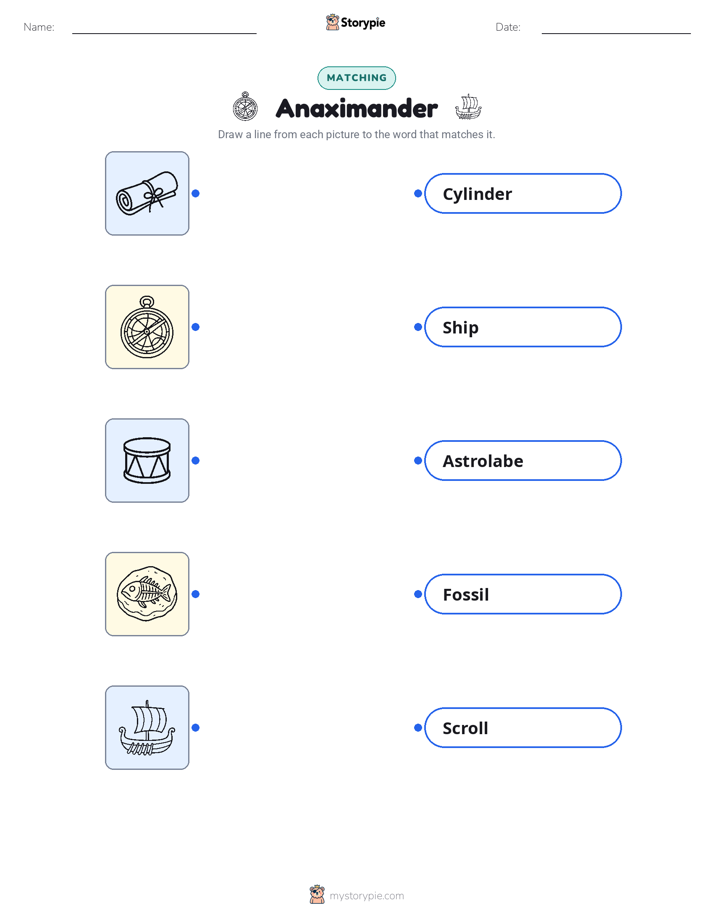
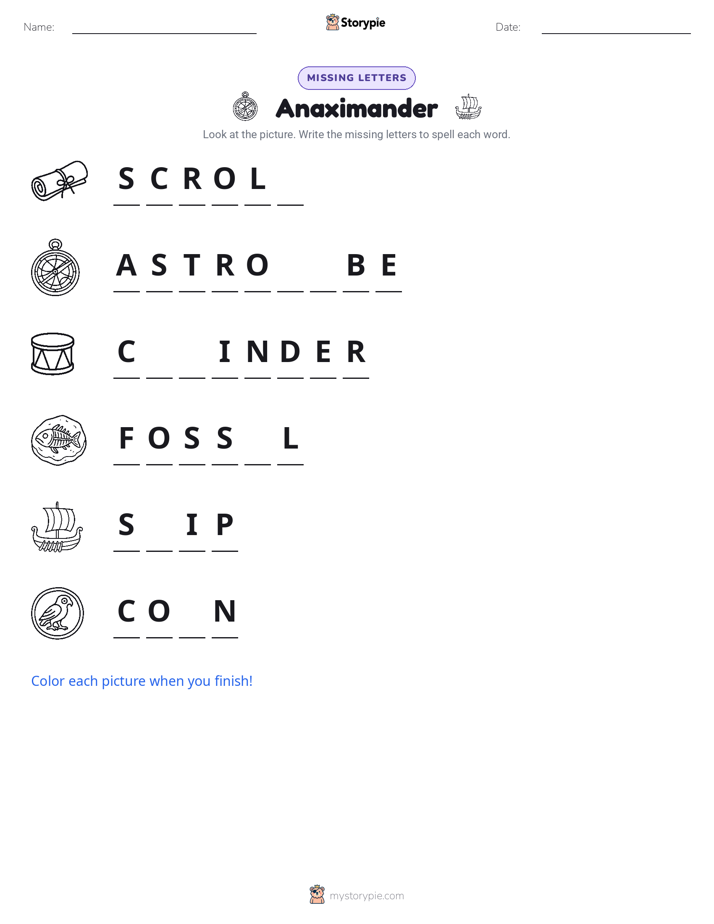
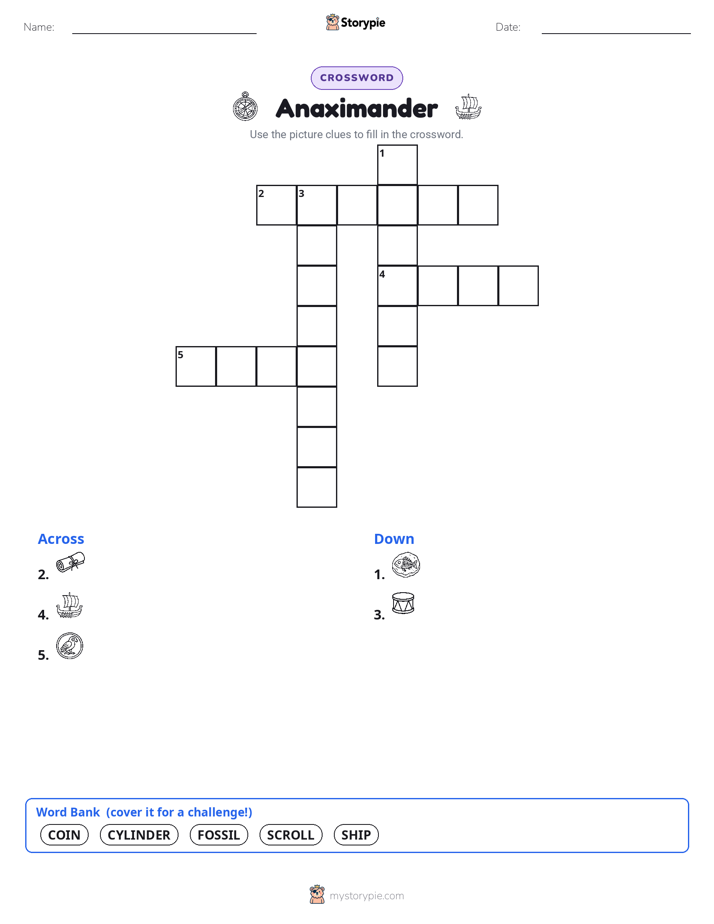
Print & create
Answer keys·No prep·Free with an account
28 worksheets · answer keys · full story · quiz · Ages 8-10 · CEFR B1
Plus adds 244,000+ more stories in 27 languages, audio for every one, and printables for all of them.
Just want Anaximander?
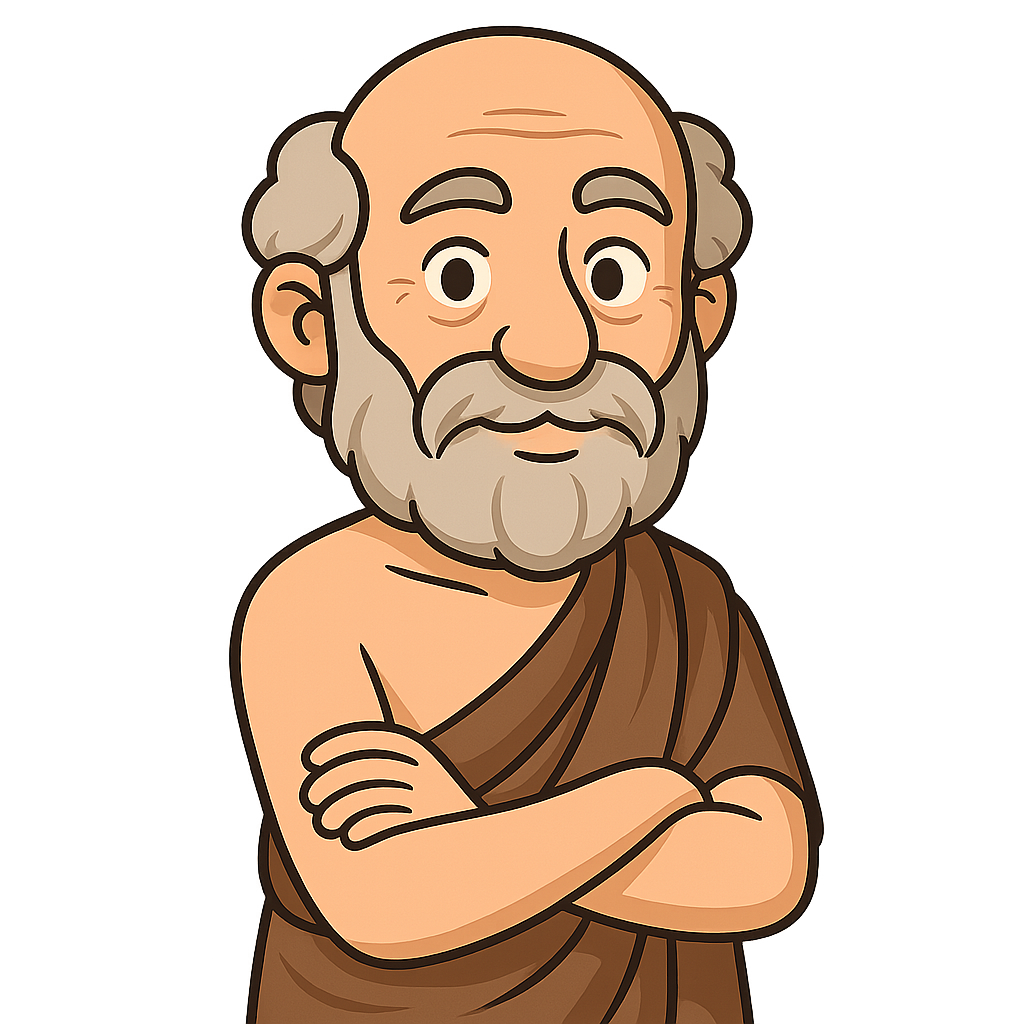
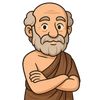
Hello, my name is Anaximander. I was born a very long time ago, around the year 610 BCE, in a busy Greek city called Miletus. My home was a special place, full of people who were always asking questions and trying to understand the world. I was lucky to be a student of a man named Thales, who was known as the first great thinker of our time. He taught me something very important: don't just accept the old stories about gods and goddesses creating everything. Instead, he encouraged me to look at the world, observe it carefully, and ask big questions to figure out how it really worked.
The biggest question of all was, 'What is everything made of?'. It was a puzzle that fascinated me. My teacher, Thales, had an interesting idea. He believed that everything in the world came from water. I thought about that for a long time, but it didn't seem quite right to me. I came up with a different idea, something I called the 'apeiron'. This word means 'boundless' or 'endless'. I imagined the apeiron as a powerful, eternal substance that had no beginning and no end. It wasn't water, or fire, or earth, or anything else you could see or touch. Instead, it was the invisible, undefined source from which everything in the universe was created. And when things were destroyed or disappeared, they simply returned to the apeiron. It was my way of explaining the great cycle of creation and destruction that I saw all around me.
Besides thinking about big ideas, I also liked to create practical things. Around the middle of the 6th century BCE, I did something no one had really done before: I created one of the very first maps of the known world. I drew the lands of Europe and Asia as I understood them, showing them completely surrounded by a great, flowing ocean. I also spent a lot of time thinking about the sky. I came up with a model of the cosmos that was very different from what people believed. I proposed that the Earth wasn't a flat disc but was shaped like a cylinder, like a can or a drum, floating freely in the center of everything. I believed that the sun, the moon, and all the stars weren't just little lights. I thought they were huge wheels of fire spinning around the Earth, and the light we saw was the fire shining through small holes in those wheels.
Anaximander: The Thinker Who Mapped the World
Hello, my name is Anaximander. I was born a very long time ago, around the year 610 BCE, in a busy Greek city called Miletus. My home was a special place, full of people who were always asking questions and trying to understand the world. I was lucky to be a student of a man named Thales, who was known as the first great thinker of our time. He taught me something very important: don't just accept the old stories about gods and goddesses creating everything. Instead, he encouraged me to look at the world, observe it carefully, and ask big questions to figure out how it really worked.
The biggest question of all was, 'What is everything made of?'. It was a puzzle that fascinated me. My teacher, Thales, had an interesting idea. He believed that everything in the world came from water. I thought about that for a long time, but it didn't seem quite right to me. I came up with a different idea, something I called the 'apeiron'. This word means 'boundless' or 'endless'. I imagined the apeiron as a powerful, eternal substance that had no beginning and no end. It wasn't water, or fire, or earth, or anything else you could see or touch. Instead, it was the invisible, undefined source from which everything in the universe was created. And when things were destroyed or disappeared, they simply returned to the apeiron. It was my way of explaining the great cycle of creation and destruction that I saw all around me.
Besides thinking about big ideas, I also liked to create practical things. Around the middle of the 6th century BCE, I did something no one had really done before: I created one of the very first maps of the known world. I drew the lands of Europe and Asia as I understood them, showing them completely surrounded by a great, flowing ocean. I also spent a lot of time thinking about the sky. I came up with a model of the cosmos that was very different from what people believed. I proposed that the Earth wasn't a flat disc but was shaped like a cylinder, like a can or a drum, floating freely in the center of everything. I believed that the sun, the moon, and all the stars weren't just little lights. I thought they were huge wheels of fire spinning around the Earth, and the light we saw was the fire shining through small holes in those wheels.
I even had a theory about where people came from, which was a very curious idea for my time. I looked at human babies and noticed how helpless they are when they are born. They need their parents to care for them for a very long time. This made me wonder how the very first humans could have possibly survived. So, I came up with a theory. I reasoned that the first humans must have grown up inside another kind of creature, one that could protect them. I imagined them developing inside large, fish-like animals in the sea. Only when they were old enough to find food and take care of themselves did they come onto land. It was one of the first times anyone tried to explain the origin of humans without using gods or magic, and it showed my belief that life could change over time.
My journey of questioning and discovery came to an end around the year 546 BCE. I lived to be about 64 years old. Even though many of my ideas, like the cylindrical Earth or humans growing in fish, have been replaced by new scientific discoveries, my way of thinking became my true legacy. I was one of the very first people to use logic and careful observation to try to understand the universe. By doing this, I helped start a new way of thinking that we now call science and philosophy. My hope was that people would never stop asking questions, and it seems they haven't.
Wow facts
About
Anaximander was a pre-Socratic Greek philosopher from Miletus who is considered one of the earliest figures in Western philosophy and natural philosophy. He proposed the concept of the apeiron as the origin of all things and created one of the first maps of the world.
Take a Quiz
Question 1 of 5
In the story, what does the word 'apeiron' mean?
Explore next




Want to do even more?
Go beyond exploring. Unlock tools that turn every story into real learning.

Storypie Plus for families
Full stories, quizzes, and printables. Nights and car rides, sorted.
- Unlimited audio stories
- Create Mode: your child stars in the story
- Offline downloads
- Printable worksheets & coloring pages

Why Storypie for Schools
Students engaged. Prep in seconds. Evenings back to you.
- Worksheets & Quizzes
- Classroom Management
- Formative Assessment
- Custom Curriculum & Lesson Plans
- 27 Languages

Why Storypie for Homeschool
Curriculum done. They'll ask for more. Hours back in your day.
- Worksheet Generator
- First-Person Audio Stories
- Built-in Comprehension Quizzes
- Custom Curriculum & Lesson Plans
- Print & Go Activities