English


Cai Lun
Cai Lun was a Chinese court official of the Han dynasty who is credited with refining the papermaking process…
Reads at Grades 6–8 Listens at Grades 4–8
Print & create
Answer keys·No prep·Free with an account
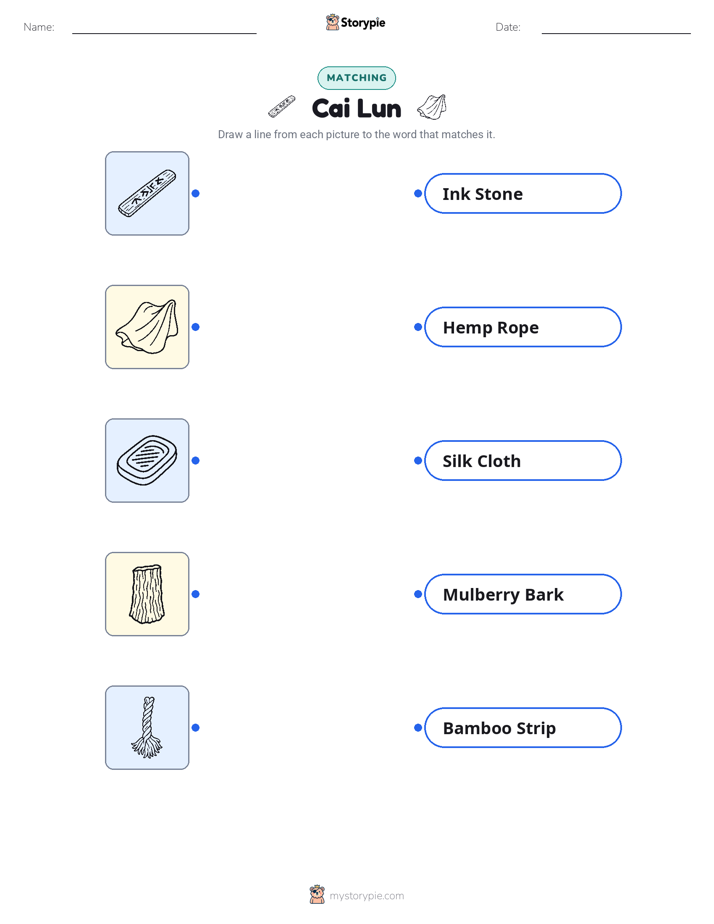
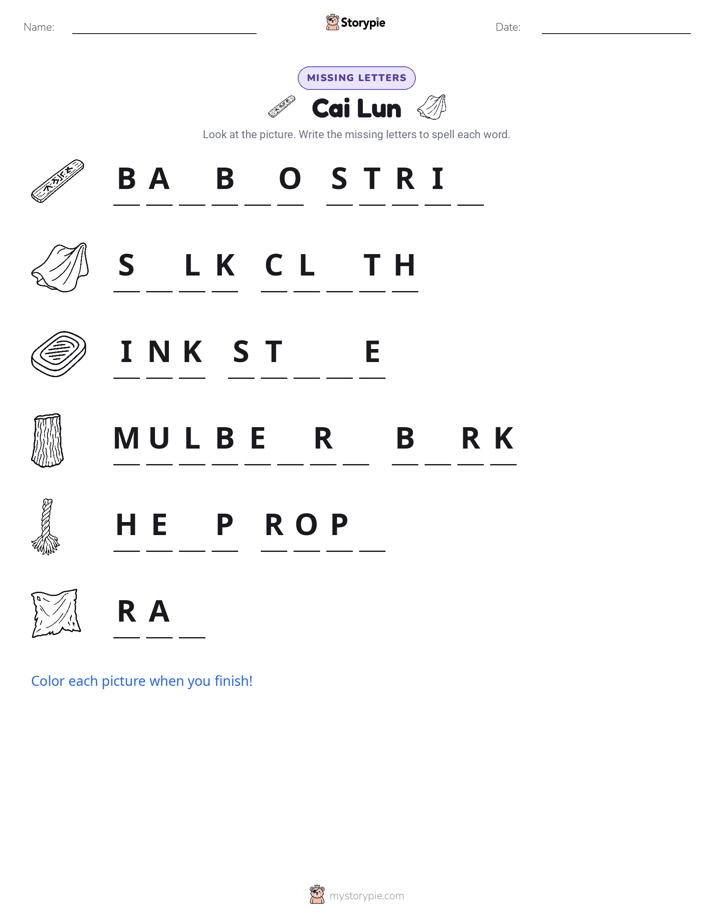
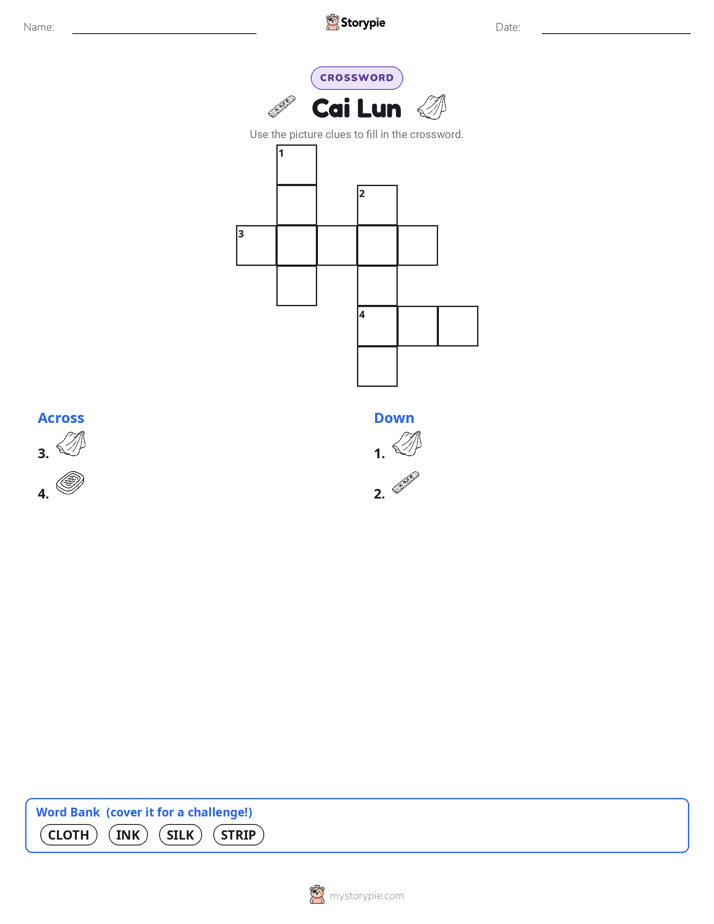
28 worksheets · answer keys · full story · quiz · Ages 10-12 · CEFR B2
Plus adds 244,000+ more stories in 27 languages, audio for every one, and printables for all of them.
Just want Cai Lun?
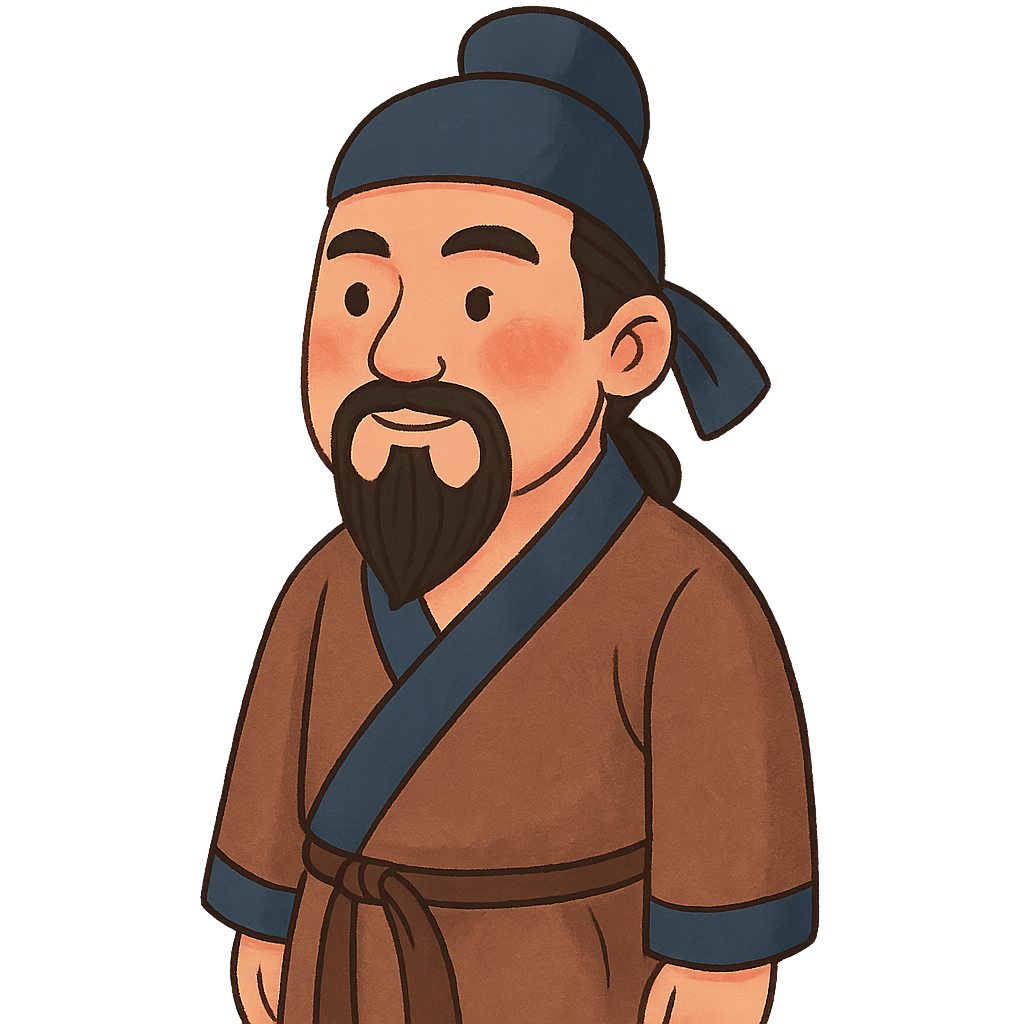
My name is Cai Lun, and I lived long ago in a world without paper. I was born around the year 50 CE in China, during the time of the powerful Han Dynasty. In those days, if you wanted to write something down, your choices were not very good. You could use strips of bamboo, but they were heavy and clumsy to carry around. Imagine trying to read a book made of wood. Your other choice was silk, which was beautiful and light, but it was so expensive that only the wealthiest people could afford it. I saw this as a big problem. History, stories, and important ideas were difficult to record and share. Knowledge was a luxury for the rich, but I firmly believed there had to be a better, more affordable way for everyone to write and learn.
My journey took an interesting turn around the year 75 CE, when I traveled to the grand imperial palace to serve as a court official for Emperor He. Life in the palace was fascinating, and I was not content to simply perform my required duties. I was naturally curious and spent my time observing everything around me. I watched the craftspeople, studied the materials they used, and learned about their techniques. My curiosity and hard work were noticed, and eventually, I was given a very important job: I was put in charge of the imperial workshops. This was an incredible opportunity. It meant I had access to all sorts of materials and could work with the most skilled artisans in the empire. This special role was the key that unlocked my imagination and set me on the path to my greatest achievement.
Cai Lun
My name is Cai Lun, and I lived long ago in a world without paper. I was born around the year 50 CE in China, during the time of the powerful Han Dynasty. In those days, if you wanted to write something down, your choices were not very good. You could use strips of bamboo, but they were heavy and clumsy to carry around. Imagine trying to read a book made of wood. Your other choice was silk, which was beautiful and light, but it was so expensive that only the wealthiest people could afford it. I saw this as a big problem. History, stories, and important ideas were difficult to record and share. Knowledge was a luxury for the rich, but I firmly believed there had to be a better, more affordable way for everyone to write and learn.
My journey took an interesting turn around the year 75 CE, when I traveled to the grand imperial palace to serve as a court official for Emperor He. Life in the palace was fascinating, and I was not content to simply perform my required duties. I was naturally curious and spent my time observing everything around me. I watched the craftspeople, studied the materials they used, and learned about their techniques. My curiosity and hard work were noticed, and eventually, I was given a very important job: I was put in charge of the imperial workshops. This was an incredible opportunity. It meant I had access to all sorts of materials and could work with the most skilled artisans in the empire. This special role was the key that unlocked my imagination and set me on the path to my greatest achievement.
My workshop became my laboratory. I was determined to create a new writing surface that was better than bamboo or silk. I began to experiment with materials that most people considered waste, things that were usually just thrown away. I gathered mulberry tree bark, pieces of hemp rope, old, tattered rags from worn-out clothes, and even frayed fishing nets. My idea was to break these things down and build them back up into something new. My process was methodical. First, I had the materials chopped up and mashed into a watery pulp. Then, I would pour this mushy mixture over a flat screen made of woven cloth. This allowed the water to drain away, leaving a very thin, matted layer of fibers on the screen. Next, we would press this layer to squeeze out even more water and then carefully lift the new sheet off the screen to let it dry in the sun. While other types of writing surfaces existed, my process was special. The result was a material that was lightweight, flexible, smooth, and most importantly, inexpensive to make. It was the perfect surface for writing.
After perfecting my method, the time came to share my invention with the world. In the year 105 CE, I went before Emperor He and presented him with my new creation. I explained how it was made and demonstrated how well it held ink. The emperor was thrilled. He immediately understood how valuable this new material would be for his empire. He saw that it could be used for everything from official records and historical texts to letters and poetry. He was so impressed that he ordered my papermaking technique to be taught to people all across China. As a reward for my service and ingenuity, the emperor granted me the title of Marquis. From that day on, my invention was often called “Marquis Cai’s paper,” a name that filled me with great pride and a sense of accomplishment.
However, life in the imperial court was not always filled with such triumphs. After Emperor He’s time, I continued my service under Empress Deng Sui. The palace was a place of great power, but it was also filled with shifting alliances and political rivalries that could be very dangerous. Years later, because of some old conflicts from my past, I found myself in a very difficult and dishonorable position. In the year 121 CE, rather than face the public humiliation that my political enemies had planned for me, I chose to end my life quietly and with dignity. At that time, this was a common and accepted practice for officials who found themselves in such an impossible situation.
I lived for about 70 years. My true legacy was not the noble title I held but the simple sheets of paper I helped bring into the world. My invention made it possible to produce books cheaply, which allowed knowledge and new ideas to spread farther and faster than ever before. It helped governments keep better records and historians preserve our stories for future generations. Over the centuries, the secret of papermaking traveled out of China along the Silk Road, changing the world forever. Every time you read a book, write a story, or draw a picture, you are part of the long and wonderful story that I helped to begin so many centuries ago.
Wow facts
About
Cai Lun was a Chinese court official of the Han dynasty who is credited with refining the papermaking process around 105 CE.
Take a Quiz
Question 1 of 5
What major problem did Cai Lun see with writing materials during the Han Dynasty, and what was his solution?
Explore next






Want to do even more?
Go beyond exploring. Unlock tools that turn every story into real learning.

Storypie Plus for families
Full stories, quizzes, and printables. Nights and car rides, sorted.
- Unlimited audio stories
- Create Mode: your child stars in the story
- Offline downloads
- Printable worksheets & coloring pages

Why Storypie for Schools
Students engaged. Prep in seconds. Evenings back to you.
- Worksheets & Quizzes
- Classroom Management
- Formative Assessment
- Custom Curriculum & Lesson Plans
- 27 Languages

Why Storypie for Homeschool
Curriculum done. They'll ask for more. Hours back in your day.
- Worksheet Generator
- First-Person Audio Stories
- Built-in Comprehension Quizzes
- Custom Curriculum & Lesson Plans
- Print & Go Activities