English

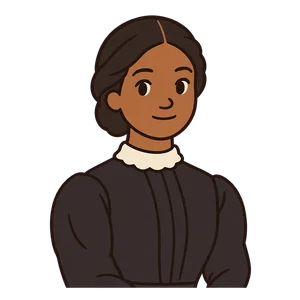
Edmonia Lewis
Edmonia Lewis was the first woman of African American and Native American heritage to achieve international…
Reads at Grades 6–8 Listens at Grades 4–8
Print & create
Answer keys·No prep·Free with an account
28 worksheets · answer keys · full story · quiz · Ages 10-12 · CEFR B2
Plus adds 290,000+ more stories in 27 languages, audio for every one, and printables for all of them.
Just want Edmonia Lewis?
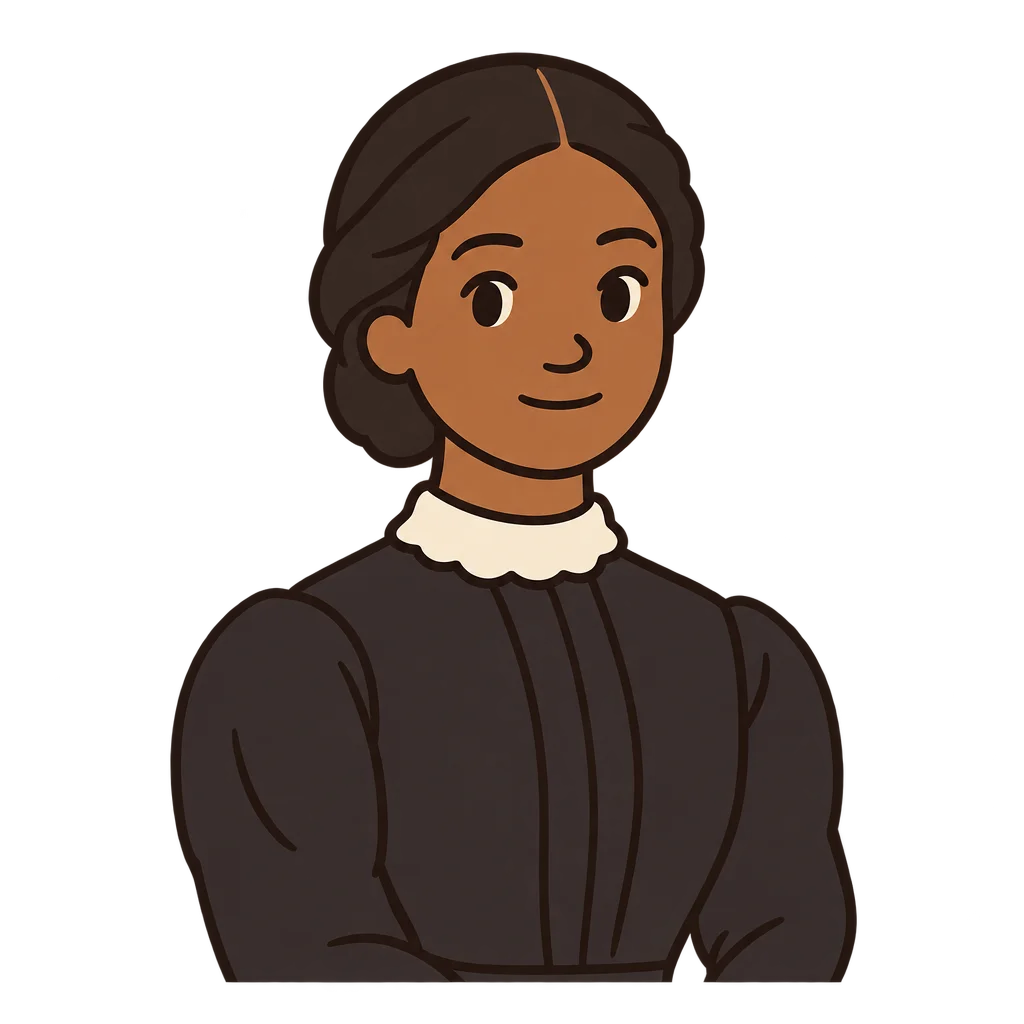
Hello! My name is Edmonia Lewis, and I became a sculptor, an artist who carves stories out of stone. My own story began in the world around July 4th, 1844, near Greenbush, New York. My heritage was a blend of two cultures; my father was African-American, and my mother was a member of the Mississauga Ojibwe tribe. Tragically, both of my parents passed away when I was very young. I went to live with my mother’s relatives near the thundering waters of Niagara Falls. In their community, I was given the name Wildfire. I spent my days running freely through the woods, learning to fish in the streams, and absorbing the rich traditions of my people. This time in nature, surrounded by my family’s culture, was deeply important. It shaped the person I would become and the art I would one day create, embedding a love for freedom and storytelling deep within my spirit.
My older brother, Samuel, followed a very different path. He traveled to California during the Gold Rush and found success there. He believed strongly in the power of education and wanted me to have opportunities he never did. So, in 1859, he used his earnings to help me enroll at Oberlin College in Ohio. Oberlin was a remarkable place for its time, as it was one of the very first colleges in the United States to admit both women and African-American students. Despite its progressive mission, my time there was filled with hardship. I faced intense prejudice from others who did not accept me. At one point, I was falsely accused of a serious crime. Although I was eventually proven innocent in a court of law, the experience was deeply painful. The college would not allow me to finish my studies and graduate. It was a heart-wrenching chapter in my life, but facing such injustice only strengthened my resolve to forge my own path in the world.
Edmonia Lewis: Carving My Story in Stone
Hello! My name is Edmonia Lewis, and I became a sculptor, an artist who carves stories out of stone. My own story began in the world around July 4th, 1844, near Greenbush, New York. My heritage was a blend of two cultures; my father was African-American, and my mother was a member of the Mississauga Ojibwe tribe. Tragically, both of my parents passed away when I was very young. I went to live with my mother’s relatives near the thundering waters of Niagara Falls. In their community, I was given the name Wildfire. I spent my days running freely through the woods, learning to fish in the streams, and absorbing the rich traditions of my people. This time in nature, surrounded by my family’s culture, was deeply important. It shaped the person I would become and the art I would one day create, embedding a love for freedom and storytelling deep within my spirit.
My older brother, Samuel, followed a very different path. He traveled to California during the Gold Rush and found success there. He believed strongly in the power of education and wanted me to have opportunities he never did. So, in 1859, he used his earnings to help me enroll at Oberlin College in Ohio. Oberlin was a remarkable place for its time, as it was one of the very first colleges in the United States to admit both women and African-American students. Despite its progressive mission, my time there was filled with hardship. I faced intense prejudice from others who did not accept me. At one point, I was falsely accused of a serious crime. Although I was eventually proven innocent in a court of law, the experience was deeply painful. The college would not allow me to finish my studies and graduate. It was a heart-wrenching chapter in my life, but facing such injustice only strengthened my resolve to forge my own path in the world.
Following the difficult events at Oberlin, my brother continued to support me. In 1864, I moved to Boston, a city buzzing with ideas of art and social change. I knew with absolute certainty that I was meant to be an artist. One afternoon, I stood before a statue of the great statesman Benjamin Franklin and declared to myself, 'I can make a stone man!'. Fueled by this conviction, I sought out a respected sculptor named Edward Augustus Brackett. I asked him to teach me his craft. Skeptical at first, he gave me a fragment of a statue’s foot and told me to copy it. When he saw my careful work, he recognized my potential and agreed to mentor me. I started my career by creating small medallion portraits of famous abolitionists—the brave people who fought to end slavery—such as John Brown. My major breakthrough came when I sculpted a bust of Colonel Robert Gould Shaw, a heroic commander who led an all-Black regiment during the Civil War. His bust became so popular that I sold many copies, finally earning enough money to chase my greatest dream.
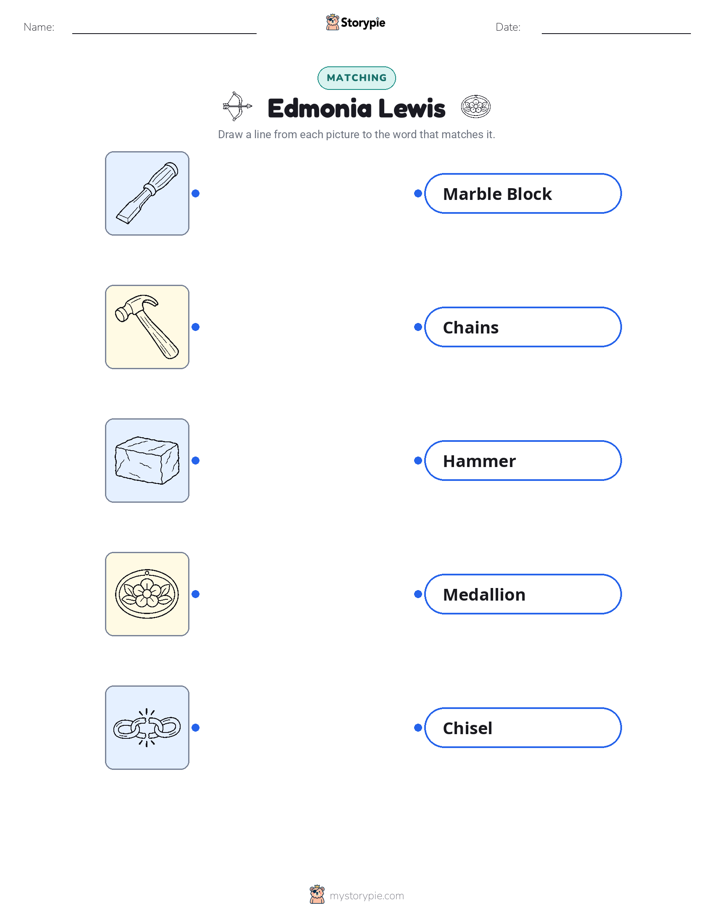
With the money I earned, I planned a journey across the ocean. In 1865, I sailed to Rome, Italy. In the 19th century, Rome was the undisputed center of the art world, especially for sculptors. It was where you could find the most beautiful, pure white marble and study the masterpieces of ancient artists. But for me, Rome represented something more profound. It was a place where I hoped to escape the prejudice I had faced in America. I wanted to be seen and judged for the quality of my art, not for my race or my gender. I established my own studio and poured all my energy into my work. It was common for sculptors in Rome to hire local Italian craftsmen to do the difficult physical labor of carving the marble. I refused. I insisted on doing all the hard, dusty work myself, from the first chip of the hammer to the final polish. I wanted every detail to be a direct expression of my own vision and effort.
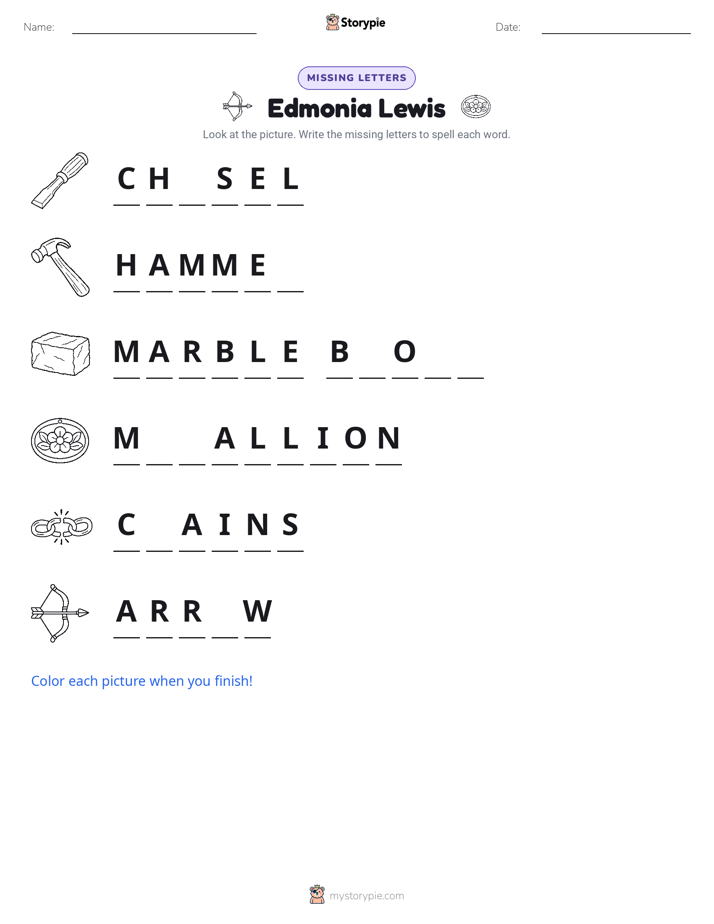
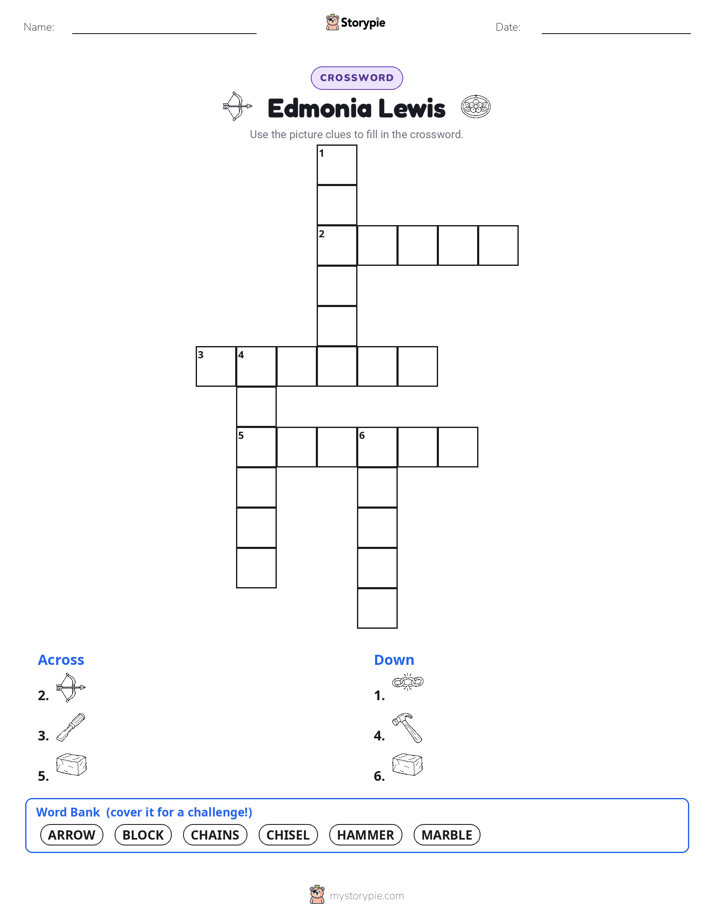
In my Rome studio, I was finally free to create the works that truly defined me as an artist. In 1867, I completed a sculpture I called 'Forever Free'. It depicts an African-American man and woman celebrating the moment they learn of their freedom at the end of the Civil War, their chains broken. I also reached back to my childhood and honored my Native American heritage. I created sculptures like 'The Old Arrow-Maker and His Daughter,' which was inspired by a famous poem called 'The Song of Hiawatha.' My most ambitious and famous work was a monumental sculpture called 'The Death of Cleopatra.' It was carved from a single block of marble weighing two tons. In 1876, I shipped this massive piece all the way to Philadelphia for the Centennial Exposition, a grand fair celebrating America’s 100th birthday. The sculpture created an absolute sensation. Visitors and critics were astonished that such a powerful and dramatic work of art could be created by a woman, especially a woman of color.
As time moved on, artistic tastes began to change, and the style of sculpture I created, known as Neoclassicism, fell out of fashion. My fame faded, and for many years, my story and my art were largely forgotten. I lived until the year 1907. My greatest masterpiece, 'The Death of Cleopatra,' was considered lost for nearly a century. It was eventually rediscovered in the 1970s and has since been carefully restored to its former glory. Today, my sculptures are treasured in museums across the world, and my story is being told again. People now remember me as a pioneering artist who broke through barriers of race and gender. I am proud that I used my hands and my heart to carve my unique heritage—the story of an African American and Native American woman—into timeless stone for all the world to see.
Wow facts
About
Edmonia Lewis was the first woman of African American and Native American heritage to achieve international fame and recognition as a sculptor in the fine arts world during the 19th century.
Take a Quiz
Question 1 of 5
Why was moving to Rome in 1865 a significant step in Edmonia Lewis's career?
Explore next






Want to do even more?
Go beyond exploring. Unlock tools that turn every story into real learning.

Storypie Plus for families
Full stories, quizzes, and printables. Nights and car rides, sorted.
- Unlimited audio stories
- Create Mode: your child stars in the story
- Offline downloads
- Printable worksheets & coloring pages

Why Storypie for Schools
Students engaged. Prep in seconds. Evenings back to you.
- Worksheets & Quizzes
- Classroom Management
- Formative Assessment
- Custom Curriculum & Lesson Plans
- 27 Languages

Why Storypie for Homeschool
Curriculum done. They'll ask for more. Hours back in your day.
- Worksheet Generator
- First-Person Audio Stories
- Built-in Comprehension Quizzes
- Custom Curriculum & Lesson Plans
- Print & Go Activities