English

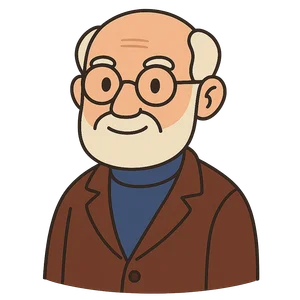
Henri Matisse
Henri Matisse was a French artist, known for both his use of color and his fluid and original draftsmanship.
Reads at Grades 6–8 Listens at Grades 4–8
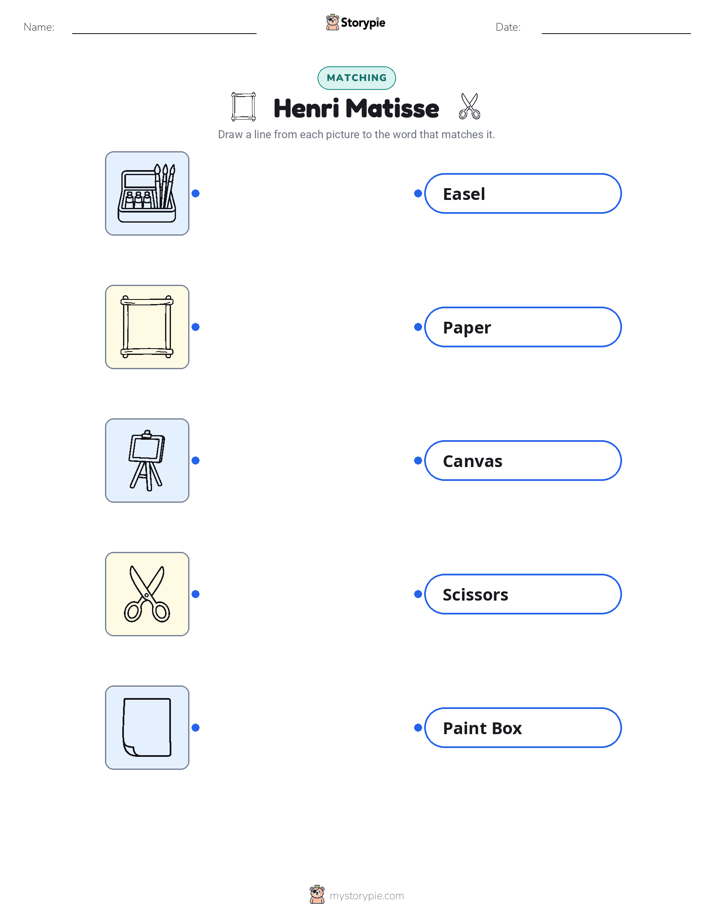
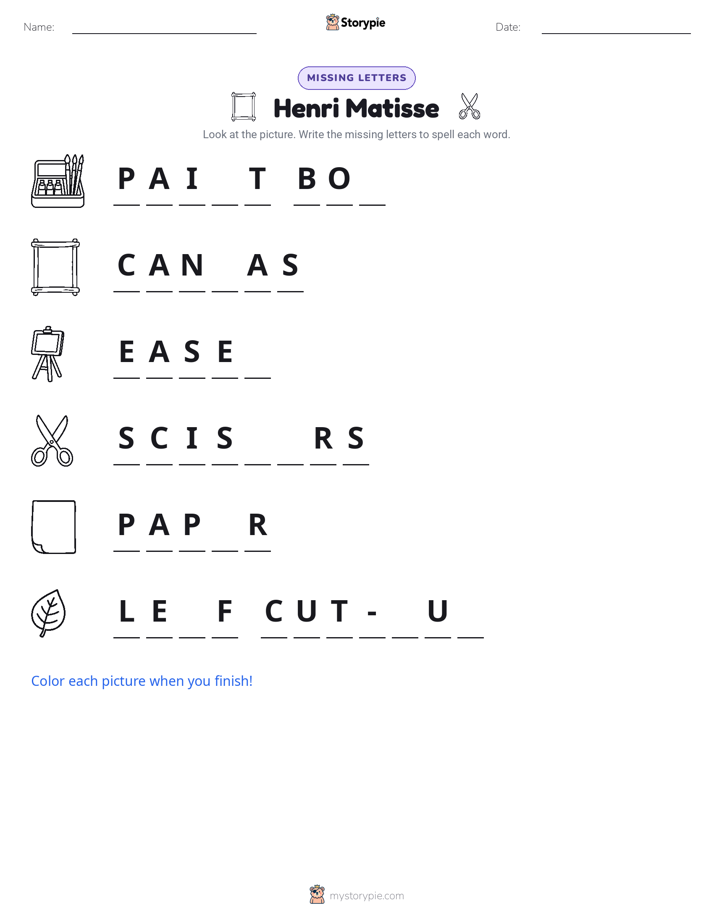
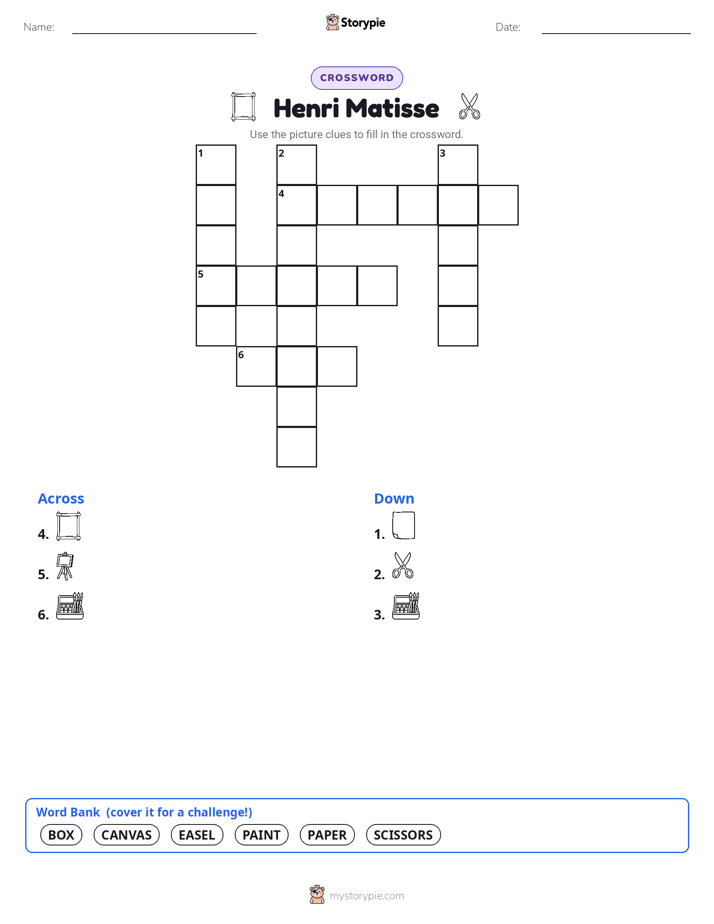
Print & create
Answer keys·No prep·Free with an account
28 worksheets · answer keys · full story · quiz · Ages 10-12 · CEFR B2
Plus adds 244,000+ more stories in 27 languages, audio for every one, and printables for all of them.
Just want Henri Matisse?
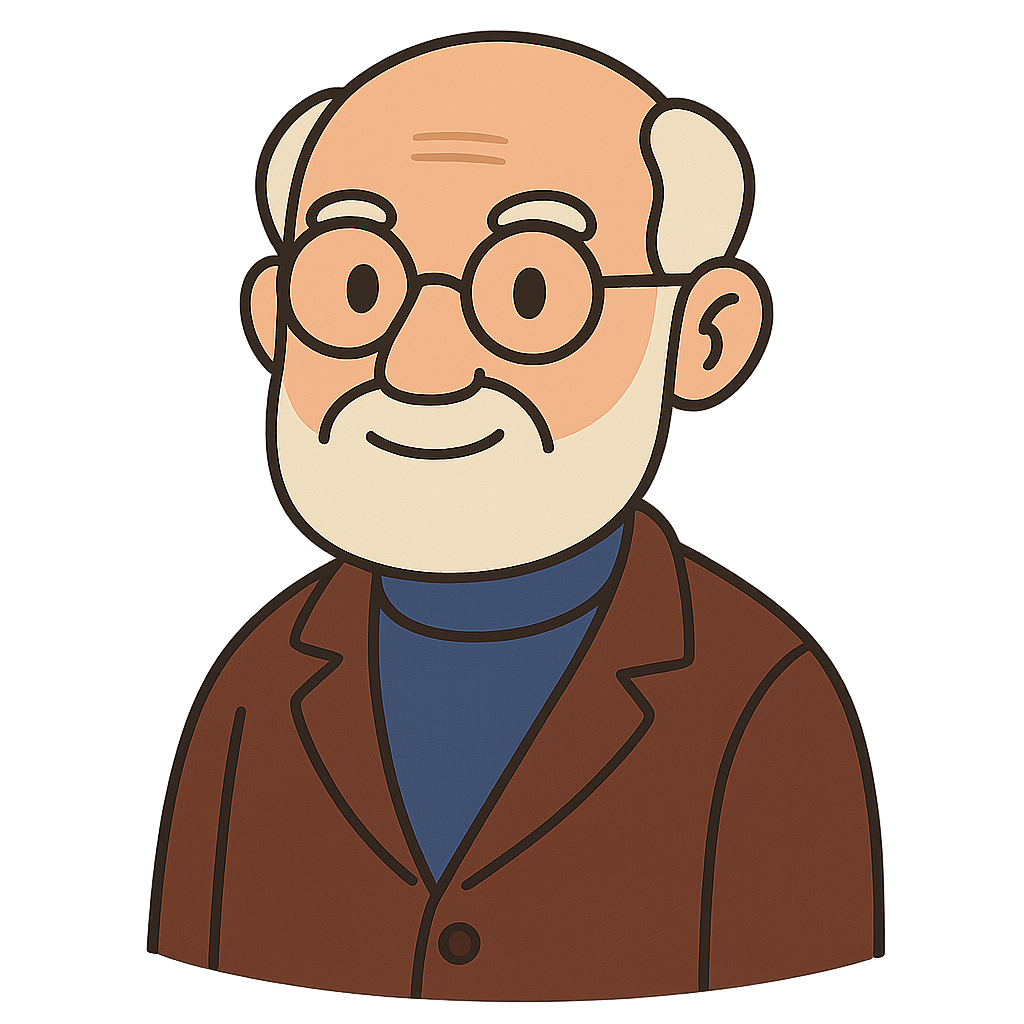
Hello. My name is Henri Matisse, and I am known around the world as a painter who loved color. But the future I lived was not the one I originally painted for myself. I was born on December 31st, 1869, in a small town in northern France. My family expected me to follow a traditional path, and becoming a world-famous artist was certainly not part of the plan. In 1887, I moved to Paris to study law, and I thought my future was set. However, life had a surprising turn waiting for me. In 1889, I became very ill with appendicitis and had to spend a long time recovering in bed. To help me pass the hours, my mother gave me a set of paints. The moment I began to mix the colors and spread them on the canvas, I discovered what felt like a 'kind of paradise.' That box of paints changed everything, setting me on a completely new path for the rest of my life.
After my recovery, I knew I could no longer pursue a career in law. My heart now belonged to art. In 1891, I abandoned my legal studies and returned to Paris, but this time with a clear purpose: to become a painter. The city was buzzing with artistic energy, and I enrolled in famous art schools, first the Académie Julian and later the prestigious École des Beaux-Arts. In 1895, I became a student of a wonderful teacher named Gustave Moreau. He was different from other instructors; he encouraged all his students to think for themselves and develop their own unique styles. I spent years learning the traditional rules of painting. I would spend hours in the Louvre museum, studying the techniques of the Old Masters, carefully copying their work to understand how they achieved their effects. I knew that I had to learn the rules inside and out before I could feel confident enough to break them and create something entirely new.
Henri Matisse: Painting with Color and Joy
Hello. My name is Henri Matisse, and I am known around the world as a painter who loved color. But the future I lived was not the one I originally painted for myself. I was born on December 31st, 1869, in a small town in northern France. My family expected me to follow a traditional path, and becoming a world-famous artist was certainly not part of the plan. In 1887, I moved to Paris to study law, and I thought my future was set. However, life had a surprising turn waiting for me. In 1889, I became very ill with appendicitis and had to spend a long time recovering in bed. To help me pass the hours, my mother gave me a set of paints. The moment I began to mix the colors and spread them on the canvas, I discovered what felt like a 'kind of paradise.' That box of paints changed everything, setting me on a completely new path for the rest of my life.
After my recovery, I knew I could no longer pursue a career in law. My heart now belonged to art. In 1891, I abandoned my legal studies and returned to Paris, but this time with a clear purpose: to become a painter. The city was buzzing with artistic energy, and I enrolled in famous art schools, first the Académie Julian and later the prestigious École des Beaux-Arts. In 1895, I became a student of a wonderful teacher named Gustave Moreau. He was different from other instructors; he encouraged all his students to think for themselves and develop their own unique styles. I spent years learning the traditional rules of painting. I would spend hours in the Louvre museum, studying the techniques of the Old Masters, carefully copying their work to understand how they achieved their effects. I knew that I had to learn the rules inside and out before I could feel confident enough to break them and create something entirely new.
By the early 1900s, I was ready to break those rules. My friends, like the artist André Derain, and I began experimenting with color in a way that no one had ever seen before. We used incredibly bright, bold colors straight from the tube, not to copy the world around us, but to express our feelings about it. In 1905, we exhibited our work at a famous art show called the Salon d'Automne. Our gallery room was filled with paintings that exploded with unnatural colors—a face might be green, a tree could be blue, and a sky might be yellow. A critic who saw our work was so shocked that he jokingly called us 'Les Fauves,' which means 'the wild beasts.' The name stuck. My philosophy was simple: color should express emotion. My painting 'Woman with a Hat' was a perfect example, with its wild patches of purple, orange, and green. It shocked many people, but it also caught the attention of important supporters like the American writer and art collector Gertrude Stein, who understood what I was trying to achieve.
In 1917, I moved to the south of France, near the city of Nice. The brilliant, clear light of the Mediterranean Sea had a profound effect on my work, making my colors even brighter and my compositions more filled with light and joy. Life and art continued to evolve, but the most significant change came later in my life. In 1941, I underwent major surgery for cancer. The operation saved my life, but it left me very frail. I was often confined to a bed or a wheelchair and could no longer stand at an easel to paint for hours. Instead of giving up, I found a new way to create art. I called it 'drawing with scissors.' My assistants would paint large sheets of paper in the vibrant colors I chose. Then, from my bed or chair, I would cut shapes from this paper—leaves, stars, figures—and arrange them into large, joyful compositions. These works were called 'gouaches découpées,' or cut-outs. This new method allowed me to continue creating art with the same passion and love of color. My famous book 'Jazz,' published in 1947, was made entirely using this innovative technique.
I lived a long and colorful life, and I continued creating until the very end. From 1947 to 1951, I worked on what I considered my masterpiece: the Chapelle du Rosaire, or Chapel of the Rosary, in the town of Vence. I designed everything for it, from the simple lines of the murals on the walls to the brilliant patterns of the stained-glass windows and even the robes worn by the priests. I saw it as the culmination of my life's work, a space of peace and spiritual joy. I lived to be 84 years old, and my goal was always to create art that offered a sense of calm and happiness. I once said that my art should be like a 'good armchair in which to rest from physical fatigue.' Today, I am remembered as one of the great masters of modern art, and I hope my work continues to inspire people to see the world not just as it is, but as it feels.
Wow facts
About
Henri Matisse was a French artist, known for both his use of color and his fluid and original draftsmanship. He was a leading figure in the Fauvist movement and one of the great formative figures in 20th-century art.
Take a Quiz
Question 1 of 5
Why were Henri Matisse and his friends called 'Les Fauves,' which means 'the wild beasts'?
Explore next




Want to do even more?
Go beyond exploring. Unlock tools that turn every story into real learning.

Storypie Plus for families
Full stories, quizzes, and printables. Nights and car rides, sorted.
- Unlimited audio stories
- Create Mode: your child stars in the story
- Offline downloads
- Printable worksheets & coloring pages

Why Storypie for Schools
Students engaged. Prep in seconds. Evenings back to you.
- Worksheets & Quizzes
- Classroom Management
- Formative Assessment
- Custom Curriculum & Lesson Plans
- 27 Languages

Why Storypie for Homeschool
Curriculum done. They'll ask for more. Hours back in your day.
- Worksheet Generator
- First-Person Audio Stories
- Built-in Comprehension Quizzes
- Custom Curriculum & Lesson Plans
- Print & Go Activities