English

Kartini
Raden Adjeng Kartini was a pioneer in the fight for women's rights and education in Indonesia.
Reads at Grades 6–8 Listens at Grades 4–8
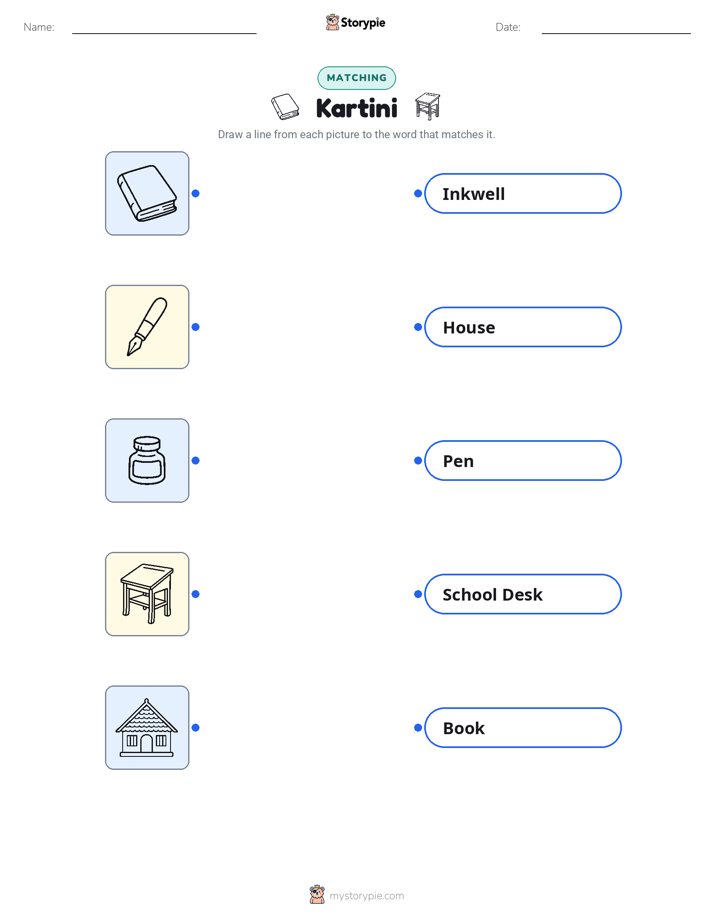
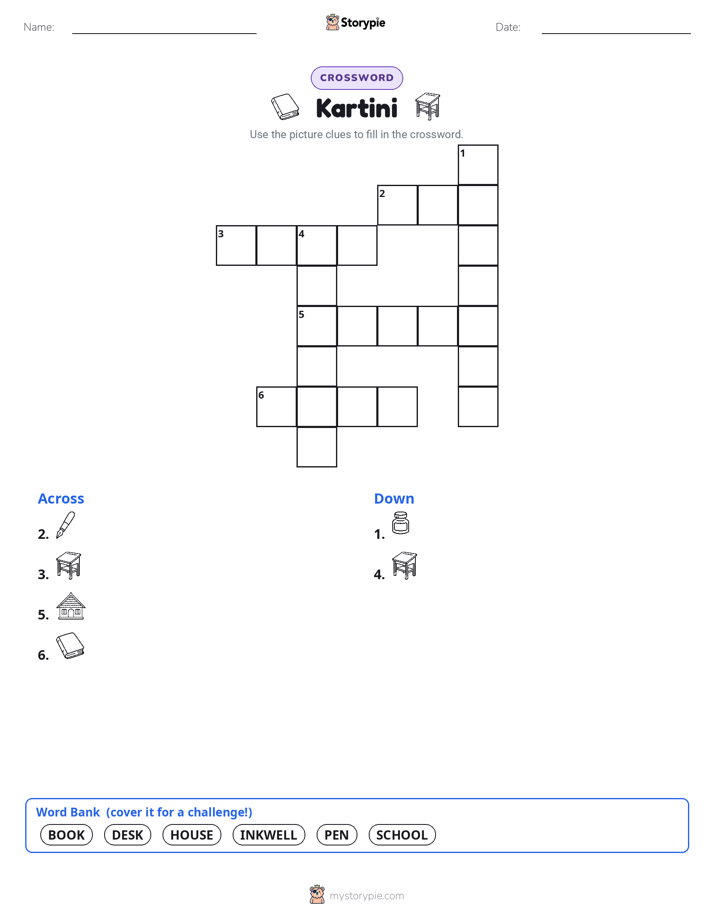
Print & create
Answer keys·No prep·Free with an account
28 worksheets · answer keys · full story · quiz · Ages 10-12 · CEFR B2
Plus adds 164,000+ more stories in 27 languages, audio for every one, and printables for all of them.
Just want Kartini?
Hello, my name is Kartini. I am known in my home country of Indonesia as a pioneer for women's education. I was born on April 21st, 1879, in a town called Jepara on the island of Java. My family was part of the Javanese nobility, which meant we held a respected position in society. My father was a Regent, an important regional leader. This status gave me an opportunity that was very rare for Javanese girls at the time: I was allowed to attend a Dutch school. From the moment I stepped into the classroom, I fell in love with learning. I became fluent in the Dutch language and devoured books that told me about a world far beyond my island. This education was like a key that unlocked my mind, showing me new possibilities and ideas about what people, especially women, could achieve if given the chance.
My world changed dramatically when I turned 12 years old, around the year 1891. According to the traditions for noble Javanese girls, my formal education had to stop. I was required to enter a period of seclusion known as 'pingit,' which meant I could not leave my family's home until I was married. I felt like a bird in a cage. My body was confined within the walls of our home, but I made a solemn promise to myself that my mind would remain free. I deeply missed my school, my teachers, and my friends, but I was determined that this would not be the end of my journey of learning.
During those long years in seclusion, I found my escape and my voice through reading and writing. Books became my teachers, and letters became my connection to the outside world. I began a lively correspondence with several friends I had made in the Netherlands. In my letters, I didn't just share news; I poured out my deepest thoughts and frustrations. I wrote passionately about the unfair traditions that held Javanese women back, such as the lack of educational opportunities and the practice of forced marriages. I argued that girls had just as much right as boys to learn, to pursue their own dreams, and to make meaningful contributions to our society. These letters were more than just messages; they were my protest, my way of fighting for a future I believed in.
Kartini: A Light for Indonesia
Hello, my name is Kartini. I am known in my home country of Indonesia as a pioneer for women's education. I was born on April 21st, 1879, in a town called Jepara on the island of Java. My family was part of the Javanese nobility, which meant we held a respected position in society. My father was a Regent, an important regional leader. This status gave me an opportunity that was very rare for Javanese girls at the time: I was allowed to attend a Dutch school. From the moment I stepped into the classroom, I fell in love with learning. I became fluent in the Dutch language and devoured books that told me about a world far beyond my island. This education was like a key that unlocked my mind, showing me new possibilities and ideas about what people, especially women, could achieve if given the chance.
My world changed dramatically when I turned 12 years old, around the year 1891. According to the traditions for noble Javanese girls, my formal education had to stop. I was required to enter a period of seclusion known as 'pingit,' which meant I could not leave my family's home until I was married. I felt like a bird in a cage. My body was confined within the walls of our home, but I made a solemn promise to myself that my mind would remain free. I deeply missed my school, my teachers, and my friends, but I was determined that this would not be the end of my journey of learning.
During those long years in seclusion, I found my escape and my voice through reading and writing. Books became my teachers, and letters became my connection to the outside world. I began a lively correspondence with several friends I had made in the Netherlands. In my letters, I didn't just share news; I poured out my deepest thoughts and frustrations. I wrote passionately about the unfair traditions that held Javanese women back, such as the lack of educational opportunities and the practice of forced marriages. I argued that girls had just as much right as boys to learn, to pursue their own dreams, and to make meaningful contributions to our society. These letters were more than just messages; they were my protest, my way of fighting for a future I believed in.
In 1903, my family arranged for me to marry the Regent of Rembang. I was filled with anxiety, fearing that marriage would silence my voice and end my dreams for good. However, my husband proved to be a kind and understanding man who supported my ambitions. With his encouragement and permission, I was able to achieve my greatest goal. In that same year, 1903, I opened the very first school for Javanese girls, located right inside our home. It started small, but for me, it was the most wonderful achievement imaginable. I was finally able to pass on the precious gift of education to other girls, just as I had always dreamed.
Sadly, my time as a teacher was very brief. The following year, in 1904, I gave birth to my first and only son. My joy was short-lived, as I fell gravely ill just a few days later, and my life came to an end. I lived to be only 25 years old. Although my life was short, my words and ideas lived on. In 1911, my friends in the Netherlands collected my powerful letters and published them in a book titled 'Out of Darkness Comes Light.' The book spread my message across the islands, inspiring the creation of many new schools for girls, which became known as 'Kartini Schools.' Today, I am honored as a National Hero of Indonesia. My birthday, April 21st, is celebrated each year as Kartini Day, a time to remember the importance of education and the fight for women's rights for all.
Wow facts
About
Raden Adjeng Kartini was a pioneer in the fight for women's rights and education in Indonesia. Through her letters, she advocated for girls to have the same opportunities as boys, and her ideas inspired the feminist movement in her country.
Take a Quiz
Question 1 of 5
The story says Kartini felt 'like a bird in a cage' when she entered 'pingit.' What does this comparison reveal about her feelings?
Explore next






Want to do even more?
Go beyond exploring. Unlock tools that turn every story into real learning.

Storypie Plus for families
Full stories, quizzes, and printables. Nights and car rides, sorted.
- Unlimited audio stories
- Create Mode: your child stars in the story
- Offline downloads
- Printable worksheets & coloring pages

Why Storypie for Schools
Students engaged. Prep in seconds. Evenings back to you.
- Worksheets & Quizzes
- Classroom Management
- Formative Assessment
- Custom Curriculum & Lesson Plans
- 27 Languages

Why Storypie for Homeschool
Curriculum done. They'll ask for more. Hours back in your day.
- Worksheet Generator
- First-Person Audio Stories
- Built-in Comprehension Quizzes
- Custom Curriculum & Lesson Plans
- Print & Go Activities