English

Liliʻuokalani
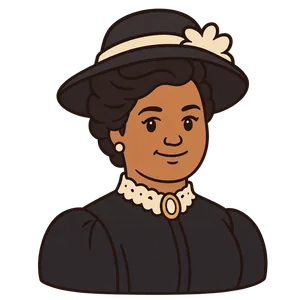
Liliʻuokalani was the first queen regnant and the last sovereign monarch of the Kingdom of Hawaiʻi.
Reads at Grades 6–8 Listens at Grades 4–8
Print & create
Answer keys·No prep·Free with an account
28 worksheets · answer keys · full story · quiz · Ages 10-12 · CEFR B2
Plus adds 290,000+ more stories in 27 languages, audio for every one, and printables for all of them.
Just want Liliʻuokalani?
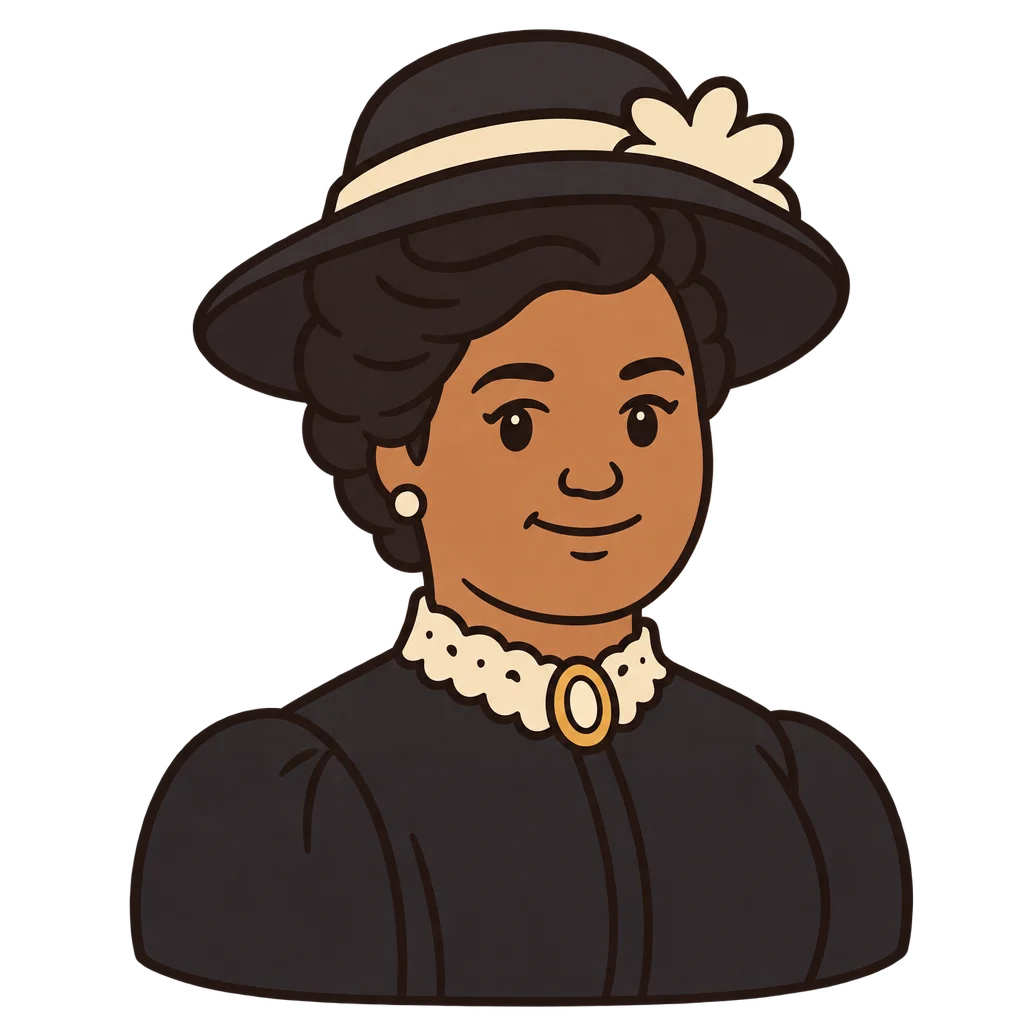
Aloha! My name is Liliʻuokalani, and I was the last queen of the Hawaiian Islands. My story begins in the beautiful city of Honolulu, where I was born on September 2nd, 1838. My birth name was Lydia Kamakaʻeha. In keeping with a cherished Hawaiian tradition known as hānai, I was not raised by my birth parents. Instead, I was adopted and brought up by the high-ranking chiefs Abner Pākī and Laura Kōnia. They had a daughter named Bernice Pauahi, and we grew up together as closely as sisters. My education was very important. I attended the Royal School, which was established for the children of the aliʻi, or chiefs. There, I learned to speak English fluently and studied a wide range of subjects, from history to mathematics. While I enjoyed my studies, my greatest passion was always music. I found joy in composing melodies and writing lyrics, a love that would stay with me for my entire life.
As I grew into a young woman, I took my place in the royal court, where my life was filled with important duties. In 1862, I married an American man named John Owen Dominis, who became a trusted companion. My life involved traveling to different parts of the world and learning about other cultures, which helped prepare me for future leadership. A significant change came in 1877, after my younger brother passed away. My older brother, who was then King Kalākaua, named me as his heir apparent. This meant that I was officially next in line to the throne. It was a great honor and a heavy responsibility. When King Kalākaua traveled on a diplomatic mission around the world, I was appointed to rule in his absence as Princess Regent. During that time, I gained valuable experience in governing. I learned firsthand about the challenges of leading my people and the constant need to protect our kingdom's independence from the growing influence of foreign powers.
The Story of Queen Liliʻuokalani
Aloha! My name is Liliʻuokalani, and I was the last queen of the Hawaiian Islands. My story begins in the beautiful city of Honolulu, where I was born on September 2nd, 1838. My birth name was Lydia Kamakaʻeha. In keeping with a cherished Hawaiian tradition known as hānai, I was not raised by my birth parents. Instead, I was adopted and brought up by the high-ranking chiefs Abner Pākī and Laura Kōnia. They had a daughter named Bernice Pauahi, and we grew up together as closely as sisters. My education was very important. I attended the Royal School, which was established for the children of the aliʻi, or chiefs. There, I learned to speak English fluently and studied a wide range of subjects, from history to mathematics. While I enjoyed my studies, my greatest passion was always music. I found joy in composing melodies and writing lyrics, a love that would stay with me for my entire life.
As I grew into a young woman, I took my place in the royal court, where my life was filled with important duties. In 1862, I married an American man named John Owen Dominis, who became a trusted companion. My life involved traveling to different parts of the world and learning about other cultures, which helped prepare me for future leadership. A significant change came in 1877, after my younger brother passed away. My older brother, who was then King Kalākaua, named me as his heir apparent. This meant that I was officially next in line to the throne. It was a great honor and a heavy responsibility. When King Kalākaua traveled on a diplomatic mission around the world, I was appointed to rule in his absence as Princess Regent. During that time, I gained valuable experience in governing. I learned firsthand about the challenges of leading my people and the constant need to protect our kingdom's independence from the growing influence of foreign powers.
My life changed forever when my dear brother, King Kalākaua, passed away in San Francisco in 1891. I ascended to the throne and became queen on January 29th, 1891. My heart was heavy with grief for my brother, but I knew I had a solemn duty to lead and protect the Hawaiian people. I inherited a kingdom facing immense pressure. A few years earlier, in 1887, a group of powerful foreign businessmen had used the threat of violence to force my brother to sign a new constitution. This document came to be known as the 'Bayonet Constitution.' It severely weakened the power of the monarchy and, even more unjustly, it took away the right to vote from many Native Hawaiians while giving it to wealthy foreigners. As queen, my greatest and most urgent goal was to write a new constitution. I wanted to restore the rights that had been taken from my people and return the power of government to the hands of Native Hawaiians, where it rightfully belonged.
My determination to create a new, fairer constitution deeply worried the powerful American and European businessmen who had gained so much influence in Hawaiʻi. They saw my efforts as a threat to their control and profits. On January 17th, 1893, they took drastic action. A group of these men formed a 'Committee of Safety,' and with the support of United States Marines who landed in Honolulu, they surrounded my home, ʻIolani Palace. They declared that my government was overthrown and established their own provisional government. It was a heartbreaking and completely unjust act against a peaceful nation. To avoid bloodshed and protect my people from violence, I yielded my authority. However, I did not yield to the new government they had created. Instead, I yielded to the superior force of the United States government, placing my hope in American justice. I wrote a letter to President Grover Cleveland, explaining the illegal overthrow. He investigated and agreed that what had happened was wrong, but unfortunately, the United States Congress did not act to restore my kingdom.
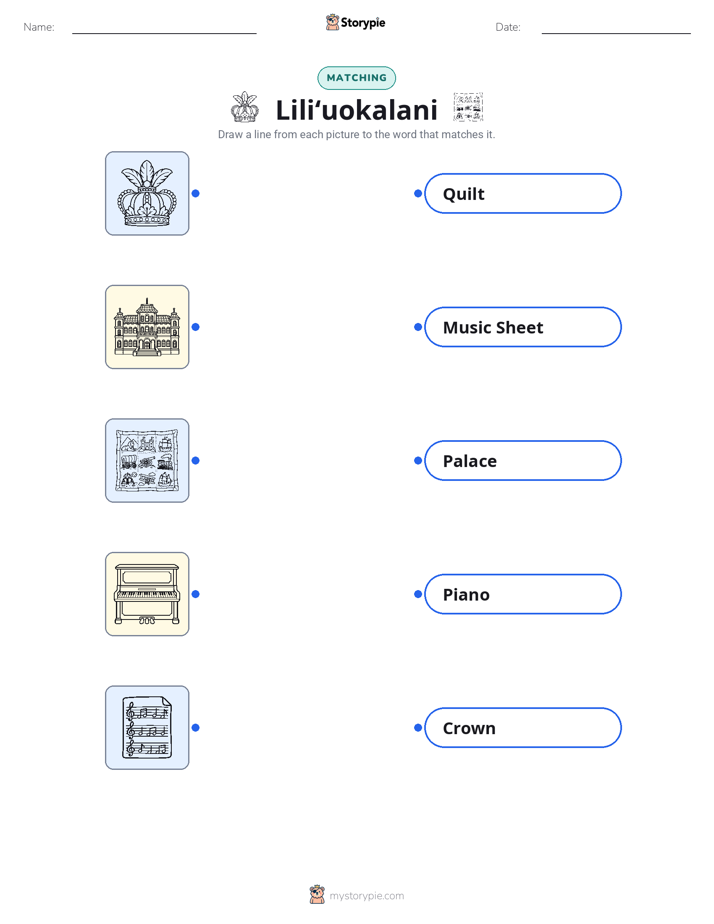
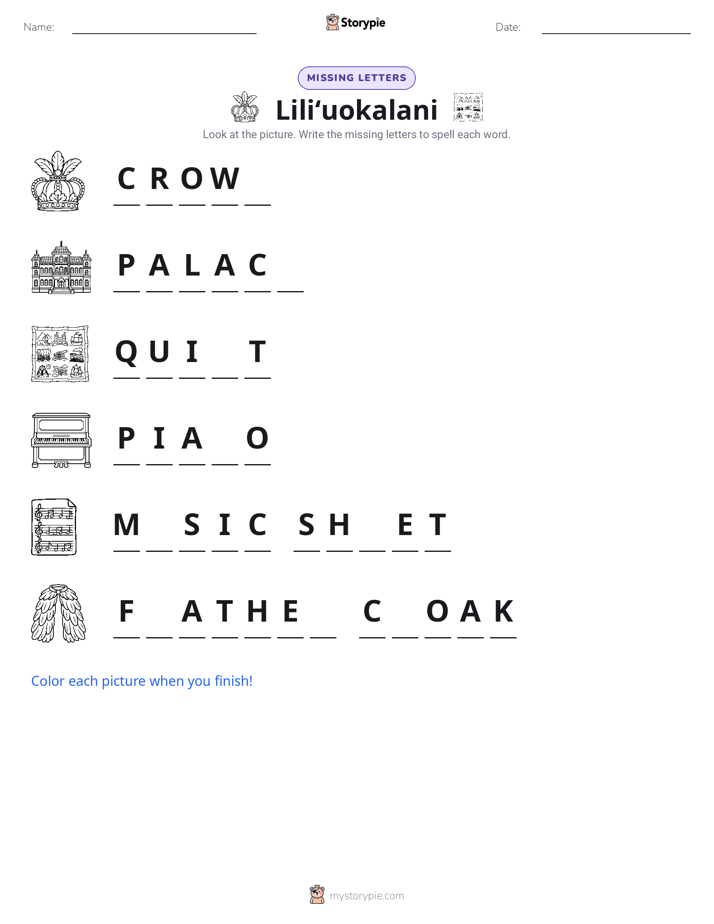
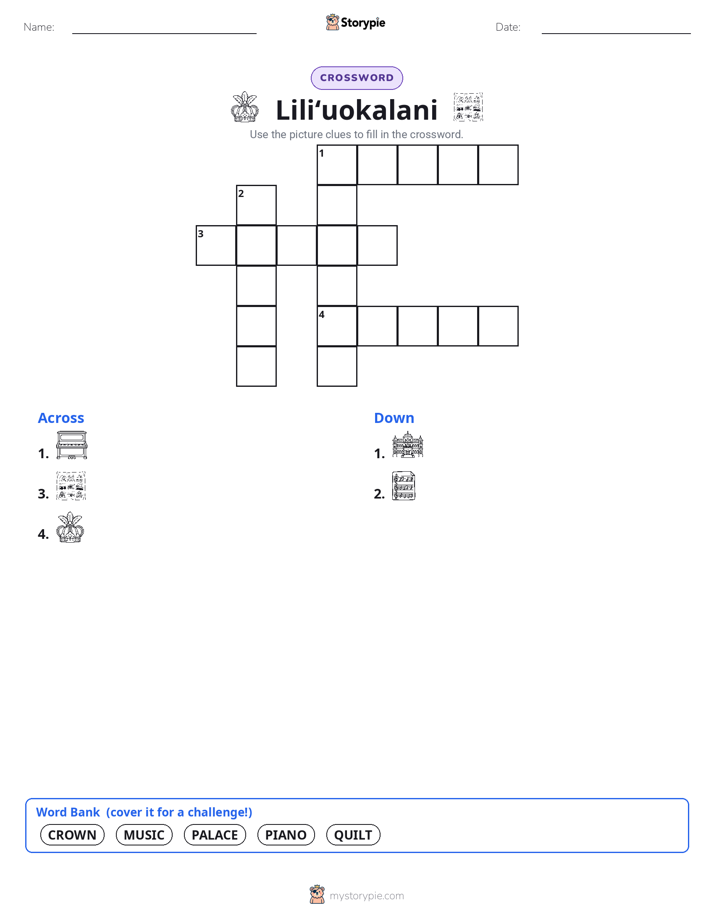
Two years later, in 1895, a group of Hawaiian royalists attempted to stage a counter-revolution to restore the monarchy. The attempt failed, and the provisional government used it as an excuse to punish those who were loyal to the kingdom. I was arrested and falsely accused of knowing about the plan. After a trial, I was found guilty and imprisoned in an upstairs room of my own home, the beautiful ʻIolani Palace, for nearly eight months. During this lonely and difficult time, I refused to let my spirit be broken. I spent my days reading, sewing a beautiful quilt that told the story of my life, and composing music. It was during my imprisonment that I finished one of my most famous and beloved songs, 'Aloha ʻOe,' which means 'Farewell to Thee.' The song speaks of a loving farewell but also carries a deep hope that we will meet again. To save the lives of my supporters who had been arrested and sentenced to death for their part in the uprising, I was forced to make a terrible choice. On January 24th, 1895, I formally gave up my claim to the throne.
Even after the United States officially annexed Hawaiʻi in 1898, I never gave up. I continued to fight for the rights of my people and for justice for our nation. I traveled all the way to Washington, D.C., to meet with leaders and advocate for Hawaiian sovereignty and the return of our Crown Lands, which had been taken from us. My life was dedicated to the well-being of the Hawaiian people until the very end. I lived to be 79 years old. Today, I am remembered as a strong and compassionate leader who faced injustice with immense dignity and grace. My legacy lives on not only in the history of Hawaiʻi but also in the music I created. My song 'Aloha ʻOe' is still sung all over the world, a beautiful melody that carries the spirit of Hawaiʻi and a universal message of love, farewell, and peace.
Wow facts
About
Liliʻuokalani was the first queen regnant and the last sovereign monarch of the Kingdom of Hawaiʻi. A talented composer, she is remembered for her song 'Aloha ʻOe' and her efforts to preserve Hawaiian independence.
Take a Quiz
Question 1 of 5
Retell the key events that led to Queen Liliʻuokalani losing her throne.
Explore next





Want to do even more?
Go beyond exploring. Unlock tools that turn every story into real learning.

Storypie Plus for families
Full stories, quizzes, and printables. Nights and car rides, sorted.
- Unlimited audio stories
- Create Mode: your child stars in the story
- Offline downloads
- Printable worksheets & coloring pages

Why Storypie for Schools
Students engaged. Prep in seconds. Evenings back to you.
- Worksheets & Quizzes
- Classroom Management
- Formative Assessment
- Custom Curriculum & Lesson Plans
- 27 Languages

Why Storypie for Homeschool
Curriculum done. They'll ask for more. Hours back in your day.
- Worksheet Generator
- First-Person Audio Stories
- Built-in Comprehension Quizzes
- Custom Curriculum & Lesson Plans
- Print & Go Activities