English

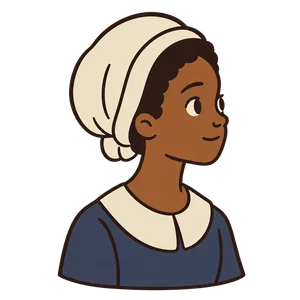
Phillis Wheatley
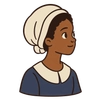
Phillis Wheatley was the first African American woman to publish a book of poetry.
Reads at Grades 6–8 Listens at Grades 4–8
Print & create
Answer keys·No prep·Free with an account
28 worksheets · answer keys · full story · quiz · Ages 10-12 · CEFR B2
Plus adds 290,000+ more stories in 27 languages, audio for every one, and printables for all of them.
Just want Phillis Wheatley?
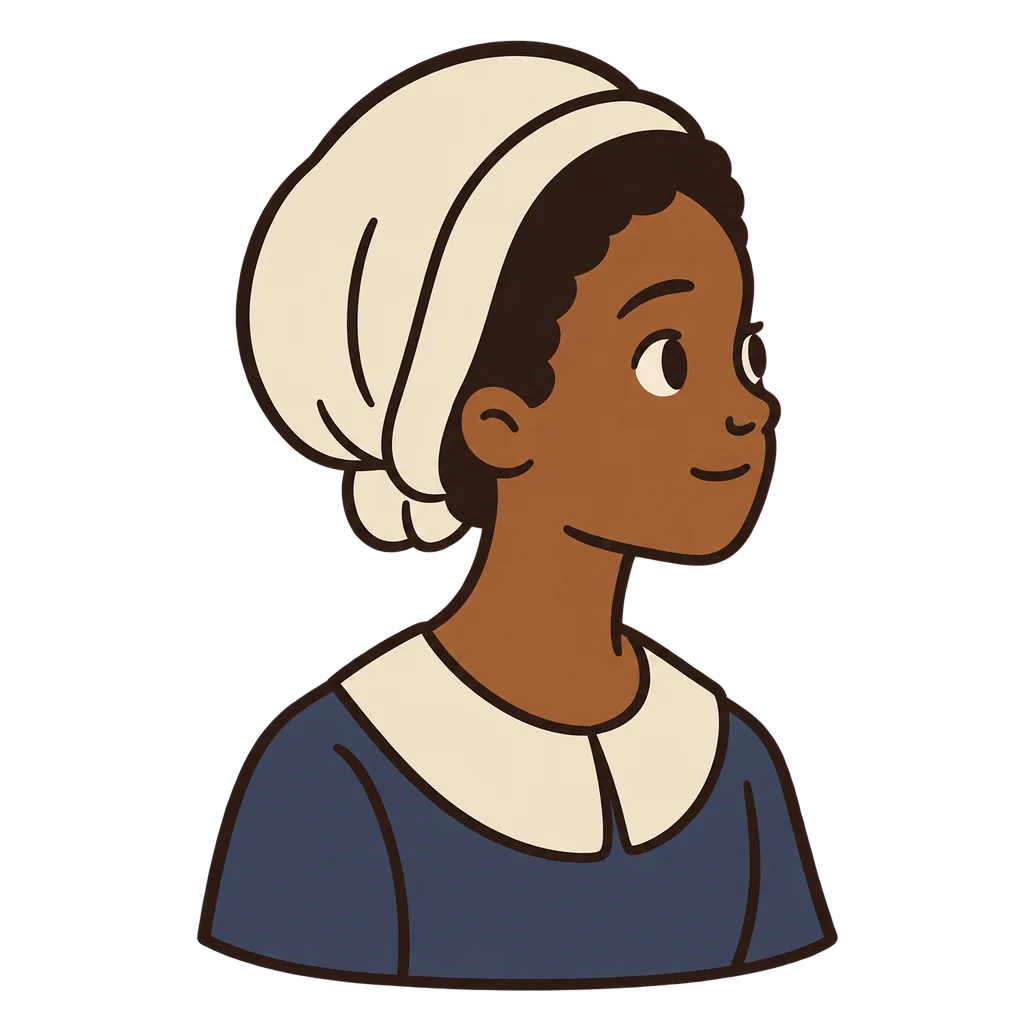
Hello. I would like to tell you my story. My name is Phillis Wheatley, but that was not the name I was given at birth. I was born around the year 1753 in West Africa, a place I remember for its warm sun. My life changed forever when I was about seven years old. I was captured, taken from my home, and forced to cross the vast Atlantic Ocean on a ship called The Phillis. In the summer of 1761, the ship arrived in a city that felt cold and strange to me: Boston, Massachusetts. There, a merchant named John Wheatley and his wife, Susanna, purchased me to serve in their household. They gave me a new name, Phillis, after the very ship that had carried me so far from home.
Life in the Wheatley household was different than it was for many enslaved people. The Wheatleys' twin children, Mary and Nathaniel, soon noticed my deep curiosity. Instead of only giving me household chores, they began to teach me how to read and write English. This was highly unusual at the time. I quickly discovered a deep love for words and learning. I read every book I could get my hands on, from the Bible to classic stories originally written in Latin and Greek. It wasn't long before I moved from reading words to creating my own. I began to write poetry, pouring my thoughts and feelings onto the page. In 1767, when I was around fourteen years old, a local newspaper published my very first poem. Many people were astonished that a young, enslaved African girl could write with such skill and elegance.
As my poetry became more known, some people in society refused to believe that I was the true author. They could not imagine that someone like me—young, female, and enslaved—could create such works. To settle the matter, in 1772, I had to undergo an examination. I stood before a group of eighteen of Boston’s most educated and influential men, including the governor of Massachusetts. They questioned me intensely about classic literature, history, and the Bible to test my knowledge. I answered every question they asked, and in the end, they were convinced. They signed a formal document, an attestation, declaring that I was indeed the author of my poems. With their official support, I hoped to publish a book of my poetry, but no publisher in America was willing to print it. Determined, I sailed to London, England, with Nathaniel Wheatley in 1773 to find someone who would.
Phillis Wheatley: A Voice in Verse
Hello. I would like to tell you my story. My name is Phillis Wheatley, but that was not the name I was given at birth. I was born around the year 1753 in West Africa, a place I remember for its warm sun. My life changed forever when I was about seven years old. I was captured, taken from my home, and forced to cross the vast Atlantic Ocean on a ship called The Phillis. In the summer of 1761, the ship arrived in a city that felt cold and strange to me: Boston, Massachusetts. There, a merchant named John Wheatley and his wife, Susanna, purchased me to serve in their household. They gave me a new name, Phillis, after the very ship that had carried me so far from home.
Life in the Wheatley household was different than it was for many enslaved people. The Wheatleys' twin children, Mary and Nathaniel, soon noticed my deep curiosity. Instead of only giving me household chores, they began to teach me how to read and write English. This was highly unusual at the time. I quickly discovered a deep love for words and learning. I read every book I could get my hands on, from the Bible to classic stories originally written in Latin and Greek. It wasn't long before I moved from reading words to creating my own. I began to write poetry, pouring my thoughts and feelings onto the page. In 1767, when I was around fourteen years old, a local newspaper published my very first poem. Many people were astonished that a young, enslaved African girl could write with such skill and elegance.
As my poetry became more known, some people in society refused to believe that I was the true author. They could not imagine that someone like me—young, female, and enslaved—could create such works. To settle the matter, in 1772, I had to undergo an examination. I stood before a group of eighteen of Boston’s most educated and influential men, including the governor of Massachusetts. They questioned me intensely about classic literature, history, and the Bible to test my knowledge. I answered every question they asked, and in the end, they were convinced. They signed a formal document, an attestation, declaring that I was indeed the author of my poems. With their official support, I hoped to publish a book of my poetry, but no publisher in America was willing to print it. Determined, I sailed to London, England, with Nathaniel Wheatley in 1773 to find someone who would.
London was a grand and bustling city, and there I finally found the support I had been looking for. A well-known countess took an interest in my work and helped me find a publisher. On September 1st, 1773, my book, 'Poems on Various Subjects, Religious and Moral,' was published. It was a monumental achievement. I became the first African American, and only the third American woman, to publish a book of poetry. Holding my book in my hands was one of the proudest moments of my life. My journey had been long and difficult, but my words were now out in the world for all to read. Soon after this success, I returned to Boston, where the Wheatley family granted me my freedom. After years of bondage, I was no longer enslaved.
My personal freedom arrived during a time of great change for the country—the American Revolution was beginning. I deeply believed in the cause of liberty for all people, and I expressed these feelings in my writing. In 1775, I wrote a poem in honor of General George Washington, praising his leadership in the fight for independence. He was so impressed by the poem that he wrote back to me and, in March of 1776, invited me to meet him at his headquarters in Cambridge, Massachusetts, an invitation I gratefully accepted. Two years later, in 1778, I married a free Black man named John Peters. However, life as a free Black woman in a society still grappling with slavery and inequality was incredibly difficult. We struggled with severe poverty, and I experienced immense sorrow, losing three children when they were still infants. I continued to write and tried to publish a second book of poems, but I could not find the support I needed.
I lived to be 31 years old. My life came to an end on December 5th, 1784. Though my later years were filled with hardship and my life was short, I never stopped believing in the power of words. My book of poems proved to the world that a person’s intelligence, creativity, and spirit cannot be limited by their circumstances or the color of their skin. Today, I am remembered as one of the founders of African American literature, a young woman from West Africa whose voice rose above the darkness of slavery to shine a light for generations to come.
Wow facts
About
Phillis Wheatley was the first African American woman to publish a book of poetry. Enslaved as a child, she learned to read and write, mastering multiple languages and becoming a celebrated poet in both America and England during the Revolutionary era.
Take a Quiz
Question 1 of 5
Retell the key events that led to Phillis Wheatley publishing her first book of poetry, starting from her arrival in Boston.
Explore next




Want to do even more?
Go beyond exploring. Unlock tools that turn every story into real learning.

Storypie Plus for families
Full stories, quizzes, and printables. Nights and car rides, sorted.
- Unlimited audio stories
- Create Mode: your child stars in the story
- Offline downloads
- Printable worksheets & coloring pages

Why Storypie for Schools
Students engaged. Prep in seconds. Evenings back to you.
- Worksheets & Quizzes
- Classroom Management
- Formative Assessment
- Custom Curriculum & Lesson Plans
- 27 Languages

Why Storypie for Homeschool
Curriculum done. They'll ask for more. Hours back in your day.
- Worksheet Generator
- First-Person Audio Stories
- Built-in Comprehension Quizzes
- Custom Curriculum & Lesson Plans
- Print & Go Activities