English

Queen Nzinga
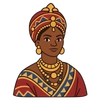
Queen Nzinga Mbande was a 17th-century queen of the Ndongo and Matamba Kingdoms in what is now Angola.
Reads at Grades 6–8 Listens at Grades 4–8
Print & create
Answer keys·No prep·Free with an account
28 worksheets · answer keys · full story · quiz · Ages 10-12 · CEFR B2
Plus adds 290,000+ more stories in 27 languages, audio for every one, and printables for all of them.
Just want Queen Nzinga?
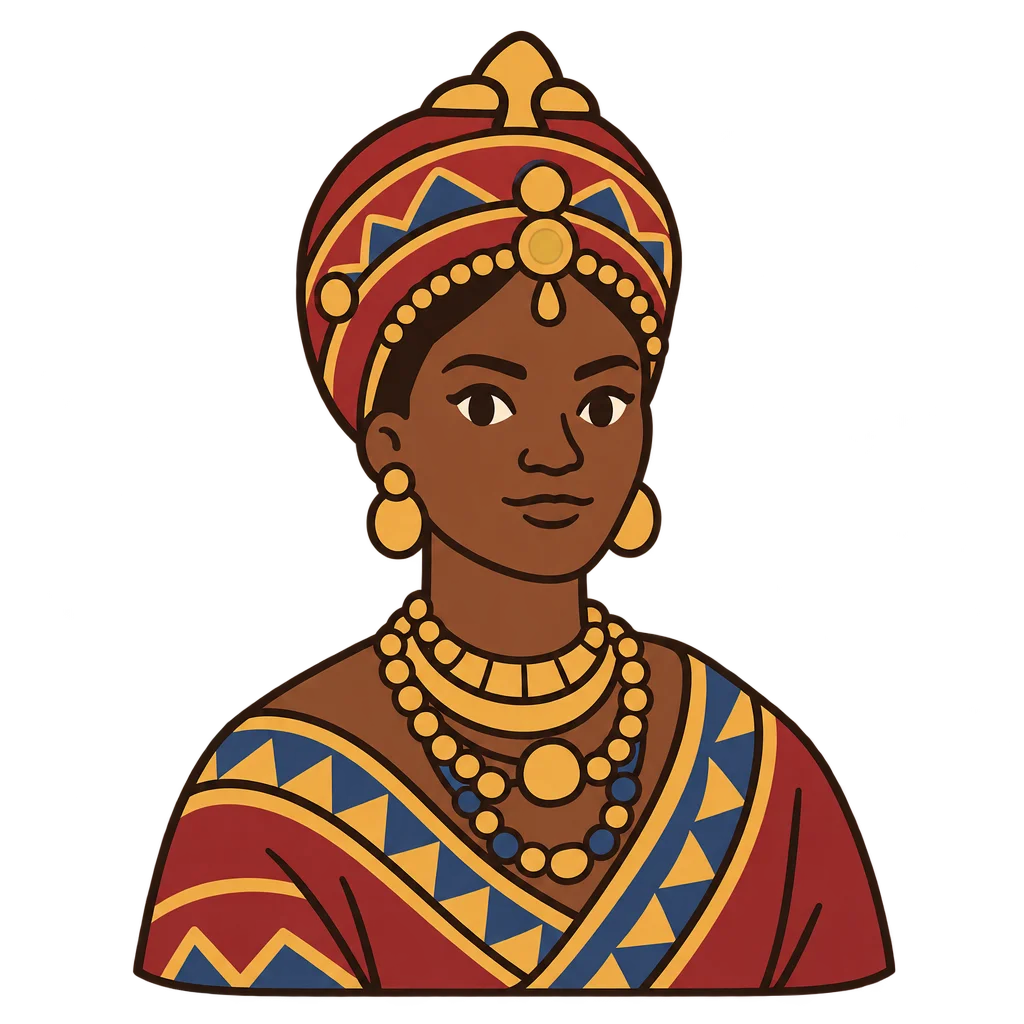
My name is Nzinga Mbande, and my story is one of resistance, diplomacy, and the fight for freedom. I was born around the year 1583 as a princess of the Mbundu people in the powerful Kingdom of Ndongo, located in what is now modern-day Angola in West-Central Africa. My world was one of rich traditions and strong leaders. My father, King Kiluanji, was a wise ruler who saw something special in me from a young age. Unlike many girls at the time, I was not kept away from matters of state. My father took me with him everywhere, teaching me the complex art of politics, the strategies of warfare, and the heavy responsibility of leadership. I listened during council meetings and watched as he commanded his armies. These early lessons shaped me into the leader I would become. But during my childhood, a dark cloud began to form on our horizon. Portuguese traders arrived on our shores, and their intentions were not peaceful. They wanted to control our land and, most terribly, to capture my people and force them into slavery.
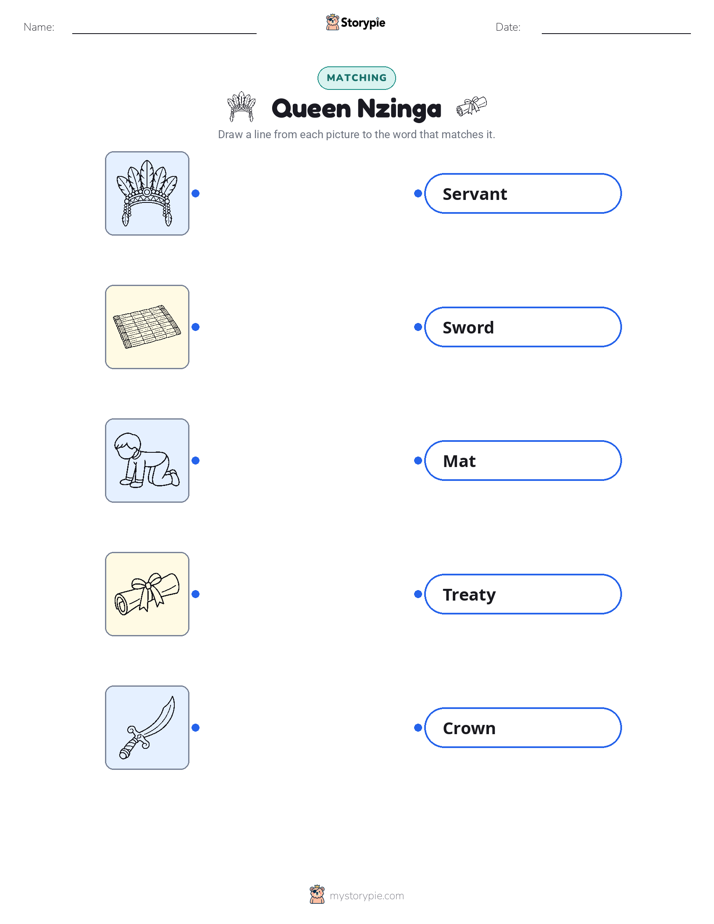
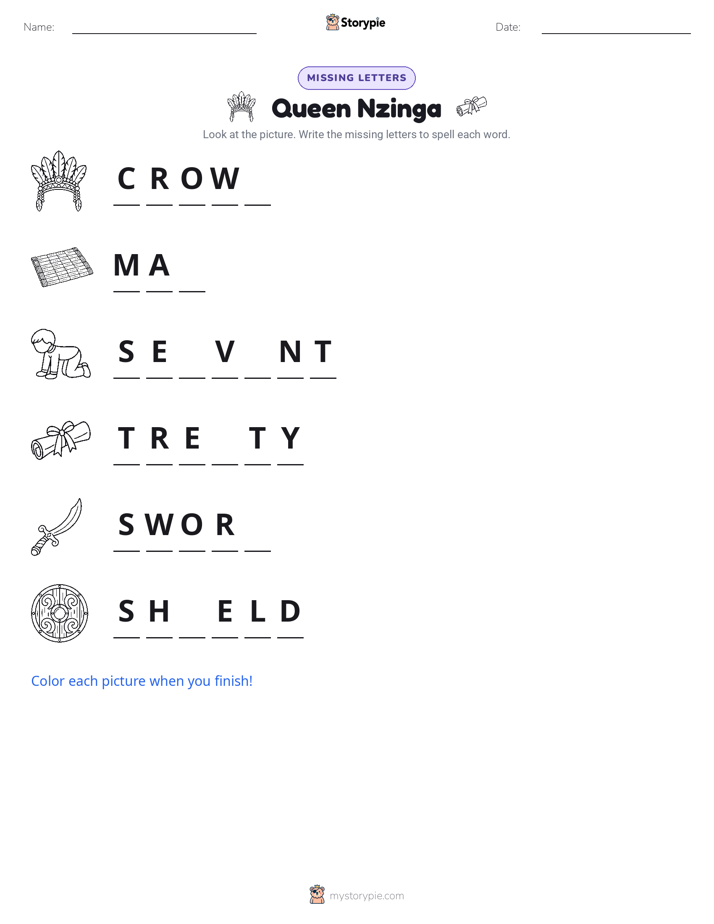
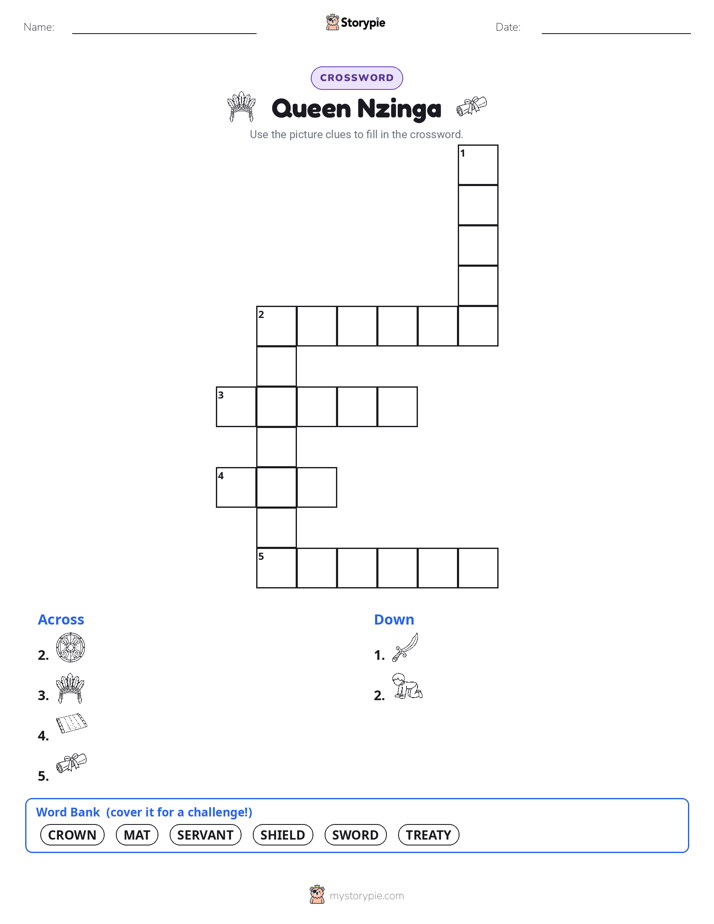
As I grew older, the threat from the Portuguese became more severe. When my brother, Ngola Mbande, became king, he found himself in a difficult position. He needed to negotiate with the Portuguese, but he required a representative who was not only brave but also incredibly clever and commanding. In 1622, he chose me for this critical mission and sent me as his envoy to the city of Luanda. There, I met with the Portuguese governor, João Correia de Sousa. The governor intended to show his superiority from the very start. In his meeting room, he had only one chair—his own—and offered me only a mat on the floor. To sit below him would have been to accept that he was my superior. I refused. Instead, I calmly gestured to one of my servants, who knelt on all fours, creating a human chair for me. I sat upon her back, meeting the governor's eyes at his own level. This act sent a clear message: I was his equal. With my intelligence and firm resolve, I successfully negotiated a peace treaty. As part of this political agreement, I agreed to be baptized as a Christian, taking the name Ana de Sousa, a strategic move to build trust and secure the treaty.
Queen Nzinga Mbande
My name is Nzinga Mbande, and my story is one of resistance, diplomacy, and the fight for freedom. I was born around the year 1583 as a princess of the Mbundu people in the powerful Kingdom of Ndongo, located in what is now modern-day Angola in West-Central Africa. My world was one of rich traditions and strong leaders. My father, King Kiluanji, was a wise ruler who saw something special in me from a young age. Unlike many girls at the time, I was not kept away from matters of state. My father took me with him everywhere, teaching me the complex art of politics, the strategies of warfare, and the heavy responsibility of leadership. I listened during council meetings and watched as he commanded his armies. These early lessons shaped me into the leader I would become. But during my childhood, a dark cloud began to form on our horizon. Portuguese traders arrived on our shores, and their intentions were not peaceful. They wanted to control our land and, most terribly, to capture my people and force them into slavery.
As I grew older, the threat from the Portuguese became more severe. When my brother, Ngola Mbande, became king, he found himself in a difficult position. He needed to negotiate with the Portuguese, but he required a representative who was not only brave but also incredibly clever and commanding. In 1622, he chose me for this critical mission and sent me as his envoy to the city of Luanda. There, I met with the Portuguese governor, João Correia de Sousa. The governor intended to show his superiority from the very start. In his meeting room, he had only one chair—his own—and offered me only a mat on the floor. To sit below him would have been to accept that he was my superior. I refused. Instead, I calmly gestured to one of my servants, who knelt on all fours, creating a human chair for me. I sat upon her back, meeting the governor's eyes at his own level. This act sent a clear message: I was his equal. With my intelligence and firm resolve, I successfully negotiated a peace treaty. As part of this political agreement, I agreed to be baptized as a Christian, taking the name Ana de Sousa, a strategic move to build trust and secure the treaty.
The peace I had worked so hard to achieve did not last. The Portuguese broke their promises, continuing their raids and attempts to conquer our lands. My heart ached for my people. Then, in 1624, a great tragedy struck when my brother died, and the responsibility of leadership fell to me. I became the ruler of Ndongo, but my path was not easy. Many nobles in my kingdom resisted the idea of a woman as their leader, questioning my right to rule. I had to prove that I was not just a princess or a diplomat, but a strong and capable sovereign who could protect them. The Portuguese saw this internal division as an opportunity. They launched a full-scale attack, and in 1626, their armies overwhelmed ours. I was forced to flee my own kingdom, taking my most loyal followers with me into the wilderness. We had lost our home, but I refused to let our hope be extinguished.
Forced from my homeland, I did not surrender to despair. I led my people through unfamiliar territories, searching for a place to rebuild and fight back. My journey led me to the neighboring Kingdom of Matamba. In 1631, I used my military knowledge to conquer this kingdom and establish myself as its queen. Matamba became my new, powerful base of operations. From there, I launched a fierce resistance against the Portuguese that would span more than thirty years. I proved to be a brilliant military strategist, studying my enemy and using their weaknesses against them. I understood the importance of allies, so I formed strategic partnerships with other African groups who also wished to drive out the invaders. I even allied with the Dutch, who were rivals of the Portuguese, creating a powerful coalition. I did not command from a distance; I often led my armies into battle myself, riding alongside my warriors and inspiring them with my unwavering courage.
After decades of relentless fighting, a final, lasting peace was achieved. In 1656, I signed a treaty with the Portuguese that officially recognized the independence of my kingdom. My long struggle had finally secured my people's freedom. I spent my final years not at war, but as a builder. I focused on strengthening Matamba, encouraging trade, and creating a stable and prosperous future for the generations that would follow me. I lived to be about 80 years old and passed away on December 17th, 1663, leaving behind a strong and independent nation. Today, I am remembered across Africa and the world as a powerful symbol of resistance against colonial rule, a masterful diplomat, and a fearless warrior queen who never gave up the fight for her people. My story serves as a reminder that true leaders protect their people, no matter the cost.
Wow facts
About
Queen Nzinga Mbande was a 17th-century queen of the Ndongo and Matamba Kingdoms in what is now Angola. She is remembered as a brilliant diplomat and military leader who fought against the Portuguese Empire's colonial expansion and slave trade for decades.
Take a Quiz
Question 1 of 5
In your own words, summarize the main challenge Queen Nzinga faced throughout her life.
Explore next






Want to do even more?
Go beyond exploring. Unlock tools that turn every story into real learning.

Storypie Plus for families
Full stories, quizzes, and printables. Nights and car rides, sorted.
- Unlimited audio stories
- Create Mode: your child stars in the story
- Offline downloads
- Printable worksheets & coloring pages

Why Storypie for Schools
Students engaged. Prep in seconds. Evenings back to you.
- Worksheets & Quizzes
- Classroom Management
- Formative Assessment
- Custom Curriculum & Lesson Plans
- 27 Languages

Why Storypie for Homeschool
Curriculum done. They'll ask for more. Hours back in your day.
- Worksheet Generator
- First-Person Audio Stories
- Built-in Comprehension Quizzes
- Custom Curriculum & Lesson Plans
- Print & Go Activities