English

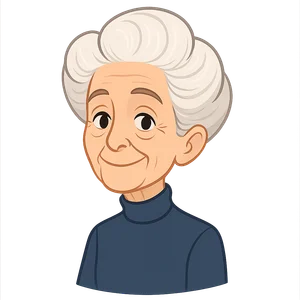
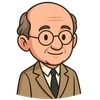
Rita Levi-Montalcini
Rita Levi-Montalcini was an Italian neurobiologist who was awarded the 1986 Nobel Prize in Physiology or…
Reads at Grades 3–5 Listens at Grades 1–5
Print & create
Answer keys·No prep·Free with an account
28 worksheets · answer keys · full story · quiz · Ages 8-10 · CEFR B1
Plus adds 279,000+ more stories in 27 languages, audio for every one, and printables for all of them.
Just want Rita Levi-Montalcini?
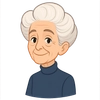
Hello! My name is Rita Levi-Montalcini, and I want to tell you my story. I was born on April 22nd, 1909, in a beautiful city called Turin, in Italy. I had a twin sister named Paola, who grew up to become a wonderful artist. When I was a little girl, I loved to read and learn about the world. In my time, it was common for people to think that girls should not have big careers. My own father believed that a girl's main job was to become a good wife and mother. But I had a different dream for my life. In 1930, after a close family friend passed away from cancer, I knew what I wanted to do. I decided I wanted to become a doctor so I could help people. I spoke to my father and convinced him to let me study, and soon I enrolled at the University of Turin to study medicine. I was so excited to finally begin my journey into science.
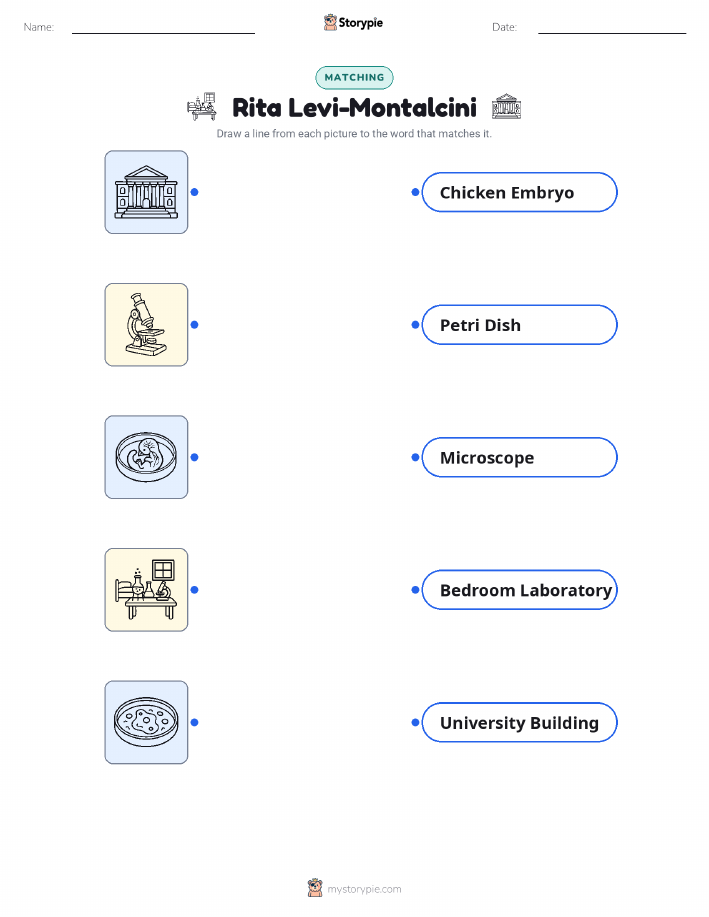
My studies were going very well, but in 1938, a dark time began in Italy. The country's leader, Benito Mussolini, passed terrible laws called the 'Manifesto of Race'. Because I was Jewish, these new laws meant that I was not allowed to work at the university or have a professional career. I was forced to leave my job. But I refused to give up my dream. I decided that if I could not work in a big university lab, I would simply make one of my own. Right there in my very own bedroom, I built a small laboratory. I used sewing needles for my tools and studied tiny chicken embryos to learn how their nerves grew. It was my secret world of science, hidden away while the world outside was in the middle of World War II.
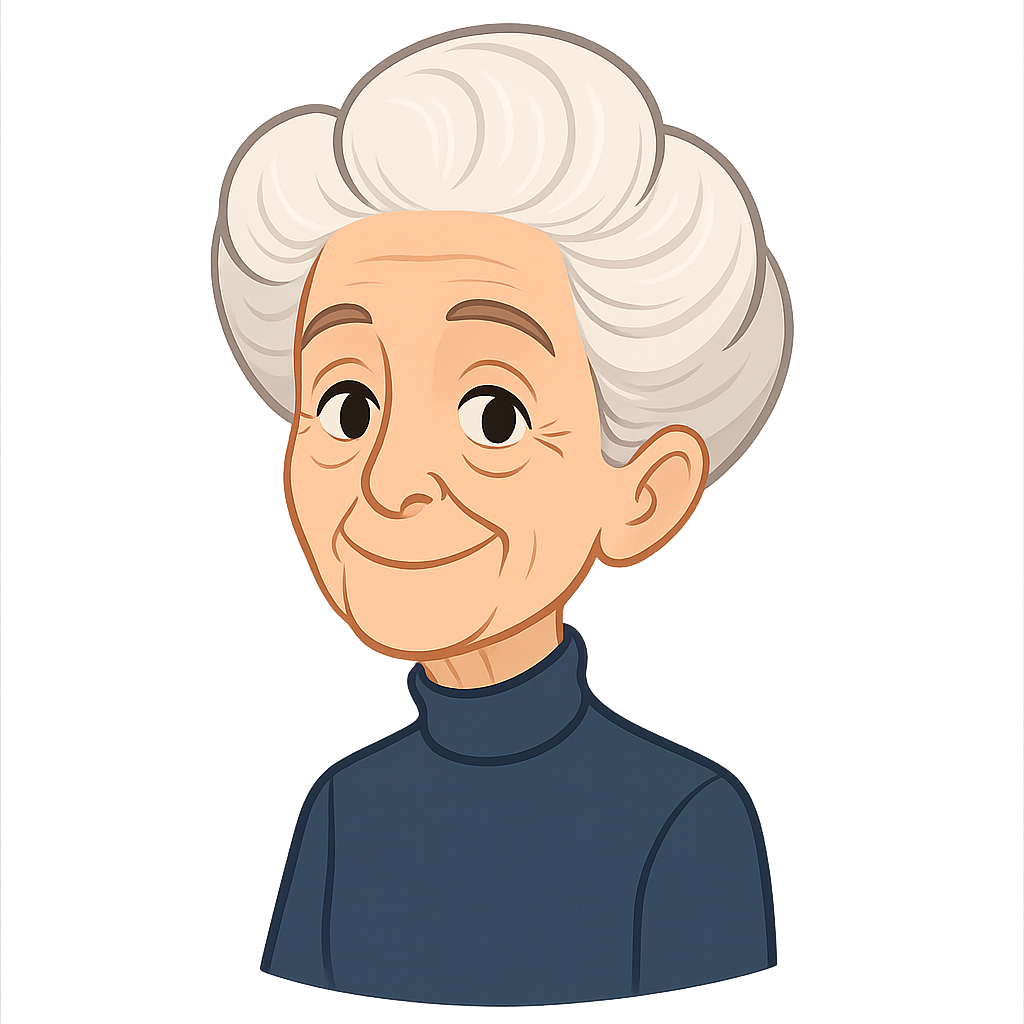
Rita Levi-Montalcini
Hello! My name is Rita Levi-Montalcini, and I want to tell you my story. I was born on April 22nd, 1909, in a beautiful city called Turin, in Italy. I had a twin sister named Paola, who grew up to become a wonderful artist. When I was a little girl, I loved to read and learn about the world. In my time, it was common for people to think that girls should not have big careers. My own father believed that a girl's main job was to become a good wife and mother. But I had a different dream for my life. In 1930, after a close family friend passed away from cancer, I knew what I wanted to do. I decided I wanted to become a doctor so I could help people. I spoke to my father and convinced him to let me study, and soon I enrolled at the University of Turin to study medicine. I was so excited to finally begin my journey into science.
My studies were going very well, but in 1938, a dark time began in Italy. The country's leader, Benito Mussolini, passed terrible laws called the 'Manifesto of Race'. Because I was Jewish, these new laws meant that I was not allowed to work at the university or have a professional career. I was forced to leave my job. But I refused to give up my dream. I decided that if I could not work in a big university lab, I would simply make one of my own. Right there in my very own bedroom, I built a small laboratory. I used sewing needles for my tools and studied tiny chicken embryos to learn how their nerves grew. It was my secret world of science, hidden away while the world outside was in the middle of World War II.
After the war finally ended, word of my secret research began to spread to other scientists. In 1947, a kind professor named Viktor Hamburger invited me to come to the United States to continue my work. He wanted me to join him at Washington University in St. Louis, Missouri. The original plan was for me to stay for only a few months, but the research was so fascinating and important that I ended up staying for 30 years. It was a wonderful place to work, with all the resources I needed and so many other curious scientists to talk with. It was in this new country that I would make the biggest and most important discovery of my life.
In my lab in St. Louis, I began working with a brilliant biochemist named Stanley Cohen. Together, in the early 1950s, we tried to solve a big puzzle about the human body: what tells nerve cells when and where to grow? It was a question that no one had been able to answer. After many experiments, we finally discovered a special protein. When we put this protein near nerve cells, we watched in amazement as they started to grow and branch out like tiny trees. We had found a secret ingredient for life. We decided to name our discovery Nerve Growth Factor, or NGF for short. It was a thrilling moment because we knew this could help us understand how to heal the human body in a whole new way.
For many years after our discovery, Stanley and I continued our important work on NGF. Then, one morning in 1986, I received a phone call that changed my life. The person on the phone told me that we had won the Nobel Prize in Physiology or Medicine. It is one of the biggest and most respected awards a scientist can receive, and I was so proud that our hard work was being celebrated. After my time in America, I returned to Italy and started a research institute in Rome to continue my work. Later, in 2001, my country gave me a great honor when I was made a Senator for Life in the Italian parliament, which allowed me to help make important decisions for my country.
I lived a very long and happy life filled with curiosity and discovery. I lived to be 103 years old. The Nerve Growth Factor I helped discover is still teaching scientists today about how to fight diseases like Alzheimer's and even some types of cancer. I hope my story shows you that you should never let anyone tell you what you can or cannot do. Always follow your passion, be brave, and never, ever stop asking questions. The world is full of amazing things to discover.
Wow facts
About
Rita Levi-Montalcini was an Italian neurobiologist who was awarded the 1986 Nobel Prize in Physiology or Medicine jointly with her colleague Stanley Cohen for their discovery of Nerve Growth Factor (NGF).
Take a Quiz
Question 1 of 5
What did I build in my bedroom during World War II so I could continue my work?
Explore next



Want to do even more?
Go beyond exploring. Unlock tools that turn every story into real learning.

Storypie Plus for families
Full stories, quizzes, and printables. Nights and car rides, sorted.
- Unlimited audio stories
- Create Mode: your child stars in the story
- Offline downloads
- Printable worksheets & coloring pages

Why Storypie for Schools
Students engaged. Prep in seconds. Evenings back to you.
- Worksheets & Quizzes
- Classroom Management
- Formative Assessment
- Custom Curriculum & Lesson Plans
- 27 Languages

Why Storypie for Homeschool
Curriculum done. They'll ask for more. Hours back in your day.
- Worksheet Generator
- First-Person Audio Stories
- Built-in Comprehension Quizzes
- Custom Curriculum & Lesson Plans
- Print & Go Activities