English

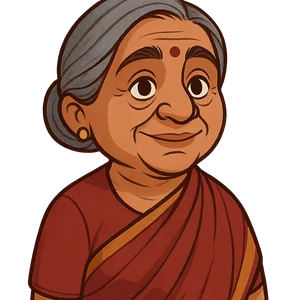
Sarojini Naidu
Sarojini Naidu was a celebrated Indian poet and a pivotal figure in India's struggle for independence.
Reads at Grades 6–8 Listens at Grades 4–8
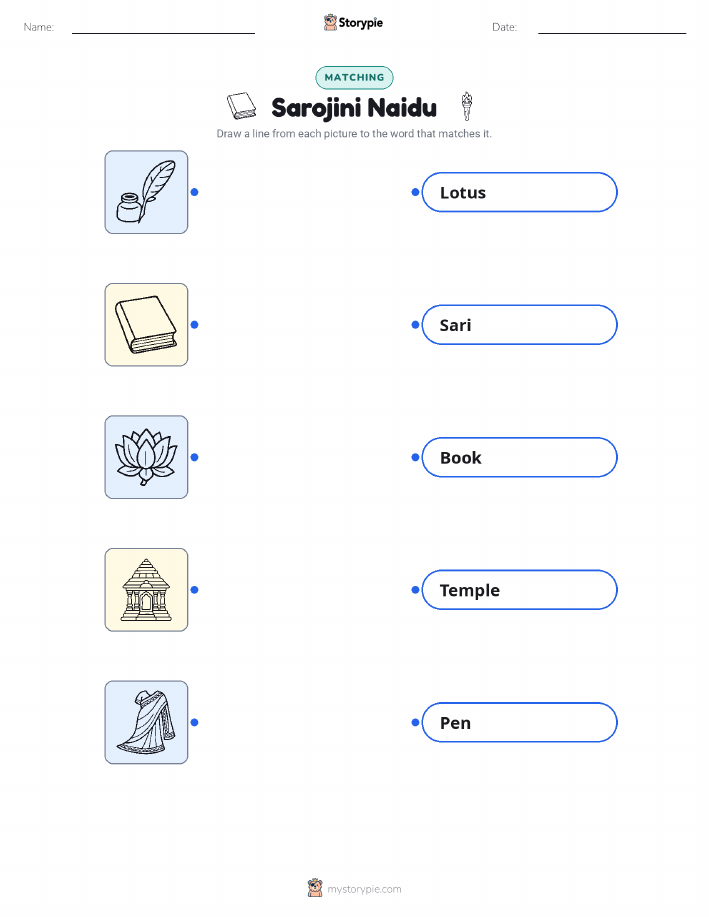
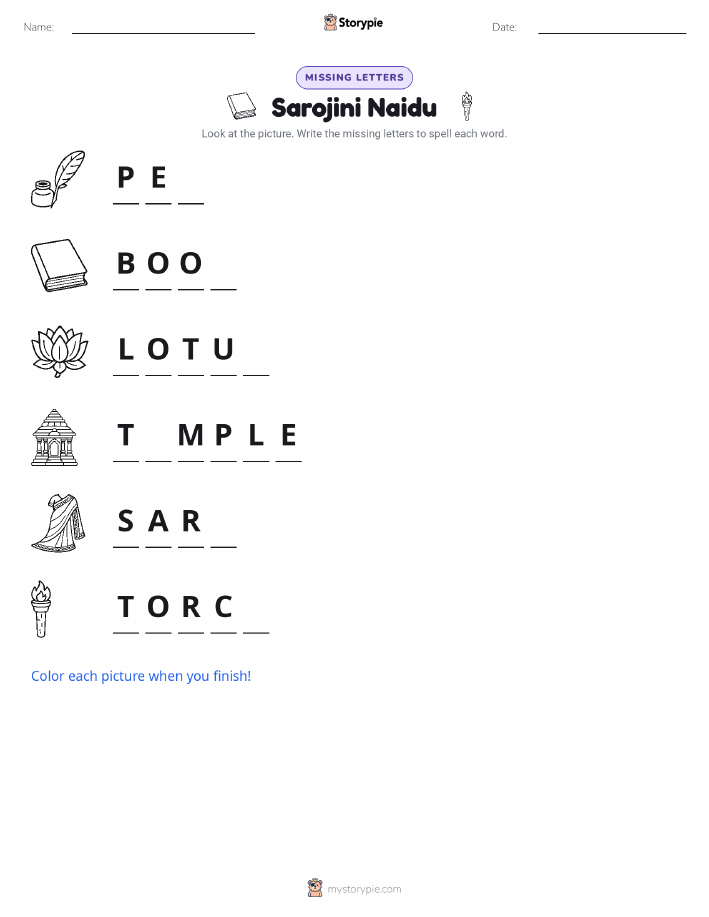
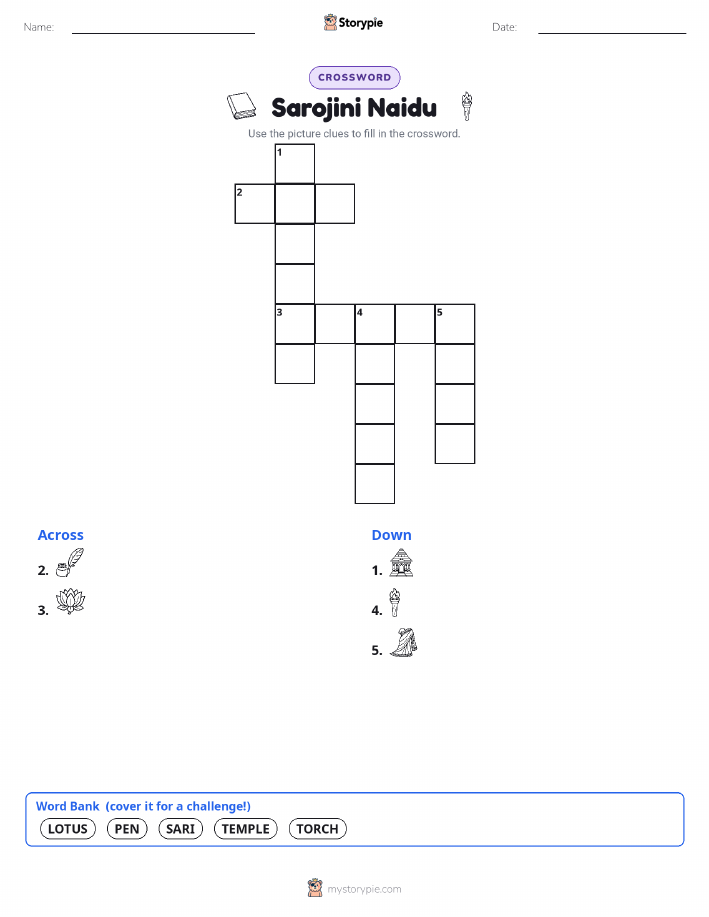
Print & create
Answer keys·No prep·Free with an account
28 worksheets · answer keys · full story · quiz · Ages 10-12 · CEFR B2
Plus adds 279,000+ more stories in 27 languages, audio for every one, and printables for all of them.
Just want Sarojini Naidu?
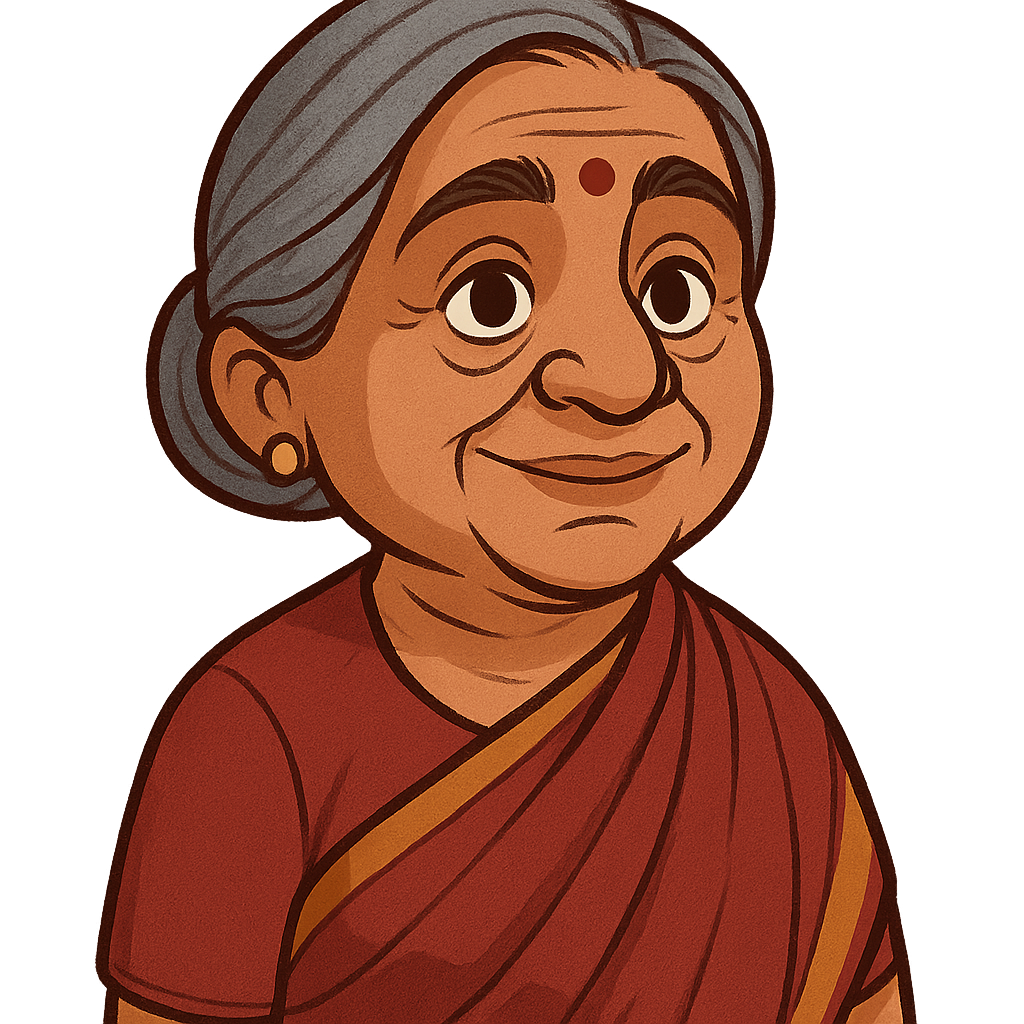
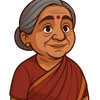
Hello, my name is Sarojini Naidu, and I want to share my story with you. My life was a journey that began with poetry and led me to help my country find its freedom. I was born on February 13th, 1879, in a vibrant city in India called Hyderabad. My home was filled with learning and creativity. My father was a brilliant scientist, and my mother was a gifted poet who wrote beautiful verses in the Bengali language. Surrounded by their passion for knowledge and art, I fell in love with words from a very young age. I spent my days reading and writing, and when I was just 13 years old, I composed my first long poem, a piece called 'The Lady of the Lake.' Even then, I knew that words had the power to create entire worlds and express the deepest feelings of the heart.
When I turned 16 years old in 1895, I embarked on a great adventure, traveling far from my home in India to study in England. I attended King's College London and later Girton College at the University of Cambridge. Life in England was very different from what I had known, but it was an exciting time of learning and growth. I met many writers and thinkers who read my poems and encouraged me to continue writing. They gave me some of the most important advice of my life: they told me to write about what I knew best. They encouraged me to fill my poems with the sights and sounds of my own country—the majestic mountains, the flowing rivers, the ancient temples, and the diverse people of India. This guidance helped me find my true voice as a poet and set me on the path to celebrating my homeland through my art.
Sarojini Naidu: The Nightingale of India
Hello, my name is Sarojini Naidu, and I want to share my story with you. My life was a journey that began with poetry and led me to help my country find its freedom. I was born on February 13th, 1879, in a vibrant city in India called Hyderabad. My home was filled with learning and creativity. My father was a brilliant scientist, and my mother was a gifted poet who wrote beautiful verses in the Bengali language. Surrounded by their passion for knowledge and art, I fell in love with words from a very young age. I spent my days reading and writing, and when I was just 13 years old, I composed my first long poem, a piece called 'The Lady of the Lake.' Even then, I knew that words had the power to create entire worlds and express the deepest feelings of the heart.
When I turned 16 years old in 1895, I embarked on a great adventure, traveling far from my home in India to study in England. I attended King's College London and later Girton College at the University of Cambridge. Life in England was very different from what I had known, but it was an exciting time of learning and growth. I met many writers and thinkers who read my poems and encouraged me to continue writing. They gave me some of the most important advice of my life: they told me to write about what I knew best. They encouraged me to fill my poems with the sights and sounds of my own country—the majestic mountains, the flowing rivers, the ancient temples, and the diverse people of India. This guidance helped me find my true voice as a poet and set me on the path to celebrating my homeland through my art.
In 1898, I returned to India and married Dr. Govindarajulu Naidu, a wonderful man whom I loved dearly. We built a family together as I continued to pour my heart into my writing. My first collection of poems, titled 'The Golden Threshold,' was published in 1905. The poems in this book were like songs that painted pictures of Indian life, from bustling bazaars to quiet gardens. People connected with the beauty and emotion in my words, and my poetry became known across the country. Because my poems were so musical and full of life, many people began to call me 'The Nightingale of India,' or 'Bharatiya Kokila' in my own language. It brought me immense joy to know that my words could share the rich culture and spirit of my homeland with the world.
While poetry was my first love, my heart began to hear a different call. As I grew older, I saw more clearly that my beloved country was not free. India was under the rule of the British Empire, and many of my people were struggling for their rights and dignity. My life took a significant turn in 1914 when I met a remarkable leader named Mahatma Gandhi. His dedication to truth, nonviolence, and freedom for India was deeply inspiring. He encouraged me to use my voice not just to write poems, but to speak out for justice and independence. I realized that my ability to connect with people through words could be a powerful tool in the fight for freedom. I joined the Indian National Congress, a political party working for independence, and began traveling across the country, giving speeches to awaken a sense of pride and courage in the Indian people.
I fully dedicated myself to the cause of India's independence and soon became a prominent leader in the movement. In 1925, I was given a tremendous honor when I was elected as the President of the Indian National Congress, becoming the first Indian woman to hold that position. It was a powerful statement that women were essential to building a new and free India. I worked closely with Mahatma Gandhi and other leaders, participating in many protests. In 1930, I joined him on the famous Salt March, a peaceful protest against an unfair British tax on salt that stretched for hundreds of miles. The path to freedom was not easy. For my work, I was arrested by the British authorities and put in jail several times. Despite these hardships, my spirit was never broken, and I never gave up hope for a free India.
After decades of tireless struggle by millions of people, our dream finally became a reality. On August 15th, 1947, India gained its independence from British rule. It was one of the most emotional and joyous days of my life, a moment when all our sacrifices felt worthwhile. In that same year, I was given a new role in our new nation. I was appointed the governor of a large state called the United Provinces, making me the first woman to hold such a position in India. I was filled with pride and a great sense of responsibility as I took on the task of helping to build our young country, ensuring that the foundations of our new government were strong and just.
I lived to be 70 years old, and my life came to an end on March 2nd, 1949. My journey was filled with both the quiet beauty of poetry and the loud, determined call for justice. Today, I am remembered as both the 'Nightingale of India,' whose poems celebrated the soul of my nation, and as a fearless freedom fighter who helped shape its future. I hope my story shows you that a single voice, whether expressed in a poem or a speech, holds incredible power. It can inspire people, challenge injustice, and truly help change the world for the better.
Wow facts
About
Sarojini Naidu was a celebrated Indian poet and a pivotal figure in India's struggle for independence. Known as 'The Nightingale of India,' she was also the first Indian woman to serve as the president of the Indian National Congress and the first woman to be appointed governor of an Indian state.
Take a Quiz
Question 1 of 5
Why was Sarojini Naidu known as 'The Nightingale of India'?
Explore next



Want to do even more?
Go beyond exploring. Unlock tools that turn every story into real learning.

Storypie Plus for families
Full stories, quizzes, and printables. Nights and car rides, sorted.
- Unlimited audio stories
- Create Mode: your child stars in the story
- Offline downloads
- Printable worksheets & coloring pages

Why Storypie for Schools
Students engaged. Prep in seconds. Evenings back to you.
- Worksheets & Quizzes
- Classroom Management
- Formative Assessment
- Custom Curriculum & Lesson Plans
- 27 Languages

Why Storypie for Homeschool
Curriculum done. They'll ask for more. Hours back in your day.
- Worksheet Generator
- First-Person Audio Stories
- Built-in Comprehension Quizzes
- Custom Curriculum & Lesson Plans
- Print & Go Activities