English

Sir Ronald Ross
Sir Ronald Ross was a British doctor and Nobel Prize winner who discovered that malaria is transmitted by…
Reads at Grades 6–8 Listens at Grades 4–8
Print & create
Answer keys·No prep·Free with an account
28 worksheets · answer keys · full story · quiz · Ages 10-12 · CEFR B2
Plus adds 244,000+ more stories in 27 languages, audio for every one, and printables for all of them.
Just want Sir Ronald Ross?
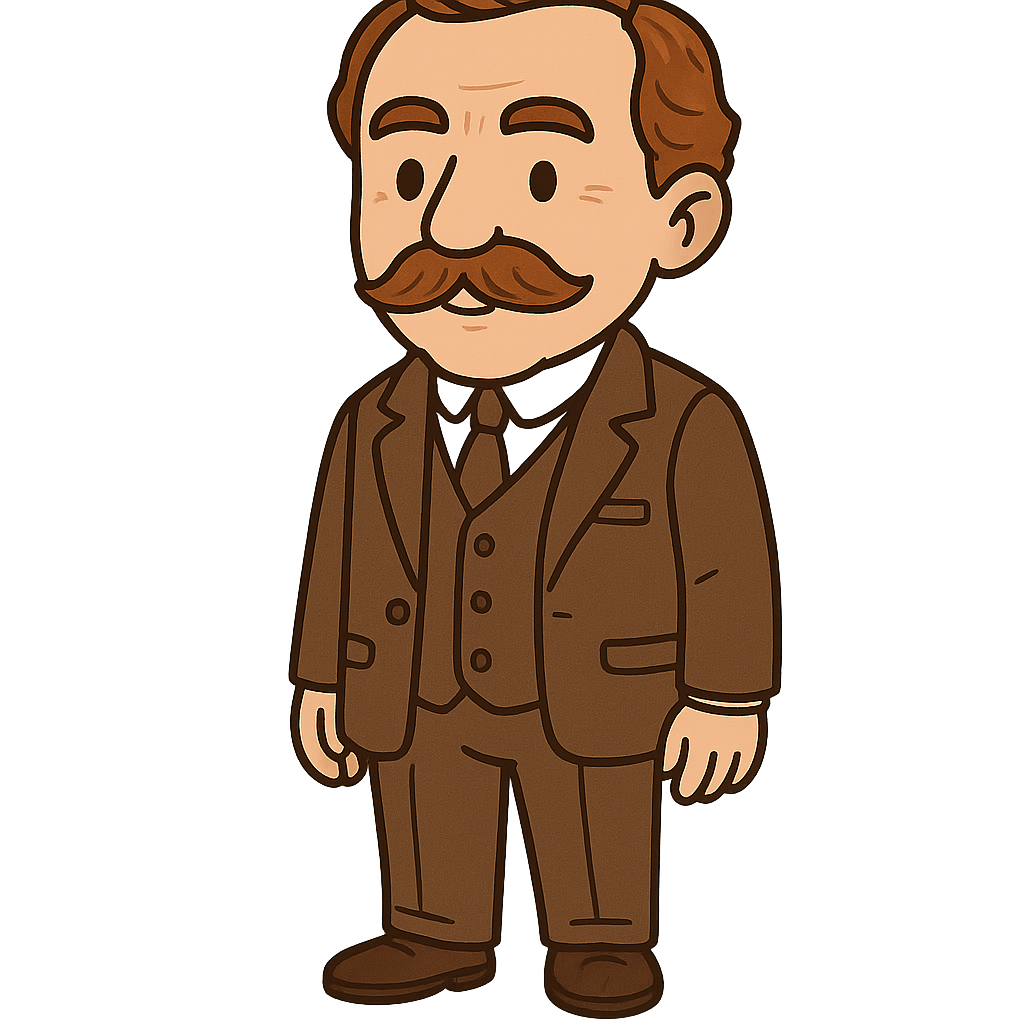
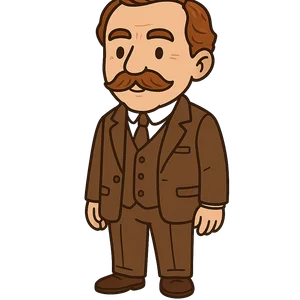
Hello! My name is Ronald Ross, and I want to tell you about a great medical mystery I helped solve. I was born on May 13th, 1857, in a beautiful town called Almora in India, nestled in the Himalayan mountains. The world around me was full of breathtaking scenery. My father was a general in the British Indian Army, and our family lived a life of service and discipline. While I had a deep passion for the arts—I loved painting, composing music, and writing poetry—my father had a different path in mind for me. He was insistent that I become a doctor. Following his wishes, in 1874, I traveled all the way to England to begin my medical studies. It was a completely different world, but I dedicated myself to my education. After I completed my training, I joined the Indian Medical Service in 1881 and returned to the country where I was born, ready to begin my career as a doctor.
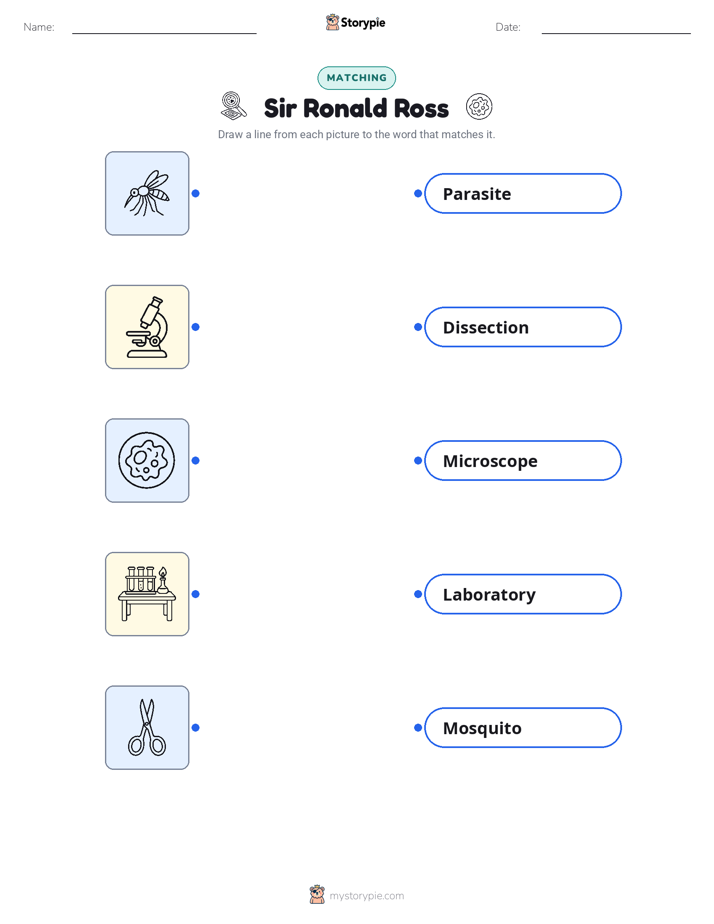
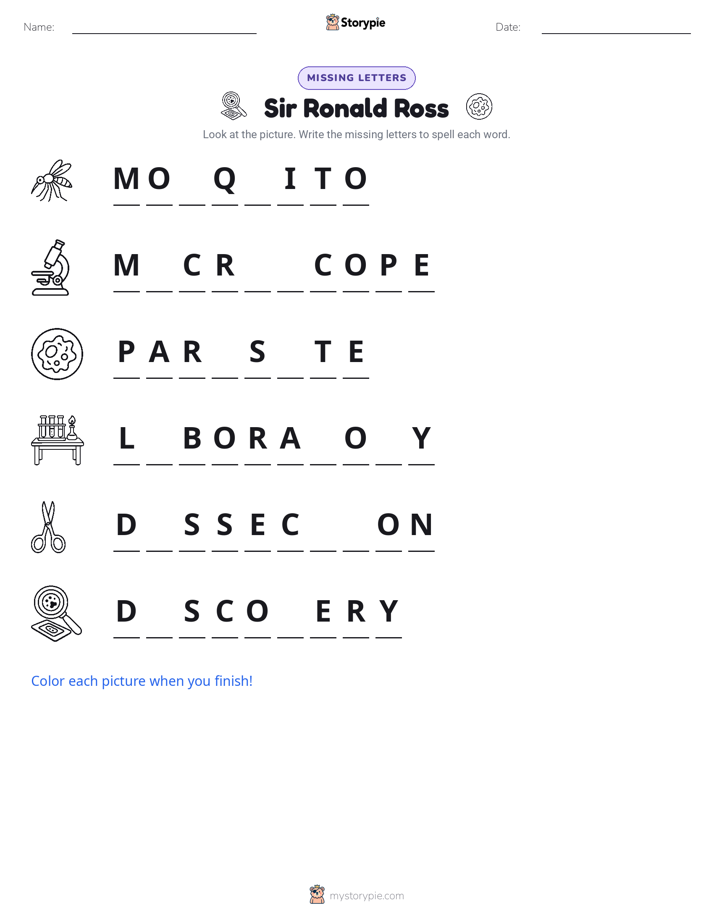
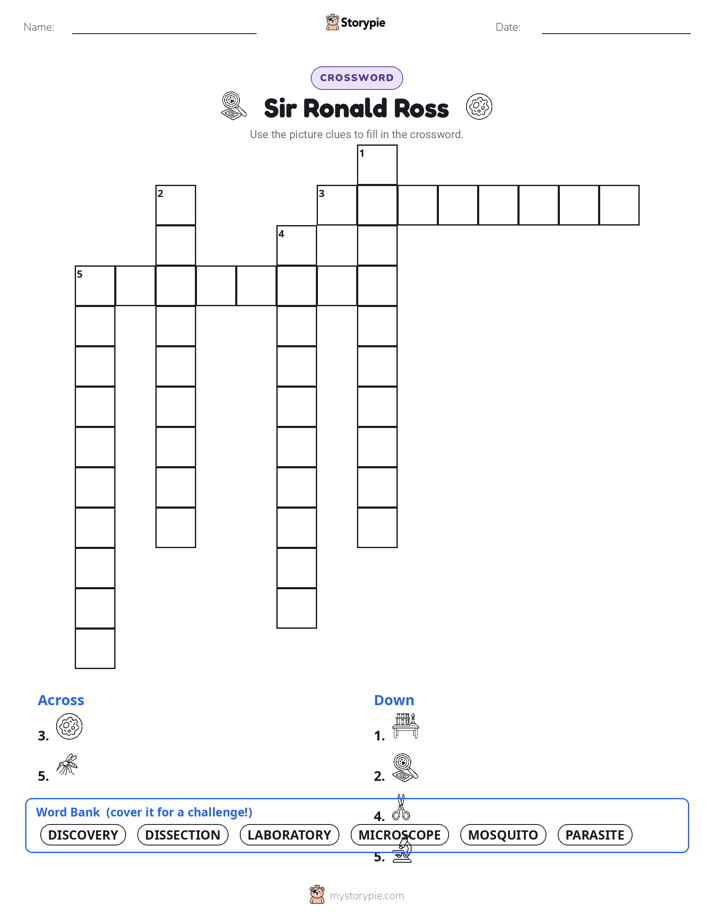
Back in India, I was confronted daily with a devastating disease called malaria. It swept through communities, causing intense fevers, severe chills, and a sickness that weakened countless people. In the late 19th century, no one was certain how this terrible illness spread from one person to another. Many theories existed, but none were proven. In 1894, my path crossed with a brilliant doctor named Sir Patrick Manson. He introduced me to his fascinating theory: he believed that a tiny, common insect—the mosquito—was the real culprit responsible for transmitting malaria. His idea was revolutionary, and it ignited a fire in me. I was determined to prove it. I established a small, humble laboratory for myself in Secunderabad and began my hunt for the truth. For more than two years, I labored in the suffocating heat, collecting and carefully dissecting thousands of mosquitoes under my microscope. The work was slow and often frustrating; it felt like looking for a needle in a haystack, but my conviction that I was on the right path never wavered.
Sir Ronald Ross: The Malaria Detective
Hello! My name is Ronald Ross, and I want to tell you about a great medical mystery I helped solve. I was born on May 13th, 1857, in a beautiful town called Almora in India, nestled in the Himalayan mountains. The world around me was full of breathtaking scenery. My father was a general in the British Indian Army, and our family lived a life of service and discipline. While I had a deep passion for the arts—I loved painting, composing music, and writing poetry—my father had a different path in mind for me. He was insistent that I become a doctor. Following his wishes, in 1874, I traveled all the way to England to begin my medical studies. It was a completely different world, but I dedicated myself to my education. After I completed my training, I joined the Indian Medical Service in 1881 and returned to the country where I was born, ready to begin my career as a doctor.
Back in India, I was confronted daily with a devastating disease called malaria. It swept through communities, causing intense fevers, severe chills, and a sickness that weakened countless people. In the late 19th century, no one was certain how this terrible illness spread from one person to another. Many theories existed, but none were proven. In 1894, my path crossed with a brilliant doctor named Sir Patrick Manson. He introduced me to his fascinating theory: he believed that a tiny, common insect—the mosquito—was the real culprit responsible for transmitting malaria. His idea was revolutionary, and it ignited a fire in me. I was determined to prove it. I established a small, humble laboratory for myself in Secunderabad and began my hunt for the truth. For more than two years, I labored in the suffocating heat, collecting and carefully dissecting thousands of mosquitoes under my microscope. The work was slow and often frustrating; it felt like looking for a needle in a haystack, but my conviction that I was on the right path never wavered.
Then, on August 20th, 1897, a day I now call 'Mosquito Day,' I made the breakthrough I had been working so hard for. I was meticulously examining the stomach tissue of a specific type of mosquito, an Anopheles, which I knew had recently fed on a patient suffering from malaria. As I looked through the lens of my microscope, I saw them. There, inside the mosquito's stomach wall, were the malaria parasites. I could clearly see the tiny organisms growing and developing. It was the undeniable proof I had been searching for. This discovery was the missing link, showing exactly how malaria traveled from a sick person to a healthy one via a mosquito bite. To be absolutely sure, I continued my research later in Calcutta. There, I worked with birds that had a similar type of malaria, and I was able to trace the entire life cycle of the parasite, confirming my findings beyond any doubt.
My discovery fundamentally changed our understanding of malaria and how to combat it. Once we knew that mosquitoes were the carriers, we could focus our efforts on controlling their populations to prevent the disease from spreading. This knowledge paved the way for public health strategies like draining swamps where mosquitoes breed and using nets to protect people as they slept. After this success, I returned to England and began teaching at the Liverpool School of Tropical Medicine, sharing my knowledge with a new generation of doctors. In 1902, I was honored to receive the Nobel Prize in Physiology or Medicine for my work on malaria. My passion for public health continued, and in 1926, I helped establish an institute in London dedicated to the study of tropical diseases. Even with my scientific achievements, I never abandoned my first love; I continued to write poetry and stories for the rest of my life.
I lived a full and fascinating life until I was 75 years old. My discovery helped save countless lives and continues to form the basis of malaria control efforts around the globe today. By understanding that a tiny insect could be responsible for such a widespread disease, people all over the world learned how to protect their communities. I am remembered as the man who solved the malaria puzzle, and every year, August 20th is recognized as World Mosquito Day in honor of that pivotal moment of discovery. My story shows that with persistence and curiosity, one person can help solve one of the world's great challenges.
Wow facts
About
Sir Ronald Ross was a British doctor and Nobel Prize winner who discovered that malaria is transmitted by mosquitoes, a breakthrough that has saved millions of lives.
Take a Quiz
Question 1 of 5
What was the major breakthrough that Ronald Ross made on August 20th, 1897?
Explore next





Want to do even more?
Go beyond exploring. Unlock tools that turn every story into real learning.

Storypie Plus for families
Full stories, quizzes, and printables. Nights and car rides, sorted.
- Unlimited audio stories
- Create Mode: your child stars in the story
- Offline downloads
- Printable worksheets & coloring pages

Why Storypie for Schools
Students engaged. Prep in seconds. Evenings back to you.
- Worksheets & Quizzes
- Classroom Management
- Formative Assessment
- Custom Curriculum & Lesson Plans
- 27 Languages

Why Storypie for Homeschool
Curriculum done. They'll ask for more. Hours back in your day.
- Worksheet Generator
- First-Person Audio Stories
- Built-in Comprehension Quizzes
- Custom Curriculum & Lesson Plans
- Print & Go Activities