English


Walter Gropius
Walter Gropius was a German-American architect and founder of the Bauhaus school.
Reads at Grades 6–8 Listens at Grades 4–8
Print & create
Answer keys·No prep·Free with an account
28 worksheets · answer keys · full story · quiz · Ages 10-12 · CEFR B2
Plus adds 244,000+ more stories in 27 languages, audio for every one, and printables for all of them.
Just want Walter Gropius?
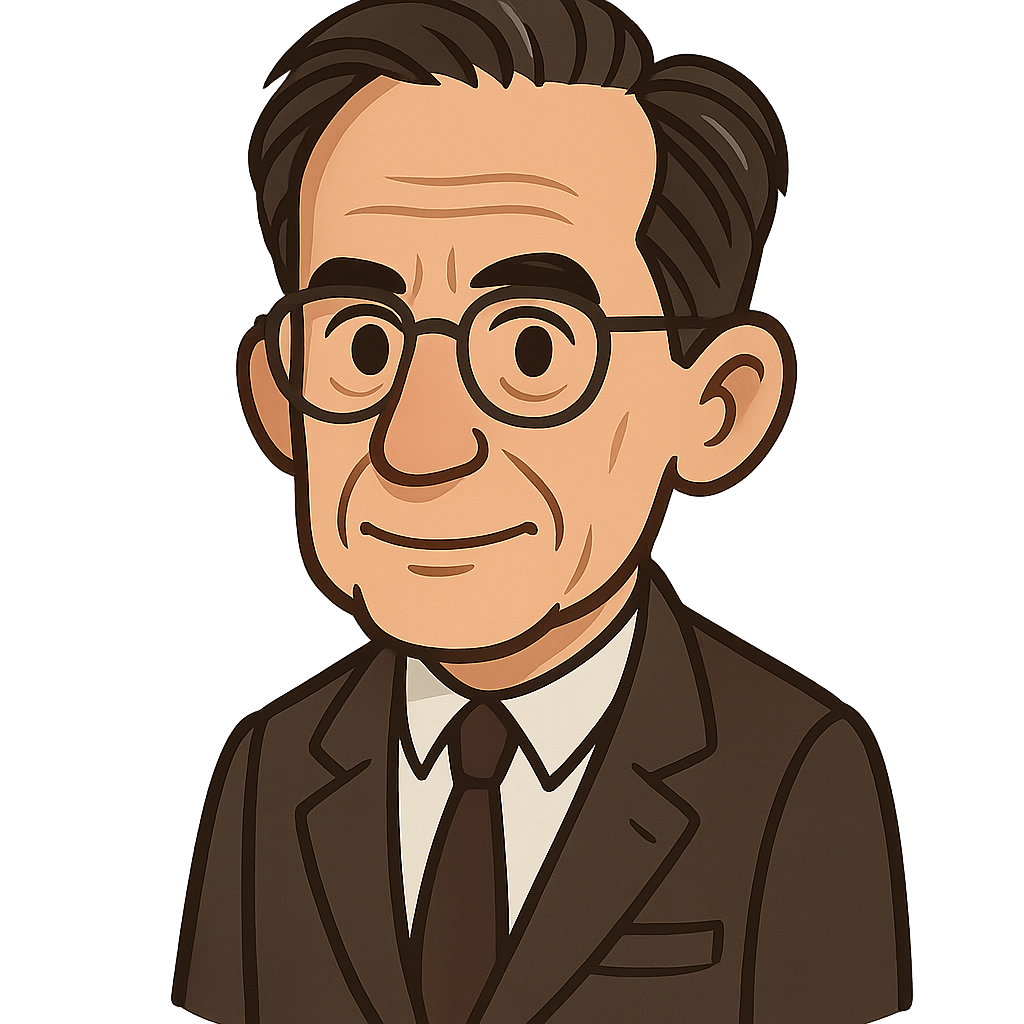
Hello, my name is Walter Gropius, and I believe that buildings can change the world. I was born in Berlin, Germany, on May 18th, 1883. My family was full of architects, including my great-uncle Martin Gropius, so I grew up surrounded by blueprints and big ideas. From a young age, I saw buildings not just as places to live or work, but as art. I dreamed of creating a new kind of architecture—one that was simple, useful, and beautiful for everyone, not just for the wealthy.
After I finished my architecture studies around 1907, I went to work for a famous architect named Peter Behrens in 1908. In his office, I began to experiment with modern materials that most architects ignored, like steel, concrete, and large panes of glass. In 1911, I designed my first major building, the Fagus Factory. Instead of thick, heavy walls, I used huge glass curtains that let sunlight flood the factory floor. It was unlike anything people had seen before and showed my belief that even a factory could be a place of light and elegance.
I served as a soldier in World War I from 1914 to 1918. The experience changed me and strengthened my belief that art and design could help rebuild society. In 1919, in the German city of Weimar, I opened a brand-new type of school and called it the Bauhaus, which means 'building house.' My idea was to bring all the arts together under one roof. I wanted painters, sculptors, weavers, and architects to stop thinking of themselves as separate artists and instead work together as a team of creators. We would design beautiful, functional objects for everyday modern life.
Walter Gropius: Building a Modern World
Hello, my name is Walter Gropius, and I believe that buildings can change the world. I was born in Berlin, Germany, on May 18th, 1883. My family was full of architects, including my great-uncle Martin Gropius, so I grew up surrounded by blueprints and big ideas. From a young age, I saw buildings not just as places to live or work, but as art. I dreamed of creating a new kind of architecture—one that was simple, useful, and beautiful for everyone, not just for the wealthy.
After I finished my architecture studies around 1907, I went to work for a famous architect named Peter Behrens in 1908. In his office, I began to experiment with modern materials that most architects ignored, like steel, concrete, and large panes of glass. In 1911, I designed my first major building, the Fagus Factory. Instead of thick, heavy walls, I used huge glass curtains that let sunlight flood the factory floor. It was unlike anything people had seen before and showed my belief that even a factory could be a place of light and elegance.
I served as a soldier in World War I from 1914 to 1918. The experience changed me and strengthened my belief that art and design could help rebuild society. In 1919, in the German city of Weimar, I opened a brand-new type of school and called it the Bauhaus, which means 'building house.' My idea was to bring all the arts together under one roof. I wanted painters, sculptors, weavers, and architects to stop thinking of themselves as separate artists and instead work together as a team of creators. We would design beautiful, functional objects for everyday modern life.
The Bauhaus was an exciting place, full of energy and wild ideas. I invited some of the most famous modern artists of the time, like Wassily Kandinsky and Paul Klee, to come and teach. Our students didn't just sit in classrooms; they worked with their hands in workshops, learning to shape metal, weave textiles, and build furniture. In 1925, the school moved to the city of Dessau, and I designed a new building for it. With its steel frame, glass walls, and clean, geometric shapes, the Bauhaus Dessau building was a perfect example of everything we believed in.
Sadly, our modern ideas were not welcomed by everyone. In the 1930s, the new Nazi government in Germany saw our school as a threat, and in 1933, they forced us to close. I knew I had to leave my home country. I first moved to England in 1934, but in 1937, a wonderful opportunity came from the United States. I was invited to teach architecture at Harvard University. A year later, in 1938, I designed a home for my family in Lincoln, Massachusetts. This house, now called the Gropius House, blended my Bauhaus ideas with the local building traditions of New England.
I continued designing and teaching for the rest of my life. In 1945, I started a firm with a group of younger architects called The Architects Collaborative, where we worked on big projects together. I lived a full and creative life and was 86 years old when I passed away in 1969. Though I am gone, my ideas live on. The Bauhaus philosophy spread across the globe, influencing the design of everything from skyscrapers to coffee pots. I hope I am remembered as someone who believed that thoughtful, beautiful design has the power to make everyone's life a little bit better.
Wow facts
About
Walter Gropius was a German-American architect and founder of the Bauhaus school. He is widely regarded as one of the pioneering masters of modernist architecture and the International Style.
Take a Quiz
Question 1 of 5
What was the main goal of the Bauhaus school that I founded in 1919?
Explore next






Want to do even more?
Go beyond exploring. Unlock tools that turn every story into real learning.

Storypie Plus for families
Full stories, quizzes, and printables. Nights and car rides, sorted.
- Unlimited audio stories
- Create Mode: your child stars in the story
- Offline downloads
- Printable worksheets & coloring pages

Why Storypie for Schools
Students engaged. Prep in seconds. Evenings back to you.
- Worksheets & Quizzes
- Classroom Management
- Formative Assessment
- Custom Curriculum & Lesson Plans
- 27 Languages

Why Storypie for Homeschool
Curriculum done. They'll ask for more. Hours back in your day.
- Worksheet Generator
- First-Person Audio Stories
- Built-in Comprehension Quizzes
- Custom Curriculum & Lesson Plans
- Print & Go Activities