English

Bartering
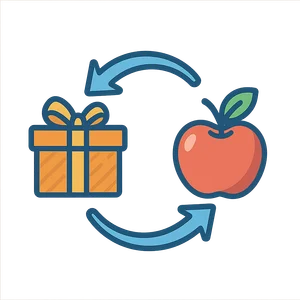
Bartering is an economic concept involving the exchange of goods or services for other goods or services…
Reads at Grades 6–8 Listens at Grades 4–8
Print & create
Answer keys·No prep·Free with an account
28 worksheets · answer keys · full story · quiz · Ages 10-12 · CEFR B2
Plus adds 102,000+ more stories in 27 languages, audio for every one, and printables for all of them.
Just want Bartering?
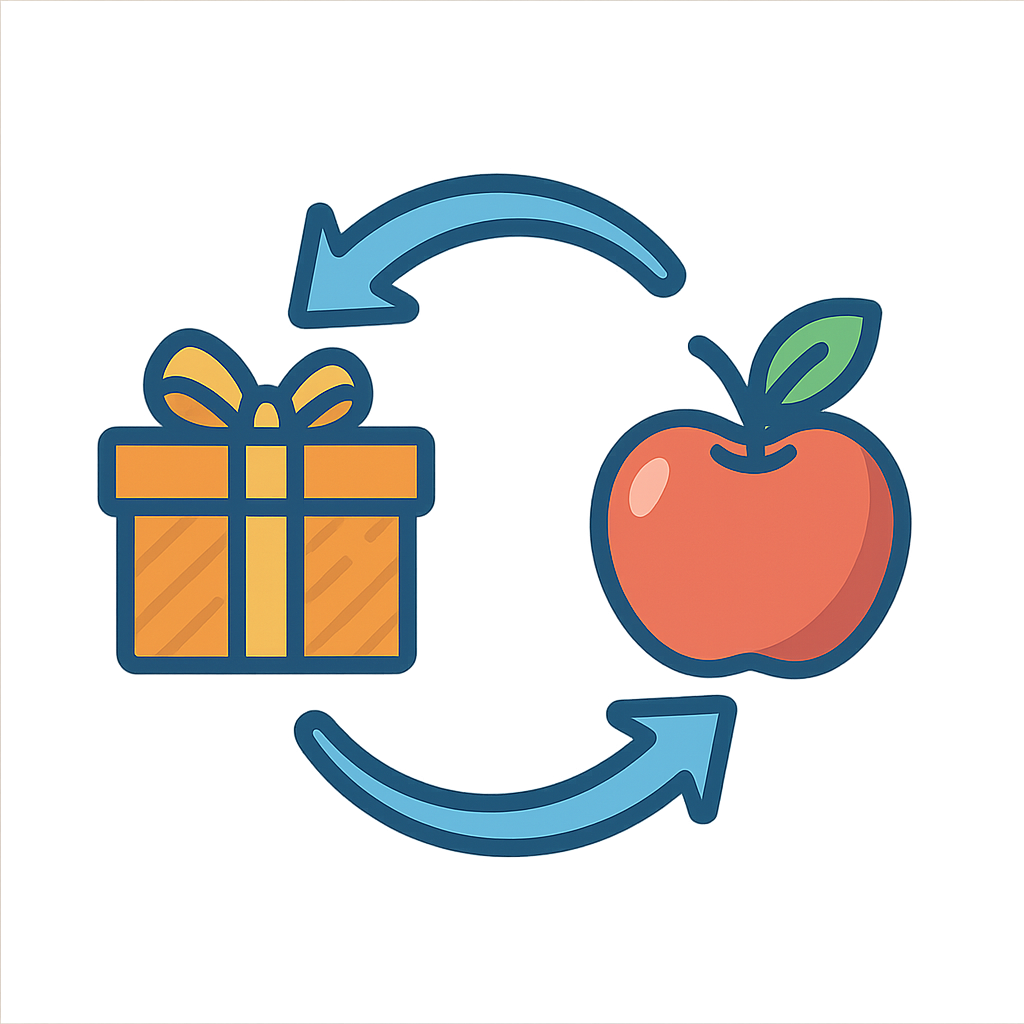
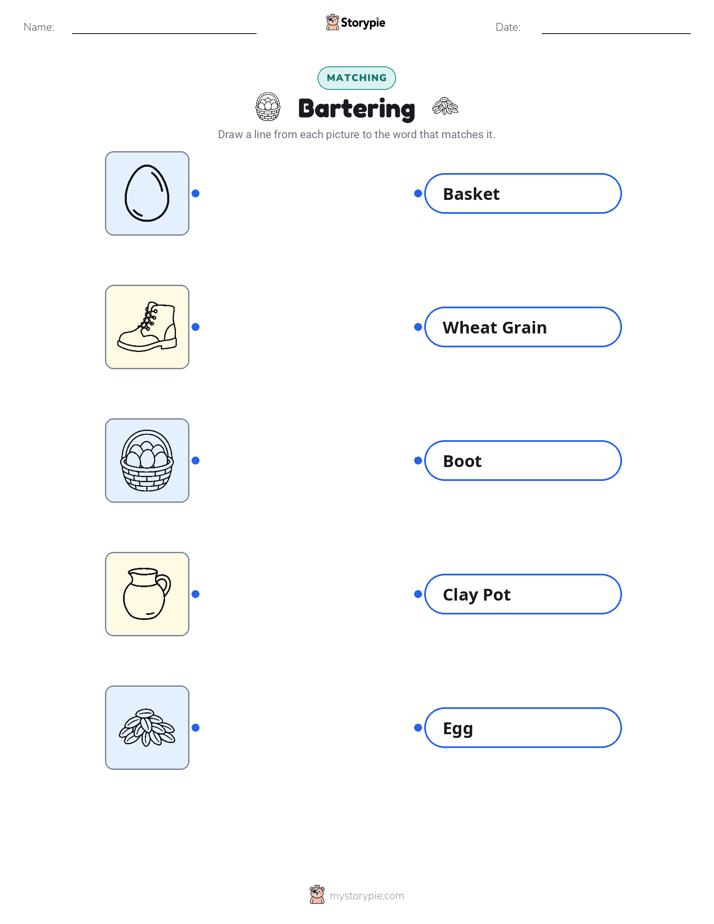
Imagine a farmer with a basket overflowing with fresh, brown eggs. He needs sturdy new boots, but he doesn't have any coins. A few streets away, a shoemaker has shelves full of fine leather boots, but his family would love some eggs for breakfast. What if they could just… swap? I am that swap. I am the spark of an idea that lets the farmer trade his extra eggs directly for the shoemaker’s boots. No cash needed. I am the simple, powerful feeling of a fair trade, where both people walk away happy with something they need. Before there were wallets and banks, there was me. I was the invisible handshake between neighbors, the silent agreement that what you have is just as valuable as what I have. For thousands of years, I was how communities connected, how villages grew, and how people survived. I am built on the idea of shared value and mutual need, a dance of supply and demand in its purest form. I was the engine of commerce long before the first coin was ever minted. So, what am I?
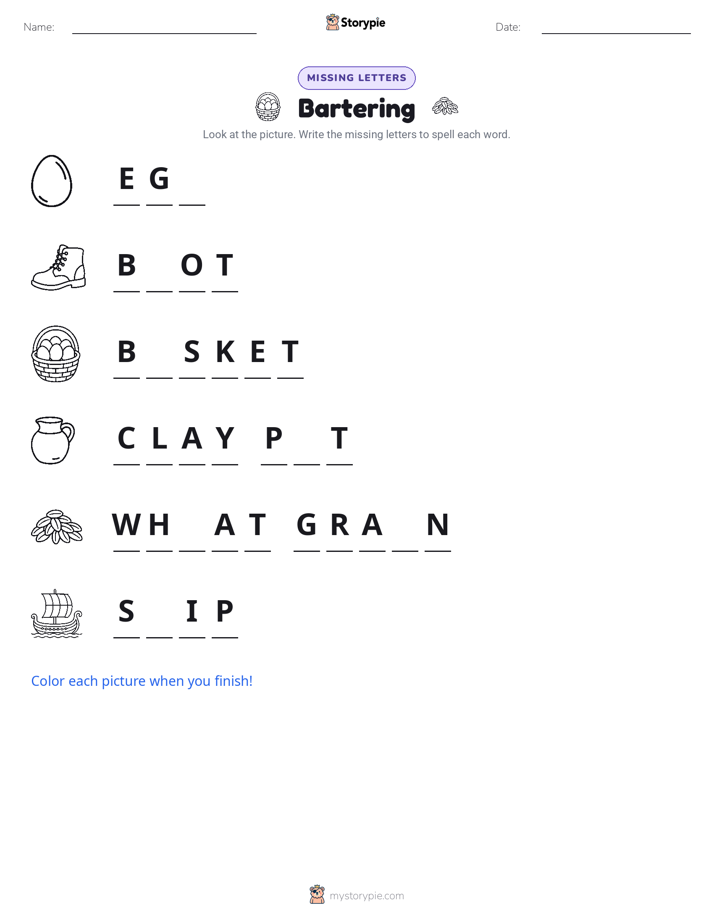
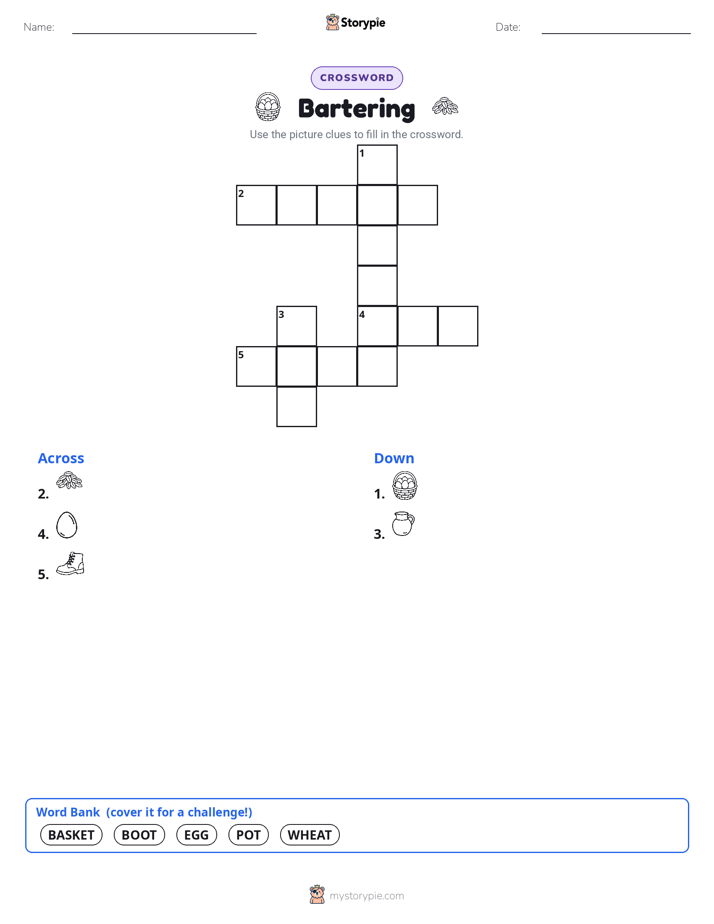
That’s right, my name is Bartering. It’s a pleasure to meet you. I’ve been around for a very, very long time. In fact, historians believe people started using me as far back as 6000 BCE with the tribes in Mesopotamia. That’s over 8,000 years ago. Back then, societies were small, and people knew each other well. If you were a farmer who grew wheat, and you needed a clay pot for cooking, you’d find a potter and trade some of your grain for one of their pots. I helped people specialize in their skills, knowing they could trade their surplus for other necessities. Later on, the Phoenicians, who were amazing sailors and traders around 1500 BCE, took me all across the Mediterranean Sea. They’d sail their ships loaded with valuable salt, fragrant spices, and beautiful purple dye made from sea snails and trade them for wood from Lebanon, metals from Cyprus, and food from faraway lands. I was a world traveler, connecting different cultures and economies. For centuries, all through the Middle Ages in Europe and even in early Colonial America, people relied on me. American colonists in the 17th and 18th centuries often traded things like deerskins, musket balls, and tobacco for goods from the store. I was the engine of the economy, helping communities grow and thrive long before the first dollar bill was ever printed.
Hello, I'm Bartering
Imagine a farmer with a basket overflowing with fresh, brown eggs. He needs sturdy new boots, but he doesn't have any coins. A few streets away, a shoemaker has shelves full of fine leather boots, but his family would love some eggs for breakfast. What if they could just… swap? I am that swap. I am the spark of an idea that lets the farmer trade his extra eggs directly for the shoemaker’s boots. No cash needed. I am the simple, powerful feeling of a fair trade, where both people walk away happy with something they need. Before there were wallets and banks, there was me. I was the invisible handshake between neighbors, the silent agreement that what you have is just as valuable as what I have. For thousands of years, I was how communities connected, how villages grew, and how people survived. I am built on the idea of shared value and mutual need, a dance of supply and demand in its purest form. I was the engine of commerce long before the first coin was ever minted. So, what am I?
That’s right, my name is Bartering. It’s a pleasure to meet you. I’ve been around for a very, very long time. In fact, historians believe people started using me as far back as 6000 BCE with the tribes in Mesopotamia. That’s over 8,000 years ago. Back then, societies were small, and people knew each other well. If you were a farmer who grew wheat, and you needed a clay pot for cooking, you’d find a potter and trade some of your grain for one of their pots. I helped people specialize in their skills, knowing they could trade their surplus for other necessities. Later on, the Phoenicians, who were amazing sailors and traders around 1500 BCE, took me all across the Mediterranean Sea. They’d sail their ships loaded with valuable salt, fragrant spices, and beautiful purple dye made from sea snails and trade them for wood from Lebanon, metals from Cyprus, and food from faraway lands. I was a world traveler, connecting different cultures and economies. For centuries, all through the Middle Ages in Europe and even in early Colonial America, people relied on me. American colonists in the 17th and 18th centuries often traded things like deerskins, musket balls, and tobacco for goods from the store. I was the engine of the economy, helping communities grow and thrive long before the first dollar bill was ever printed.
As much as I love helping people, I’ll admit, I wasn’t always easy to use. I had one big challenge, which economists call the ‘double coincidence of wants.’ That’s a fancy way of saying that two people each have to want what the other one has at the exact same time. Think about it: what if the baker with all the bread wanted a new hammer, but the blacksmith didn’t need any bread that day? The baker was out of luck. He’d have to find someone else who had a hammer and wanted bread, or maybe find a third person to make a three-way trade. It could get pretty complicated, time-consuming, and inefficient. Another issue was value. How many loaves of bread is one hammer worth? What about a whole cow? It was hard to agree on a standard price for everything. This little problem is what led people to invent my younger, more famous cousin: Money. People realized it would be easier to have one thing—like shells, salt, or shiny metal coins—that everyone agreed had value. That way, the baker could sell his bread for coins, and then use those coins to buy a hammer from anyone, whether the blacksmith was hungry or not. It was a clever solution, and I wasn't sad. I was proud that I had helped people trade for so long that they figured out an even more efficient way to do it.
You might think that once money came along, my story was over. But I’m still around. Whenever times get tough and money is hard to come by, people remember me. During the Great Depression in the 1930s, many people lost their jobs and savings, so they turned back to bartering to get by. Neighbors traded homegrown vegetables for repaired clothes, and doctors would sometimes accept chickens or firewood as payment for a check-up. And today? I’m having a bit of a comeback, especially with the help of the internet. There are websites and apps where people can swap clothes they don’t wear anymore, trade video games, or exchange furniture. Small business owners often trade their services—a graphic designer might build a website for an accountant in exchange for help with their taxes. This modern form of bartering helps businesses save cash while still getting what they need. Even you use me, maybe without realizing it. Have you ever traded your dessert for a friend’s snack at lunchtime? Or offered to help with a chore in exchange for borrowing a game? That’s me. I am the spirit of cooperation and fairness. I remind people that the things we own and the skills we have possess real value, beyond a price tag. I am a connection between people, proving that we can always find a way to help each other get what we need.
Wow facts
About
Bartering is an economic concept involving the exchange of goods or services for other goods or services without using a medium of exchange, such as money.
Take a Quiz
Question 1 of 5
What is the main idea of the section titled 'The Problem of the Perfect Match'?
Explore next



Want to do even more?
Go beyond exploring. Unlock tools that turn every story into real learning.

Storypie Plus for families
Full stories, quizzes, and printables. Nights and car rides, sorted.
- Unlimited audio stories
- Create Mode: your child stars in the story
- Offline downloads
- Printable worksheets & coloring pages

Why Storypie for Schools
Students engaged. Prep in seconds. Evenings back to you.
- Worksheets & Quizzes
- Classroom Management
- Formative Assessment
- Custom Curriculum & Lesson Plans
- 27 Languages

Why Storypie for Homeschool
Curriculum done. They'll ask for more. Hours back in your day.
- Worksheet Generator
- First-Person Audio Stories
- Built-in Comprehension Quizzes
- Custom Curriculum & Lesson Plans
- Print & Go Activities