English


The Story of Carbon Dioxide
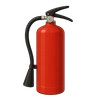
Have you ever watched the tiny bubbles dance their way to the top of a fizzy drink. Or maybe you’ve breathed onto a cold window on a winter day, leaving a patch of white fog behind. I am that fizz. I am that fog. I am the invisible puff that makes bread dough rise into a fluffy loaf, and I’m the secret ingredient in fire extinguishers that helps put out flames. Can you imagine a world without me. Trees and flowers would have nothing to eat, and our planet would be a giant icicle. I am everywhere, all the time, a silent partner in the dance of life. I float through the air, dissolve in the oceans, and am even a part of you. You breathe me out with every single sigh, laugh, and sentence you speak. Have you guessed who I am yet. I am the amazing, essential, and sometimes misunderstood molecule you know as Carbon Dioxide, but my friends just call me CO2.
For thousands of years, people knew air existed, but they thought it was all just one thing. They had no idea I was hiding inside it, a special gas with my own personality. It wasn't until the 1630s that a curious Belgian scientist named Jan Baptist van Helmont first noticed me. When he burned charcoal in a closed container, he found that the ash weighed much less than the original charcoal. He realized something invisible had been created and escaped. He couldn't catch me or see me, so he called me a 'spiritus sylvestre,' which means 'wild gas,' because I seemed untamed and mysterious. Over a century later, in the 1750s, a thoughtful Scottish scientist named Joseph Black studied me much more carefully. He discovered me locked away inside limestone and found that if you heated it, I would be set free. He was the one who proved that animals breathe me out. He called me 'fixed air' because he could 'fix' me into solid substances. But it was the brilliant French chemist Antoine Lavoisier who finally revealed my true identity in the 1780s. He was like a master detective, figuring out my secret recipe. He proved that I am made of one tiny carbon atom bonded with two oxygen atoms. That's when I got my official, scientific name: Carbon Dioxide.
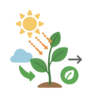
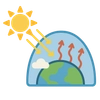
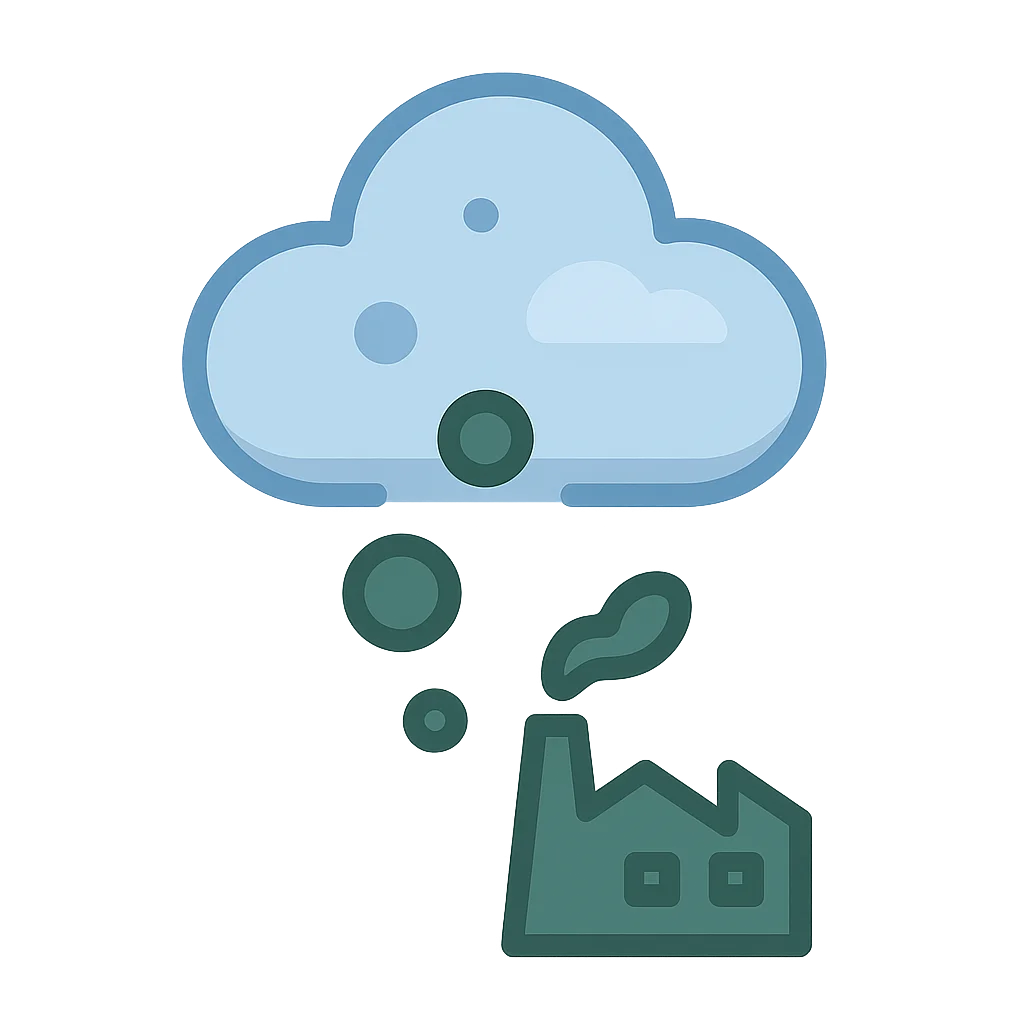
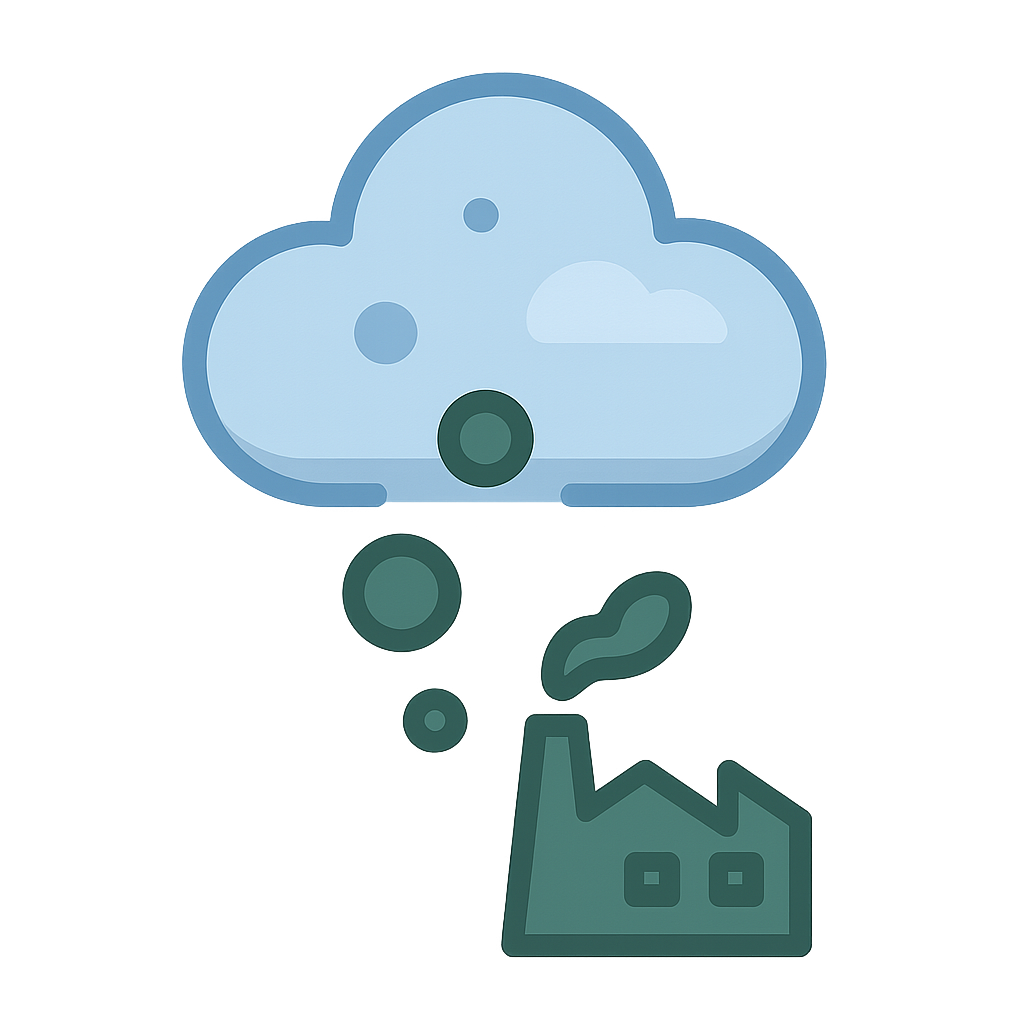
Once scientists knew who I was, they started to understand my big jobs on Earth. My most important role is helping plants grow. Can you imagine being able to make your own food just by breathing. That's what plants do. They take me in from the air, mix me with water and sunlight in a process called photosynthesis, and turn me into sugary food to live and grow. As a thank you, they release oxygen, which is the very air you need to breathe. So, without me, there would be no plants, and without plants, there would be no oxygen for you. I also act like a giant, invisible blanket wrapped around the Earth. I trap some of the Sun's heat, keeping our planet warm and cozy enough for all kinds of life to thrive. This is called the greenhouse effect. For a long time, the amount of me in the air was perfectly balanced. But that started to change during the Industrial Revolution, which began around 1760. People built factories and invented cars that burned fuel, sending huge new amounts of me into the atmosphere. Starting in 1958, a dedicated scientist named Charles David Keeling began carefully measuring me every single day, showing the world that my levels were steadily rising.
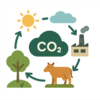
Having a little bit of my blanket is good, but when there's too much of me, the blanket gets too thick. This traps too much heat and can make the whole planet feel like it has a fever, which changes the weather and the seasons. It’s a big challenge, but I have seen what amazing things humans can do when they work together. I have faith in your cleverness and creativity. Today, brilliant scientists, engineers, and even kids just like you are coming up with incredible ideas to help keep me in balance. They are inventing new ways to get energy from the sun and the wind, planting millions of new trees that can breathe me in, and finding ways to protect our beautiful forests. I am part of a grand and wonderful cycle, and by understanding me, you are learning how to be the best caretakers for our amazing home, the Earth.