

 English

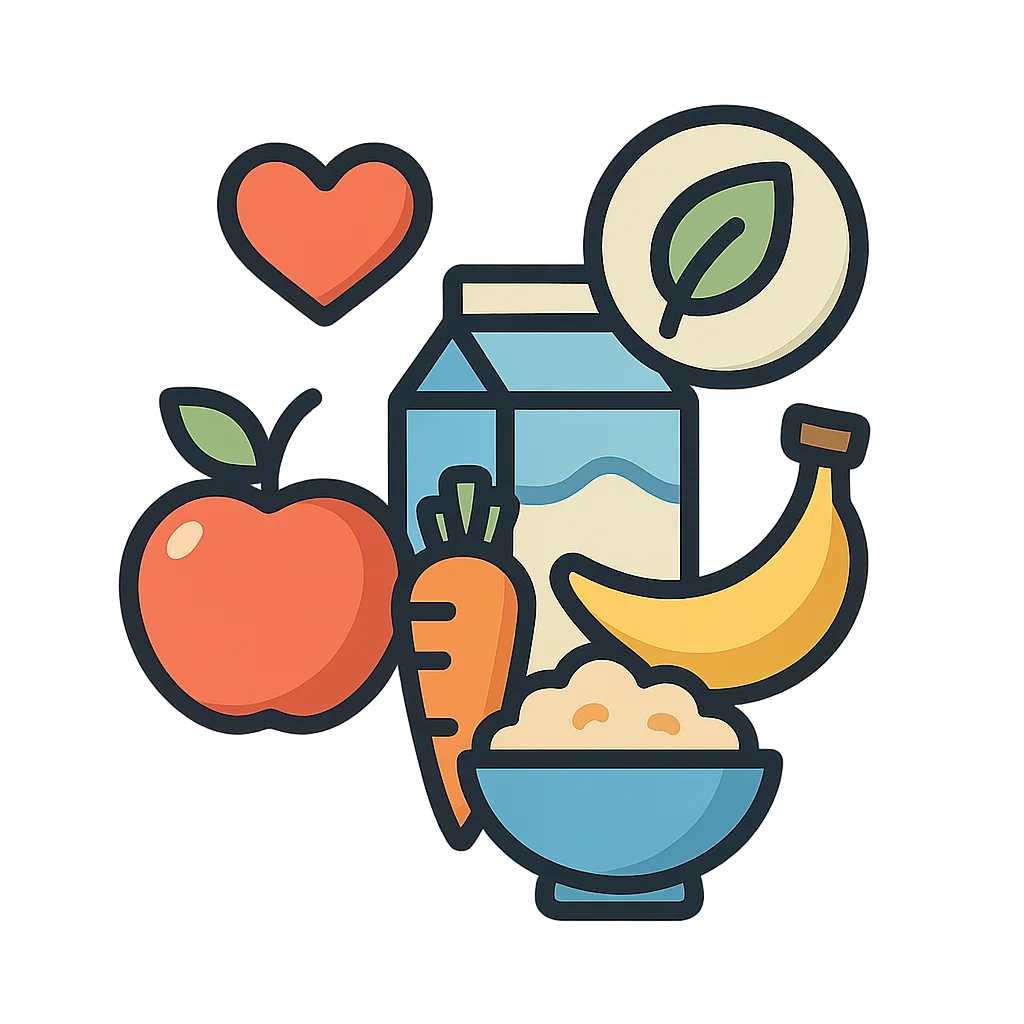
The Story of Nutrition
I am the reason you can leap to catch a ball, the quiet hum of energy that helps you focus on a challenging puzzle, and the invisible architect that rebuilds your body when you get a scraped knee. I am hidden in the satisfying crunch of a carrot, the comforting warmth of a bowl of chicken soup, and the burst of sweetness from a ripe strawberry. For thousands of years, humans knew that eating food was essential. They felt my presence when a good meal banished their hunger and gave them strength, but they couldn't see me or name my parts. They didn't understand the complex process that turned a simple loaf of bread into the power to run and play. I was the secret language of food, a code that their bodies instinctively knew how to unlock. I am in every bite you take, fueling your life from the inside out. I am Nutrition.
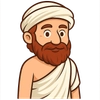
My story with humanity is a long and winding tale of observation, mystery, and brilliant discovery. It began as a series of whispers and clues. Around 400 BCE, a thoughtful doctor in Ancient Greece named Hippocrates noticed my power. He famously advised people, 'Let food be thy medicine and medicine be thy food,' recognizing that what people ate had a profound effect on their well-being. But his wisdom was just a starting point. Centuries later, my importance became a matter of life and death on the high seas. During the 18th century, sailors embarking on long voyages would eat only non-perishable foods like salted meat and hard, dry biscuits. After months at sea, they would become weak, their gums would bleed, and many would perish from a dreaded illness called scurvy. In 1747, a determined Scottish naval surgeon named James Lind conducted one of the first clinical trials in history. He separated sick sailors into groups and gave each a different addition to their diet. The results were astonishing. The two sailors given oranges and lemons each day made a swift and complete recovery. Lind had proven that a specific food could cure a specific disease, even if he didn't know the secret ingredient was Vitamin C. A huge piece of my puzzle had just been found.
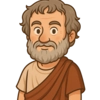
After Lind's breakthrough, the clues began to form a clearer picture. In the late 1700s, a brilliant French chemist named Antoine Lavoisier conducted meticulous experiments that changed everything. He discovered that the process of digestion was a form of slow combustion, where the body uses oxygen from the air we breathe to 'burn' food for energy and heat. This process, which he helped define, is called metabolism. His groundbreaking work earned him the title 'Father of Nutrition.' Yet, there were still more of my building blocks to find. The mystery of diseases like beriberi, which caused weakness and heart failure in parts of Asia, baffled doctors. In 1897, a Dutch physician named Christiaan Eijkman, working in Indonesia, made a critical observation. He saw that chickens fed the polished white rice eaten by wealthy people developed symptoms of beriberi, while chickens that ate the unpolished, brown rice fed to the poor remained healthy. He correctly theorized that the outer husk of the rice contained a vital substance. This led directly to the discovery of vitamins. In 1912, a Polish scientist named Casimir Funk isolated this substance and coined the term 'vitamine'—from the Latin word 'vita' (life) and 'amine'—because he believed these compounds were essential for life. Scientists were finally identifying my team: carbohydrates for fuel, proteins for building, fats for energy storage, and the mighty vitamins and minerals that direct all the work.
Today, you know me more intimately than any generation before. My secrets are printed right on the side of a cereal box, listing my components like proteins, fats, and vitamins for everyone to see. You have helpful guides like MyPlate, a concept introduced in 2011 to replace the food pyramid, which shows you how to build a balanced and powerful meal. Understanding me is not about memorizing boring rules or never eating a cookie again. It is about becoming an expert on your own body, learning to listen to what it needs, and giving it the amazing variety of whole foods it requires to thrive. I am the science that helps an athlete shave a second off their race time, the knowledge that helps you grow taller and stronger, and the deep comfort found in a meal shared with people you love. Every time you choose a crisp apple over a candy bar, you are using the wisdom gathered over centuries to build a better you. I am your personal power-up, a lifelong friend on your journey to a healthy, happy life.
Activities
Take a Quiz
Test what you learned with a fun quiz!
Get creative with colors!
Print a coloring book page of this topic.










 Free for Educators