English

Plants
Plants are a major group of living things that form the kingdom Plantae.
Reads at Grades 3–5 Listens at Grades 1–5
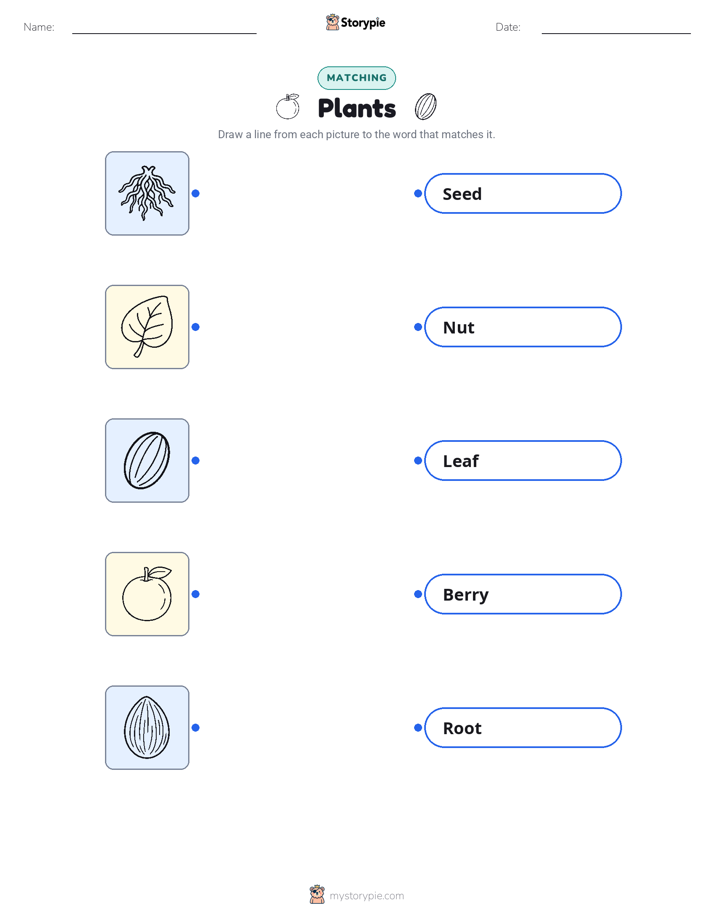
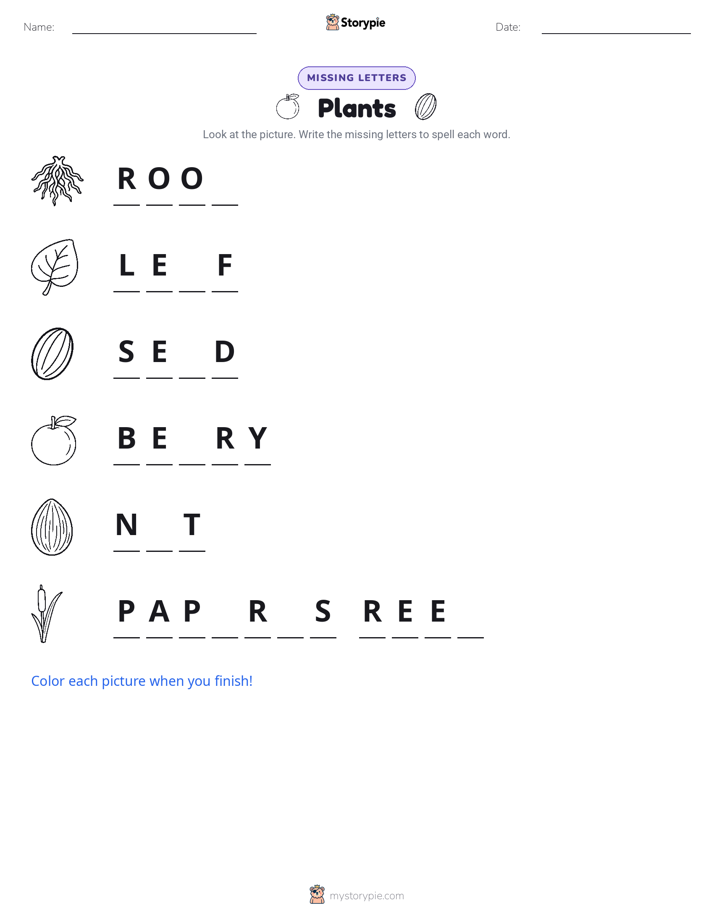
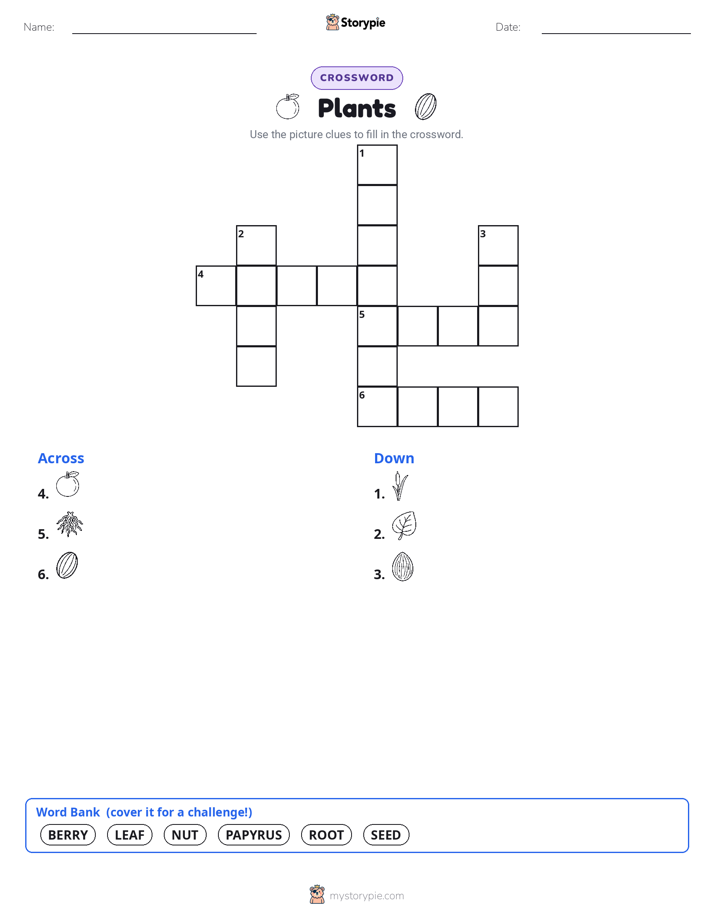
Print & create
Answer keys·No prep·Free with an account
28 worksheets · answer keys · full story · quiz · Ages 8-10 · CEFR B1
Plus adds 102,000+ more stories in 27 languages, audio for every one, and printables for all of them.
Just want Plants?
Have you ever wondered who paints the world in shades of green, red, and gold? That's me. I stretch my arms toward the sun and dig my toes deep into the cool, dark earth. I breathe out the fresh air you breathe in, and I wear a coat of green leaves in the summer that turns into a fiery costume of red and yellow in the fall. I offer you sweet strawberries on a sunny day and crunchy carrots pulled from the soil. I can be as tall as a skyscraper or as small as a blade of grass. People build houses from my strong wood and weave clothes from my soft fibers. You might see me as just a quiet tree in the park or a little flower on your windowsill, but my family is huge and we are everywhere. We have been on this planet for a very, very long time, long before the first people ever walked the Earth. We are Plants, and our story is your story, too.
For thousands of years, the earliest humans learned about me by watching, touching, and tasting. As far back as 200,000 BCE, they were hunter-gatherers, collecting my wild berries, nuts, and roots for food. They learned which of my parts were delicious and which could make them sick. It was a slow and careful friendship. Then, something incredible happened. Around 10,000 BCE, in a part of the world called the Fertile Crescent, people made a huge discovery. They realized they could save my seeds and plant them. Instead of wandering to find food, they could grow me—wheat, barley, and lentils—right outside their homes. This was the start of farming, or agriculture, and it changed everything, allowing people to build villages, towns, and cities. As civilizations grew, so did your understanding of me. In ancient Egypt, around 3,000 BCE, people used my papyrus reeds to make some of the first paper. In ancient Greece, a wise man named Theophrastus, who lived around 300 BCE, became the first great botanist. He wrote entire books about me, describing all my different family members and how we grow. He is even called the 'Father of Botany.' Much later, starting in the 15th century, brave explorers sailed across the oceans and introduced my relatives to new parts of the world. They brought potatoes and tomatoes from the Americas to Europe, and carried wheat and sugarcane to the Americas. It was like a giant, worldwide potluck, and it changed what people ate forever.
A Story of a Seed
Have you ever wondered who paints the world in shades of green, red, and gold? That's me. I stretch my arms toward the sun and dig my toes deep into the cool, dark earth. I breathe out the fresh air you breathe in, and I wear a coat of green leaves in the summer that turns into a fiery costume of red and yellow in the fall. I offer you sweet strawberries on a sunny day and crunchy carrots pulled from the soil. I can be as tall as a skyscraper or as small as a blade of grass. People build houses from my strong wood and weave clothes from my soft fibers. You might see me as just a quiet tree in the park or a little flower on your windowsill, but my family is huge and we are everywhere. We have been on this planet for a very, very long time, long before the first people ever walked the Earth. We are Plants, and our story is your story, too.
For thousands of years, the earliest humans learned about me by watching, touching, and tasting. As far back as 200,000 BCE, they were hunter-gatherers, collecting my wild berries, nuts, and roots for food. They learned which of my parts were delicious and which could make them sick. It was a slow and careful friendship. Then, something incredible happened. Around 10,000 BCE, in a part of the world called the Fertile Crescent, people made a huge discovery. They realized they could save my seeds and plant them. Instead of wandering to find food, they could grow me—wheat, barley, and lentils—right outside their homes. This was the start of farming, or agriculture, and it changed everything, allowing people to build villages, towns, and cities. As civilizations grew, so did your understanding of me. In ancient Egypt, around 3,000 BCE, people used my papyrus reeds to make some of the first paper. In ancient Greece, a wise man named Theophrastus, who lived around 300 BCE, became the first great botanist. He wrote entire books about me, describing all my different family members and how we grow. He is even called the 'Father of Botany.' Much later, starting in the 15th century, brave explorers sailed across the oceans and introduced my relatives to new parts of the world. They brought potatoes and tomatoes from the Americas to Europe, and carried wheat and sugarcane to the Americas. It was like a giant, worldwide potluck, and it changed what people ate forever.
Today, your friendship with me is deeper than ever. Scientists use powerful microscopes to look inside my tiny cells and understand my secret recipe for turning sunlight into food, a process called photosynthesis. They study my DNA to help me grow stronger, resist diseases, and produce more food for a hungry world. Just look around you. The wood in your desk, the cotton in your t-shirt, the paper in your notebook, and the apple in your lunch—that's all me. I provide shade on a hot day, clean the air you breathe, and fill the world with color and beauty. I am a home for birds, a hiding place for squirrels, and a source of medicine that keeps you healthy. We are partners on this amazing planet. By taking care of me—by planting trees, tending gardens, and protecting forests—you are also taking care of yourselves and the future. I will always be here, reaching for the sun, pushing through the soil, and growing alongside you. I wonder what new things we will discover together?
Wow facts
About
Plants are a major group of living things that form the kingdom Plantae. They get their energy from sunlight through a process called photosynthesis and are essential to life on Earth, providing oxygen, food, and habitats.
Take a Quiz
Question 1 of 5
The story says explorers created a 'giant, worldwide potluck.' What does 'potluck' mean in this sentence?
Explore next




Want to do even more?
Go beyond exploring. Unlock tools that turn every story into real learning.

Storypie Plus for families
Full stories, quizzes, and printables. Nights and car rides, sorted.
- Unlimited audio stories
- Create Mode: your child stars in the story
- Offline downloads
- Printable worksheets & coloring pages

Why Storypie for Schools
Students engaged. Prep in seconds. Evenings back to you.
- Worksheets & Quizzes
- Classroom Management
- Formative Assessment
- Custom Curriculum & Lesson Plans
- 27 Languages

Why Storypie for Homeschool
Curriculum done. They'll ask for more. Hours back in your day.
- Worksheet Generator
- First-Person Audio Stories
- Built-in Comprehension Quizzes
- Custom Curriculum & Lesson Plans
- Print & Go Activities