English

Plants
Plants are a major group of living things that form the kingdom Plantae.
Reads at Grades 6–8 Listens at Grades 4–8
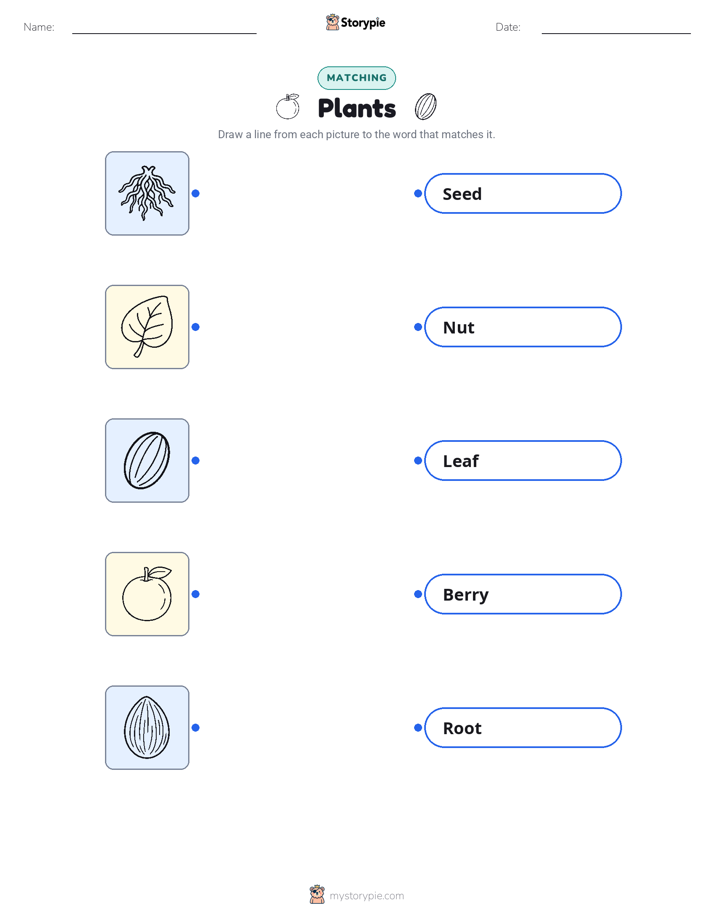
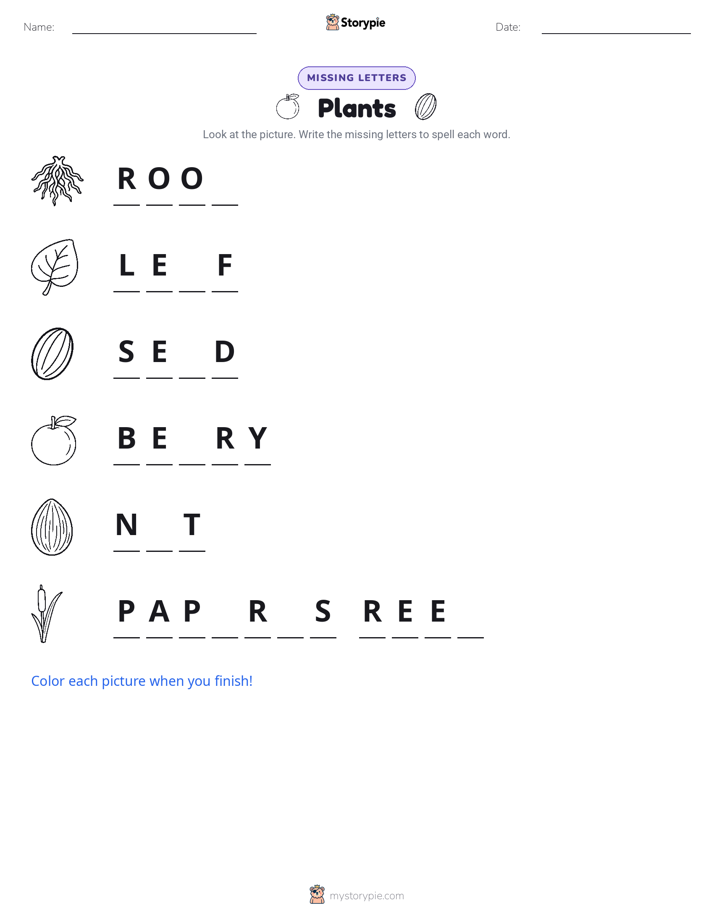
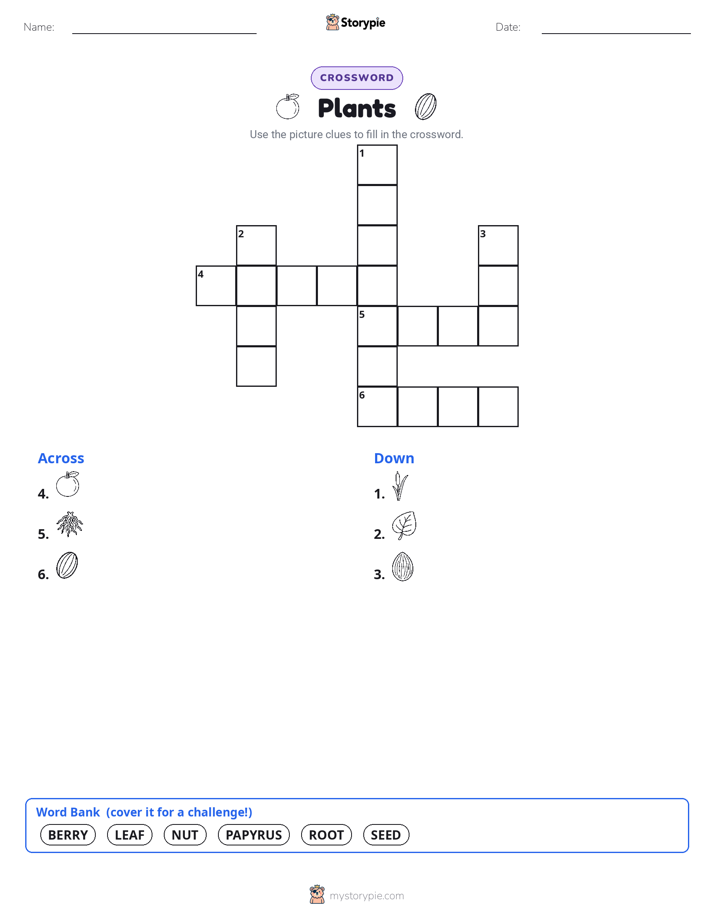
Print & create
Answer keys·No prep·Free with an account
28 worksheets · answer keys · full story · quiz · Ages 10-12 · CEFR B2
Plus adds 102,000+ more stories in 27 languages, audio for every one, and printables for all of them.
Just want Plants?
Before me, the world was a very different place. The oceans swirled with life, but the land was mostly silent, a vast expanse of bare rock baking under the sun. I watched from the water, feeling the light tickle my green skin, pulling energy from the sky. I learned a secret recipe, a kind of magic that let me feast on sunlight itself. I would drink in water through my roots, breathe in the air that animals exhaled, and with a flash of solar power, I would create my own sweet food. As a gift, a thank you for the light and air, I would breathe out the very oxygen that filled the skies and allowed creatures to grow bigger and stronger. Then, I made a brave decision. Around 470 million years ago, during what scientists call the Ordovician period, I crept from the water's edge and put down roots in the soil. It was a monumental journey, and the land has never been the same. You can call me Plants, and I have been here for a very, very long time.
My friendship with humanity is ancient. For thousands upon thousands of years, early humans followed my seasons. They were nomads, wandering to gather my berries in the summer, my nuts in the autumn, and my hardy roots in the winter. Their lives were a constant search for the gifts I offered freely. Then, a revolutionary idea took root. Around 10,000 BCE, in a region known as the Fertile Crescent, people realized they didn't have to search for me. They could collect my seeds, push them into the soft earth, and I would grow right where they lived. This was the dawn of agriculture, and it changed everything. People could stay in one place, and soon, small villages blossomed into bustling towns, and those towns grew into the world's first great civilizations. My family is vast, and many of my relatives became cornerstones of these societies. In ancient Egypt, my papyrus reeds growing along the Nile were transformed into paper around 3,000 BCE, allowing them to record their history and laws. In China, my tea leaves were cultivated, creating a tradition that has warmed hearts for centuries. In the Americas, my cousin maize, which you call corn, was so essential that it was woven into the very fabric of life for empires like the Maya and the Aztec. Later, my spices became treasures. During the Age of Exploration, from the 15th to the 17th centuries, brave and often ruthless sailors crossed treacherous oceans in search of my fragrant children: pepper, cinnamon, and cloves. The desire for my flavors redrew the maps of the world, connecting continents in a web of trade and conflict.
A Story of Sunlight and Seeds
Before me, the world was a very different place. The oceans swirled with life, but the land was mostly silent, a vast expanse of bare rock baking under the sun. I watched from the water, feeling the light tickle my green skin, pulling energy from the sky. I learned a secret recipe, a kind of magic that let me feast on sunlight itself. I would drink in water through my roots, breathe in the air that animals exhaled, and with a flash of solar power, I would create my own sweet food. As a gift, a thank you for the light and air, I would breathe out the very oxygen that filled the skies and allowed creatures to grow bigger and stronger. Then, I made a brave decision. Around 470 million years ago, during what scientists call the Ordovician period, I crept from the water's edge and put down roots in the soil. It was a monumental journey, and the land has never been the same. You can call me Plants, and I have been here for a very, very long time.
My friendship with humanity is ancient. For thousands upon thousands of years, early humans followed my seasons. They were nomads, wandering to gather my berries in the summer, my nuts in the autumn, and my hardy roots in the winter. Their lives were a constant search for the gifts I offered freely. Then, a revolutionary idea took root. Around 10,000 BCE, in a region known as the Fertile Crescent, people realized they didn't have to search for me. They could collect my seeds, push them into the soft earth, and I would grow right where they lived. This was the dawn of agriculture, and it changed everything. People could stay in one place, and soon, small villages blossomed into bustling towns, and those towns grew into the world's first great civilizations. My family is vast, and many of my relatives became cornerstones of these societies. In ancient Egypt, my papyrus reeds growing along the Nile were transformed into paper around 3,000 BCE, allowing them to record their history and laws. In China, my tea leaves were cultivated, creating a tradition that has warmed hearts for centuries. In the Americas, my cousin maize, which you call corn, was so essential that it was woven into the very fabric of life for empires like the Maya and the Aztec. Later, my spices became treasures. During the Age of Exploration, from the 15th to the 17th centuries, brave and often ruthless sailors crossed treacherous oceans in search of my fragrant children: pepper, cinnamon, and cloves. The desire for my flavors redrew the maps of the world, connecting continents in a web of trade and conflict.
As humans built their world with my help, their curiosity about me also grew. They wanted to understand my deepest secrets. One of the first to try was a wise philosopher in ancient Greece named Theophrastus. During the 4th century BCE, he walked through gardens and wild groves, observing, describing, and organizing my many forms. He wrote books that became the first great works of botany, the science of plants, earning him the title 'Father of Botany' for his careful and systematic study. For centuries, people could only see what was visible to the naked eye, but that changed dramatically in the 17th century with the invention of the microscope. In the year 1665, an English scientist named Robert Hooke sliced a thin piece of cork from an oak tree, placed it under his lens, and saw a world no one had ever seen before. He saw tiny, box-like compartments that he called 'cells.' He was looking at my building blocks, the very rooms that make up all living things. But perhaps my most profound secret was uncovered in a quiet monastery garden. In the 1860s, a monk named Gregor Mendel patiently worked with my pea plants. He spent years carefully crossing plants with different traits—tall with short, purple-flowered with white-flowered—and meticulously recorded the results. He discovered the invisible rules that governed how I pass my characteristics to my children, uncovering the fundamental principles of genetics and heredity long before anyone knew what a gene was.
My story continues today, woven into every part of your life. I am still working, still growing, and still giving. Look at the food on your dinner plate; chances are I am there, whether as a crunchy carrot, a slice of bread made from my wheat, or rice that has fed billions. The soft cotton of your t-shirt began as a fluffy boll in my fields. The sturdy wood of your chair, your desk, and your home was once my living body, reaching for the sun. Even some of your most powerful medicines have their origins with me; aspirin, a common remedy for pain, was first derived from the bark of my willow tree. My great forests, from the Amazon to the Congo, act as the lungs of the Earth. They breathe in the carbon dioxide that warms our planet and breathe out the life-giving oxygen everyone needs. From the tiniest moss clinging to a rock to the most ancient, towering sequoia, I am a symbol of life, resilience, and connection. When you plant a seed, care for a garden, or walk respectfully through a forest, you are continuing our long and beautiful story. By taking care of me, you are taking care of our shared home and helping to grow a green and healthy future for generations to come.
Wow facts
About
Plants are a major group of living things that form the kingdom Plantae. They get their energy from sunlight through a process called photosynthesis and are essential to life on Earth, providing oxygen, food, and habitats.
Take a Quiz
Question 1 of 5
The story describes a major change that happened around 10,000 BCE. What problem did humans solve by learning to cultivate plants?
Explore next




Want to do even more?
Go beyond exploring. Unlock tools that turn every story into real learning.

Storypie Plus for families
Full stories, quizzes, and printables. Nights and car rides, sorted.
- Unlimited audio stories
- Create Mode: your child stars in the story
- Offline downloads
- Printable worksheets & coloring pages

Why Storypie for Schools
Students engaged. Prep in seconds. Evenings back to you.
- Worksheets & Quizzes
- Classroom Management
- Formative Assessment
- Custom Curriculum & Lesson Plans
- 27 Languages

Why Storypie for Homeschool
Curriculum done. They'll ask for more. Hours back in your day.
- Worksheet Generator
- First-Person Audio Stories
- Built-in Comprehension Quizzes
- Custom Curriculum & Lesson Plans
- Print & Go Activities