English


Post-Impressionism
A predominantly French art movement from roughly 1886 to 1905 that reacted against Impressionism's naturalism…
Reads at Grades K-2 Listens at K–3
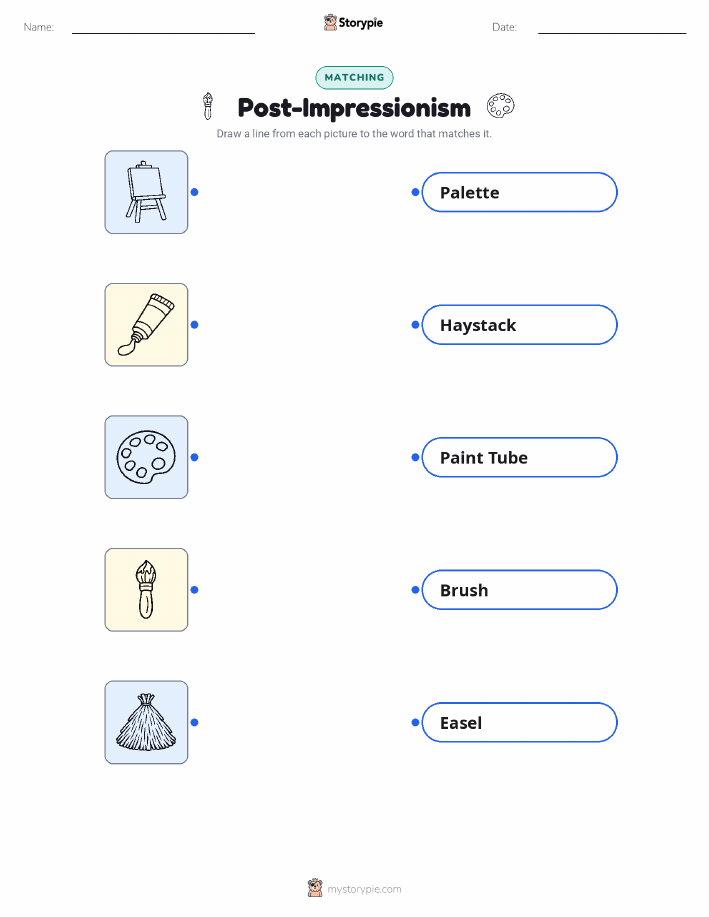
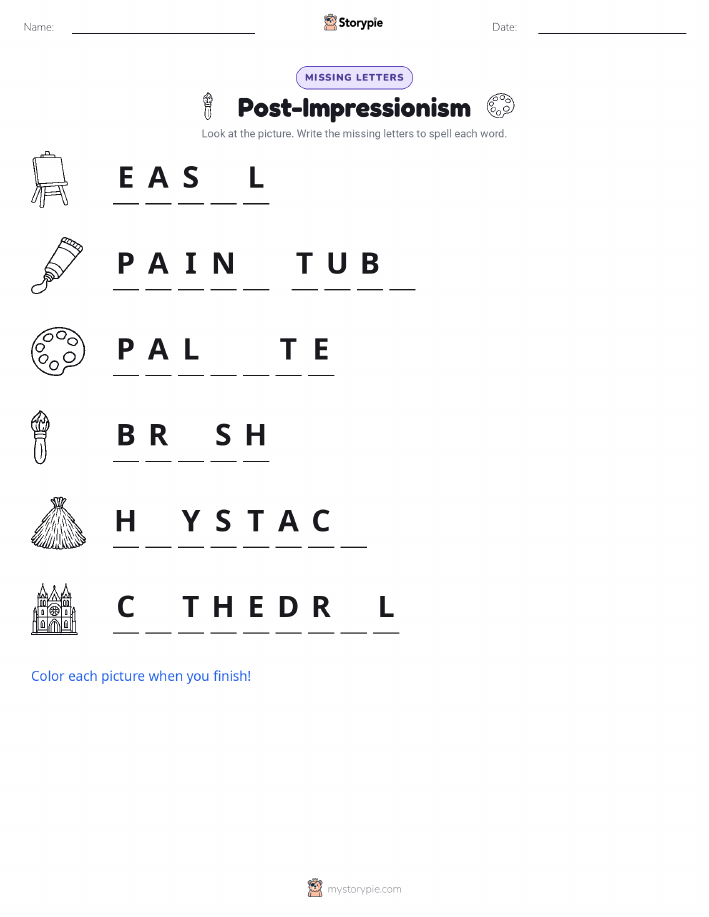
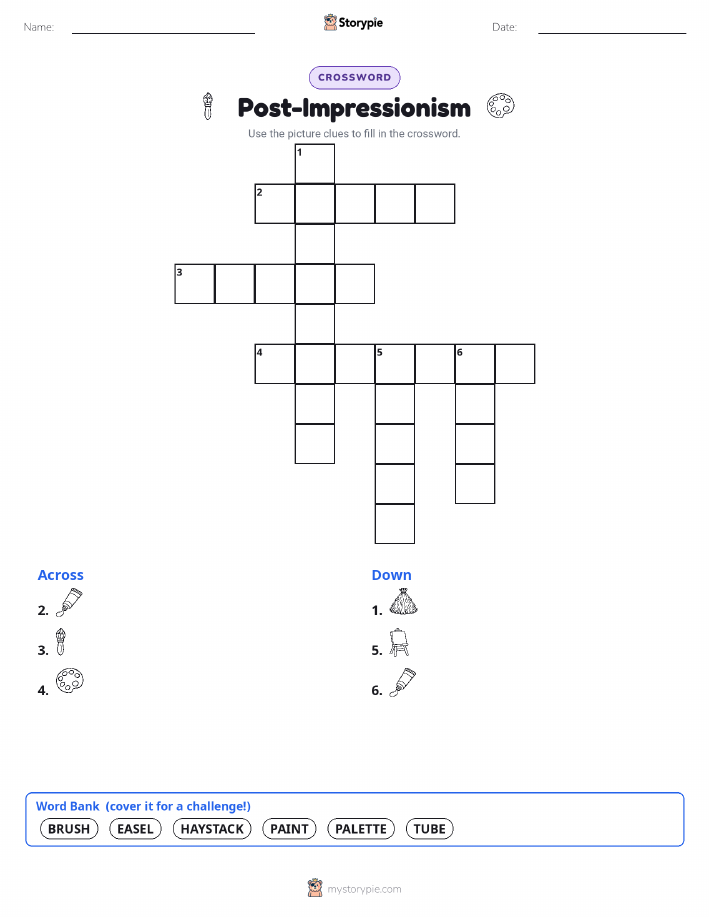
Print & create
Answer keys·No prep·Free with an account
28 worksheets · answer keys · full story · quiz · Ages 6-8 · CEFR A2
Plus adds 291,000+ more stories in 27 languages, audio for every one, and printables for all of them.
Just want Post-Impressionism?

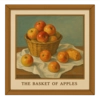
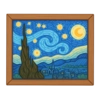
Imagine a painting of a starry night, but the stars are giant, glowing swirls and the sky is a river of deep blue and bright yellow. Or picture an apple that looks so perfectly round and solid you feel like you could pick it right off the table. For a long time, some artists tried to make their paintings look very real. But artists have always loved to show feelings and ideas, too. I came along to give them brand new ways to do this. I let artists use bright, bold colors from their imagination and paint with thick, exciting brushstrokes. I whispered to them, “Don’t just paint what you see, paint what you feel inside.”. I am Post-Impressionism.
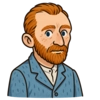
I was born in France around the year 1886, right after a style of painting called Impressionism. The Impressionist artists were wonderful at painting sunlight and quick moments, making everything look shimmery. But some artists wanted to do something new. They wanted their art to be about more than just light. A painter named Paul Cézanne used me to make his paintings look strong and solid, almost like he was building things with shapes and colors. Another artist, Vincent van Gogh, loved me because he could use thick, swirly paint in super bright colors to show his big feelings about the world. And a man named Georges Seurat used me to paint with thousands of tiny dots of color. If you stand back, the dots mix together in your eyes to make a beautiful picture. This was called Pointillism. For a while, nobody knew what to call me. Then, an art critic named Roger Fry used my name for the first time in 1906. A few years later, in 1910, he had a big art show in London called “Manet and the Post-Impressionists,” which made my name famous. My name simply means “after Impressionism.”.
I Am Post-Impressionism
Imagine a painting of a starry night, but the stars are giant, glowing swirls and the sky is a river of deep blue and bright yellow. Or picture an apple that looks so perfectly round and solid you feel like you could pick it right off the table. For a long time, some artists tried to make their paintings look very real. But artists have always loved to show feelings and ideas, too. I came along to give them brand new ways to do this. I let artists use bright, bold colors from their imagination and paint with thick, exciting brushstrokes. I whispered to them, “Don’t just paint what you see, paint what you feel inside.”. I am Post-Impressionism.
I was born in France around the year 1886, right after a style of painting called Impressionism. The Impressionist artists were wonderful at painting sunlight and quick moments, making everything look shimmery. But some artists wanted to do something new. They wanted their art to be about more than just light. A painter named Paul Cézanne used me to make his paintings look strong and solid, almost like he was building things with shapes and colors. Another artist, Vincent van Gogh, loved me because he could use thick, swirly paint in super bright colors to show his big feelings about the world. And a man named Georges Seurat used me to paint with thousands of tiny dots of color. If you stand back, the dots mix together in your eyes to make a beautiful picture. This was called Pointillism. For a while, nobody knew what to call me. Then, an art critic named Roger Fry used my name for the first time in 1906. A few years later, in 1910, he had a big art show in London called “Manet and the Post-Impressionists,” which made my name famous. My name simply means “after Impressionism.”.
Because of me, art changed forever. I showed everyone that a painting didn’t have to look perfectly real. It could be a window into an artist’s heart and mind. The painters who used me were brave. They weren’t afraid to paint a sky orange or a face blue if that’s what they felt. They each created their own special way of seeing the world, and they weren't afraid to share it. Now it’s your turn. The next time you get your crayons, markers, or paints, don’t just think about what something looks like. Think about how it makes you feel. Is it happy and bright yellow. Is it quiet and deep blue. You can be a brave artist, too, and paint your feelings for the whole world to see.
Wow facts
About
A predominantly French art movement from roughly 1886 to 1905 that reacted against Impressionism's naturalism, emphasizing emotional expression, symbolic content, and geometric forms.
Take a Quiz
Question 1 of 4
Why did some artists want a new way to paint after Impressionism?
Explore next

Want to do even more?
Go beyond exploring. Unlock tools that turn every story into real learning.

Storypie Plus for families
Full stories, quizzes, and printables. Nights and car rides, sorted.
- Unlimited audio stories
- Create Mode: your child stars in the story
- Offline downloads
- Printable worksheets & coloring pages

Why Storypie for Schools
Students engaged. Prep in seconds. Evenings back to you.
- Worksheets & Quizzes
- Classroom Management
- Formative Assessment
- Custom Curriculum & Lesson Plans
- 27 Languages

Why Storypie for Homeschool
Curriculum done. They'll ask for more. Hours back in your day.
- Worksheet Generator
- First-Person Audio Stories
- Built-in Comprehension Quizzes
- Custom Curriculum & Lesson Plans
- Print & Go Activities