English

Probability
Probability is the branch of mathematics concerning numerical descriptions of how likely an event is to occur…
Reads at Grades 3–5 Listens at Grades 1–5
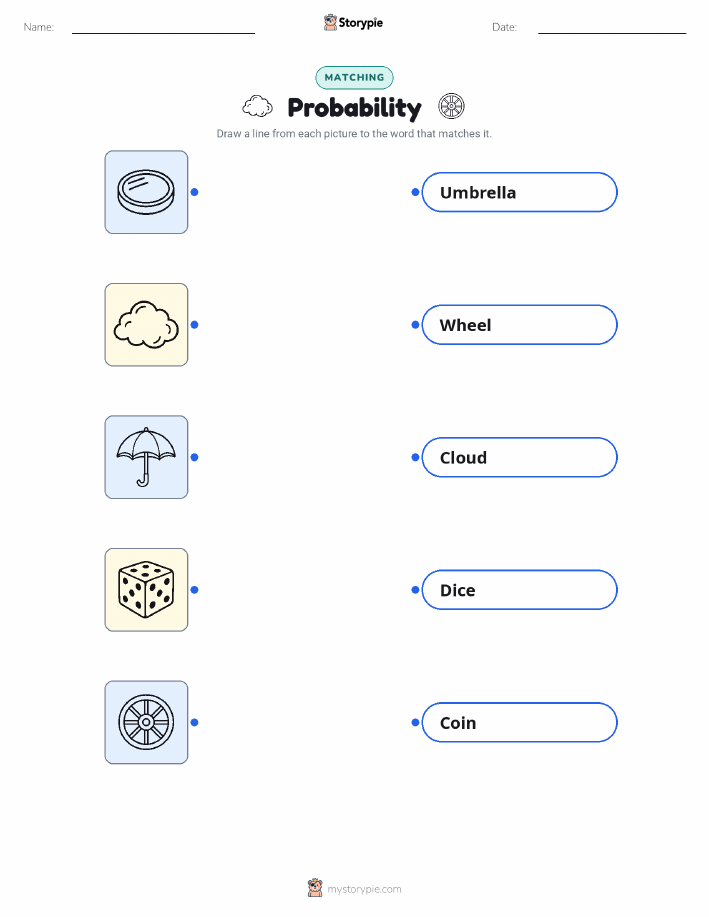
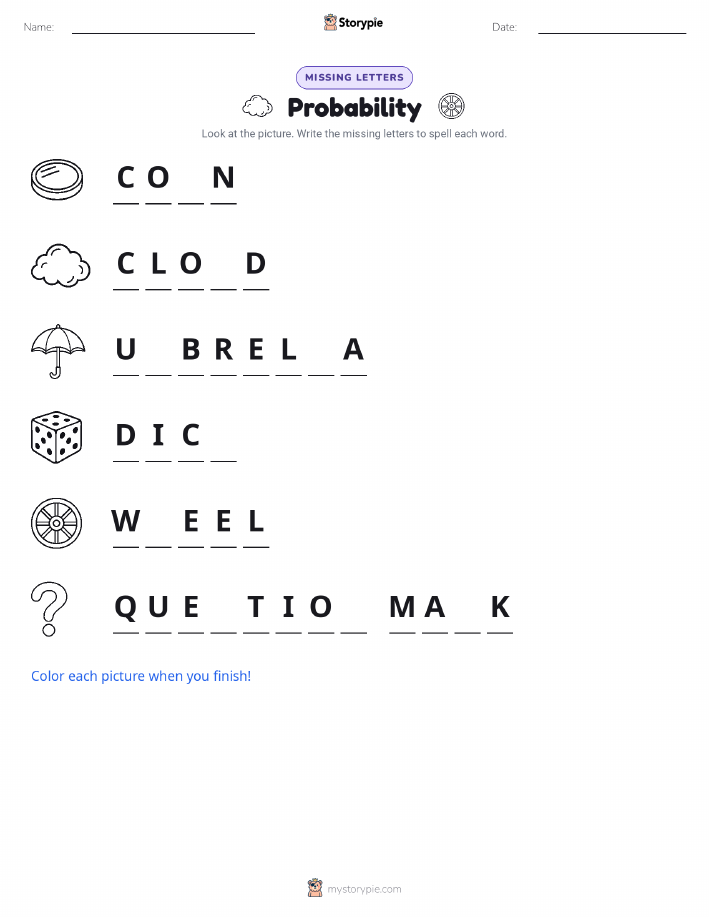
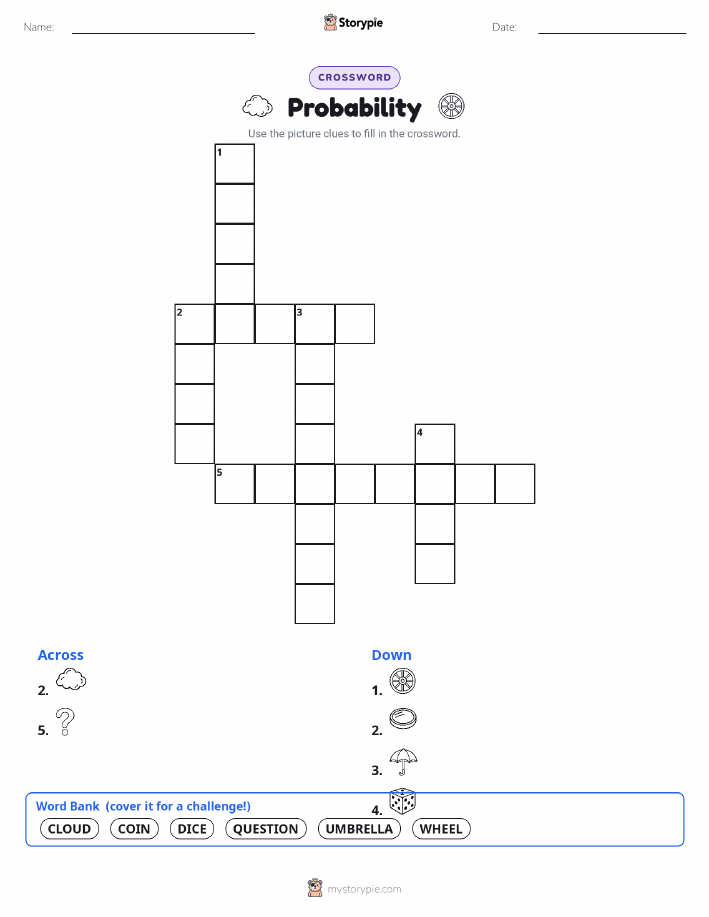
Print & create
Answer keys·No prep·Free with an account
28 worksheets · answer keys · full story · quiz · Ages 8-10 · CEFR B1
Plus adds 280,000+ more stories in 27 languages, audio for every one, and printables for all of them.
Just want Probability?
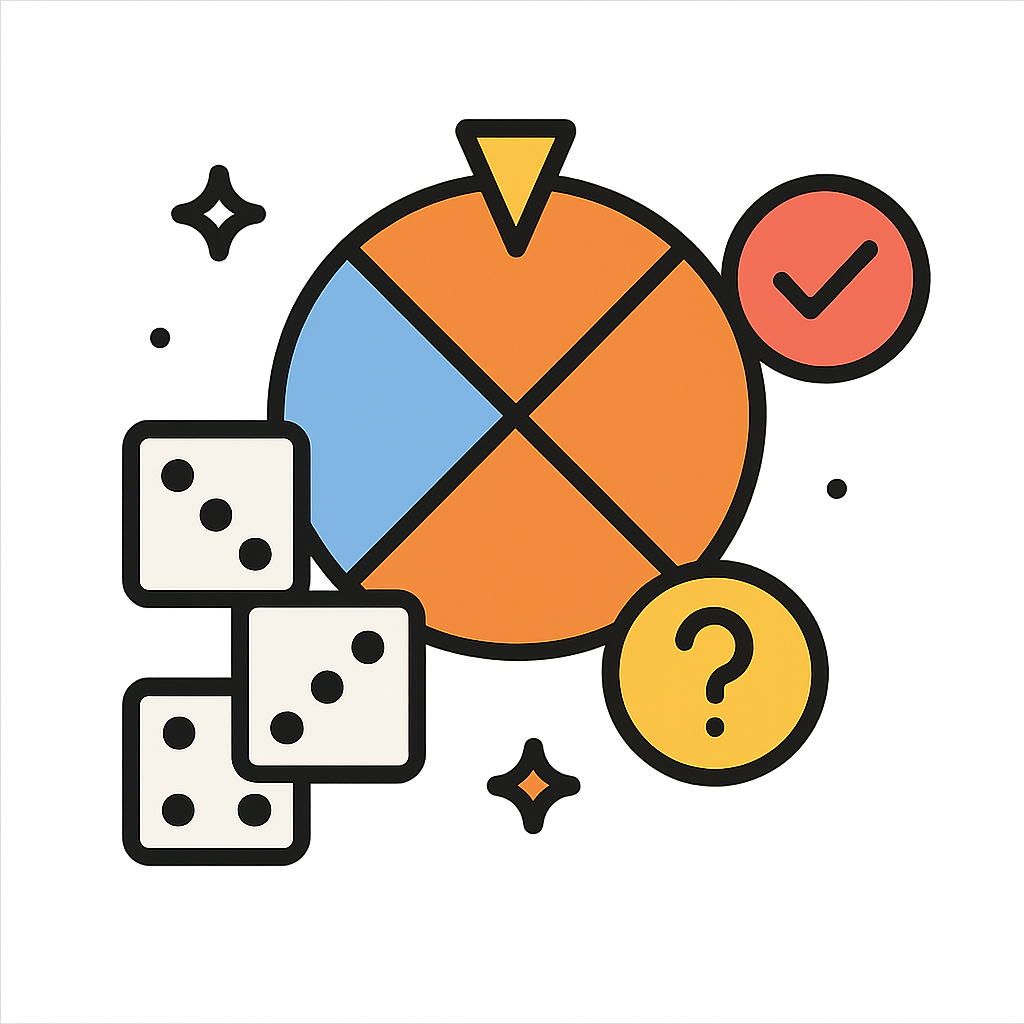
Have you ever flipped a coin and shouted “Heads!” before it lands? Or wondered if you should bring an umbrella even when the sun is shining? That feeling of not knowing for sure, but having a pretty good guess—that’s me. I am the ‘maybe’ and the ‘what if.’ I live in the space between a definite ‘yes’ and a solid ‘no.’ Can you imagine a world without being able to make a good guess? For a long time, that’s how it was. I’m in every roll of the dice in a board game and in every shuffle of a deck of cards. Before people knew my name, they just called it luck or chance. They hoped for the best, crossed their fingers, and waited to see what would happen. They always felt me there, whispering about what *could* be, but they couldn't quite understand my language. It was a world of pure mystery. Hello there, my name is Probability, and my story is about how I went from being a mystery to a helpful friend who can help you understand the wonderful world of chance.
For a long, long time, people thought I was just a puzzle with no solution. But then, they started to get curious, especially when they were playing games. A very clever man in Italy named Gerolamo Cardano, who lived over 400 years ago, loved games of chance. He spent a lot of time thinking about dice and cards. Around the year 1564, he wrote a book called *Book on Games of Chance*. In its pages, he tried to use numbers to figure me out. He was one of the very first people to realize that I wasn’t just random luck. He saw that I had rules and patterns, just like math. It was like he found the first few words of my secret language. Then, on a summer day in 1654, two very smart friends in France, Blaise Pascal and Pierre de Fermat, started writing letters to each other. A friend of theirs had a tricky question about a dice game. The game had to stop early, and they needed to know how to split the prize money fairly. Pascal and Fermat realized they could use math to figure out the chances each player had of winning if the game had continued. They discovered that by counting all the possible ways the game could end, they could predict what was *most likely* to happen. They turned me from a guessing game into a real science. They gave me a voice, and that voice was numbers. Suddenly, I wasn't so mysterious anymore.
The Great 'What If?'
Have you ever flipped a coin and shouted “Heads!” before it lands? Or wondered if you should bring an umbrella even when the sun is shining? That feeling of not knowing for sure, but having a pretty good guess—that’s me. I am the ‘maybe’ and the ‘what if.’ I live in the space between a definite ‘yes’ and a solid ‘no.’ Can you imagine a world without being able to make a good guess? For a long time, that’s how it was. I’m in every roll of the dice in a board game and in every shuffle of a deck of cards. Before people knew my name, they just called it luck or chance. They hoped for the best, crossed their fingers, and waited to see what would happen. They always felt me there, whispering about what could be, but they couldn't quite understand my language. It was a world of pure mystery. Hello there, my name is Probability, and my story is about how I went from being a mystery to a helpful friend who can help you understand the wonderful world of chance.
For a long, long time, people thought I was just a puzzle with no solution. But then, they started to get curious, especially when they were playing games. A very clever man in Italy named Gerolamo Cardano, who lived over 400 years ago, loved games of chance. He spent a lot of time thinking about dice and cards. Around the year 1564, he wrote a book called Book on Games of Chance. In its pages, he tried to use numbers to figure me out. He was one of the very first people to realize that I wasn’t just random luck. He saw that I had rules and patterns, just like math. It was like he found the first few words of my secret language. Then, on a summer day in 1654, two very smart friends in France, Blaise Pascal and Pierre de Fermat, started writing letters to each other. A friend of theirs had a tricky question about a dice game. The game had to stop early, and they needed to know how to split the prize money fairly. Pascal and Fermat realized they could use math to figure out the chances each player had of winning if the game had continued. They discovered that by counting all the possible ways the game could end, they could predict what was most likely to happen. They turned me from a guessing game into a real science. They gave me a voice, and that voice was numbers. Suddenly, I wasn't so mysterious anymore.
Today, I’m everywhere, and I’m much more than just a helper for games. When a weather forecaster says there’s a 70% chance of rain, that’s me. I’m helping you decide whether to pack a raincoat for your school trip. When doctors test a new medicine, they use me to understand how likely it is to make people better and help them heal. I help design your favorite video games, deciding the chances of you finding a rare treasure or defeating a big boss. I even help scientists explore space by calculating the likelihood of a meteor shower or the safest path for a rocket. I don’t give you a crystal ball to see the future perfectly, but I give you something even better: the power to make smart choices. I help you weigh the possibilities, understand risks, and plan ahead. So next time you wonder ‘what if?’, remember me. I’m Probability, and I'm here to help you navigate the amazing possibilities of tomorrow.
Wow facts
About
Probability is the branch of mathematics concerning numerical descriptions of how likely an event is to occur, or how likely it is that a proposition is true.
Take a Quiz
Question 1 of 5
What problem did Blaise Pascal and Pierre de Fermat solve, and how did they do it?
Explore next




Want to do even more?
Go beyond exploring. Unlock tools that turn every story into real learning.

Storypie Plus for families
Full stories, quizzes, and printables. Nights and car rides, sorted.
- Unlimited audio stories
- Create Mode: your child stars in the story
- Offline downloads
- Printable worksheets & coloring pages

Why Storypie for Schools
Students engaged. Prep in seconds. Evenings back to you.
- Worksheets & Quizzes
- Classroom Management
- Formative Assessment
- Custom Curriculum & Lesson Plans
- 27 Languages

Why Storypie for Homeschool
Curriculum done. They'll ask for more. Hours back in your day.
- Worksheet Generator
- First-Person Audio Stories
- Built-in Comprehension Quizzes
- Custom Curriculum & Lesson Plans
- Print & Go Activities