English

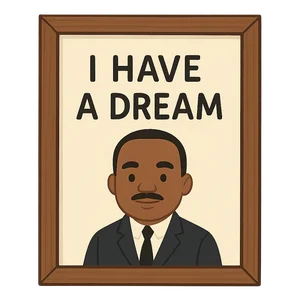
I Have a Dream
A landmark public speech delivered by American civil rights activist Martin Luther King Jr.
Reads at Grades 6–8 Listens at Grades 4–8
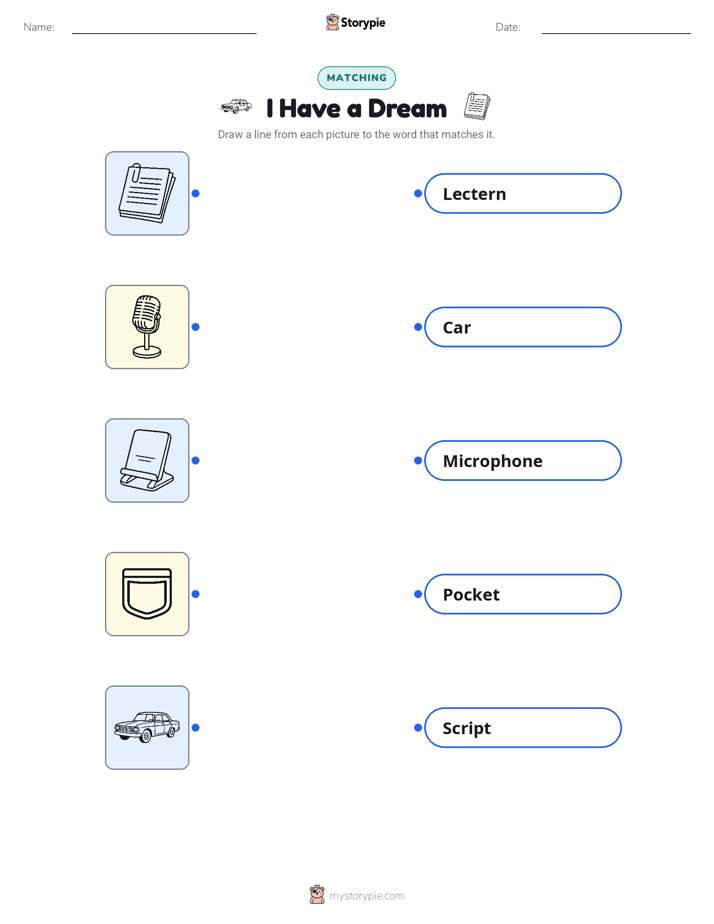
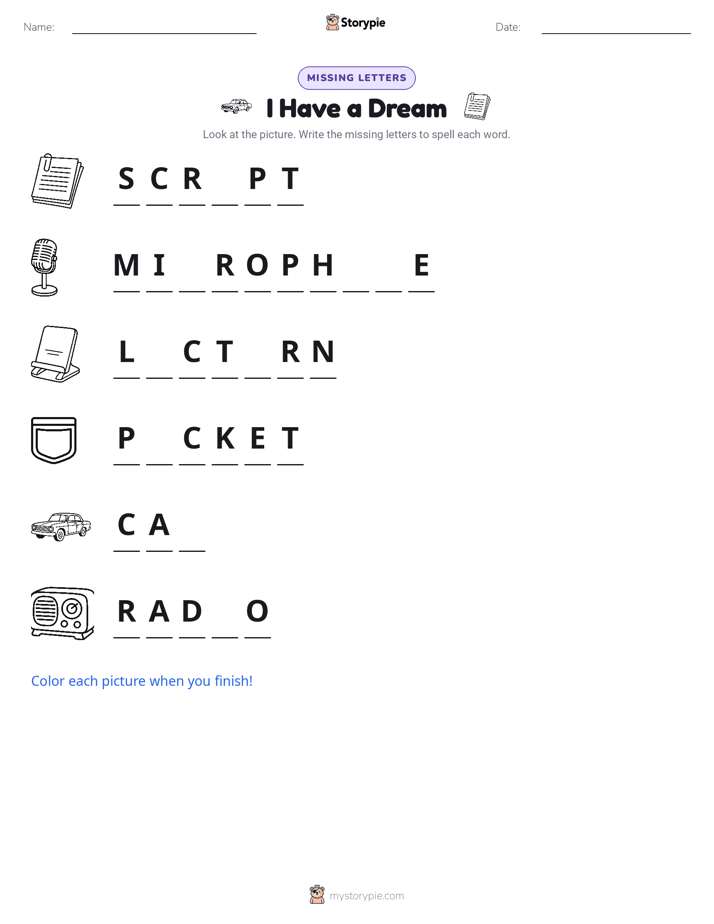
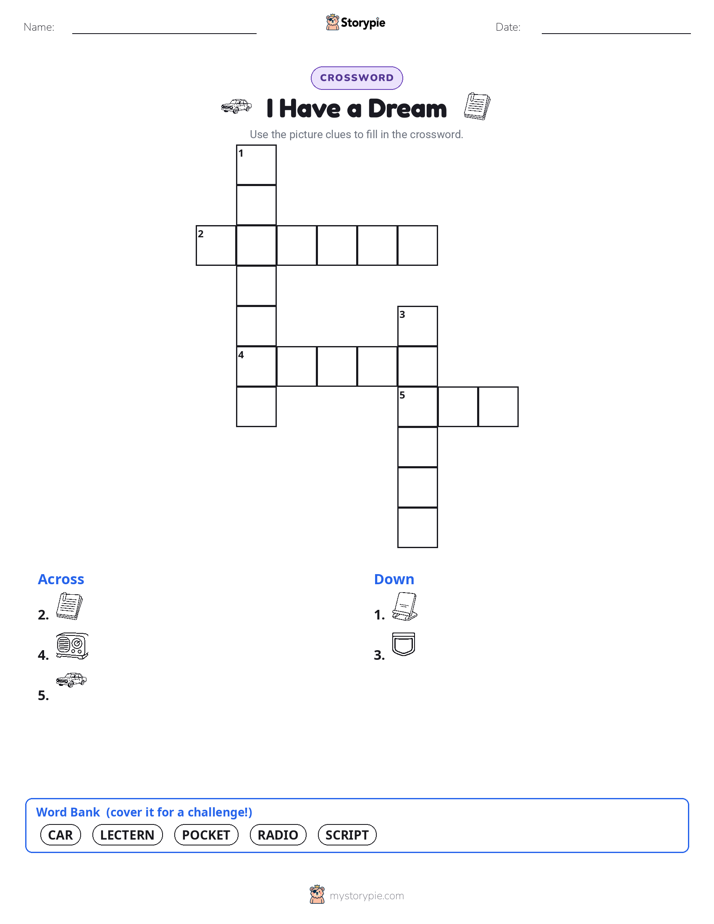
Print & create
Answer keys·No prep·Free with an account
28 worksheets · answer keys · full story · quiz · Ages 10-12 · CEFR B2
Plus adds 164,000+ more stories in 27 languages, audio for every one, and printables for all of them.
Just want I Have a Dream?
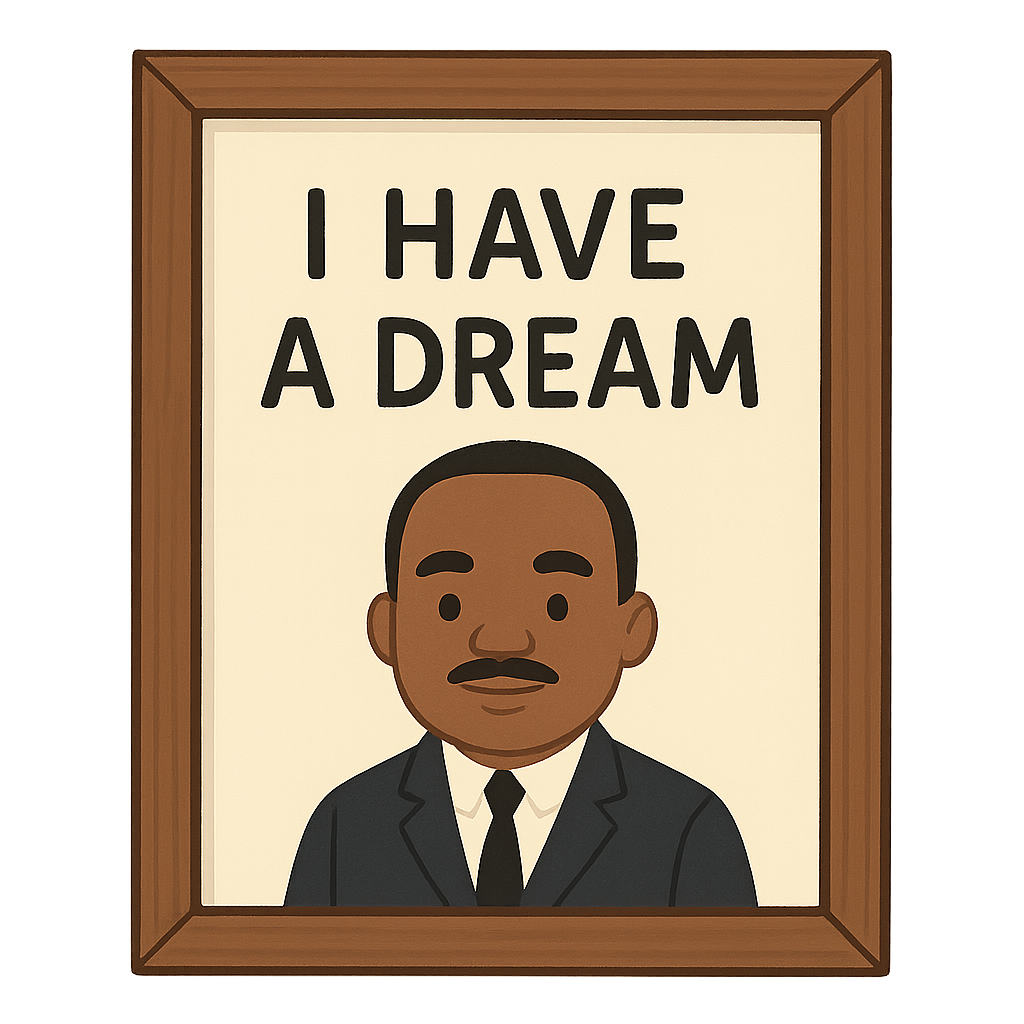
Before I had a voice, I was a feeling. I was a murmur of hope on the hot, humid air of August 28th, 1963, in Washington, D.C. Imagine a vast sea of people, more than 250,000 of them, standing shoulder to shoulder on the National Mall. They were a beautiful tapestry of humanity—Black and white, young and old—and their faces were turned toward the grand, white marble statue of Abraham Lincoln, a president who had signed the Emancipation Proclamation a century before. Yet, freedom was not fully won. That day, the air was thick not only with summer heat but with a powerful mix of emotions. There was a deep frustration with the pain of segregation and injustice, a weariness from a long and difficult struggle. But stronger than all of that was an undeniable current of hope, a collective yearning for a promise to finally be fulfilled. I was that yearning, a silent prayer for dignity and equality, waiting for someone to give me words.
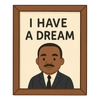
That someone was Dr. Martin Luther King Jr. He was the man who would give me life. The night before the march, on August 27th, 1963, he sat in his hotel room, carefully crafting the words that would become my bones. He knew this was a critical moment in history. He and his advisors worked to find the perfect phrases to explain the urgency of the Civil Rights Movement to the nation and the world. He wanted to speak of broken promises and the fierce need for change, but also of a vision for a united America. He carried me in his pocket the next day, a neatly typed script for the March on Washington for Jobs and Freedom. As he stepped to the microphone, looking out at the endless ocean of expectant faces, I could feel the weight of the moment. I am the 'I Have a Dream' speech, and this is the story of how I became more than just words on a page.
I Am a Dream
Before I had a voice, I was a feeling. I was a murmur of hope on the hot, humid air of August 28th, 1963, in Washington, D.C. Imagine a vast sea of people, more than 250,000 of them, standing shoulder to shoulder on the National Mall. They were a beautiful tapestry of humanity—Black and white, young and old—and their faces were turned toward the grand, white marble statue of Abraham Lincoln, a president who had signed the Emancipation Proclamation a century before. Yet, freedom was not fully won. That day, the air was thick not only with summer heat but with a powerful mix of emotions. There was a deep frustration with the pain of segregation and injustice, a weariness from a long and difficult struggle. But stronger than all of that was an undeniable current of hope, a collective yearning for a promise to finally be fulfilled. I was that yearning, a silent prayer for dignity and equality, waiting for someone to give me words.
That someone was Dr. Martin Luther King Jr. He was the man who would give me life. The night before the march, on August 27th, 1963, he sat in his hotel room, carefully crafting the words that would become my bones. He knew this was a critical moment in history. He and his advisors worked to find the perfect phrases to explain the urgency of the Civil Rights Movement to the nation and the world. He wanted to speak of broken promises and the fierce need for change, but also of a vision for a united America. He carried me in his pocket the next day, a neatly typed script for the March on Washington for Jobs and Freedom. As he stepped to the microphone, looking out at the endless ocean of expectant faces, I could feel the weight of the moment. I am the 'I Have a Dream' speech, and this is the story of how I became more than just words on a page.
Dr. King began by reading from his prepared text. His voice was strong and steady, speaking of the 'promissory note' of freedom that had come back marked 'insufficient funds' for Black Americans. The crowd listened intently, applauding his powerful arguments. But then, something shifted. The great gospel singer Mahalia Jackson, who was standing near the stage, felt the spirit of the moment and called out, 'Tell them about the dream, Martin! Tell them about the dream!'. In that instant, history pivoted. Dr. King pushed his written pages to the side of the lectern. He looked up from his notes and into the hearts of the people before him. And then, I was truly born. I burst forth not from a script, but from a place of deep faith and conviction. The rhythm of his voice changed, rising and falling like a powerful sermon. 'I have a dream,' he declared, and the words echoed across the Mall. With each repetition, I painted a more vivid picture of the future: a nation where his 'four little children will one day live in a nation where they will not be judged by the color of their skin but by the content of their character.' I was no longer just an idea; I was a symphony of hope, and the crowd became my choir, their cheers and tears rising to meet me.
My journey did not end at the steps of the Lincoln Memorial. That day, I traveled far beyond Washington, D.C., carried on invisible waves through televisions and radios into millions of American homes. For many people who had only seen angry headlines or confusing reports, I was the first time they truly heard and understood the heart of the Civil Rights Movement. I explained that the struggle was not about hatred, but about love. It was not about division, but about fulfilling the nation’s founding promise of equality for all its citizens. I was more than just an eloquent string of sentences; I became a catalyst for change. My call for a nonviolent, determined struggle for justice helped galvanize public support and put pressure on political leaders. My echoes were felt in the halls of Congress, helping to build the momentum that led to the passage of two landmark pieces of legislation: the Civil Rights Act of 1964, which outlawed segregation in public places, and the Voting Rights Act of 1965, which protected the right of all citizens to vote.
Today, I am no longer just a memory from a sweltering summer day in 1963. I live on. I am studied in classrooms by students who were born long after that march. My words are quoted by people all over the world who continue to fight for justice and human rights. I exist in the hearts of anyone who dares to believe in a better, more fair, and more compassionate world. My purpose continues to be a reminder to all of humanity that a single, powerful dream, when spoken with courage and conviction, has the power to connect us, to inspire generations, and to keep the work of building a more just world moving ever forward.
Wow facts
About
A landmark public speech delivered by American civil rights activist Martin Luther King Jr. during the March on Washington for Jobs and Freedom on August 28th, 1963, in which he called for civil and economic rights and an end to racism in the United States.
Take a Quiz
Question 1 of 5
In your own words, retell the main events of how the 'I Have a Dream' speech came to be, from being an idea to its final delivery.
Explore next



Want to do even more?
Go beyond exploring. Unlock tools that turn every story into real learning.

Storypie Plus for families
Full stories, quizzes, and printables. Nights and car rides, sorted.
- Unlimited audio stories
- Create Mode: your child stars in the story
- Offline downloads
- Printable worksheets & coloring pages

Why Storypie for Schools
Students engaged. Prep in seconds. Evenings back to you.
- Worksheets & Quizzes
- Classroom Management
- Formative Assessment
- Custom Curriculum & Lesson Plans
- 27 Languages

Why Storypie for Homeschool
Curriculum done. They'll ask for more. Hours back in your day.
- Worksheet Generator
- First-Person Audio Stories
- Built-in Comprehension Quizzes
- Custom Curriculum & Lesson Plans
- Print & Go Activities