English

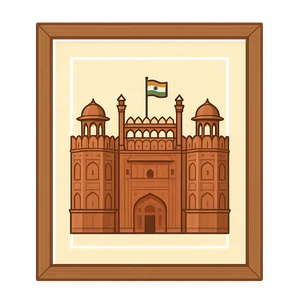
Red Fort
A historic fortress in Delhi, India, built by Mughal Emperor Shah Jahan in the 17th century.
Reads at Grades 3–5 Listens at Grades 1–5
Print & create
Answer keys·No prep·Free with an account
28 worksheets · answer keys · full story · quiz · Ages 8-10 · CEFR B1
Plus adds 244,000+ more stories in 27 languages, audio for every one, and printables for all of them.
Just want Red Fort?
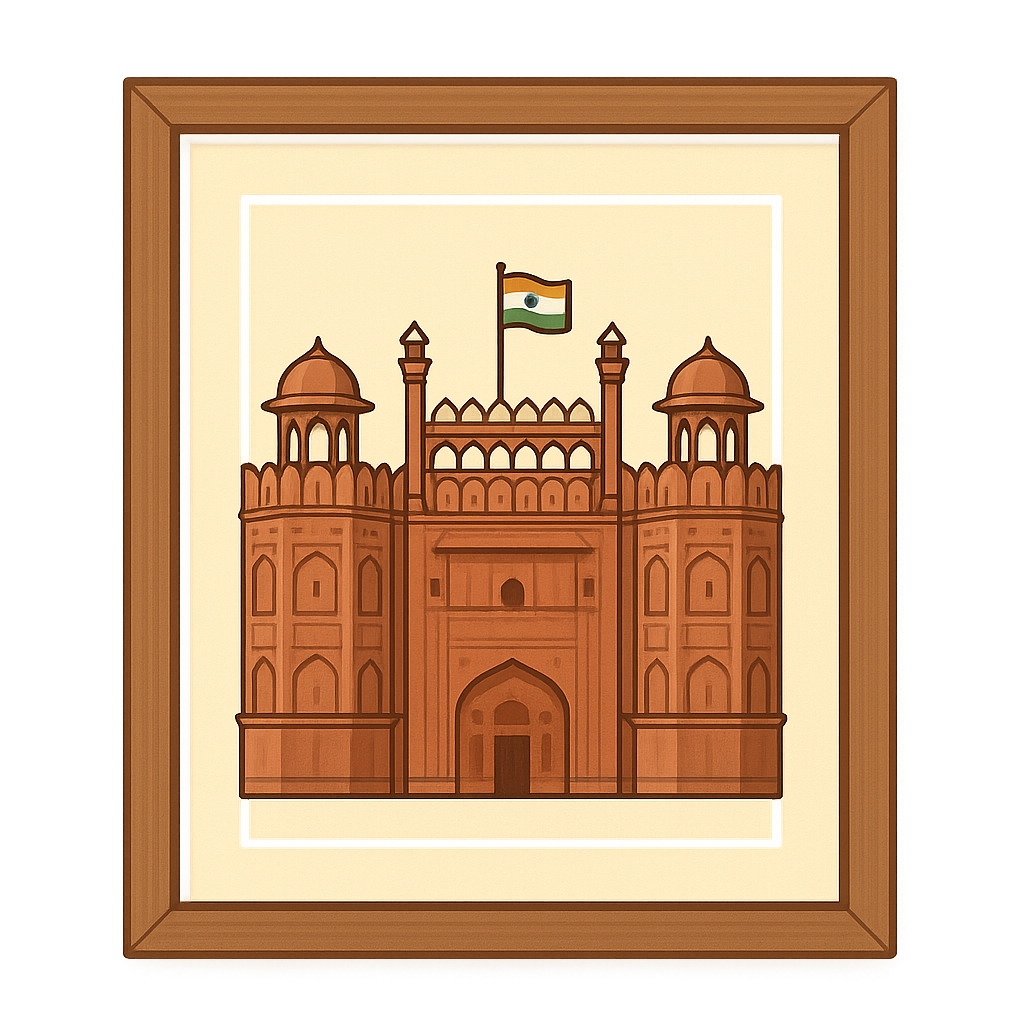
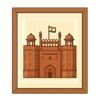
The morning sun feels warm as it spreads across my massive walls. I am made of a special red sandstone that makes me glow like a giant ruby in the light. From my high ramparts and tall towers, I watch over the busy, noisy city of Delhi in India. My walls stretch for more than a mile, protecting beautiful secrets inside. Can you imagine stacking stones so high and so wide without modern machines. It took thousands of people a very long time to build me. My real name is Lal Qila, which means Red Fort, and I was built to be a fortress and a palace all in one. People from all over the world come to walk through my grand gates, like the famous Lahore Gate, to see the wonders I hold. I am a symbol of strength and beauty, and I have many stories to tell.
I was born from the dream of a great Mughal emperor named Shah Jahan. He was the very same man who created the beautiful Taj Mahal for his wife. In the year 1638, he decided that his empire needed a new capital city, which he called Shahjahanabad. He wanted me to be its magnificent heart, a place of power and incredible beauty. For ten whole years, from 1638 until I was finished on April 6th, 1648, thousands of skilled builders worked to bring me to life. They carved my red sandstone walls with amazing detail and built stunning palaces of pure white marble inside me. I was a city within a city, filled with lush gardens, sparkling fountains, and halls decorated with precious jewels. One of the most famous rooms is the Diwan-i-Khas, or Hall of Private Audience. It was here that the emperor met his most important guests, sitting on a spectacular throne called the Peacock Throne, which was covered in gold and gems.
The Story of the Red Fort
The morning sun feels warm as it spreads across my massive walls. I am made of a special red sandstone that makes me glow like a giant ruby in the light. From my high ramparts and tall towers, I watch over the busy, noisy city of Delhi in India. My walls stretch for more than a mile, protecting beautiful secrets inside. Can you imagine stacking stones so high and so wide without modern machines. It took thousands of people a very long time to build me. My real name is Lal Qila, which means Red Fort, and I was built to be a fortress and a palace all in one. People from all over the world come to walk through my grand gates, like the famous Lahore Gate, to see the wonders I hold. I am a symbol of strength and beauty, and I have many stories to tell.
I was born from the dream of a great Mughal emperor named Shah Jahan. He was the very same man who created the beautiful Taj Mahal for his wife. In the year 1638, he decided that his empire needed a new capital city, which he called Shahjahanabad. He wanted me to be its magnificent heart, a place of power and incredible beauty. For ten whole years, from 1638 until I was finished on April 6th, 1648, thousands of skilled builders worked to bring me to life. They carved my red sandstone walls with amazing detail and built stunning palaces of pure white marble inside me. I was a city within a city, filled with lush gardens, sparkling fountains, and halls decorated with precious jewels. One of the most famous rooms is the Diwan-i-Khas, or Hall of Private Audience. It was here that the emperor met his most important guests, sitting on a spectacular throne called the Peacock Throne, which was covered in gold and gems.
For hundreds of years, I was the home of emperors and the center of the powerful Mughal Empire. I watched countless parades, grand festivals, and history being made right before my eyes. I saw emperors come and go, and I heard the secrets of the court whispered in my hallways. But as time passed, the world outside my walls changed. The Mughal Empire grew weaker, and new rulers came to India. My purpose began to shift from a palace to a military fort. Then came a very special day that changed my story forever: August 15th, 1947. On that day, India became an independent country, free from British rule. Its very first Prime Minister, Jawaharlal Nehru, stood upon my ramparts and raised the new Indian flag from my main gate for the whole nation to see. From that moment on, I was no longer just a fort or a palace; I became a symbol of freedom for a whole nation.
Today, I am no longer a home for emperors, but I am still full of life and purpose. I am a UNESCO World Heritage Site, which means I am considered important to the history of the entire world. Every year on Independence Day, the Prime Minister of India speaks to the country from my walls, continuing the proud tradition that began back in 1947. Visitors wander through my halls and gardens, imagining the stories I hold within my stone walls. They gaze at the intricate carvings and the marble palaces, getting a glimpse of a glorious past. I am a proud reminder of a brilliant history and a bright future. I stand tall to show everyone that great dreams, when built with care and imagination, can last forever and inspire people for generations to come.
Wow facts
About
A historic fortress in Delhi, India, built by Mughal Emperor Shah Jahan in the 17th century. It served as the main residence of the Mughal emperors and is a powerful symbol of India's sovereignty.
Take a Quiz
Question 1 of 5
The story says the Red Fort was a 'city within a city.' What does this mean?
Explore next





Want to do even more?
Go beyond exploring. Unlock tools that turn every story into real learning.

Storypie Plus for families
Full stories, quizzes, and printables. Nights and car rides, sorted.
- Unlimited audio stories
- Create Mode: your child stars in the story
- Offline downloads
- Printable worksheets & coloring pages

Why Storypie for Schools
Students engaged. Prep in seconds. Evenings back to you.
- Worksheets & Quizzes
- Classroom Management
- Formative Assessment
- Custom Curriculum & Lesson Plans
- 27 Languages

Why Storypie for Homeschool
Curriculum done. They'll ask for more. Hours back in your day.
- Worksheet Generator
- First-Person Audio Stories
- Built-in Comprehension Quizzes
- Custom Curriculum & Lesson Plans
- Print & Go Activities