English

Silk
Silk is a luxurious natural fiber produced from the cocoons of silkworms…
Reads at Grades 6–8 Listens at Grades 4–8
Print & create
Answer keys·No prep·Free with an account
28 worksheets · answer keys · full story · quiz · Ages 10-12 · CEFR B2
Plus adds 164,000+ more stories in 27 languages, audio for every one, and printables for all of them.
Just want Silk?
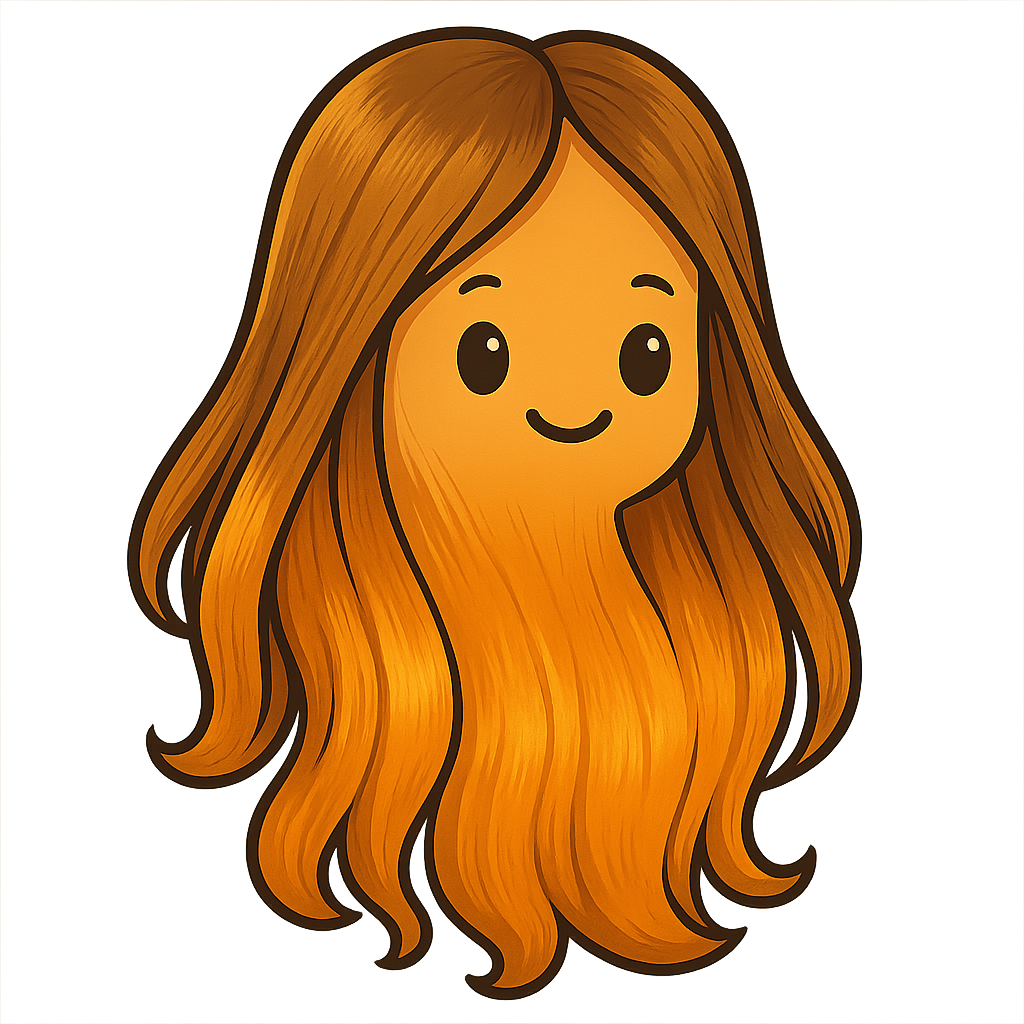
I am lighter than a feather, yet some of my threads are stronger than steel of the same thickness. I catch the light and shimmer with a hundred different colors, like a trapped rainbow or the surface of a pearl. Before I became a queen's robe, an emperor's banner, or a merchant's most prized possession, I was a tiny, pearly home, carefully spun in the leaves of a mulberry tree. For thousands of years, my beginning was one of the world's most carefully guarded secrets, a mystery that empires longed to solve. I am the whisper of luxury, the thread that connects history, and the fabric of legends. I am Silk. My journey is one of patience, discovery, and a single, continuous strand that would eventually wrap around the entire world, changing it forever.
My story, as humans tell it, begins with a legend in ancient China, way back in the 27th century BCE. The Empress Leizu, the wife of the great Yellow Emperor, was enjoying a cup of hot tea in her imperial garden, surrounded by fragrant blossoms and the shade of mulberry trees. As she sat peacefully, a small, white pod dropped from a branch above and landed right in her steaming cup. Curious, she gently fished it out. As the heat of the tea softened the cocoon, she was astonished to see it begin to unravel. It wasn't just a jumble of fibers; it was a single, unbroken, shimmering strand that seemed to go on forever. This was my birth as a fabric. The Empress realized that this amazing thread, spun by the Bombyx mori silkworm, could be woven into a cloth of unparalleled softness and beauty. She became the first to teach her people the delicate art of raising the silkworms, a process we now call sericulture. She showed them how to carefully unwind my cocoons and weave me into the beautiful, soft cloth that would become the envy of the entire world.
A Thread Through History: The Story of Silk
I am lighter than a feather, yet some of my threads are stronger than steel of the same thickness. I catch the light and shimmer with a hundred different colors, like a trapped rainbow or the surface of a pearl. Before I became a queen's robe, an emperor's banner, or a merchant's most prized possession, I was a tiny, pearly home, carefully spun in the leaves of a mulberry tree. For thousands of years, my beginning was one of the world's most carefully guarded secrets, a mystery that empires longed to solve. I am the whisper of luxury, the thread that connects history, and the fabric of legends. I am Silk. My journey is one of patience, discovery, and a single, continuous strand that would eventually wrap around the entire world, changing it forever.
My story, as humans tell it, begins with a legend in ancient China, way back in the 27th century BCE. The Empress Leizu, the wife of the great Yellow Emperor, was enjoying a cup of hot tea in her imperial garden, surrounded by fragrant blossoms and the shade of mulberry trees. As she sat peacefully, a small, white pod dropped from a branch above and landed right in her steaming cup. Curious, she gently fished it out. As the heat of the tea softened the cocoon, she was astonished to see it begin to unravel. It wasn't just a jumble of fibers; it was a single, unbroken, shimmering strand that seemed to go on forever. This was my birth as a fabric. The Empress realized that this amazing thread, spun by the Bombyx mori silkworm, could be woven into a cloth of unparalleled softness and beauty. She became the first to teach her people the delicate art of raising the silkworms, a process we now call sericulture. She showed them how to carefully unwind my cocoons and weave me into the beautiful, soft cloth that would become the envy of the entire world.
For nearly 3,000 years, I belonged exclusively to China. The secret of how I was made—from the diet of the silkworms to the intricate weaving process—was guarded more closely than any jewel or fortress. To reveal the secrets of my creation was an act of treason. Only emperors, their families, and the highest nobles were permitted to wear me. My smooth, cool touch against the skin was a sign of ultimate power and immense wealth. My value was so great that I was often used as a form of currency, with bolts of my fabric used to pay soldiers and civil servants or to trade for other valuable goods. The emperors of China understood my power; controlling my production meant controlling a source of incredible economic strength. The punishment for smuggling silkworm eggs, the silkworms themselves, or even the seeds of the mulberry trees they feasted on was severe: death. I was more than just a beautiful fabric; I was a symbol of China's ingenuity and a national treasure that the rest of the world could only dream of touching.
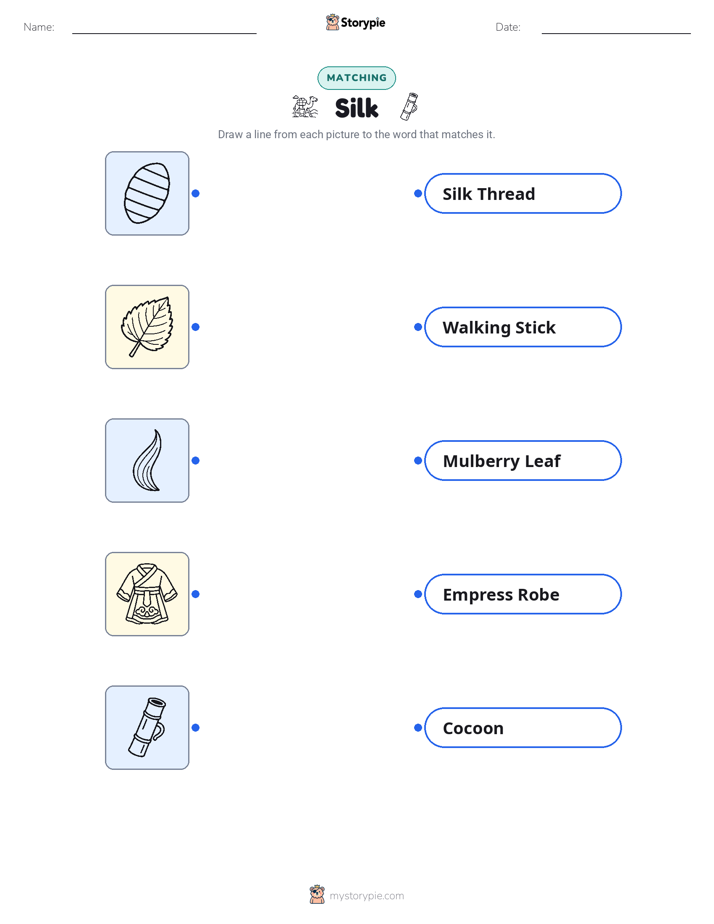
But even the most protected secrets cannot be kept forever. Though many tried and failed over the centuries, my journey beyond China truly began around the year 550 CE. According to the story, two monks on a mission for the Byzantine Emperor Justinian I managed to do the impossible. They traveled to China and, upon leaving, hid precious silkworm eggs inside their hollow bamboo walking sticks. This act of industrial espionage brought my secret to the West. However, my influence had already begun to spread long before that. For centuries, brave merchants had traveled thousands of miles across treacherous mountains and scorching deserts to trade me. This vast network of routes, stretching from China to the Mediterranean Sea, became so famous for carrying me that it was named in my honor: The Silk Road. I was the main reason for these long journeys, the star of the show. But I traveled in caravans loaded with spices, jade, glass, and precious metals. The Silk Road did more than just move goods; it connected the great civilizations of the East and West, helping them share not just products, but ideas, art, religions, and cultures.
Once my secret was out, my family of creators grew. People in Persia, India, and across the Byzantine Empire began to master the art of sericulture. Later, during the Middle Ages, Italy and France became famous centers for my production, each adding their own beautiful patterns and unique weaving styles, like damask and brocade. My purpose evolved beyond just clothing for the rich and powerful. Artists painted on me, creating delicate scrolls and vibrant tapestries. Scholars wrote on me before paper became common. My incredible strength and light weight made me useful in unexpected ways. During World War II, I was used to make parachutes for pilots. Even today, doctors use my fine, strong threads as delicate sutures in surgery. Though many modern fabrics now exist, I am still a symbol of elegance, craftsmanship, and natural beauty. From a tiny worm in a mulberry tree to a thread that connected the globe, I am living proof that with patience and care, something small and humble can create a wonder that lasts through the ages, reminding everyone to look for the magic hidden in the world around them.
Wow facts
About
Silk is a luxurious natural fiber produced from the cocoons of silkworms, first developed in ancient China and historically significant for its role in global trade via the Silk Road.
Take a Quiz
Question 1 of 5
What is the central theme of the story 'A Thread Through History: The Story of Silk'?
Explore next



Want to do even more?
Go beyond exploring. Unlock tools that turn every story into real learning.

Storypie Plus for families
Full stories, quizzes, and printables. Nights and car rides, sorted.
- Unlimited audio stories
- Create Mode: your child stars in the story
- Offline downloads
- Printable worksheets & coloring pages

Why Storypie for Schools
Students engaged. Prep in seconds. Evenings back to you.
- Worksheets & Quizzes
- Classroom Management
- Formative Assessment
- Custom Curriculum & Lesson Plans
- 27 Languages

Why Storypie for Homeschool
Curriculum done. They'll ask for more. Hours back in your day.
- Worksheet Generator
- First-Person Audio Stories
- Built-in Comprehension Quizzes
- Custom Curriculum & Lesson Plans
- Print & Go Activities