English

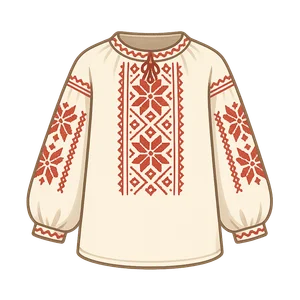
Vyshyvanka
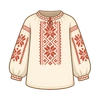
The Vyshyvanka is a traditional Ukrainian embroidered shirt…
Reads at Grades 6–8 Listens at Grades 4–8
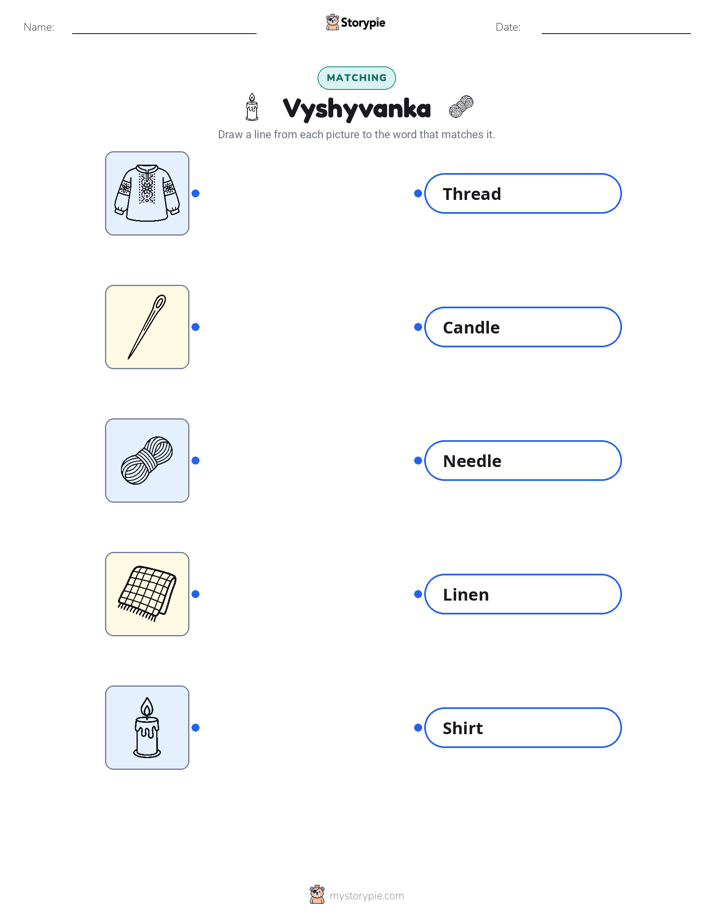
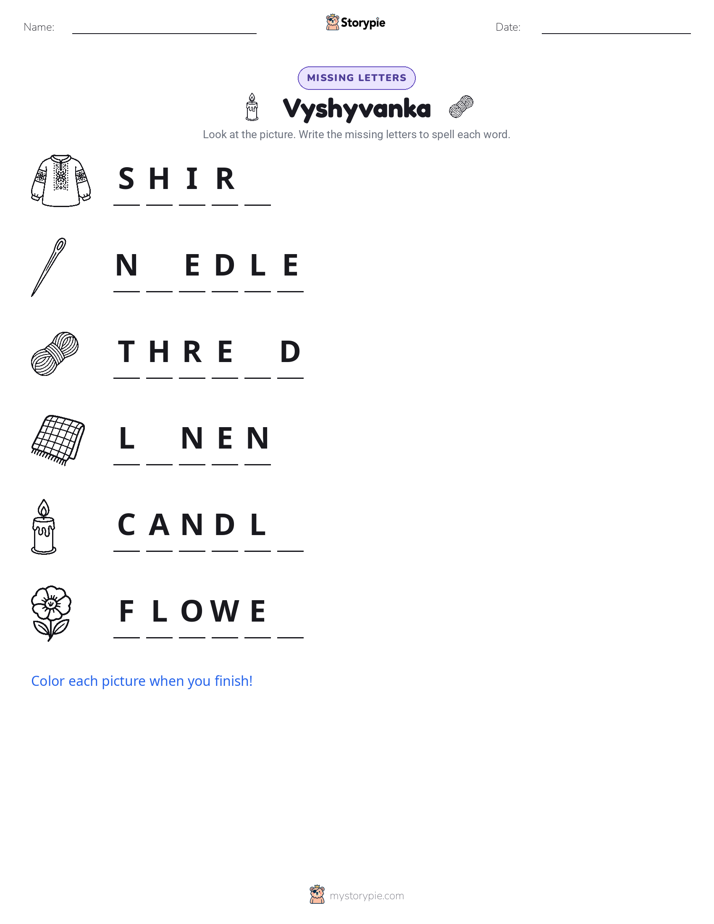
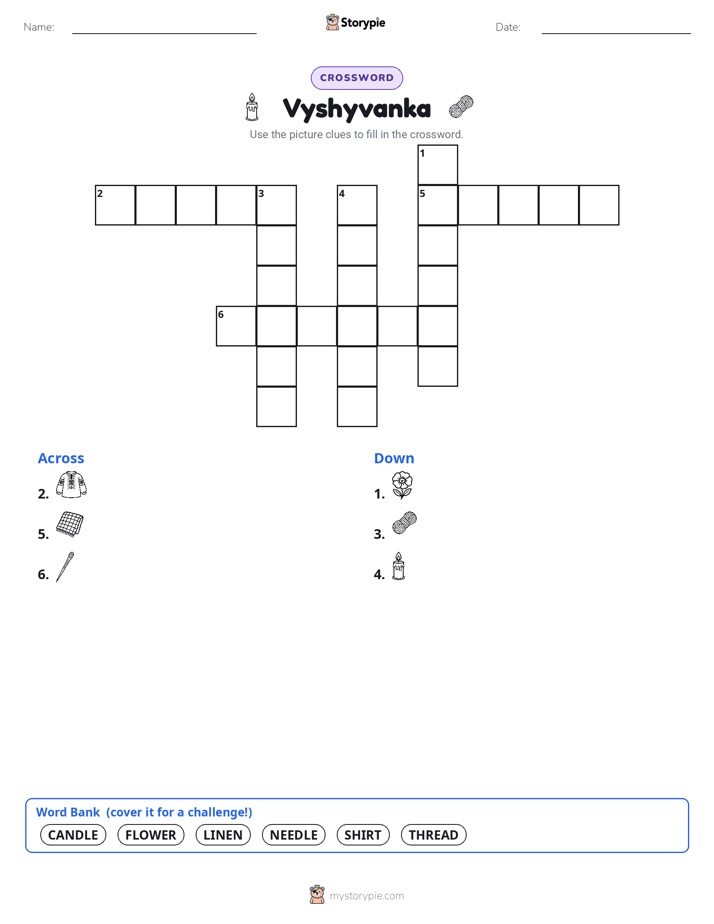
Print & create
Answer keys·No prep·Free with an account
28 worksheets · answer keys · full story · quiz · Ages 10-12 · CEFR B2
Plus adds 164,000+ more stories in 27 languages, audio for every one, and printables for all of them.
Just want Vyshyvanka?
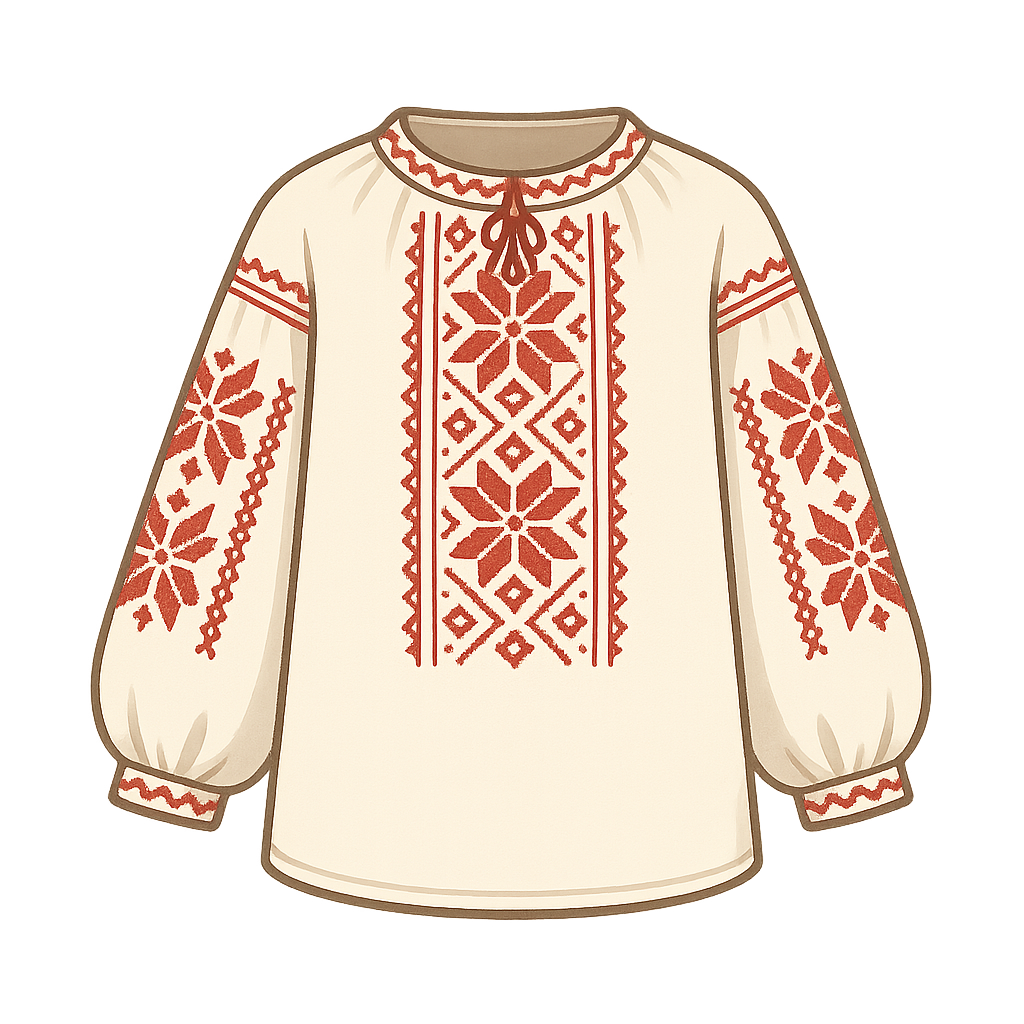
Before I had a name, I was a feeling. I was the soft weight of homespun linen cloth, the patient pull of a needle, and the whisper of colorful threads weaving secrets across my surface. In the quiet glow of a candle, a creator’s hands moved with practiced grace, stitching symbols that were older than memory. Each cross-stitch was a prayer, each geometric shape a shield. They wove blooming flowers and sturdy animals, each one a tiny messenger carrying hopes for health, love, and protection. These patterns were a hidden language, understood not with the mind, but with the heart. They formed a map of wishes, a talisman worn close to the skin to guard the soul. I was born from this devotion, a silent guardian made of thread and dreams. I am a Vyshyvanka, a story you can wear.
My story is woven into the very fabric of time. Long before the country I represent had its modern name, my ancestors existed. As far back as the 5th century BCE, the Greek historian Herodotus traveled through the lands of Scythia, near the Black Sea, and wrote of the people he met. He noticed their clothes were adorned with intricate embroidery, a tradition that would one day become me. For centuries, I was an intimate family chronicle, a sacred garment where a mother would stitch the story of her family and her hopes for her child. The symbols she used were a precious inheritance, passed from mother to daughter. The fiery red of a kalyna branch, or viburnum, symbolized the deep roots of family and the birth of the universe. The strong, sprawling leaves of an oak tree were stitched for courage and strength. Red thread spoke of love and joy, while black thread honored the rich, fertile earth and the memory of ancestors. Every region of Ukraine gave me a different voice. In Poltava, I learned to speak in delicate whispers of white thread on white linen. Among the Hutsul people of the Carpathian Mountains, I became a joyful shout of sunny yellows, vibrant oranges, and bold greens. In the northern forests of Polissia, I wore the strong, clear geometry of red and black, a pattern as stark and beautiful as the land itself.
The Embroidered Soul
Before I had a name, I was a feeling. I was the soft weight of homespun linen cloth, the patient pull of a needle, and the whisper of colorful threads weaving secrets across my surface. In the quiet glow of a candle, a creator’s hands moved with practiced grace, stitching symbols that were older than memory. Each cross-stitch was a prayer, each geometric shape a shield. They wove blooming flowers and sturdy animals, each one a tiny messenger carrying hopes for health, love, and protection. These patterns were a hidden language, understood not with the mind, but with the heart. They formed a map of wishes, a talisman worn close to the skin to guard the soul. I was born from this devotion, a silent guardian made of thread and dreams. I am a Vyshyvanka, a story you can wear.
My story is woven into the very fabric of time. Long before the country I represent had its modern name, my ancestors existed. As far back as the 5th century BCE, the Greek historian Herodotus traveled through the lands of Scythia, near the Black Sea, and wrote of the people he met. He noticed their clothes were adorned with intricate embroidery, a tradition that would one day become me. For centuries, I was an intimate family chronicle, a sacred garment where a mother would stitch the story of her family and her hopes for her child. The symbols she used were a precious inheritance, passed from mother to daughter. The fiery red of a kalyna branch, or viburnum, symbolized the deep roots of family and the birth of the universe. The strong, sprawling leaves of an oak tree were stitched for courage and strength. Red thread spoke of love and joy, while black thread honored the rich, fertile earth and the memory of ancestors. Every region of Ukraine gave me a different voice. In Poltava, I learned to speak in delicate whispers of white thread on white linen. Among the Hutsul people of the Carpathian Mountains, I became a joyful shout of sunny yellows, vibrant oranges, and bold greens. In the northern forests of Polissia, I wore the strong, clear geometry of red and black, a pattern as stark and beautiful as the land itself.
For most of my life, I was a personal treasure. But in the 19th century, something changed. As the Ukrainian people sought to define their own identity, I stepped from the private world of the home onto the public stage. Great thinkers and poets began to wear me with purpose and pride. A man named Ivan Franko, a brilliant writer and a powerful voice for his people, often wore me. When he put me on, he was not just wearing a shirt; he was making a statement. He was showing the world his deep connection to his heritage and his belief in a future for his culture. This transformation continued into the 20th century, a period filled with great hardship. Under the rule of the Soviet Union, Ukrainian language and traditions were often suppressed. In those dark times, wearing me became a quiet act of courage and defiance. To stitch my patterns or wear me in public was to whisper that a culture could not be erased. When Ukraine finally declared its independence on August 24th, 1991, I was there, worn in joyous celebration. I became a vibrant symbol of freedom and rebirth. This new life was celebrated in 2006, when a group of students created Vyshyvanka Day. Now, every year on the third Thursday of May, people all over Ukraine and across the globe wear me as a sign of unity and unbreakable spirit.
Today, my threads reach farther than ever before. I am more than just a beautiful shirt. I am a living connection across generations, a shield of love woven by ancestors, and a colorful map of a nation’s soul. My stitches carry ancient prayers for protection and bold dreams for the future. They tell a story of resilience, of a people who have preserved their identity through centuries of trial and triumph. My patterns remind the world that tradition is not a relic of the past, but a source of strength for the present. The beauty of a culture, stitched with love and courage, can connect people everywhere, proving that every thread tells a story of identity that continues to be written with every new day.
Wow facts
About
The Vyshyvanka is a traditional Ukrainian embroidered shirt, a significant element of the national costume that carries deep historical, cultural, and symbolic meaning.
Take a Quiz
Question 1 of 5
What is the main theme of the story 'The Embroidered Soul'?
Explore next


Want to do even more?
Go beyond exploring. Unlock tools that turn every story into real learning.

Storypie Plus for families
Full stories, quizzes, and printables. Nights and car rides, sorted.
- Unlimited audio stories
- Create Mode: your child stars in the story
- Offline downloads
- Printable worksheets & coloring pages

Why Storypie for Schools
Students engaged. Prep in seconds. Evenings back to you.
- Worksheets & Quizzes
- Classroom Management
- Formative Assessment
- Custom Curriculum & Lesson Plans
- 27 Languages

Why Storypie for Homeschool
Curriculum done. They'll ask for more. Hours back in your day.
- Worksheet Generator
- First-Person Audio Stories
- Built-in Comprehension Quizzes
- Custom Curriculum & Lesson Plans
- Print & Go Activities