English

Age of Exploration
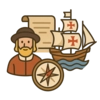
A period in history, from the 15th to the 17th century, when European explorers sailed the world's oceans…
Reads at Grades K-2 Listens at K–3
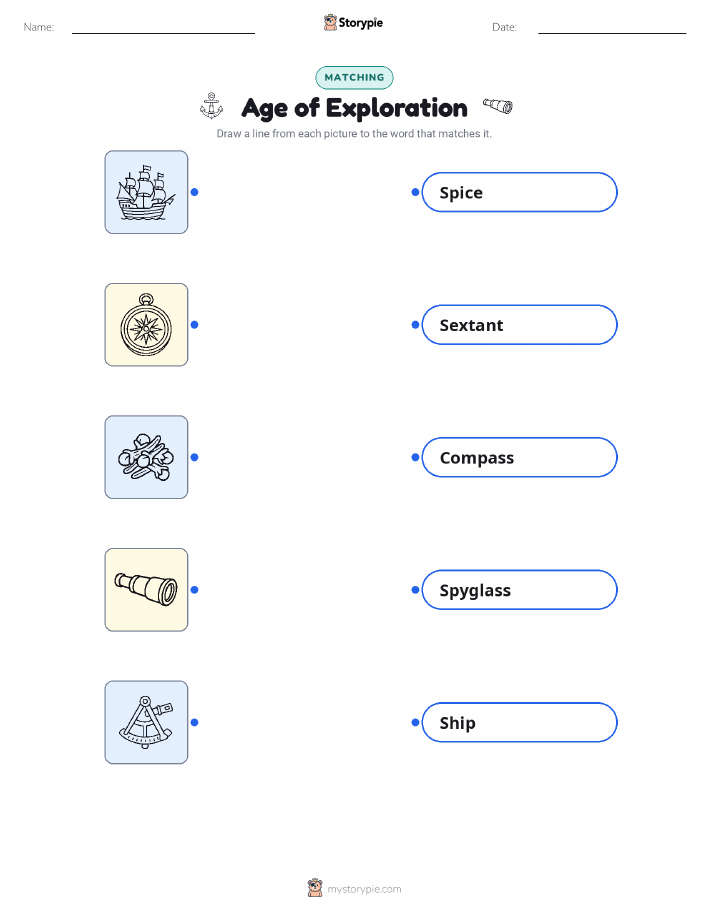
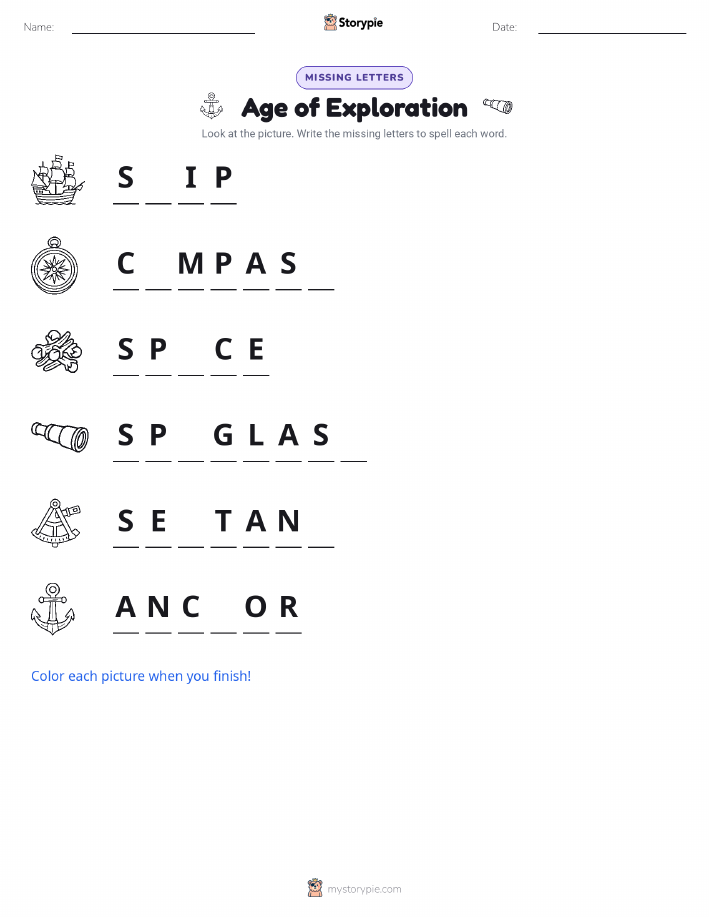
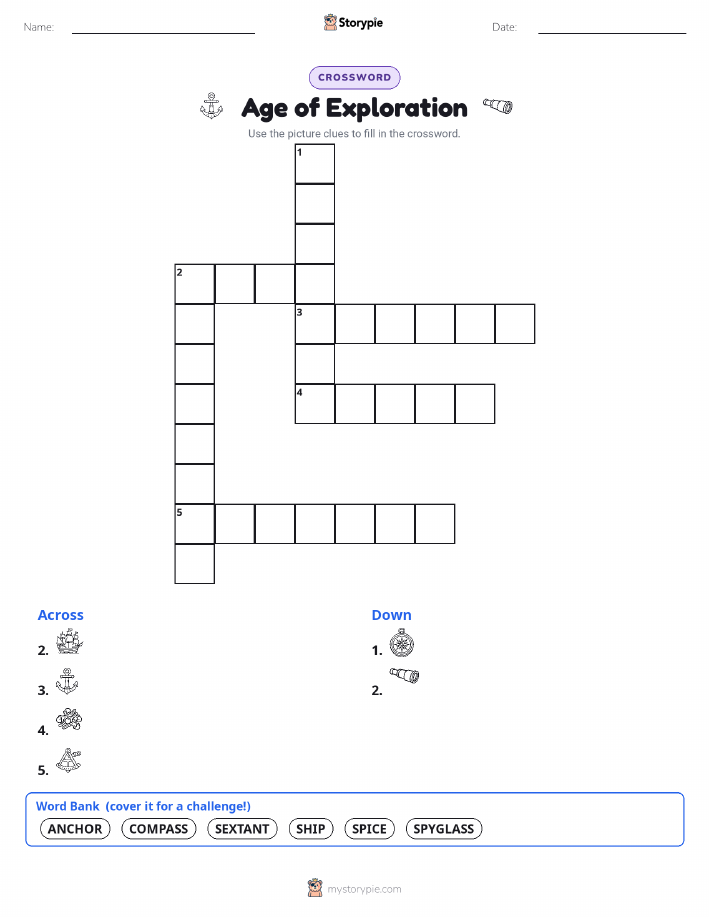
Print & create
Answer keys·No prep·Free with an account
28 worksheets · answer keys · full story · quiz · Ages 6-8 · CEFR A2
Plus adds 280,000+ more stories in 27 languages, audio for every one, and printables for all of them.
Just want Age of Exploration?
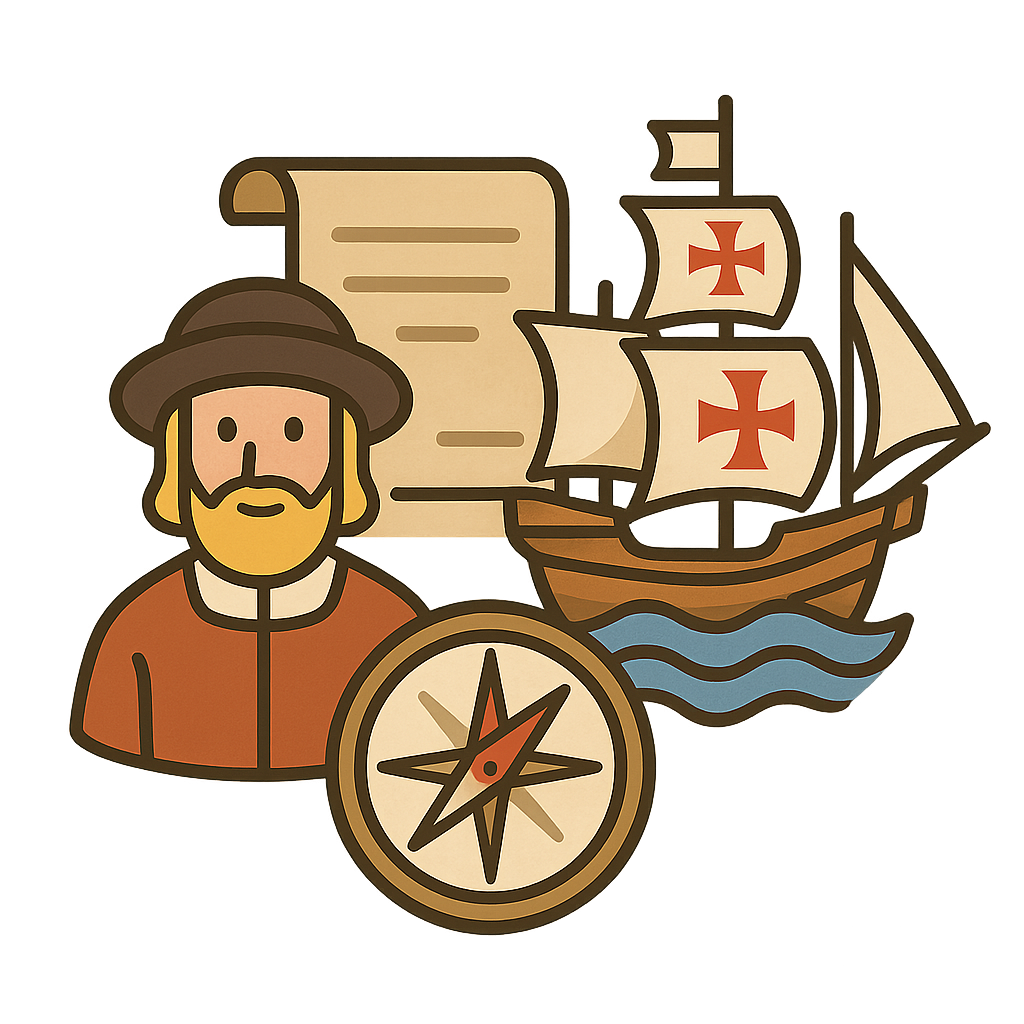
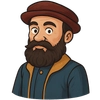
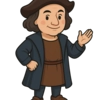
Hello there. My name is Ferdinand Magellan, and I have always been a sea captain from Portugal who loves adventure. Ever since I was a boy, I stared at maps and dreamed of the wide, blue ocean. I had a very big idea. Everyone sailed east to get to the faraway Spice Islands, but I wondered, what if we sailed west? I believed the world was round, like a ball, so if we just kept sailing west, we would eventually reach the other side. My goal was to find this secret path. The Spice Islands were full of treasure, like cinnamon and cloves, which were worth more than gold back then. It was going to be the greatest treasure hunt ever.
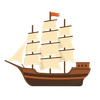
I will never forget the day we finally set sail from Spain in the year 1519. The sun was shining, and the air smelled salty and full of promise. We had five tall ships with big white sails that looked like clouds against the blue sky. Crowds of people stood on the shore, cheering and waving goodbye to us. “Good luck,” they shouted. “Be brave.” I felt so excited and proud. The ocean was not always friendly, though. Sometimes, giant waves would crash over our decks, and scary storms would toss our ships around like toys. But we also saw incredible things. Flying fish with shiny wings leaped out of the water, and when we reached South America, we saw the funniest birds I had ever seen. They looked like they were wearing little black-and-white suits. We called them penguins. Every day was a new adventure into the great unknown.
After sailing for a very long time down the coast of South America, we finally found it, a secret passageway through the land. It was a twisty, windy channel of water that was tricky to navigate, but my crew and I were determined. That passage is now named the Strait of Magellan, after me. When we finally sailed out the other side, we found ourselves in a huge, new ocean. The water was so calm and gentle compared to the stormy seas we had just left. It felt so quiet and calm. I decided to name it the Pacific Ocean, which means “peaceful.” I was so happy. But our journey across this peaceful ocean was the hardest part. It was much bigger than I ever imagined, and for many weeks, we saw nothing but water. We worried about our food and water running low, but we kept our spirits up by looking at the stars and dreaming of the islands we would soon find.
Ferdinand Magellan: Sailing Around the World
Hello there. My name is Ferdinand Magellan, and I have always been a sea captain from Portugal who loves adventure. Ever since I was a boy, I stared at maps and dreamed of the wide, blue ocean. I had a very big idea. Everyone sailed east to get to the faraway Spice Islands, but I wondered, what if we sailed west? I believed the world was round, like a ball, so if we just kept sailing west, we would eventually reach the other side. My goal was to find this secret path. The Spice Islands were full of treasure, like cinnamon and cloves, which were worth more than gold back then. It was going to be the greatest treasure hunt ever.
I will never forget the day we finally set sail from Spain in the year 1519. The sun was shining, and the air smelled salty and full of promise. We had five tall ships with big white sails that looked like clouds against the blue sky. Crowds of people stood on the shore, cheering and waving goodbye to us. “Good luck,” they shouted. “Be brave.” I felt so excited and proud. The ocean was not always friendly, though. Sometimes, giant waves would crash over our decks, and scary storms would toss our ships around like toys. But we also saw incredible things. Flying fish with shiny wings leaped out of the water, and when we reached South America, we saw the funniest birds I had ever seen. They looked like they were wearing little black-and-white suits. We called them penguins. Every day was a new adventure into the great unknown.
After sailing for a very long time down the coast of South America, we finally found it, a secret passageway through the land. It was a twisty, windy channel of water that was tricky to navigate, but my crew and I were determined. That passage is now named the Strait of Magellan, after me. When we finally sailed out the other side, we found ourselves in a huge, new ocean. The water was so calm and gentle compared to the stormy seas we had just left. It felt so quiet and calm. I decided to name it the Pacific Ocean, which means “peaceful.” I was so happy. But our journey across this peaceful ocean was the hardest part. It was much bigger than I ever imagined, and for many weeks, we saw nothing but water. We worried about our food and water running low, but we kept our spirits up by looking at the stars and dreaming of the islands we would soon find.
Now, I have a secret to tell you. I was not able to finish the whole trip myself. But my brave crew kept going. After three long years, one of my ships, the Victoria, finally sailed all the way back to Spain in 1522. It was the very first ship to ever sail all the way around the world. My crew proved my dream was true, the world is round. They showed everyone that if you are curious and brave enough to explore, you can discover amazing things. Our voyage helped create a map of the whole world and connected people from lands that had never met before. So always remember to be curious and never stop exploring.
Wow facts
About
A period in history, from the 15th to the 17th century, when European explorers sailed the world's oceans, discovering new routes, lands, and cultures, and connecting the globe like never before.
Take a Quiz
Question 1 of 4
Why did Ferdinand Magellan want to sail west to get to the Spice Islands?
Explore next


Want to do even more?
Go beyond exploring. Unlock tools that turn every story into real learning.
Storypie Plus for families
Full stories, quizzes, and printables. Nights and car rides, sorted.
- Unlimited audio stories
- Create Mode: your child stars in the story
- Offline downloads
- Printable worksheets & coloring pages

Why Storypie for Schools
Students engaged. Prep in seconds. Evenings back to you.
- Worksheets & Quizzes
- Classroom Management
- Formative Assessment
- Custom Curriculum & Lesson Plans
- 27 Languages

Why Storypie for Homeschool
Curriculum done. They'll ask for more. Hours back in your day.
- Worksheet Generator
- First-Person Audio Stories
- Built-in Comprehension Quizzes
- Custom Curriculum & Lesson Plans
- Print & Go Activities