

 English

My Journey to the First Thanksgiving
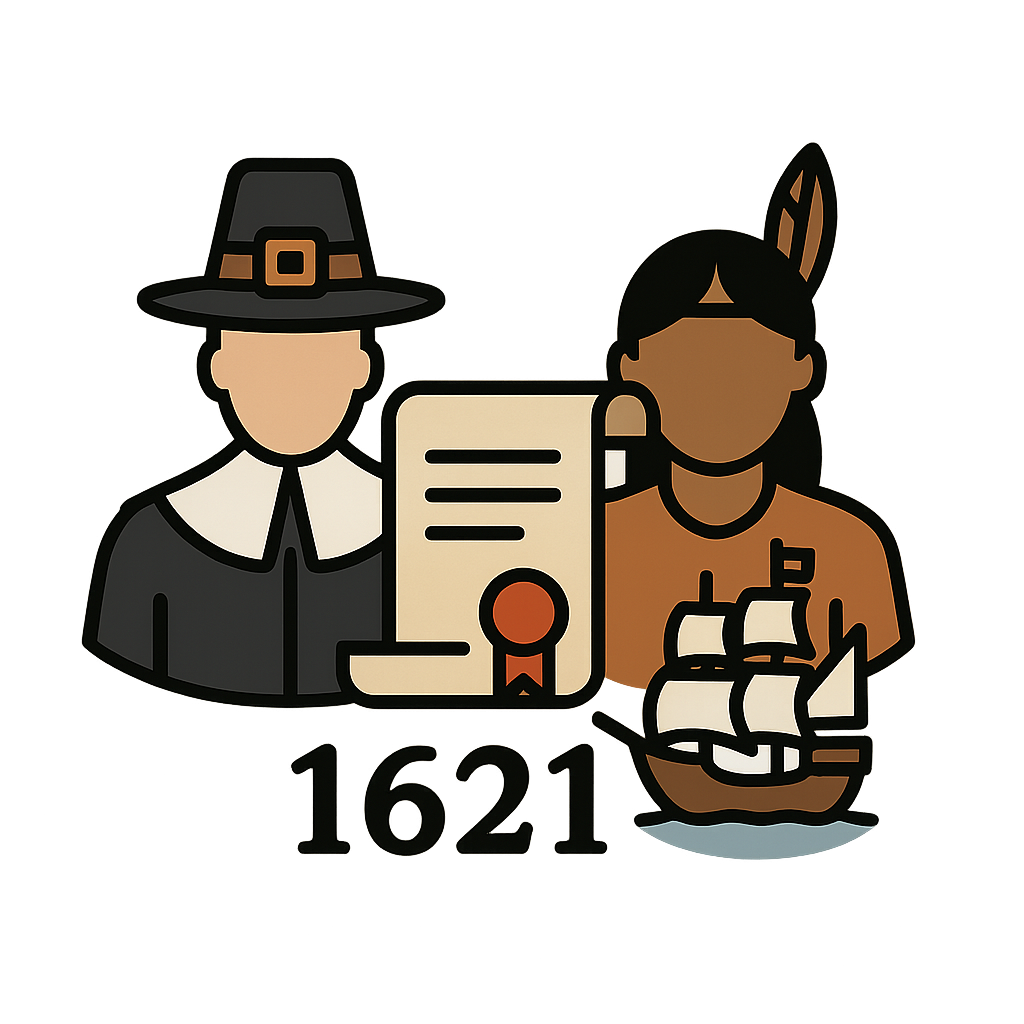
My name is William Bradford, and I was once the governor of a small colony called Plymouth. But before that, I was just one of many people who crossed a vast ocean searching for a new home. Our journey on the ship, the Mayflower, was terribly long and difficult. For sixty-six days, we were tossed about by stormy seas in a small, creaky wooden ship. When we finally saw land on November 11th, 1620, we were filled with relief, but also fear. The land before us was a wilderness, wild and unknown. Winter was coming, and we had no houses, no friends, and very little food. That first winter was a time of great sadness. The cold was bitter, and a terrible sickness spread through our small group. We huddled together in the one common house we managed to build, trying to stay warm and care for the sick. It was a struggle just to survive each day. We had dreamed of a new life, but this harsh reality tested our spirits. We promised each other in a special agreement we called the Mayflower Compact that we would stick together and help one another, no matter how hard it became. That promise was the small light of hope that kept us going through the dark and difficult days.
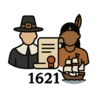
When spring finally arrived in 1621, it felt like the world was waking up, and so were our hopes. One day, a tall Native American man walked boldly into our settlement and said, “Welcome, Englishmen.” We were stunned. His name was Samoset, and he had learned some English from fishermen. He came back later with another man named Tisquantum, or Squanto, as we came to call him. Squanto’s story was amazing; he had been taken to Europe and had learned to speak English perfectly before finding his way back home. He became our greatest teacher and friend. Squanto showed us how to survive in this new world. He taught us to plant corn by putting a small fish in the ground with the seeds to help it grow strong. He led us to the best streams for catching slippery eels and showed us which berries were safe to eat and which were poison. All through the spring and summer, we worked harder than we ever had before. We built sturdy houses, tended our fields, and learned the ways of the forest and the sea. By the time autumn arrived, our hard work had paid off. Our fields were filled with corn, beans, and pumpkins. Our storehouse was full, and we knew we would not face the coming winter with empty stomachs. We had not only survived, but we had finally begun to build the home we had dreamed of.
With our harvest so successful and our community safe, our hearts were filled with gratitude. We knew we would not have made it without the help of God and our Wampanoag friends. So, I decided we should have a special celebration to give thanks. We invited the great chief, Massasoit, who had been a true friend to us. We expected him and a few others, but he arrived with ninety of his men. It was a wonderful surprise. To add to the feast, his people went into the forest and returned with five deer. For three whole days, our two communities shared a great feast. We ate roasted turkey, deer meat, fish, and all the wonderful vegetables from our harvest. We sat at long tables together, sharing stories and laughter. After eating, we played games. Our men had shooting contests, and the Wampanoag showed us their amazing skill with a bow and arrow. We ran races and enjoyed the crisp autumn air. During those three days, we weren't two separate groups; we were friends, neighbors, and partners in this new land. Looking back, I see that this feast was more than just a meal. It was a promise of friendship and a celebration of how much we could achieve when we worked together and showed gratitude for our blessings.
Activities
Take a Quiz
Test what you learned with a fun quiz!
Get creative with colors!
Print a coloring book page of this topic.










 Free for Educators