English

Inti Raymi
Inti Raymi, the 'Festival of the Sun,' was the most important religious ceremony of the Inca Empire…
Reads at Grades 3–5 Listens at Grades 1–5
Print & create
Answer keys·No prep·Free with an account
28 worksheets · answer keys · full story · quiz · Ages 8-10 · CEFR B1
Plus adds 164,000+ more stories in 27 languages, audio for every one, and printables for all of them.
Just want Inti Raymi?
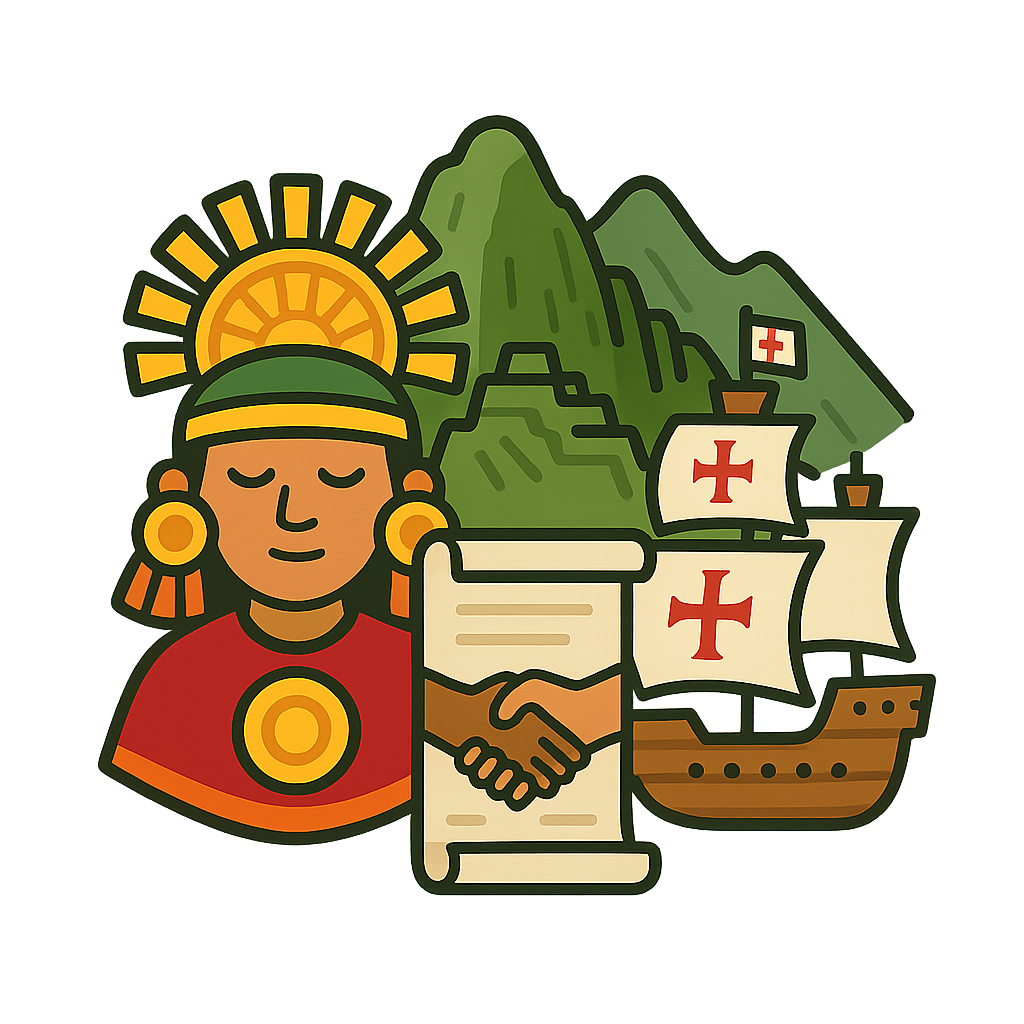
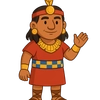
My name is Pachacuti Inca Yupanqui, and I was the Sapa Inca, the emperor of the vast and powerful Inca Empire, which we called Tawantinsuyu, the Land of the Four Quarters. My home was in the magnificent city of Cusco, nestled high in the Andes Mountains, a city of stone and gold. For my people, the most important being in the entire universe was not a person, but the sun itself. We called the sun Inti, and he was our father. He gave us light to see, warmth for our bodies, and life for our precious crops of maize and potatoes. Everything we had, we owed to him. But each year, as the days grew shorter, a quiet worry would ripple through my people. During the winter solstice, the sun would travel to its farthest point from us. The air grew cold, and the nights became long. My people feared that one day, Father Inti might leave us for good. As their leader, I knew I had to do something to give them hope and to show our gratitude. Around the year 1430, I decided we would create a celebration so grand, so full of life and color, that Inti would feel our love and promise to return. We would call it the Inti Raymi, the Festival of the Sun.
When the day of the festival arrived, around June 24th, the air in Cusco buzzed with an energy you could almost touch. It was the shortest day of the year, but our hearts were full of light. Before the sun even rose, I led a grand procession from the Coricancha, our most sacred Temple of the Sun. Its walls were covered in sheets of pure gold that shimmered like captured sunlight. Thousands of my people lined the streets, a river of brilliant color. Our weavers had created their finest textiles, with cloaks of bright red, blue, and yellow. The sounds were just as amazing. The deep beat of drums echoed off the stone buildings, and the gentle, breathy music of panpipes floated on the crisp mountain air. Everyone was singing songs of praise to Inti. I felt a great sense of pride and connection to my people as we walked together. Our procession climbed the hill to the mighty fortress of Sacsayhuamán, whose giant stone walls looked like they were built by giants. From there, we had a perfect view of the entire valley. As the Sapa Inca, it was my honor to lead the ceremony. I raised a golden cup filled with chicha, a sacred drink made from corn, and offered a toast first to Inti. I thanked him for the harvest and humbly asked him to begin his journey back toward us, to warm our land once more. We presented our finest foods, llamas adorned with flowers, and beautiful crafts as gifts, a feast for our returning father. As the first rays of the morning sun crested the mountains and lit up the valley, a great cheer erupted from the crowd. It was a promise. Inti had heard us.
Pachacuti and the Festival of the Sun
My name is Pachacuti Inca Yupanqui, and I was the Sapa Inca, the emperor of the vast and powerful Inca Empire, which we called Tawantinsuyu, the Land of the Four Quarters. My home was in the magnificent city of Cusco, nestled high in the Andes Mountains, a city of stone and gold. For my people, the most important being in the entire universe was not a person, but the sun itself. We called the sun Inti, and he was our father. He gave us light to see, warmth for our bodies, and life for our precious crops of maize and potatoes. Everything we had, we owed to him. But each year, as the days grew shorter, a quiet worry would ripple through my people. During the winter solstice, the sun would travel to its farthest point from us. The air grew cold, and the nights became long. My people feared that one day, Father Inti might leave us for good. As their leader, I knew I had to do something to give them hope and to show our gratitude. Around the year 1430, I decided we would create a celebration so grand, so full of life and color, that Inti would feel our love and promise to return. We would call it the Inti Raymi, the Festival of the Sun.
When the day of the festival arrived, around June 24th, the air in Cusco buzzed with an energy you could almost touch. It was the shortest day of the year, but our hearts were full of light. Before the sun even rose, I led a grand procession from the Coricancha, our most sacred Temple of the Sun. Its walls were covered in sheets of pure gold that shimmered like captured sunlight. Thousands of my people lined the streets, a river of brilliant color. Our weavers had created their finest textiles, with cloaks of bright red, blue, and yellow. The sounds were just as amazing. The deep beat of drums echoed off the stone buildings, and the gentle, breathy music of panpipes floated on the crisp mountain air. Everyone was singing songs of praise to Inti. I felt a great sense of pride and connection to my people as we walked together. Our procession climbed the hill to the mighty fortress of Sacsayhuamán, whose giant stone walls looked like they were built by giants. From there, we had a perfect view of the entire valley. As the Sapa Inca, it was my honor to lead the ceremony. I raised a golden cup filled with chicha, a sacred drink made from corn, and offered a toast first to Inti. I thanked him for the harvest and humbly asked him to begin his journey back toward us, to warm our land once more. We presented our finest foods, llamas adorned with flowers, and beautiful crafts as gifts, a feast for our returning father. As the first rays of the morning sun crested the mountains and lit up the valley, a great cheer erupted from the crowd. It was a promise. Inti had heard us.
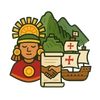
A light that is born from faith and tradition can never truly fade. The first Inti Raymi was a great success. It brought all the people of my empire together, from the coast to the mountains, uniting them in a single purpose and strengthening their belief in our ways. For many years, the festival was the most important celebration in our empire, a symbol of our connection to the sun and to each other. But history is like a flowing river, and it always changes. Many years after my time, in the 1500s, new people arrived in our lands from across the sea. They had different beliefs, and for a long time, the Inti Raymi was forbidden. It seemed as though the light of our festival had gone out. But the memory of Inti and the love for our traditions remained in the hearts of the people. I am filled with joy to tell you that the spirit of Inti Raymi was never truly lost. Today, in my city of Cusco, the festival has been reborn. Every June, people gather just as we did, wearing colorful clothes, playing ancient music, and honoring the sun. They share their culture with the entire world, proving that even after hundreds of years, a powerful idea can shine forever.
Wow facts
About
Inti Raymi, the 'Festival of the Sun,' was the most important religious ceremony of the Inca Empire, celebrated in honor of the sun god Inti. Today, it is a vibrant cultural festival reenacted annually in Cusco, Peru.
Take a Quiz
Question 1 of 5
In the story, Pachacuti says the sun 'painted our corn with gold.' What does this sentence really mean?
Explore next

Want to do even more?
Go beyond exploring. Unlock tools that turn every story into real learning.

Storypie Plus for families
Full stories, quizzes, and printables. Nights and car rides, sorted.
- Unlimited audio stories
- Create Mode: your child stars in the story
- Offline downloads
- Printable worksheets & coloring pages

Why Storypie for Schools
Students engaged. Prep in seconds. Evenings back to you.
- Worksheets & Quizzes
- Classroom Management
- Formative Assessment
- Custom Curriculum & Lesson Plans
- 27 Languages

Why Storypie for Homeschool
Curriculum done. They'll ask for more. Hours back in your day.
- Worksheet Generator
- First-Person Audio Stories
- Built-in Comprehension Quizzes
- Custom Curriculum & Lesson Plans
- Print & Go Activities