English

Lunar New Year
A festival celebrating the beginning of a new year on the traditional lunisolar calendar…
Reads at Grades 3–5 Listens at Grades 1–5
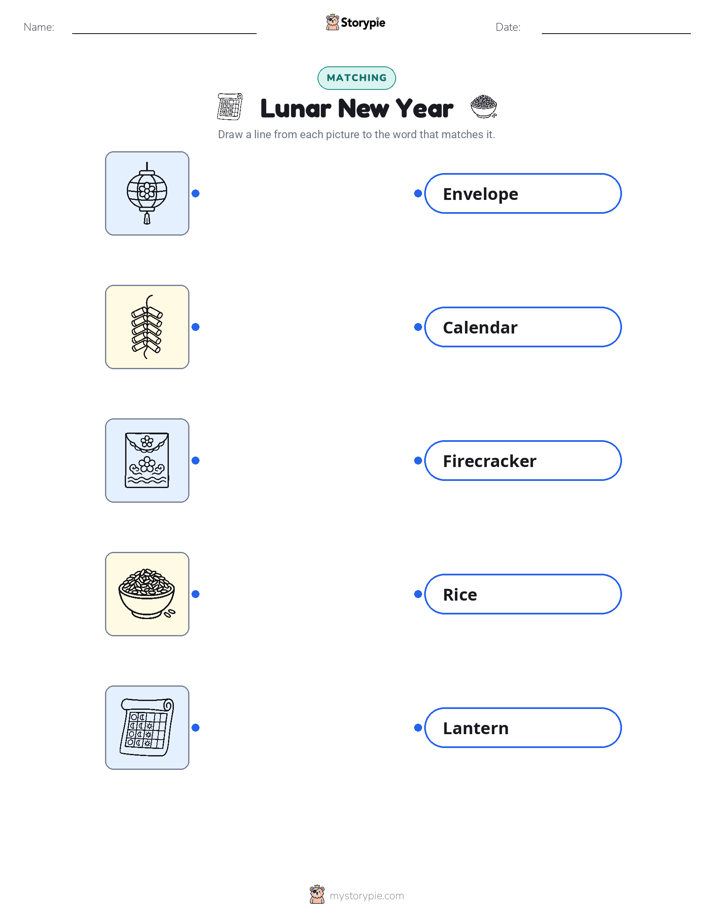
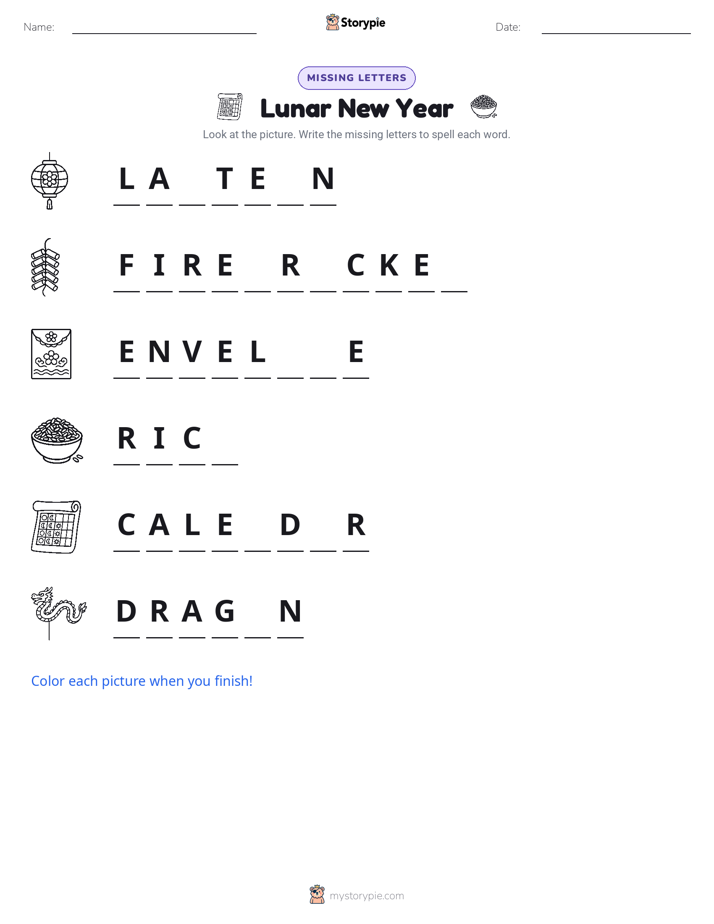
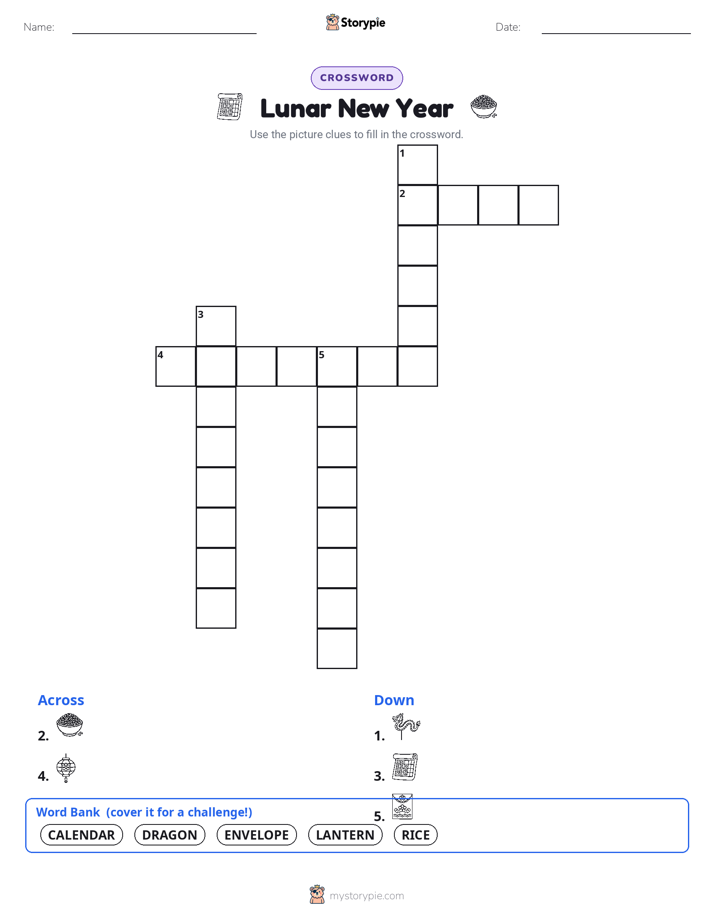
Print & create
Answer keys·No prep·Free with an account
28 worksheets · answer keys · full story · quiz · Ages 8-10 · CEFR B1
Plus adds 164,000+ more stories in 27 languages, audio for every one, and printables for all of them.
Just want Lunar New Year?
Hello there, little one. You can call me Grandma Mei. Can you feel that excitement buzzing in the air? It’s my favorite time of year, the time when we get ready for a new beginning. My whole house is filled with the sounds and smells of Lunar New Year. Earlier today, you could hear the swoosh, swoosh, swoosh of brooms as my children and grandchildren swept every corner of the house. We do this every year to sweep away any bad luck from the past twelve months and make room for all the good fortune to come. And that delicious smell? That’s the aroma of ginger, garlic, and star anise simmering on the stove. We are cooking a huge feast for our reunion dinner, a special meal where our whole family, from the oldest to the youngest, gathers together. This isn't just any party. It’s a tradition that connects us to our family from long, long ago. My own grandmother taught me how to make these sticky rice cakes, and her grandmother taught her. It’s a celebration that has been happening for thousands of years, a golden thread tying our family together through time.
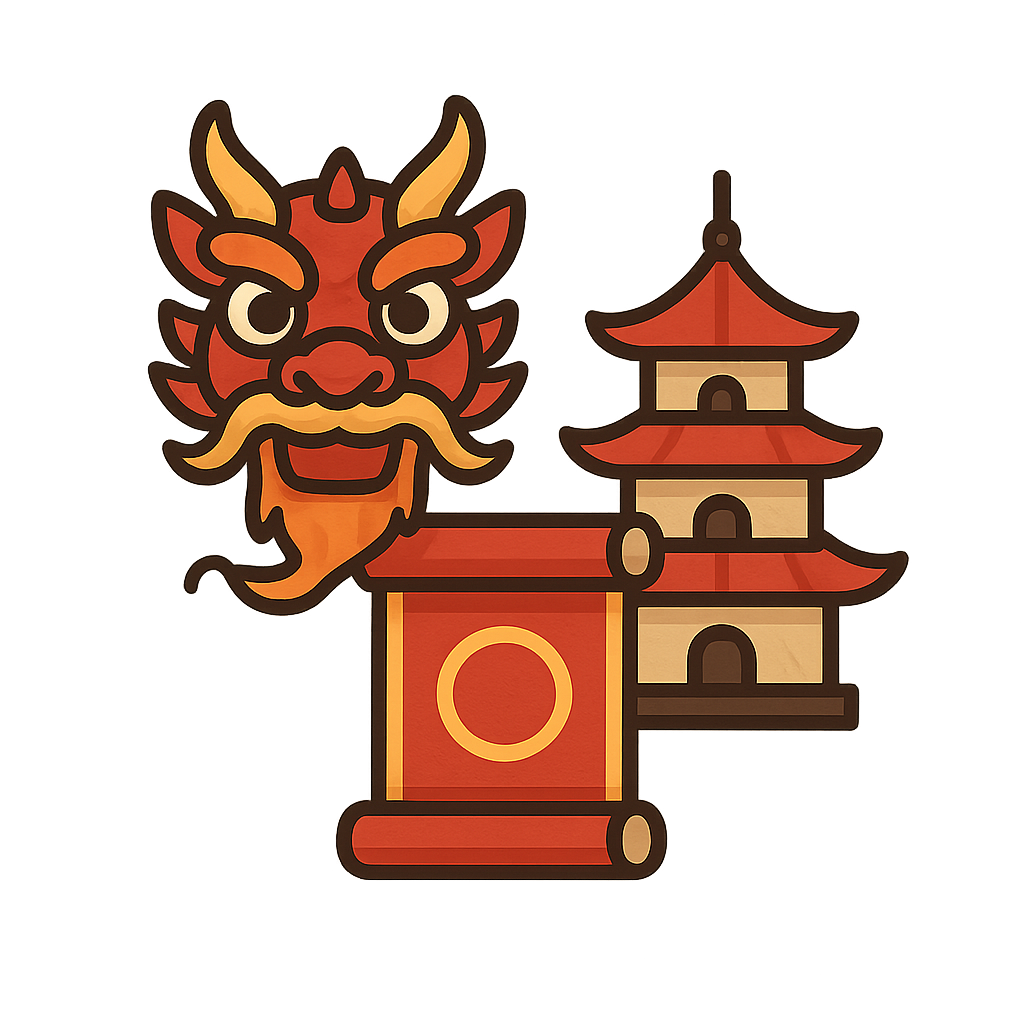
Come, sit closer. I want to tell you why we do all these things. It all goes back to an ancient story about a fearsome beast called the Nian. Long ago, the Nian would crawl out of the sea or down from the mountains on the first day of the new year to frighten the people of a small village. It had a huge head and sharp horns, and it was always very, very hungry. The villagers were terrified. Every year, they would pack up their things and hide in the mountains until the beast left. One year, an old man came to the village. He promised he could get rid of the Nian for good. When the monster arrived, it didn’t find a quiet, empty village. Instead, it was met with bright lights and loud noises. The old man had told the villagers to hang red paper on their doors, light up every lantern they had, and bang on drums and pots as loudly as they could. The Nian, which looked so scary, was actually afraid of the color red, bright lights, and loud sounds. It let out a terrified roar and ran away, never to bother the village again. And that is why, to this day, we celebrate with bright red decorations, noisy firecrackers or drums, and beautiful lanterns. We are reminding the world that we are not afraid, and we are ready to welcome a new year with courage and joy.
Grandma Mei's Lunar New Year
Hello there, little one. You can call me Grandma Mei. Can you feel that excitement buzzing in the air? It’s my favorite time of year, the time when we get ready for a new beginning. My whole house is filled with the sounds and smells of Lunar New Year. Earlier today, you could hear the swoosh, swoosh, swoosh of brooms as my children and grandchildren swept every corner of the house. We do this every year to sweep away any bad luck from the past twelve months and make room for all the good fortune to come. And that delicious smell? That’s the aroma of ginger, garlic, and star anise simmering on the stove. We are cooking a huge feast for our reunion dinner, a special meal where our whole family, from the oldest to the youngest, gathers together. This isn't just any party. It’s a tradition that connects us to our family from long, long ago. My own grandmother taught me how to make these sticky rice cakes, and her grandmother taught her. It’s a celebration that has been happening for thousands of years, a golden thread tying our family together through time.
Come, sit closer. I want to tell you why we do all these things. It all goes back to an ancient story about a fearsome beast called the Nian. Long ago, the Nian would crawl out of the sea or down from the mountains on the first day of the new year to frighten the people of a small village. It had a huge head and sharp horns, and it was always very, very hungry. The villagers were terrified. Every year, they would pack up their things and hide in the mountains until the beast left. One year, an old man came to the village. He promised he could get rid of the Nian for good. When the monster arrived, it didn’t find a quiet, empty village. Instead, it was met with bright lights and loud noises. The old man had told the villagers to hang red paper on their doors, light up every lantern they had, and bang on drums and pots as loudly as they could. The Nian, which looked so scary, was actually afraid of the color red, bright lights, and loud sounds. It let out a terrified roar and ran away, never to bother the village again. And that is why, to this day, we celebrate with bright red decorations, noisy firecrackers or drums, and beautiful lanterns. We are reminding the world that we are not afraid, and we are ready to welcome a new year with courage and joy.
Now, our celebration is all about that joy. The most important part is our reunion dinner on New Year's Eve. My long table gets filled with my children and their children. We laugh and share stories as we eat wonderful foods that all have a special meaning. We eat long noodles that haven’t been cut, which symbolize a long and happy life. We share whole fish, because the word for fish sounds like the word for 'surplus,' meaning we hope to have more than enough of everything we need in the year ahead. And my favorite, the dumplings, are shaped like old pieces of money, representing wealth and good fortune. After dinner, the children’s eyes get wide with excitement because they know it’s time for hóngbāo. These are special red envelopes that I fill with crisp, new money. It isn’t just a gift; it’s a way for elders like me to pass on a year of good luck and blessings. Then, on New Year’s Day, we go out into the streets. The air is filled with the sound of drums and cymbals as the amazing dragon and lion dancers weave through the crowds, chasing away any lingering bad spirits and bringing good luck to everyone.
As I watch the happy faces of my family, I am reminded of what Lunar New Year truly means. It is more than just delicious food and exciting dances. It is a time for family to come together, to honor the ancestors who came before us, and to welcome a fresh start with open hearts. It’s a time to let go of old worries and look forward with hope. Every tradition, from the sweeping of the floors to the sharing of a meal, is a wish for happiness, health, and good fortune for the ones we love. I hope that you, too, will always cherish your family’s traditions, whatever they may be. They are the stories that connect us and fill our lives with meaning, and they carry the beautiful spirit of togetherness into every new year.
Wow facts
About
A festival celebrating the beginning of a new year on the traditional lunisolar calendar, widely celebrated in East and Southeast Asian cultures.
Take a Quiz
Question 1 of 5
According to Grandma Mei, why did her family clean the house before the new year?
Explore next


Want to do even more?
Go beyond exploring. Unlock tools that turn every story into real learning.

Storypie Plus for families
Full stories, quizzes, and printables. Nights and car rides, sorted.
- Unlimited audio stories
- Create Mode: your child stars in the story
- Offline downloads
- Printable worksheets & coloring pages

Why Storypie for Schools
Students engaged. Prep in seconds. Evenings back to you.
- Worksheets & Quizzes
- Classroom Management
- Formative Assessment
- Custom Curriculum & Lesson Plans
- 27 Languages

Why Storypie for Homeschool
Curriculum done. They'll ask for more. Hours back in your day.
- Worksheet Generator
- First-Person Audio Stories
- Built-in Comprehension Quizzes
- Custom Curriculum & Lesson Plans
- Print & Go Activities