English

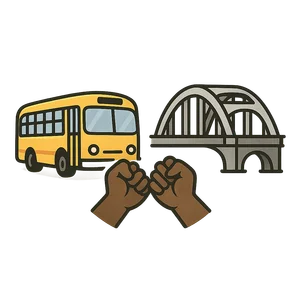
Montgomery Bus Boycott
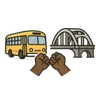
A pivotal civil rights protest from 1955 to 1956 where African Americans in Montgomery, Alabama…
Reads at Grades 3–5 Listens at Grades 1–5
Print & create
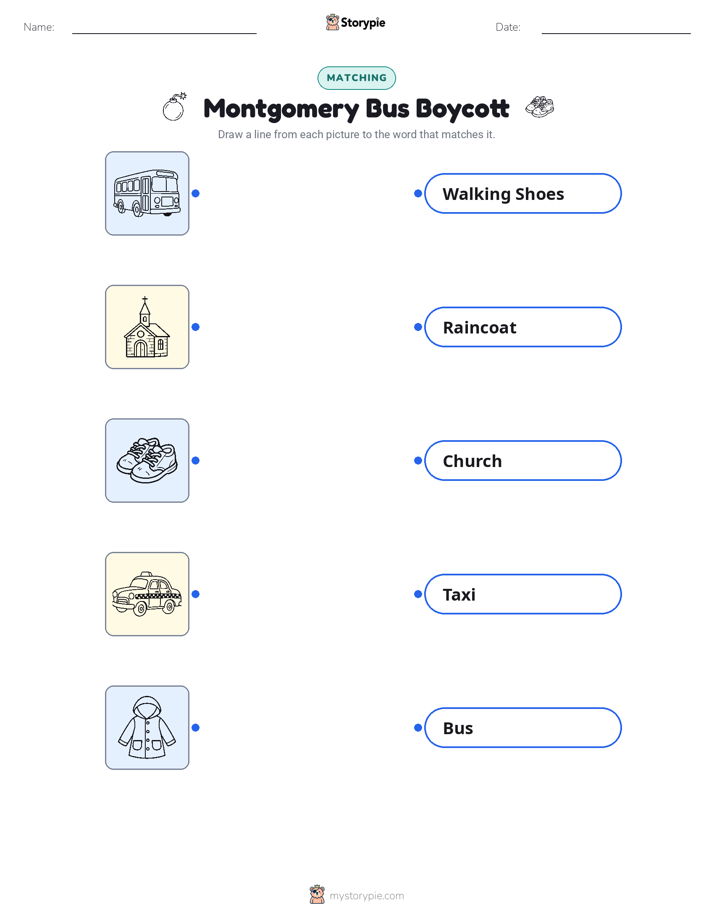
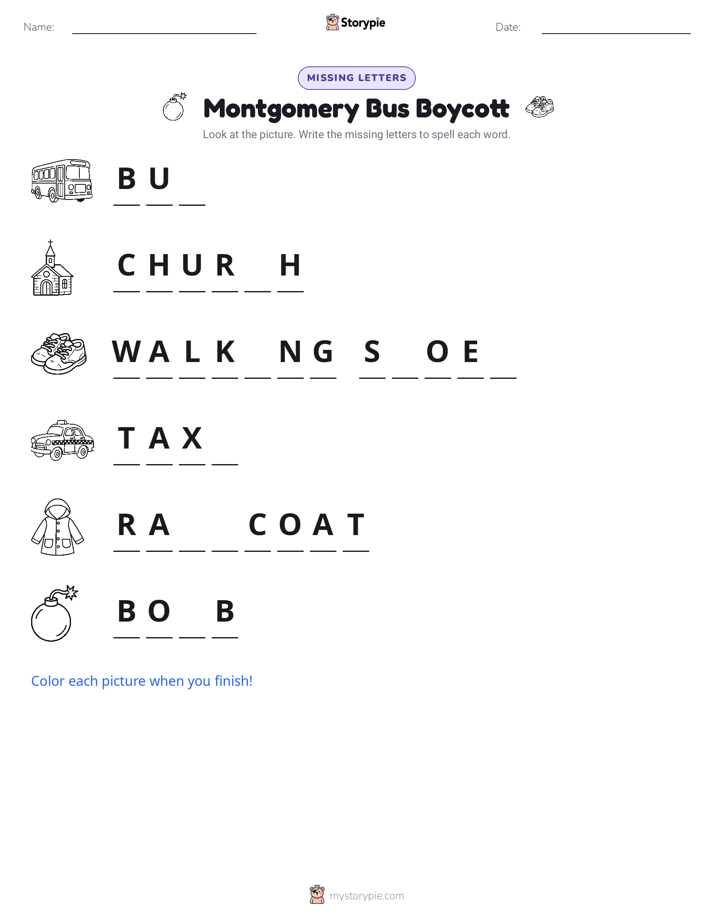
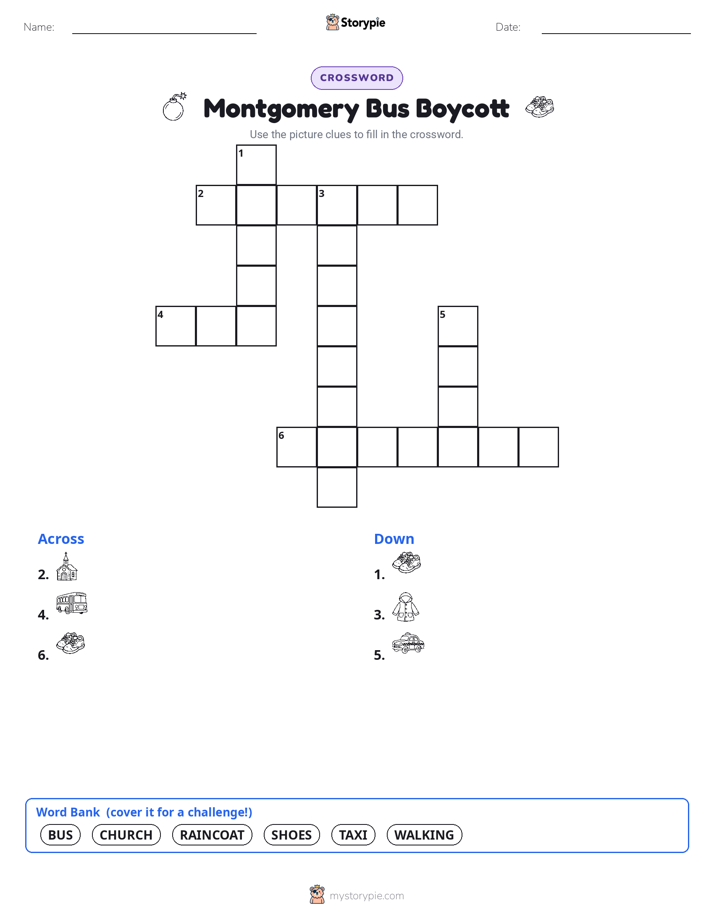
Answer keys·No prep·Free with an account
28 worksheets · answer keys · full story · quiz · Ages 8-10 · CEFR B1
Plus adds 102,000+ more stories in 27 languages, audio for every one, and printables for all of them.
Just want Montgomery Bus Boycott?
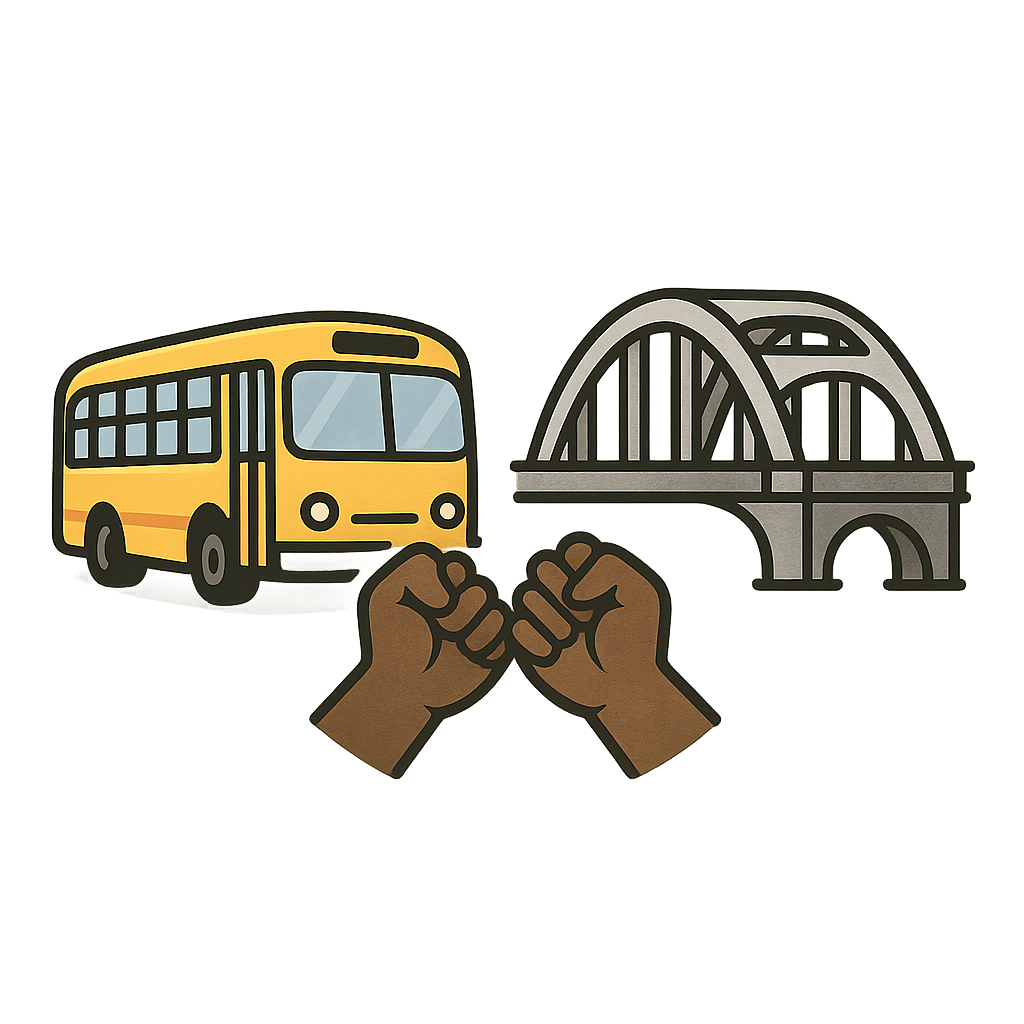
Hello, my name is Rosa Parks, and I want to tell you about a time when a simple bus ride helped change the world. I lived in a city called Montgomery, in Alabama, during the 1950s. Back then, life was very different, especially for Black people like me. We lived under unfair rules called segregation, which meant that Black people and white people were kept separate in many public places, like schools, water fountains, and even on the city buses. On the bus, the rules felt especially hurtful. If you were a Black person, you had to pay your fare at the front door, just like everyone else. But then, you had to get off the bus and walk to the back door to get on again. We were only allowed to sit in the seats at the very back, in a section marked for 'colored' people. If the front seats for white passengers filled up, we were expected to stand up and give our seats to them. It made me feel that the rules were designed to tell us we were not as good as others, and that was a heavy feeling to carry around every day. It made a simple trip across town feel complicated and unfair.
One day, on December 1st, 1955, I was heading home after a long day at my job as a seamstress in a department store. My shoulders ached, and my feet were tired from working at the sewing machine and pressing clothes. I got on the bus and sat down in the first row of the 'colored' section. The bus started to fill up with more and more people. After a few stops, a white man got on, and there were no empty seats left in the front section. The bus driver looked back at me and three other Black passengers in my row and told us to get up and give our seats away. The other three people stood up, but I stayed right where I was. A feeling came over me that was stronger than my tiredness. It wasn't that my body was too tired to move; it was that my spirit was tired of giving in to unfairness. The driver asked me again if I was going to stand up. I looked at him and said, calmly and quietly, 'No.' He told me he would have me arrested, and I said, 'You may do that.' Soon, two police officers arrived. They asked me why I wouldn't stand up, and I told them I didn't think I should have to. I didn't feel afraid. Instead, I felt a sense of calm determination, as if I knew this was a moment that mattered.
My Story: A Seat on the Bus
Hello, my name is Rosa Parks, and I want to tell you about a time when a simple bus ride helped change the world. I lived in a city called Montgomery, in Alabama, during the 1950s. Back then, life was very different, especially for Black people like me. We lived under unfair rules called segregation, which meant that Black people and white people were kept separate in many public places, like schools, water fountains, and even on the city buses. On the bus, the rules felt especially hurtful. If you were a Black person, you had to pay your fare at the front door, just like everyone else. But then, you had to get off the bus and walk to the back door to get on again. We were only allowed to sit in the seats at the very back, in a section marked for 'colored' people. If the front seats for white passengers filled up, we were expected to stand up and give our seats to them. It made me feel that the rules were designed to tell us we were not as good as others, and that was a heavy feeling to carry around every day. It made a simple trip across town feel complicated and unfair.
One day, on December 1st, 1955, I was heading home after a long day at my job as a seamstress in a department store. My shoulders ached, and my feet were tired from working at the sewing machine and pressing clothes. I got on the bus and sat down in the first row of the 'colored' section. The bus started to fill up with more and more people. After a few stops, a white man got on, and there were no empty seats left in the front section. The bus driver looked back at me and three other Black passengers in my row and told us to get up and give our seats away. The other three people stood up, but I stayed right where I was. A feeling came over me that was stronger than my tiredness. It wasn't that my body was too tired to move; it was that my spirit was tired of giving in to unfairness. The driver asked me again if I was going to stand up. I looked at him and said, calmly and quietly, 'No.' He told me he would have me arrested, and I said, 'You may do that.' Soon, two police officers arrived. They asked me why I wouldn't stand up, and I told them I didn't think I should have to. I didn't feel afraid. Instead, I felt a sense of calm determination, as if I knew this was a moment that mattered.
My arrest was the spark that lit a fire in my community. The news spread quickly, and many people felt the same way I did: they were tired of the unfair bus rules. A meeting was held, and a young minister named Dr. Martin Luther King Jr. helped us decide on a plan. We would protest by refusing to ride the city buses. This was the beginning of the Montgomery Bus Boycott. On the first day, I looked out the window and saw the buses rolling by, and they were almost completely empty. It was an amazing sight. Instead of riding, thousands of Black people walked to work, to school, and to the store. Some people walked for miles and miles, every single day. We organized carpools and shared rides to help each other. We walked in the hot sun and the pouring rain. We sang songs of freedom and encouraged each other to keep going. It was difficult, but it was also beautiful. For the first time, we saw how powerful we could be when we all stood together for the same cause. We were not just walking with our feet; we were walking for our freedom and our dignity, and every step we took was a message that we demanded to be treated with respect.
Our boycott lasted for 381 days. That's more than a whole year of walking. Finally, our peaceful protest was heard. The highest court in the United States, the Supreme Court, made a very important decision. They ruled that segregation on public buses was against the country's highest laws. On December 21st, 1956, the boycott was officially over. I remember that day so clearly. I got on a bus with Dr. King and other leaders. I sat in a seat right near the front, not because it was a special section, but simply because it was an open seat. It was a simple thing, but it meant everything. That moment wasn't just my victory; it was a victory for everyone who had walked, shared a ride, and hoped for a better world. Looking back, I see that day taught me that one person's quiet decision can inspire thousands, and that when people work together peacefully, they have the power to change unfair rules and make the world a more just place for everyone.
Wow facts
About
A pivotal civil rights protest from 1955 to 1956 where African Americans in Montgomery, Alabama, refused to ride city buses to protest segregated seating, leading to a landmark Supreme Court ruling that declared such segregation unconstitutional.
Take a Quiz
Question 1 of 5
In the story, Rosa Parks says she felt 'a sense of calm determination.' What does the word 'determination' mean here?
Explore next





Want to do even more?
Go beyond exploring. Unlock tools that turn every story into real learning.

Storypie Plus for families
Full stories, quizzes, and printables. Nights and car rides, sorted.
- Unlimited audio stories
- Create Mode: your child stars in the story
- Offline downloads
- Printable worksheets & coloring pages

Why Storypie for Schools
Students engaged. Prep in seconds. Evenings back to you.
- Worksheets & Quizzes
- Classroom Management
- Formative Assessment
- Custom Curriculum & Lesson Plans
- 27 Languages

Why Storypie for Homeschool
Curriculum done. They'll ask for more. Hours back in your day.
- Worksheet Generator
- First-Person Audio Stories
- Built-in Comprehension Quizzes
- Custom Curriculum & Lesson Plans
- Print & Go Activities