English

The Holocaust
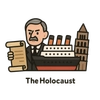
The Holocaust was the systematic…
Reads at Grades 6–8 Listens at Grades 4–8
Print & create
Answer keys·No prep·Free with an account
28 worksheets · answer keys · full story · quiz · Ages 10-12 · CEFR B2
Plus adds 102,000+ more stories in 27 languages, audio for every one, and printables for all of them.
Just want The Holocaust?
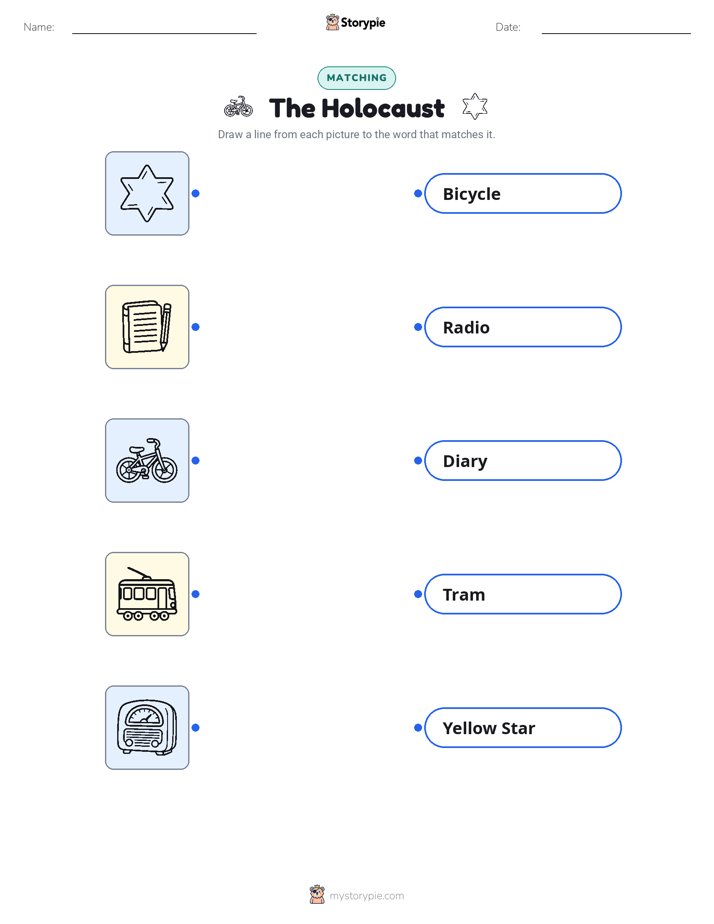
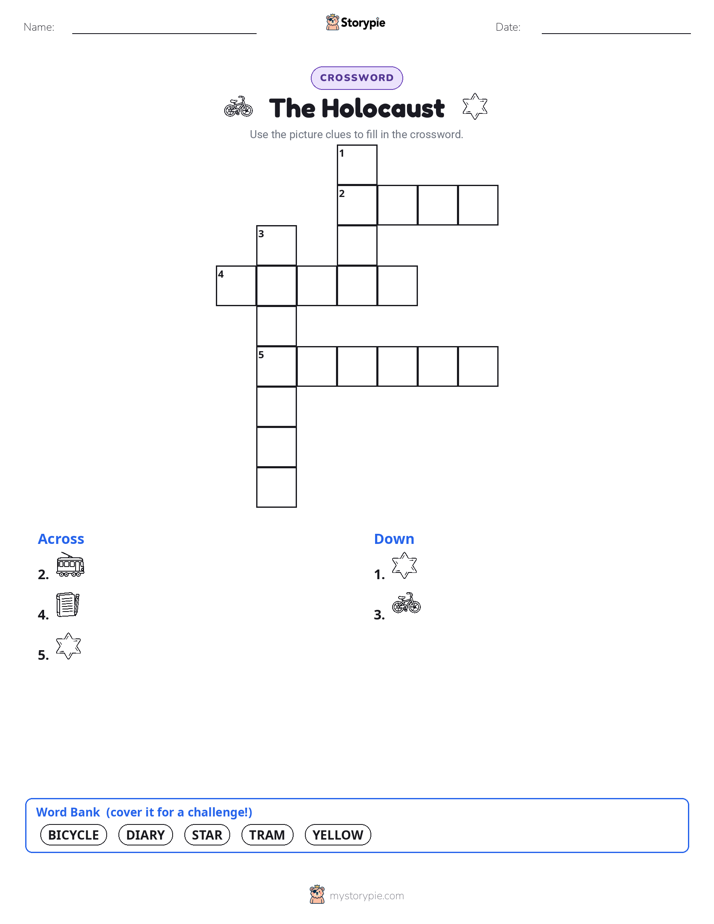
My name is Anne Frank, and before my world was turned upside down, I was just a regular girl living in Amsterdam. I had a loving family—my calm, thoughtful father, Otto; my mother, Edith; and my older sister, Margot, who was clever and quiet. I loved going to school, chatting with my friends, and ice skating in the winter. More than anything, I loved to write. I dreamed of becoming a journalist or a famous author one day, and I filled notebooks with stories and observations. Our life was happy and normal. But in May of 1940, when I was ten years old, the German army occupied the Netherlands, and everything began to change. Suddenly, there were new rules, but only for Jewish people like my family. We were forbidden to ride trams or own bicycles. We could only shop in certain stores at certain times. We weren't allowed in parks, cinemas, or swimming pools. Worst of all, we were forced to wear a yellow star on all of our clothing so that everyone would know we were Jewish. My world, which had once felt so big and full of possibilities, began to shrink. The freedoms I had always taken for granted were stripped away, one by one, leaving me feeling confused and trapped in my own city.
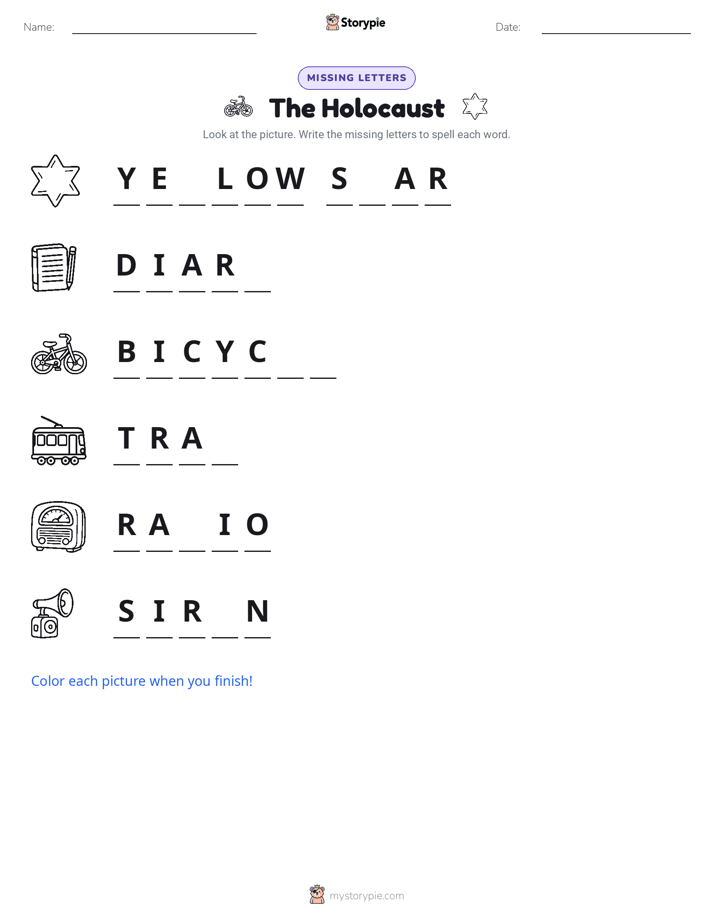
By the summer of 1942, the situation had become desperate. My sister, Margot, received a notice ordering her to report to a so-called “work camp.” My parents knew this was a terrible lie. We had been preparing for this moment, and the call-up notice meant we had to act immediately. On July 6th, 1942, my family went into hiding. Our hiding place was a secret set of rooms tucked away behind my father's office building on the Prinsengracht canal. We called it the Secret Annex. We were soon joined by another family, the van Pels—Hermann, Auguste, and their son, Peter—and later by a dentist named Fritz Pfeffer. Eight of us lived together in that small, cramped space. Our lives were governed by silence and fear. During the day, we had to whisper and tiptoe so the workers in the warehouse below wouldn't hear us. We spent our days reading, studying, and trying to keep our minds busy. But at night, we would listen to the radio, hearing news of the war and trembling whenever we heard sirens or footsteps outside. There were arguments and tensions, as you can imagine with eight people confined together. Through it all, I had one true friend who listened to all my secrets: my diary. I named it Kitty. On its pages, I poured out all my thoughts—my frustrations with our situation, my arguments with my mother, my dreams for the future, and my belief that, in spite of everything, people were still truly good at heart. Writing in my diary kept my spirit alive and gave me hope that one day, I would be free again.
The Diary of a Young Girl
My name is Anne Frank, and before my world was turned upside down, I was just a regular girl living in Amsterdam. I had a loving family—my calm, thoughtful father, Otto; my mother, Edith; and my older sister, Margot, who was clever and quiet. I loved going to school, chatting with my friends, and ice skating in the winter. More than anything, I loved to write. I dreamed of becoming a journalist or a famous author one day, and I filled notebooks with stories and observations. Our life was happy and normal. But in May of 1940, when I was ten years old, the German army occupied the Netherlands, and everything began to change. Suddenly, there were new rules, but only for Jewish people like my family. We were forbidden to ride trams or own bicycles. We could only shop in certain stores at certain times. We weren't allowed in parks, cinemas, or swimming pools. Worst of all, we were forced to wear a yellow star on all of our clothing so that everyone would know we were Jewish. My world, which had once felt so big and full of possibilities, began to shrink. The freedoms I had always taken for granted were stripped away, one by one, leaving me feeling confused and trapped in my own city.
By the summer of 1942, the situation had become desperate. My sister, Margot, received a notice ordering her to report to a so-called “work camp.” My parents knew this was a terrible lie. We had been preparing for this moment, and the call-up notice meant we had to act immediately. On July 6th, 1942, my family went into hiding. Our hiding place was a secret set of rooms tucked away behind my father's office building on the Prinsengracht canal. We called it the Secret Annex. We were soon joined by another family, the van Pels—Hermann, Auguste, and their son, Peter—and later by a dentist named Fritz Pfeffer. Eight of us lived together in that small, cramped space. Our lives were governed by silence and fear. During the day, we had to whisper and tiptoe so the workers in the warehouse below wouldn't hear us. We spent our days reading, studying, and trying to keep our minds busy. But at night, we would listen to the radio, hearing news of the war and trembling whenever we heard sirens or footsteps outside. There were arguments and tensions, as you can imagine with eight people confined together. Through it all, I had one true friend who listened to all my secrets: my diary. I named it Kitty. On its pages, I poured out all my thoughts—my frustrations with our situation, my arguments with my mother, my dreams for the future, and my belief that, in spite of everything, people were still truly good at heart. Writing in my diary kept my spirit alive and gave me hope that one day, I would be free again.
For two years and thirty-five days, the Secret Annex kept us safe. We held onto hope, listening to news of the Allied forces and dreaming of the day the war would end. But on the morning of August 4th, 1944, our hope was shattered. We heard loud, angry shouts from downstairs. Our hiding place had been discovered. That day was the end of my life in the Annex, and the end of my diary entries. After the war ended in 1945, my father, Otto, was the only one of the eight of us from the Annex to survive. When he returned to Amsterdam, heartbroken and alone, our dear friend Miep Gies, who had helped us so much while we were in hiding, gave him something she had saved: my diary. My father read my words and decided that he had to fulfill the wish I had written about in my diary—to have my story published. He wanted the world to hear my voice. In 1947, my diary was published as a book. I never became the journalist I dreamed of being, but my words lived on. My story has been read by millions of people all over the world, teaching them about the horrors of prejudice and war, but also about the power of hope, courage, and the human spirit. My voice was not silenced, and I hope it reminds you to always stand up for what is right and to never lose faith in the goodness of people.
Wow facts
About
The Holocaust was the systematic, state-sponsored persecution and murder of six million European Jews by the Nazi regime and its collaborators between 1933 and 1945.
Take a Quiz
Question 1 of 5
What is the main idea of Anne's story about her time in the Secret Annex?
Explore next






Want to do even more?
Go beyond exploring. Unlock tools that turn every story into real learning.

Storypie Plus for families
Full stories, quizzes, and printables. Nights and car rides, sorted.
- Unlimited audio stories
- Create Mode: your child stars in the story
- Offline downloads
- Printable worksheets & coloring pages

Why Storypie for Schools
Students engaged. Prep in seconds. Evenings back to you.
- Worksheets & Quizzes
- Classroom Management
- Formative Assessment
- Custom Curriculum & Lesson Plans
- 27 Languages

Why Storypie for Homeschool
Curriculum done. They'll ask for more. Hours back in your day.
- Worksheet Generator
- First-Person Audio Stories
- Built-in Comprehension Quizzes
- Custom Curriculum & Lesson Plans
- Print & Go Activities