English

Valley Forge
The winter encampment of the Continental Army, led by General George Washington…
Reads at Grades 6–8 Listens at Grades 4–8
Print & create
Answer keys·No prep·Free with an account
28 worksheets · answer keys · full story · quiz · Ages 10-12 · CEFR B2
Plus adds 244,000+ more stories in 27 languages, audio for every one, and printables for all of them.
Just want Valley Forge?
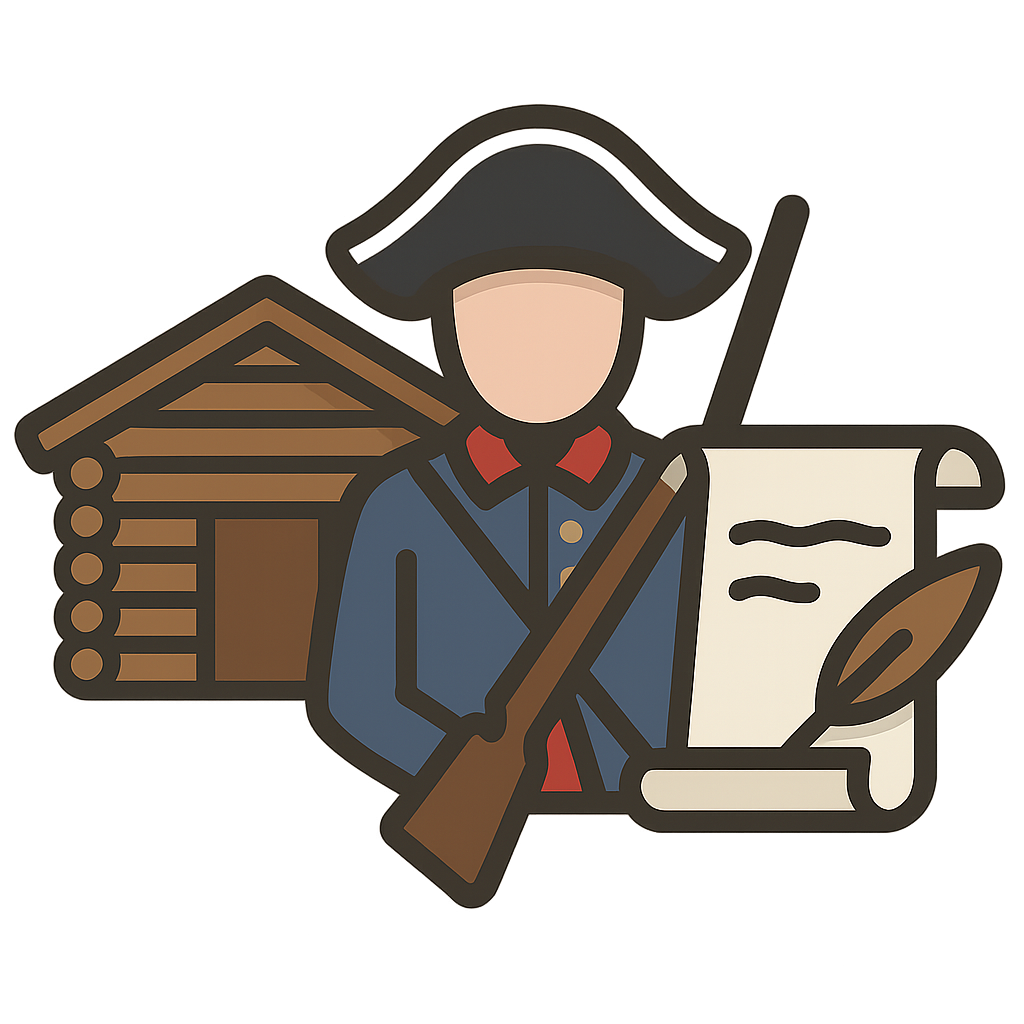
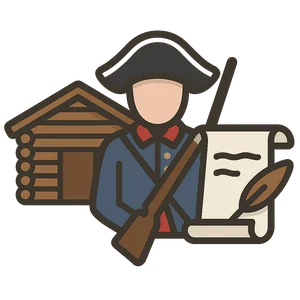
My name is George Washington, and it was my solemn duty to command the Continental Army in our fight for independence. The year 1777 had been a difficult one for our cause. Though we had seen victories, we had also suffered painful defeats. In the autumn, we fought the British at the Battle of Brandywine on September 11th and again at Germantown on October 4th. Both times, we were forced to retreat. The British army, confident and well-supplied, marched into our capital city of Philadelphia, forcing the Continental Congress to flee. My soldiers were exhausted, their spirits were low, and the cold winds of winter were beginning to blow. I had to make a difficult decision. Where could we take shelter for the winter, a place where we could rest, recover, and watch the British army in Philadelphia without being a direct target. I chose a place called Valley Forge, a windswept plateau in Pennsylvania, about twenty miles from the city. On December 19th, 1777, my weary army of about twelve thousand soldiers stumbled into this bleak landscape. There were no cozy barracks waiting for us, only frozen ground, bare trees, and a biting wind that seemed to cut right through our threadbare coats. Looking at the faces of my men, thin from hunger and shivering in the cold, I felt a heavy weight in my chest. I knew this winter would be a trial, perhaps the greatest test of our resolve. But as I looked out over that desolate camp, my determination to see our fight for liberty through to the end burned as fiercely as ever.
The Winter That Forged a Nation
My name is George Washington, and it was my solemn duty to command the Continental Army in our fight for independence. The year 1777 had been a difficult one for our cause. Though we had seen victories, we had also suffered painful defeats. In the autumn, we fought the British at the Battle of Brandywine on September 11th and again at Germantown on October 4th. Both times, we were forced to retreat. The British army, confident and well-supplied, marched into our capital city of Philadelphia, forcing the Continental Congress to flee. My soldiers were exhausted, their spirits were low, and the cold winds of winter were beginning to blow. I had to make a difficult decision. Where could we take shelter for the winter, a place where we could rest, recover, and watch the British army in Philadelphia without being a direct target. I chose a place called Valley Forge, a windswept plateau in Pennsylvania, about twenty miles from the city. On December 19th, 1777, my weary army of about twelve thousand soldiers stumbled into this bleak landscape. There were no cozy barracks waiting for us, only frozen ground, bare trees, and a biting wind that seemed to cut right through our threadbare coats. Looking at the faces of my men, thin from hunger and shivering in the cold, I felt a heavy weight in my chest. I knew this winter would be a trial, perhaps the greatest test of our resolve. But as I looked out over that desolate camp, my determination to see our fight for liberty through to the end burned as fiercely as ever.
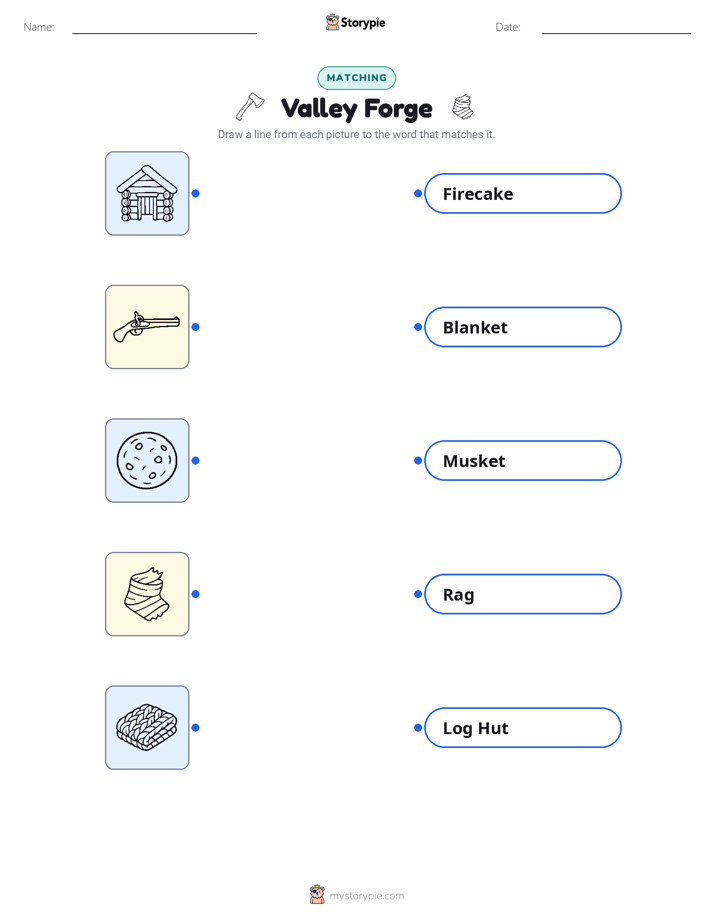
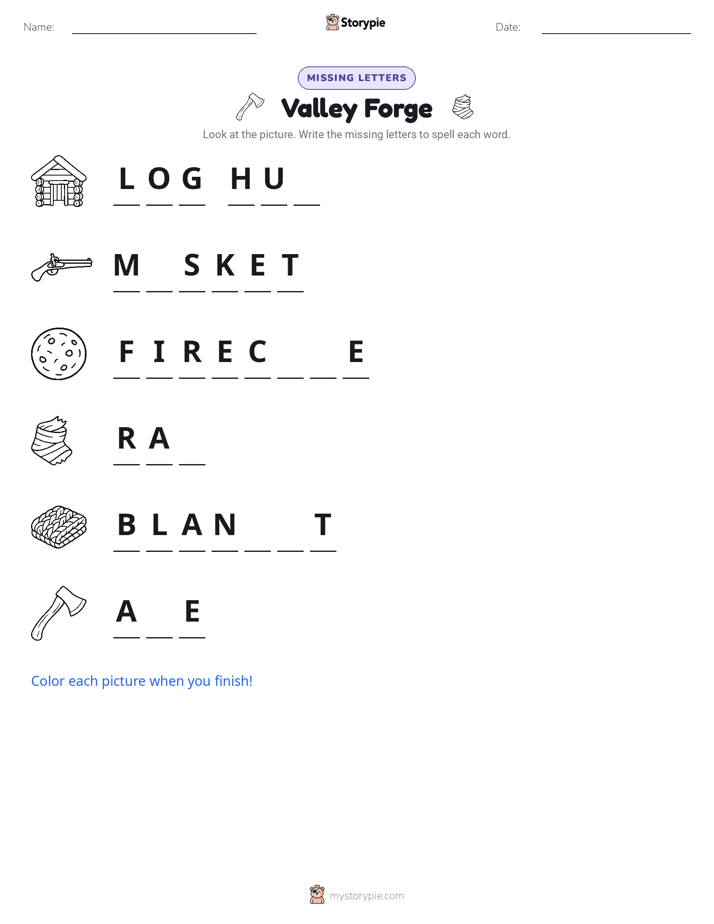
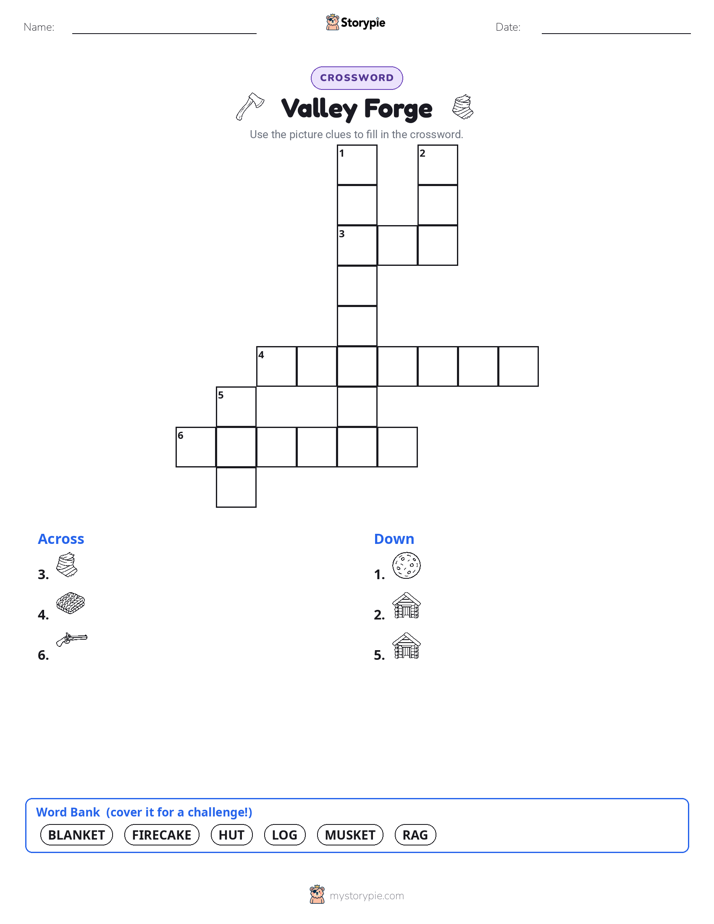
That winter at Valley Forge was a relentless struggle against nature itself. Our first and most urgent task was to build shelter. I ordered the men to construct over a thousand simple log huts, laid out in streets like a city of wood. The work was grueling. Felling trees with dull axes and dragging heavy logs through the snow and mud exhausted my already weakened soldiers. Yet, they worked with a spirit that I found truly remarkable. The greater enemy, however, was not the labor, but the severe shortages of everything a person needs to survive. Food was scarce, and what little we had was often spoiled. Day after day, the men subsisted on a miserable meal of 'firecake,' a tasteless mixture of flour and water cooked over a smoky fire. Many soldiers had worn out their shoes and uniforms on the long marches. I saw men with their feet wrapped in rags, leaving bloody footprints in the snow. Blankets were a luxury few could afford. Without proper clothing or shelter, sickness spread through the camp like wildfire. Diseases like typhoid, dysentery, and influenza were rampant, and we had almost no medicine to treat the sick. It was a heart-wrenching sight. I spent my days writing urgent, pleading letters to the Continental Congress, begging them to send supplies. I wrote of my soldiers’ suffering, their lack of pay, and their unwavering loyalty despite it all. 'We have this day,' I wrote in one letter, 'no less than two thousand eight hundred and ninety-eight men now in camp unfit for duty because they are barefoot and otherwise naked.' My heart ached for them, yet their courage filled me with a profound sense of admiration. They were the soul of our revolution, and their fortitude in the face of such misery was the flicker of hope we held onto in the darkness.
The turning point came with the frozen mud of February 1778. A man arrived in our camp who would change everything. His name was Baron Friedrich Wilhelm von Steuben, a professional soldier from the European kingdom of Prussia. He spoke little English, but he spoke the language of military discipline fluently. Appointed as the Inspector General of the army, he went to work immediately. He did not simply write orders from a warm tent; he went out onto the parade ground himself, into the cold and the wind, and drilled the soldiers personally. He began with a model company of one hundred men, teaching them how to march in formation, how to handle their muskets with precision, and, most importantly, how to use the bayonet effectively. He was a stern drillmaster, often shouting in a mix of German and French when men made mistakes, but his energy was infectious. The soldiers, hungry for purpose, responded with eagerness. Those one hundred men then became teachers, spreading the training throughout the army. For the first time, I watched a scattered collection of militias transform into a unified, professional fighting force. The change was astonishing. Then, in early May, even greater news arrived. A messenger galloped into camp with a proclamation from Congress: France had officially recognized the United States and signed a treaty of alliance. They were sending ships, soldiers, and money to help us. A wave of pure joy swept through Valley Forge. We celebrated with a grand parade and a feu de joie, a running fire of muskets into the air. Hope, which had seemed so distant, was now bright and real. On June 19th, 1778, exactly six months after we arrived, we marched out of Valley Forge. We were a different army. We were thinner, yes, but we were also tougher, more disciplined, and more confident than ever before.
Looking back, I can tell you that no great battle was fought at Valley Forge. There were no grand charges or cannon barrages against the British. But a battle was won there all the same. We fought a war against an enemy far more relentless than any army: we fought against despair, against cold, and against hunger. And we won. That terrible winter forged us into something new. The shared hardship created an unbreakable bond between the soldiers from different colonies, uniting them as Americans. The discipline that Baron von Steuben hammered into us on that frozen parade ground gave us the skill and confidence to face the highly trained British regulars on equal terms. The perseverance we learned in those dark months, the simple act of enduring one more day, became the foundation of our eventual victory. What we carried with us from Valley Forge was not just new military training, but a hardened spirit and a shared conviction that if we could survive that winter together, we could overcome any obstacle to win our freedom and build a new nation. That is the true legacy of our time there.
Wow facts
About
The winter encampment of the Continental Army, led by General George Washington, from December 1777 to June 1778 during the American Revolutionary War. It was a time of significant hardship, including shortages of provisions, clothing, and shoes, but also of retraining and reorganization that forged a more professional and resilient fighting force.
Take a Quiz
Question 1 of 5
Which of the following best retells the key events at Valley Forge as described by George Washington?
Explore next




Want to do even more?
Go beyond exploring. Unlock tools that turn every story into real learning.

Storypie Plus for families
Full stories, quizzes, and printables. Nights and car rides, sorted.
- Unlimited audio stories
- Create Mode: your child stars in the story
- Offline downloads
- Printable worksheets & coloring pages

Why Storypie for Schools
Students engaged. Prep in seconds. Evenings back to you.
- Worksheets & Quizzes
- Classroom Management
- Formative Assessment
- Custom Curriculum & Lesson Plans
- 27 Languages

Why Storypie for Homeschool
Curriculum done. They'll ask for more. Hours back in your day.
- Worksheet Generator
- First-Person Audio Stories
- Built-in Comprehension Quizzes
- Custom Curriculum & Lesson Plans
- Print & Go Activities