English

Canada Day - Canadian
Canada Day is the national day of Canada, celebrated on July 1st…
Reads at Grades 3–5 Listens at Grades 1–5
Print & create
Answer keys·No prep·Free with an account
28 worksheets · answer keys · full story · quiz · Ages 8-10 · CEFR B1
Plus adds 279,000+ more stories in 27 languages, audio for every one, and printables for all of them.
Just want Canada Day - Canadian?
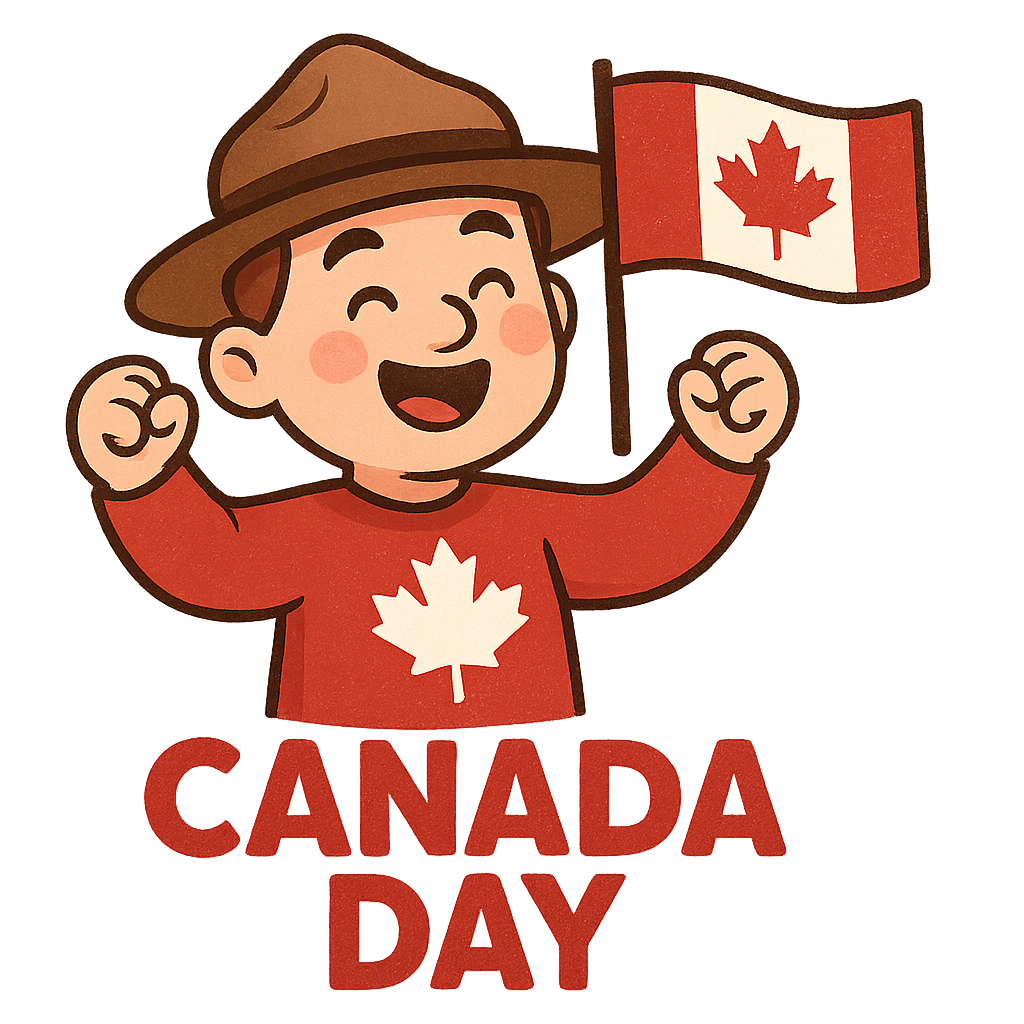
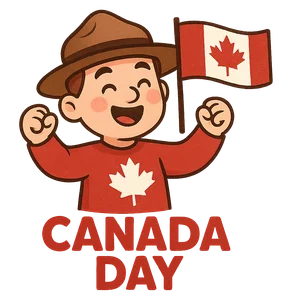
I am Canada Day, the national day of Canada. People across the country and around the world mark my arrival every year on the 1st of July. I am often called Canada's birthday because I celebrate the moment when several colonies joined together to form the country of Canada. My date is a time for many different kinds of gatherings, from large public festivals to quiet family get-togethers, and my story reflects the history of the nation itself.
My story begins on July 1st, 1867. On that day, a very important law called the British North America Act came into effect. This act united three separate colonies—the Province of Canada (which would later be divided into Ontario and Quebec), Nova Scotia, and New Brunswick—into a single, new country. This process of uniting is known as Confederation. The new country was officially called the Dominion of Canada. Because of this title, for more than one hundred years, I was known by a different name: Dominion Day. My first anniversary in 1868 saw some celebrations, marking the first time people gathered to commemorate this new beginning.
Although the anniversary of Confederation was observed right away, I did not become an official, or statutory, holiday for over a decade. A statutory holiday is one that is recognized by law, often giving people a day off from work or school. It was in 1879 that the Canadian government officially declared me a national holiday. However, in my early years, my observances were not always widespread or grand. Many people did not celebrate me with large public events, and it took quite a long time for my traditions to grow and become the kinds of celebrations that are common across the country today. My development from a quiet anniversary to a major national event took many decades.
I Am Canada Day
I am Canada Day, the national day of Canada. People across the country and around the world mark my arrival every year on the 1st of July. I am often called Canada's birthday because I celebrate the moment when several colonies joined together to form the country of Canada. My date is a time for many different kinds of gatherings, from large public festivals to quiet family get-togethers, and my story reflects the history of the nation itself.
My story begins on July 1st, 1867. On that day, a very important law called the British North America Act came into effect. This act united three separate colonies—the Province of Canada (which would later be divided into Ontario and Quebec), Nova Scotia, and New Brunswick—into a single, new country. This process of uniting is known as Confederation. The new country was officially called the Dominion of Canada. Because of this title, for more than one hundred years, I was known by a different name: Dominion Day. My first anniversary in 1868 saw some celebrations, marking the first time people gathered to commemorate this new beginning.
Although the anniversary of Confederation was observed right away, I did not become an official, or statutory, holiday for over a decade. A statutory holiday is one that is recognized by law, often giving people a day off from work or school. It was in 1879 that the Canadian government officially declared me a national holiday. However, in my early years, my observances were not always widespread or grand. Many people did not celebrate me with large public events, and it took quite a long time for my traditions to grow and become the kinds of celebrations that are common across the country today. My development from a quiet anniversary to a major national event took many decades.
For more than a century, I was known as Dominion Day. That changed in 1982, when my name was officially changed to Canada Day. This was a significant change that happened in the very same year that Canada’s government gained the power to amend, or change, its own constitution without needing approval from the British Parliament. This was a final step in Canada becoming a fully independent nation, able to make all of its own laws. My new name was chosen to reflect the country's modern identity and its status as a sovereign nation, separate from Great Britain. The change was a symbol of how the country saw itself in the modern world.
Today, when July 1st arrives, many people celebrate me with exciting outdoor events. Communities host parades with colorful floats, marching bands, and local groups. Families and friends gather for picnics in city parks or have barbecues in their backyards. Many towns and cities also organize large public concerts featuring Canadian musicians and performers. As the sun sets, one of my most beloved traditions takes place: spectacular fireworks displays that light up the night sky. On this day, it is very common to see the national colors of red and white everywhere. People wear red and white clothes, wave small paper flags, and display the Canadian flag with its red maple leaf on their homes and at public events.
While many people see my date as a time for celebration, it holds a different and more complex meaning for others. For many First Nations, Inuit, and Métis peoples, July 1st is a solemn reminder of the difficult history of colonization in Canada. The creation of the country in 1867 led to policies that caused great harm to Indigenous communities. For this reason, some use the day not to celebrate, but to raise awareness about this history and its ongoing effects. They may organize gatherings to honor the resilience, strength, and rich cultures of Indigenous peoples. For them, it is a day for reflection, education, and calling for a better future. This shows that my meaning can be very different depending on a person's history and perspective.
Wow facts
About
Canada Day is the national day of Canada, celebrated on July 1st, commemorating the anniversary of the Constitution Act, 1867, which united four provinces—Nova Scotia, New Brunswick, Ontario, and Quebec—into the Dominion of Canada. The Constitution Act, 1867, was enacted on March 29, 1867, and came into effect on July 1, 1867.
Take a Quiz
Question 1 of 5
What was my original name before I was called Canada Day?
Want to do even more?
Go beyond exploring. Unlock tools that turn every story into real learning.

Storypie Plus for families
Full stories, quizzes, and printables. Nights and car rides, sorted.
- Unlimited audio stories
- Create Mode: your child stars in the story
- Offline downloads
- Printable worksheets & coloring pages

Why Storypie for Schools
Students engaged. Prep in seconds. Evenings back to you.
- Worksheets & Quizzes
- Classroom Management
- Formative Assessment
- Custom Curriculum & Lesson Plans
- 27 Languages

Why Storypie for Homeschool
Curriculum done. They'll ask for more. Hours back in your day.
- Worksheet Generator
- First-Person Audio Stories
- Built-in Comprehension Quizzes
- Custom Curriculum & Lesson Plans
- Print & Go Activities