English

Fête des Lumières - French
The Fête des Lumières, or Festival of Lights, is an annual four-day festival in Lyon, France…
Reads at Grades 6–8 Listens at Grades 4–8
Print & create
Answer keys·No prep·Free with an account
28 worksheets · answer keys · full story · quiz · Ages 10-12 · CEFR B2
Plus adds 279,000+ more stories in 27 languages, audio for every one, and printables for all of them.
Just want Fête des Lumières - French?
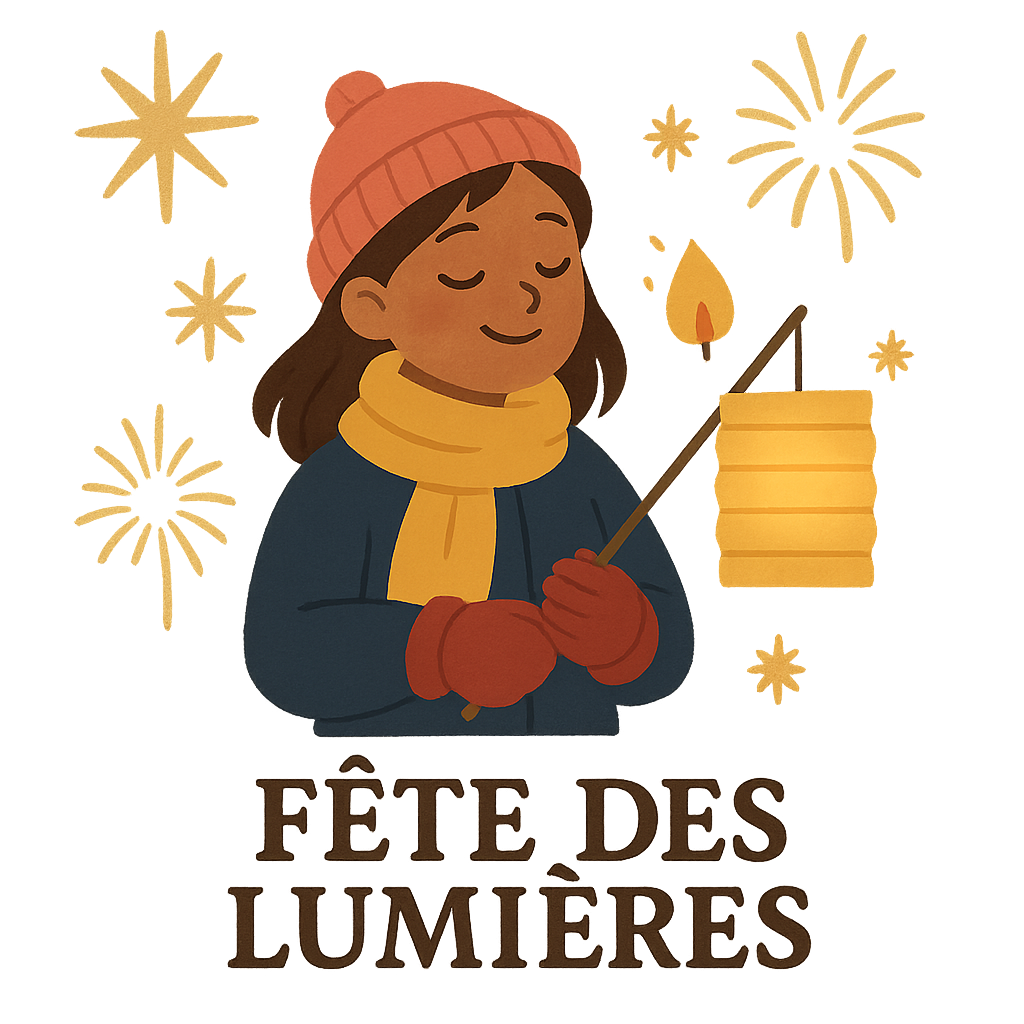
I am the Fête des Lumières, a name that means Festival of Lights in English. My home is the historic and beautiful city of Lyon, located in France. For four nights each year in early December, I transform the city's streets, squares, and buildings into a breathtaking canvas of light and color. Though I am now known around the world as a massive public art event, my origins are much quieter and more personal. My story began hundreds of years ago, rooted in a simple promise of gratitude made by the people of Lyon to the Virgin Mary. Over the centuries, that promise has evolved, growing from a solemn procession into a spectacular celebration that blends ancient tradition with modern artistry, all centered on the powerful and hopeful symbolism of light.
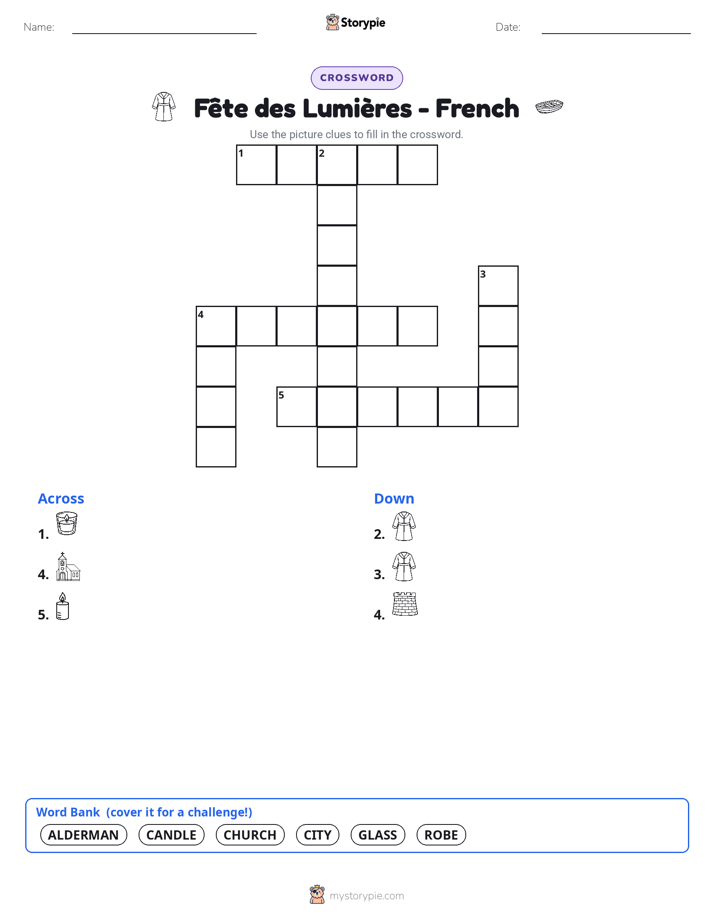
My history traces back to a time of great fear in 1643. During that year, a devastating plague was sweeping across the southern regions of France, and the people of Lyon watched its approach with dread. Fearing for their homes and families, the city's leaders, known as the aldermen, gathered to make a solemn vow. They climbed Fourvière Hill, a place that overlooks the entire city, and prayed. They promised that if the Virgin Mary would protect Lyon from the plague, they would pay tribute to her every year. Miraculously, the city was spared from the worst of the disease. True to their word, the people of Lyon kept their promise. My earliest form was this annual tribute: a formal procession to the Basilica of Fourvière to honor Mary. This act of gratitude became a yearly tradition, a quiet and respectful observance that continued for nearly two hundred years.
Fête des Lumières: A Story of Light
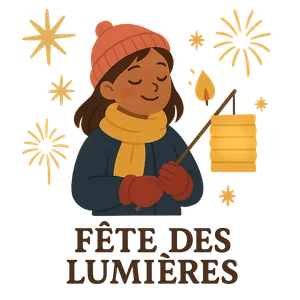
I am the Fête des Lumières, a name that means Festival of Lights in English. My home is the historic and beautiful city of Lyon, located in France. For four nights each year in early December, I transform the city's streets, squares, and buildings into a breathtaking canvas of light and color. Though I am now known around the world as a massive public art event, my origins are much quieter and more personal. My story began hundreds of years ago, rooted in a simple promise of gratitude made by the people of Lyon to the Virgin Mary. Over the centuries, that promise has evolved, growing from a solemn procession into a spectacular celebration that blends ancient tradition with modern artistry, all centered on the powerful and hopeful symbolism of light.
My history traces back to a time of great fear in 1643. During that year, a devastating plague was sweeping across the southern regions of France, and the people of Lyon watched its approach with dread. Fearing for their homes and families, the city's leaders, known as the aldermen, gathered to make a solemn vow. They climbed Fourvière Hill, a place that overlooks the entire city, and prayed. They promised that if the Virgin Mary would protect Lyon from the plague, they would pay tribute to her every year. Miraculously, the city was spared from the worst of the disease. True to their word, the people of Lyon kept their promise. My earliest form was this annual tribute: a formal procession to the Basilica of Fourvière to honor Mary. This act of gratitude became a yearly tradition, a quiet and respectful observance that continued for nearly two hundred years.
My modern identity, the one filled with glowing light, was sparked into existence by a series of unexpected events on a single day in 1852. The city was preparing for a special occasion: the inauguration of a new golden statue of Mary, which was to be placed on the chapel bell tower on Fourvière Hill. The ceremony was originally planned for September but had been postponed due to flooding. The new date was set for December 8th. As the day arrived, the people of Lyon were filled with anticipation. However, the weather turned against them once again. A violent storm descended upon the city in the evening, with strong winds and heavy rain, forcing the officials to cancel the grand, formal celebration they had planned. It seemed the day would end in disappointment.
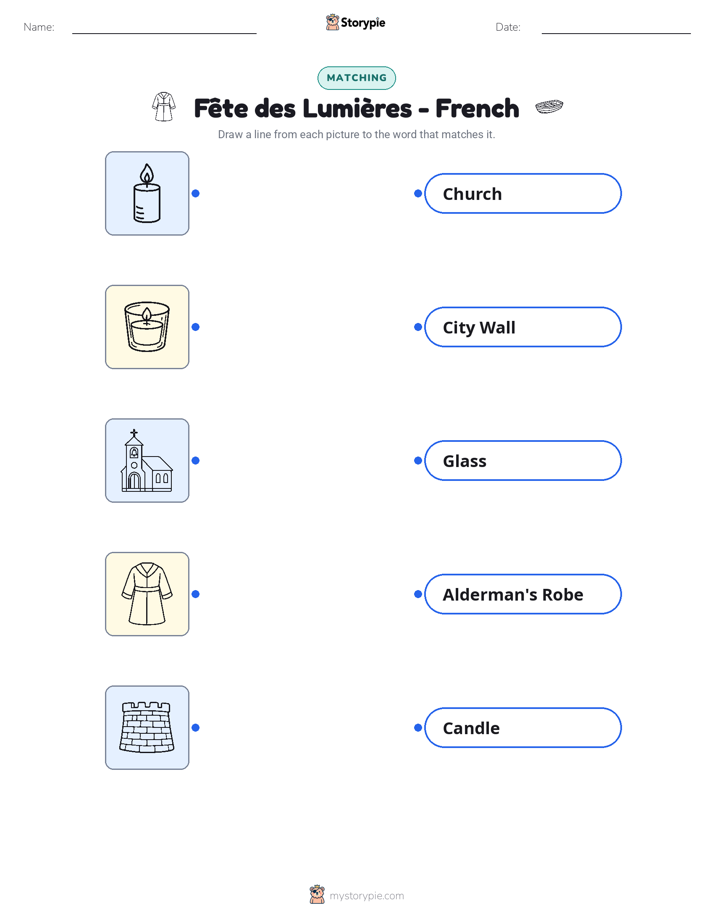
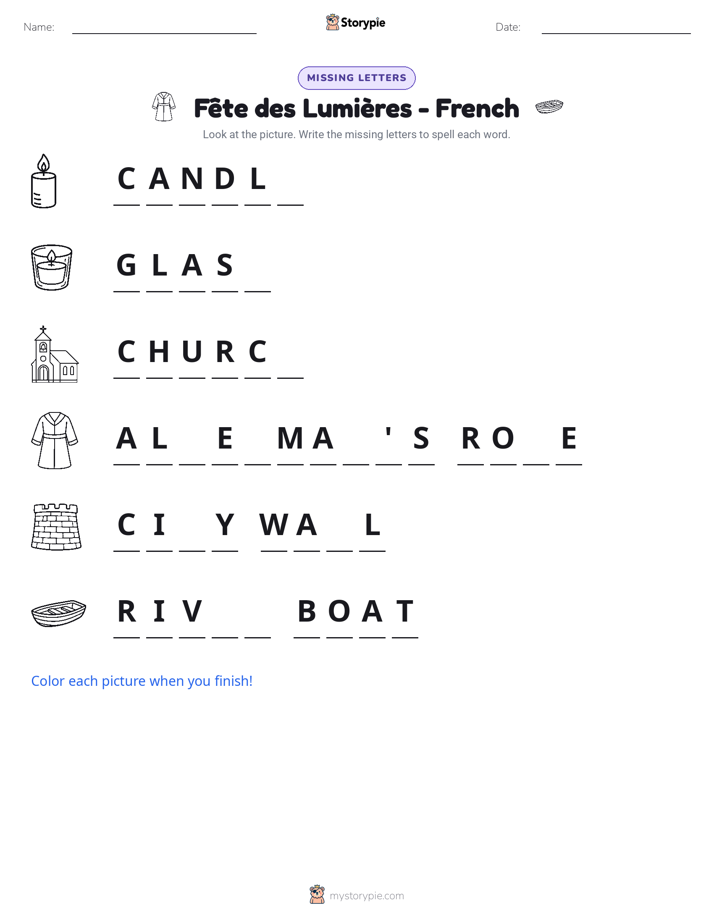
But the people of Lyon, the Lyonnais, felt differently. They did not want the storm to extinguish their spirit of celebration and gratitude. As darkness fell and the storm raged, a remarkable thing happened. In a spontaneous act of community and faith, people began to place small candles in colored glasses, called lumignons, on their windowsills. One by one, windows across the city began to glow. Soon, thousands of tiny flames flickered against the dark, rainy night, transforming the entire city into a magical landscape of light. What the official ceremony could not accomplish due to the storm, the citizens created themselves. This beautiful, unplanned gesture of lighting candles in their homes became the true birth of my identity as a festival of lights.
Ever since that memorable night in 1852, December 8th has been my most important and sacred date. This specific date holds a dual significance. It commemorates the spontaneous candle-lighting by the Lyonnais, and it also aligns with the Feast of the Immaculate Conception, a major day in the Catholic faith. Although my modern observance has expanded to last for four full days, the evening of December 8th remains the heart of the festival. On this night, the people of Lyon faithfully continue the tradition that began so long ago. They place their glowing lumignons on windowsills and balconies throughout the city. This simple, quiet act creates a peaceful and magical atmosphere, a thread of light connecting generations of residents to that stormy night in the 19th century.
For more than a century, my observance was centered on this personal tradition of the lumignons. However, in the 1980s, I began a dramatic transformation. The city of Lyon's government decided to build upon the existing tradition by organizing large-scale, professional light shows on the city's public buildings and monuments. This marked my evolution from a local, faith-based tradition into a major international cultural event. Today, I am recognized as one of the largest and most impressive light festivals in the world. Each year, renowned artists and designers from many countries are invited to create incredible, colorful light installations and elaborate video projections. They use the city's architecture as their canvas, turning landmarks like the Cathédrale Saint-Jean, the Place des Terreaux, and the banks of the Rhône and Saône rivers into gigantic, moving works of art that tell stories with light.
My identity today is made of two distinct yet complementary parts, and both are equally important. One part is the intimate, personal tradition that is passed down through families. It is the quiet moment when residents light their lumignons at home, a gesture of gratitude and remembrance that honors my historical origins. This tradition keeps the original spirit of 1852 alive in the hearts and homes of the Lyonnais. The other part is the grand public spectacle—the massive, modern festival that draws millions of visitors from all over the world. This is the experience of walking through the city's streets as a pedestrian, marveling at the breathtaking light displays created by international artists. These two traditions, the private and the public, the historic and the contemporary, happen at the same time, creating a unique and layered experience.
For four nights in early December, the city of Lyon effectively becomes a vast, open-air museum of light. The streets are closed to traffic in the city center, and people are encouraged to stroll along specially designed routes, following paths of light that lead them from one stunning installation to another. The atmosphere is festive and full of wonder. Families and friends gather, enjoying the spectacle together. The crisp winter air is often filled with the scent of holiday treats like roasted chestnuts or the warm, sweet spice of vin chaud, a traditional hot mulled wine. And through all the excitement of the high-tech projections and dazzling artistic displays, the gentle, flickering glow of thousands of lumignons in the windows of homes and apartments serves as a constant, beautiful reminder of my simple, heartfelt beginnings.
Wow facts
About
The Fête des Lumières, or Festival of Lights, is an annual four-day festival in Lyon, France, that originated as a popular religious tribute to the Virgin Mary on December 8, 1852. It is now a major international event showcasing large-scale light installations by artists from around the world, alongside the continuing tradition of residents placing candles (lumignons) in their windows.
Take a Quiz
Question 1 of 5
In your own words, retell the key events of December 8th, 1852, that led to the tradition of lighting candles.
Want to do even more?
Go beyond exploring. Unlock tools that turn every story into real learning.

Storypie Plus for families
Full stories, quizzes, and printables. Nights and car rides, sorted.
- Unlimited audio stories
- Create Mode: your child stars in the story
- Offline downloads
- Printable worksheets & coloring pages

Why Storypie for Schools
Students engaged. Prep in seconds. Evenings back to you.
- Worksheets & Quizzes
- Classroom Management
- Formative Assessment
- Custom Curriculum & Lesson Plans
- 27 Languages

Why Storypie for Homeschool
Curriculum done. They'll ask for more. Hours back in your day.
- Worksheet Generator
- First-Person Audio Stories
- Built-in Comprehension Quizzes
- Custom Curriculum & Lesson Plans
- Print & Go Activities