English

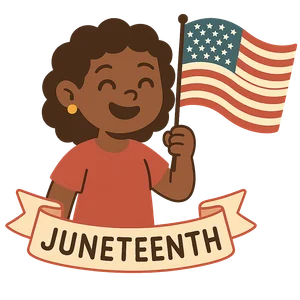
Juneteenth - American
Juneteenth is a federal holiday in the United States commemorating the emancipation of enslaved African…
Reads at Grades 6–8 Listens at Grades 4–8
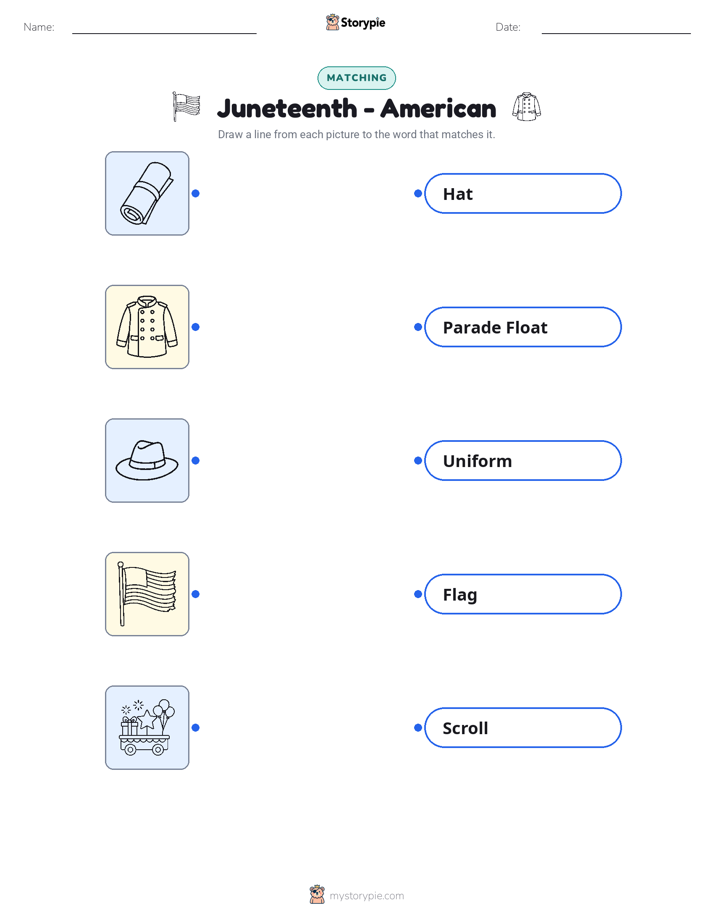
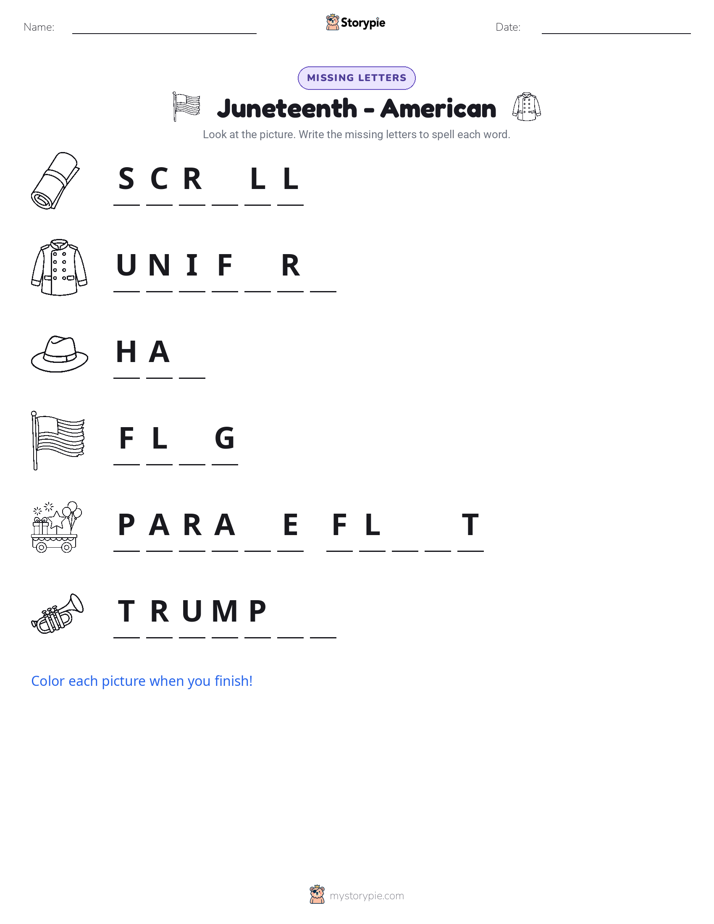
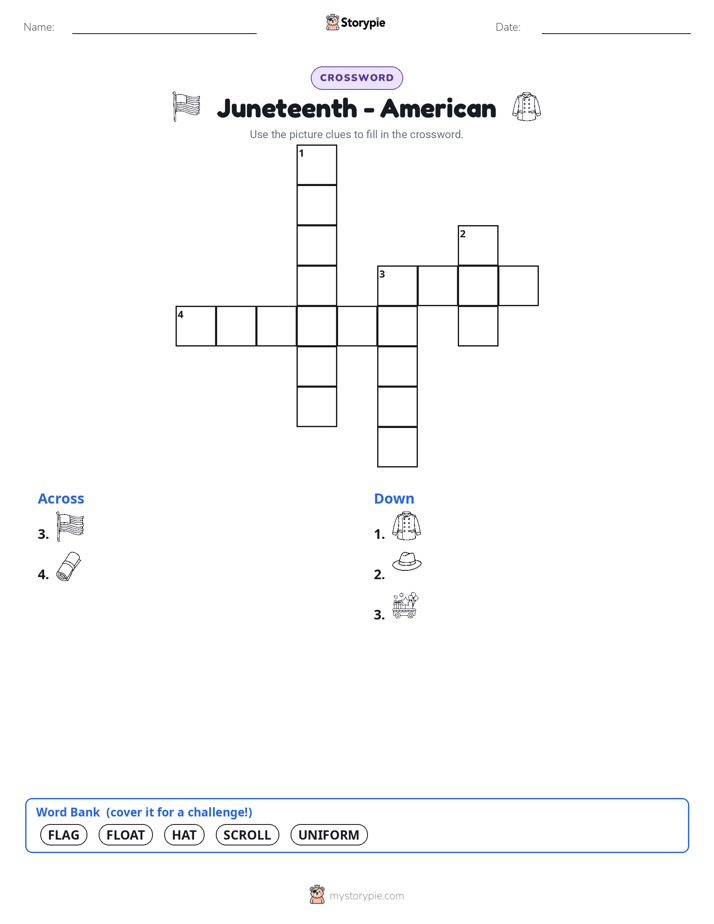
Print & create
Answer keys·No prep·Free with an account
28 worksheets · answer keys · full story · quiz · Ages 10-12 · CEFR B2
Plus adds 279,000+ more stories in 27 languages, audio for every one, and printables for all of them.
Just want Juneteenth - American?
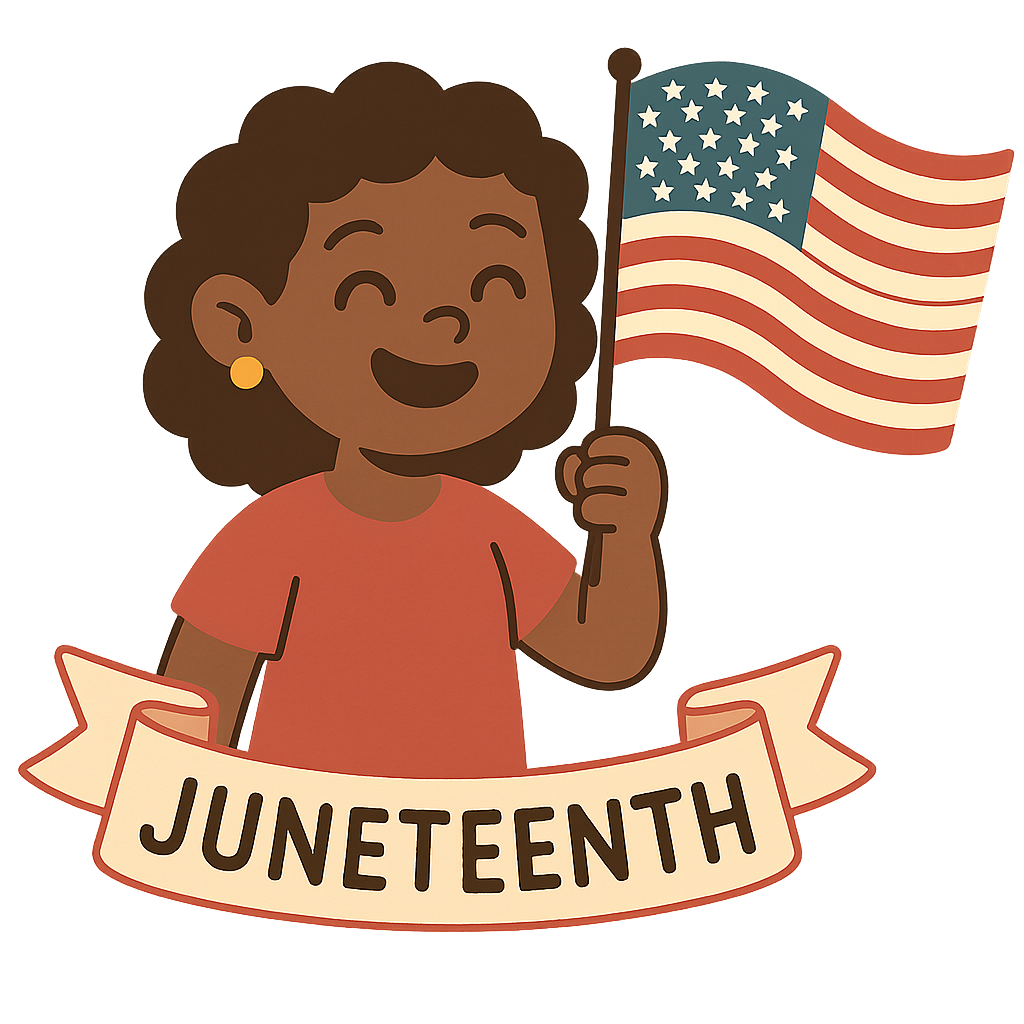
I am the holiday Juneteenth, and I mark a very important day in American history. My name is a blend of two words: 'June' and 'nineteenth.' People observe me on June 19th each year to commemorate a pivotal moment. The event I honor took place in 1865, more than two years after President Abraham Lincoln issued the Emancipation Proclamation. That proclamation, issued during the Civil War, was a declaration that enslaved people in the Confederate states were legally free. However, making that freedom a reality for everyone was a slow and difficult process. My date marks the day when the last enslaved African Americans in the United States, located in Galveston, Texas, finally received the news that they were free.
My story begins at the very end of the American Civil War. In the spring of 1865, the war was over, but life in distant parts of the country had not yet changed. A Union Army officer, Major General Gordon Granger, was sent to Texas to establish federal authority. On June 19th, 1865, he arrived in the port city of Galveston. There, he stood and read a document known as General Order No. 3. The order was direct and powerful. It announced to the people of Texas that, in accordance with the Emancipation Proclamation, all enslaved people were now free. This was not just news; it was the enforcement of a freedom that had been promised long before. That announcement finally brought the full weight of the nation's laws to Texas, ending the institution of slavery in the state.
Following that momentous day, the first observances of my anniversary were organized. In 1866, one year after the announcement in Galveston, newly freed African Americans in Texas gathered to mark the occasion. These first celebrations were deeply meaningful. They were often centered around community prayer and gave families, many of whom had been forcibly separated by slavery, a chance to reunite. People celebrated their new freedom by dressing in their finest clothes, an act that had been denied to them under slavery. The gatherings were filled with food and songs. A central part of these early events was the public reading of the Emancipation Proclamation, which served as a powerful reminder of the struggle for freedom and the legal promise that had finally been fulfilled.
I Am Juneteenth
I am the holiday Juneteenth, and I mark a very important day in American history. My name is a blend of two words: 'June' and 'nineteenth.' People observe me on June 19th each year to commemorate a pivotal moment. The event I honor took place in 1865, more than two years after President Abraham Lincoln issued the Emancipation Proclamation. That proclamation, issued during the Civil War, was a declaration that enslaved people in the Confederate states were legally free. However, making that freedom a reality for everyone was a slow and difficult process. My date marks the day when the last enslaved African Americans in the United States, located in Galveston, Texas, finally received the news that they were free.
My story begins at the very end of the American Civil War. In the spring of 1865, the war was over, but life in distant parts of the country had not yet changed. A Union Army officer, Major General Gordon Granger, was sent to Texas to establish federal authority. On June 19th, 1865, he arrived in the port city of Galveston. There, he stood and read a document known as General Order No. 3. The order was direct and powerful. It announced to the people of Texas that, in accordance with the Emancipation Proclamation, all enslaved people were now free. This was not just news; it was the enforcement of a freedom that had been promised long before. That announcement finally brought the full weight of the nation's laws to Texas, ending the institution of slavery in the state.
Following that momentous day, the first observances of my anniversary were organized. In 1866, one year after the announcement in Galveston, newly freed African Americans in Texas gathered to mark the occasion. These first celebrations were deeply meaningful. They were often centered around community prayer and gave families, many of whom had been forcibly separated by slavery, a chance to reunite. People celebrated their new freedom by dressing in their finest clothes, an act that had been denied to them under slavery. The gatherings were filled with food and songs. A central part of these early events was the public reading of the Emancipation Proclamation, which served as a powerful reminder of the struggle for freedom and the legal promise that had finally been fulfilled.
As the years went on, my traditions grew and became more established. The early gatherings evolved into larger community-wide celebrations. Barbecues became a cornerstone of the observance, bringing people together to share food and fellowship. Celebrations also included games and recreation, like baseball, for everyone to enjoy. One of my most important symbols is the color red. It appears in foods and drinks like red soda pop, strawberry pie, and red velvet cake. This color is symbolic, representing the bloodshed and immense suffering of enslaved African Americans, as well as their resilience and strength. As these celebrations grew, African American communities began to pool their resources to buy land specifically for my observance. These spaces, proudly named 'Emancipation Parks,' provided a permanent and safe place for people to gather and celebrate their heritage and freedom.
For many decades, I was primarily an observance within African American communities, with my roots held strongest in Texas. But my story is also one of movement and growth. During a period in the 20th century known as the Great Migration, millions of African Americans moved from the South to other parts of the country in search of better opportunities. As they settled in new cities and states, they brought my traditions with them, introducing me to new communities across the nation. This migration helped spread awareness of my significance far beyond Texas. After years of effort by activists and community leaders who worked to have my importance formally recognized, Texas declared me an official state holiday in 1980. This was a major step, and the work for national recognition continued for decades more. Finally, on June 17th, 2021, I became a national federal holiday, officially recognized for all Americans to observe.
Today, people across the United States observe me in a variety of ways, reflecting both my history and my modern significance. Families and communities continue the long-held traditions of gathering for parades, vibrant festivals, and cookouts that echo the first celebrations. These events are filled with music, food, and fellowship. But my observance is not only about celebration. It is also a time for education and serious reflection. Many people use the day to learn more about the history of slavery in the United States and to consider the long and ongoing pursuit of racial justice and equality. I am a day to celebrate freedom, but also to honor the profound cultural contributions and achievements of African Americans. My purpose is twofold: to remember a difficult past and to celebrate the enduring spirit of a people and the continuing journey toward a more perfect freedom.
Wow facts
About
Juneteenth is a federal holiday in the United States commemorating the emancipation of enslaved African Americans. It marks the anniversary of the announcement of General Order No. 3 by Union Army general Gordon Granger on June 19, 1865, proclaiming freedom for enslaved people in Texas.
Take a Quiz
Question 1 of 5
What is the main reason Juneteenth is celebrated on June 19th, even though the Emancipation Proclamation was issued much earlier?
Want to do even more?
Go beyond exploring. Unlock tools that turn every story into real learning.

Storypie Plus for families
Full stories, quizzes, and printables. Nights and car rides, sorted.
- Unlimited audio stories
- Create Mode: your child stars in the story
- Offline downloads
- Printable worksheets & coloring pages

Why Storypie for Schools
Students engaged. Prep in seconds. Evenings back to you.
- Worksheets & Quizzes
- Classroom Management
- Formative Assessment
- Custom Curriculum & Lesson Plans
- 27 Languages

Why Storypie for Homeschool
Curriculum done. They'll ask for more. Hours back in your day.
- Worksheet Generator
- First-Person Audio Stories
- Built-in Comprehension Quizzes
- Custom Curriculum & Lesson Plans
- Print & Go Activities