English

Makar Sankranti - Indian
Makar Sankranti is a Hindu harvest festival celebrated across India that marks the sun's transit into the…
Reads at Grades 6–8 Listens at Grades 4–8
Print & create
Answer keys·No prep·Free with an account
28 worksheets · answer keys · full story · quiz · Ages 10-12 · CEFR B2
Plus adds 279,000+ more stories in 27 languages, audio for every one, and printables for all of them.
Just want Makar Sankranti - Indian?
I am Makar Sankranti, a festival celebrated in India that marks a special moment in the sun’s annual journey across the sky. My timing is not determined by the moon, as it is for many other Indian festivals, but by the sun itself. People observe me when the sun makes its transition into the zodiac sign of Makara, which is also known as Capricorn. This celestial event is significant because it signals the end of the winter solstice period and the beginning of longer, warmer days. It is a time of hope and change, as the days grow brighter and the harvest season concludes. Because my date is based on this solar movement, people can count on me arriving on either January 14th or 15th each year, a predictable and welcome marker in the calendar.
While my name is Makar Sankranti in many places, I am known by various names and celebrated with unique customs across the diverse regions of India. My identity is like a mosaic, reflecting the rich cultural tapestry of the subcontinent. In the southern state of Tamil Nadu, for example, people celebrate me as Pongal. This is a grand four-day harvest festival dedicated to giving thanks. Farmers and their families honor the sun god, Surya, for the crops that sustain them, and they also show gratitude to the cattle that help them work the land. It is a profound expression of appreciation for nature's gifts and the cycles of agriculture that support life.
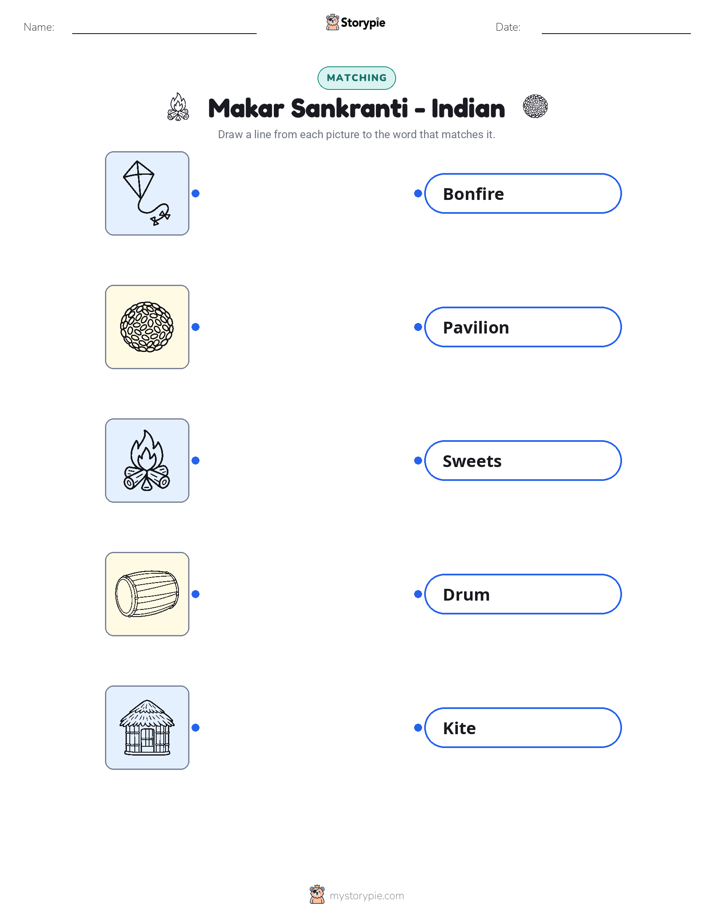
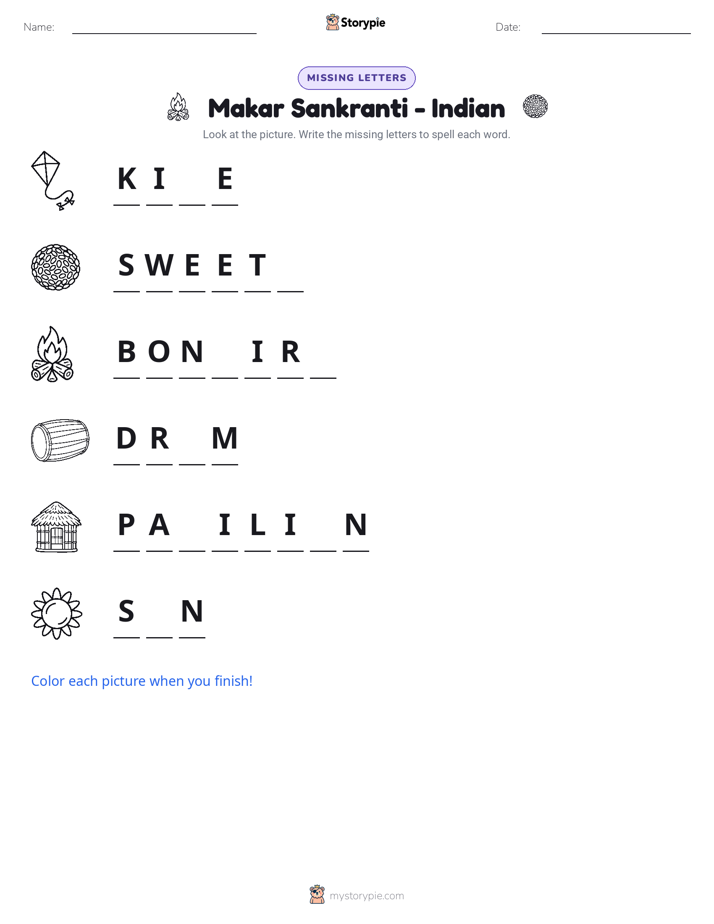
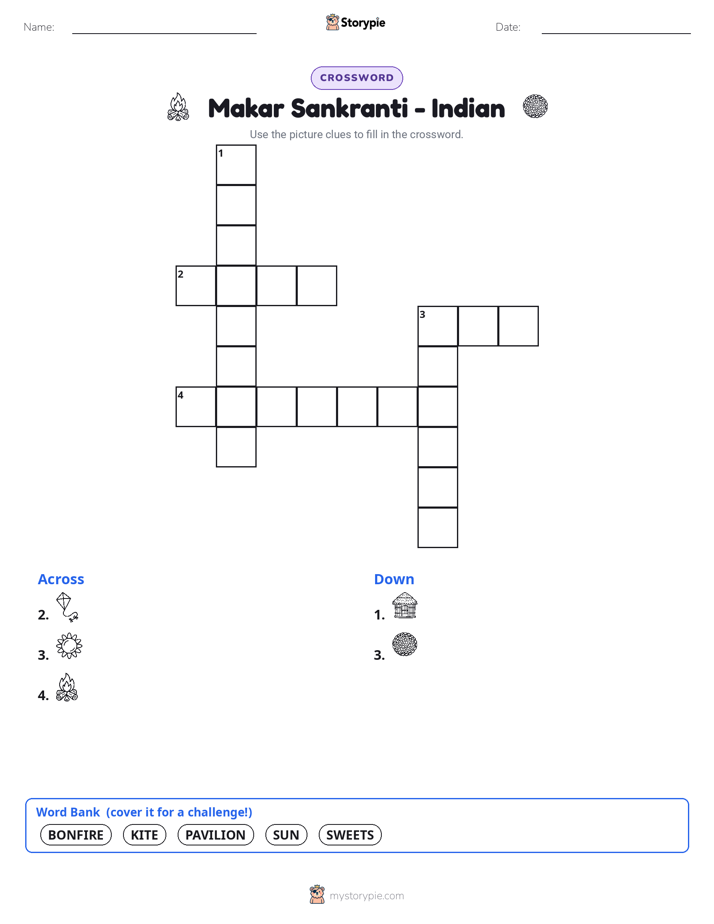
Travel north to Punjab, and you will find me celebrated as Lohri or Maghi. Here, the end of winter is marked with great enthusiasm. As the sun sets, communities gather around large bonfires. The crackling flames push back the winter chill, and people toss sesame seeds, jaggery, and other foods into the fire as offerings, singing and dancing to the beat of the dhol drum. It is a vibrant celebration of warmth, community, and the promise of the coming spring. Meanwhile, in the northeastern state of Assam, I am called Magh Bihu. This celebration is also tied to the harvest, and its centerpiece is the community feast. People build temporary pavilions from bamboo and thatch, where they come together to share traditional foods, play games, and strengthen their communal bonds after a season of hard work in the fields.
Makar Sankranti: A Festival of the Sun
I am Makar Sankranti, a festival celebrated in India that marks a special moment in the sun’s annual journey across the sky. My timing is not determined by the moon, as it is for many other Indian festivals, but by the sun itself. People observe me when the sun makes its transition into the zodiac sign of Makara, which is also known as Capricorn. This celestial event is significant because it signals the end of the winter solstice period and the beginning of longer, warmer days. It is a time of hope and change, as the days grow brighter and the harvest season concludes. Because my date is based on this solar movement, people can count on me arriving on either January 14th or 15th each year, a predictable and welcome marker in the calendar.
While my name is Makar Sankranti in many places, I am known by various names and celebrated with unique customs across the diverse regions of India. My identity is like a mosaic, reflecting the rich cultural tapestry of the subcontinent. In the southern state of Tamil Nadu, for example, people celebrate me as Pongal. This is a grand four-day harvest festival dedicated to giving thanks. Farmers and their families honor the sun god, Surya, for the crops that sustain them, and they also show gratitude to the cattle that help them work the land. It is a profound expression of appreciation for nature's gifts and the cycles of agriculture that support life.
Travel north to Punjab, and you will find me celebrated as Lohri or Maghi. Here, the end of winter is marked with great enthusiasm. As the sun sets, communities gather around large bonfires. The crackling flames push back the winter chill, and people toss sesame seeds, jaggery, and other foods into the fire as offerings, singing and dancing to the beat of the dhol drum. It is a vibrant celebration of warmth, community, and the promise of the coming spring. Meanwhile, in the northeastern state of Assam, I am called Magh Bihu. This celebration is also tied to the harvest, and its centerpiece is the community feast. People build temporary pavilions from bamboo and thatch, where they come together to share traditional foods, play games, and strengthen their communal bonds after a season of hard work in the fields.
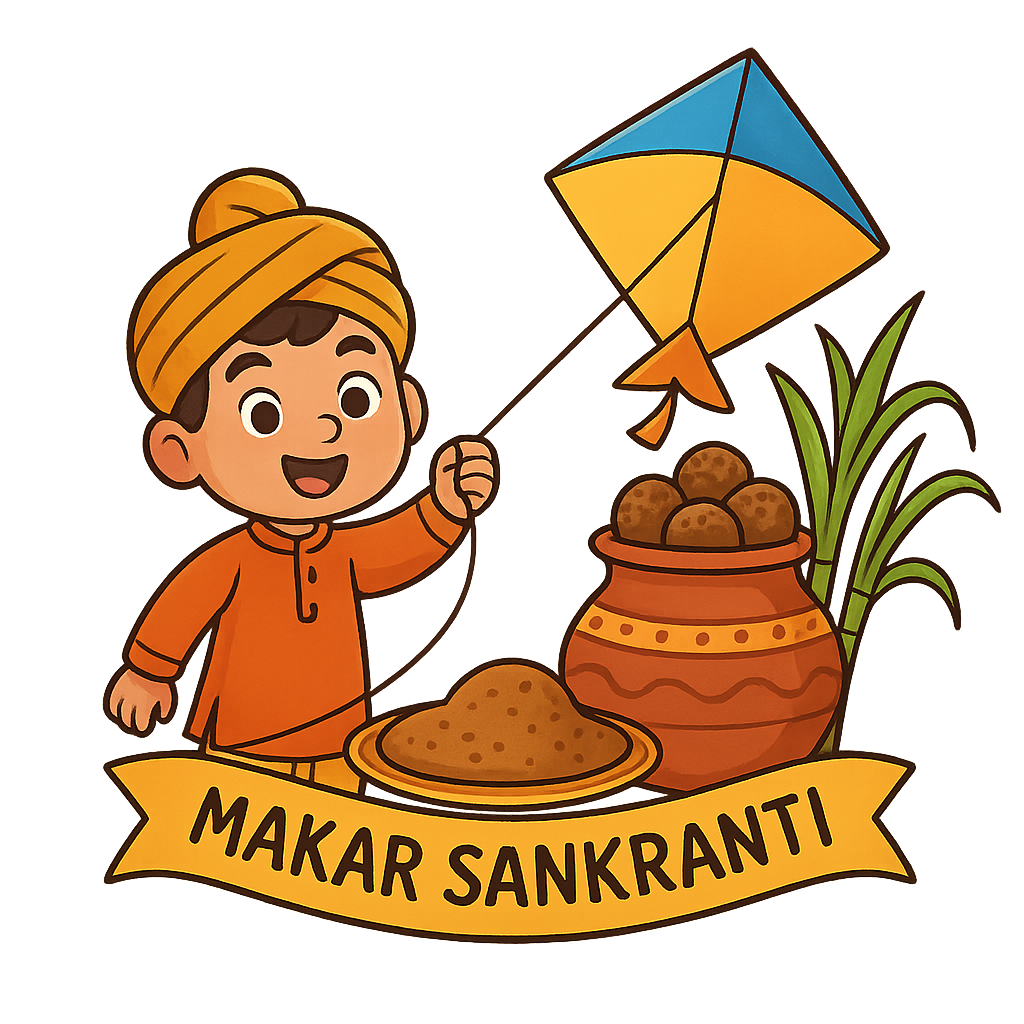
Perhaps one of my most famous regional forms is in the state of Gujarat, where I am known as Uttarayan. On this day, the sky transforms into a breathtaking canvas filled with countless colorful kites. The tradition of kite flying, or 'patang,' is a central part of the celebration. From dawn until dusk, people of all ages flock to rooftops and open fields to fly their kites. The air buzzes with excitement as friendly competitions break out, with participants skillfully maneuvering their kites to cut the strings of others. This tradition is not just for entertainment; it was historically encouraged so that people would spend time outdoors, absorbing the gentle and beneficial rays of the morning sun after the cold winter months.
Across all my different forms, there are certain customs that unite the people who observe me. One of the most cherished traditions involves the sharing of special sweets made from sesame seeds, known as 'til,' and a type of unrefined sugar called 'gul,' or jaggery. These ingredients are significant because traditional beliefs hold that they help keep the body warm and healthy during the winter season. When people exchange these sweet treats, they often recite a meaningful phrase: 'Til-gul ghya, goad goad bola.' This translates to 'Accept this sweet and speak sweet words.' This simple act is a powerful reminder to let go of past disagreements and bitterness, encouraging everyone to begin the new season with kindness, forgiveness, and positive relationships.
My customs are deeply rooted in giving thanks and embracing a fresh start. Many people begin the day by taking a holy dip in sacred rivers, such as the Ganga. It is a widespread belief that doing so on this auspicious day purifies the self and washes away past sins. Charity is also a cornerstone of my observance. Many people make it a point to donate food, warm clothing, and other necessities to those in need, sharing the bounty of the harvest and spreading goodwill. In many parts of the country, huge fairs, called 'melas,' are organized. These gatherings are vibrant hubs of activity, bringing entire communities together for celebration, trade, and social connection, reinforcing the bonds that tie people together.
Today, my celebrations are a beautiful blend of ancient rituals and modern fun, adapting to new contexts while holding onto core meanings. Families and friends gather to prepare and share special regional foods that are unique to my observance. In Gujarat, they might enjoy a mixed vegetable dish called Undhiyu, while in Assam and other eastern states, people make various kinds of rice cakes known as Pitha. While communities in rural areas might focus more intensely on the agricultural and harvest rituals, people living in cities often celebrate me with large social gatherings and organized kite-flying festivals. I continue to be an important day in the calendar, a time that connects people to their cultural heritage, the rhythm of the changing seasons, and, most importantly, to one another.
Wow facts
About
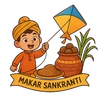
Makar Sankranti is a Hindu harvest festival celebrated across India that marks the sun's transit into the Makara (Capricorn) zodiac sign. It marks the end of the winter solstice and the start of longer days, and is dedicated to the sun god, Surya.
Take a Quiz
Question 1 of 5
In your own words, explain why Makar Sankranti is celebrated on a fixed date unlike many other Indian festivals.
Want to do even more?
Go beyond exploring. Unlock tools that turn every story into real learning.

Storypie Plus for families
Full stories, quizzes, and printables. Nights and car rides, sorted.
- Unlimited audio stories
- Create Mode: your child stars in the story
- Offline downloads
- Printable worksheets & coloring pages

Why Storypie for Schools
Students engaged. Prep in seconds. Evenings back to you.
- Worksheets & Quizzes
- Classroom Management
- Formative Assessment
- Custom Curriculum & Lesson Plans
- 27 Languages

Why Storypie for Homeschool
Curriculum done. They'll ask for more. Hours back in your day.
- Worksheet Generator
- First-Person Audio Stories
- Built-in Comprehension Quizzes
- Custom Curriculum & Lesson Plans
- Print & Go Activities