English

Mardi Gras - American
Mardi Gras, French for 'Fat Tuesday,' is a carnival celebration culminating on the day before Ash Wednesday.
Reads at Grades 3–5 Listens at Grades 1–5
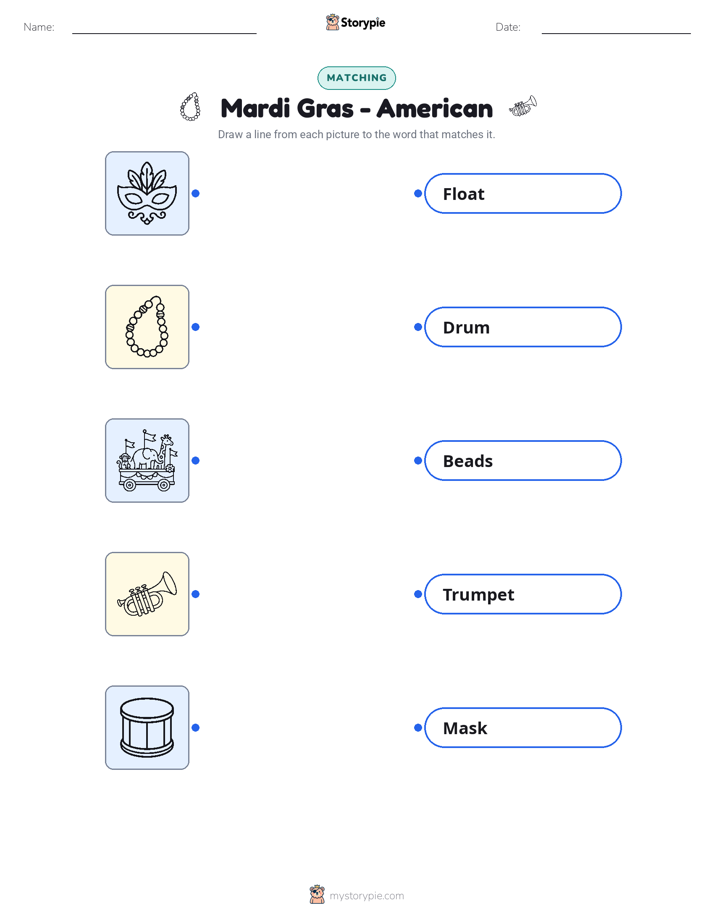
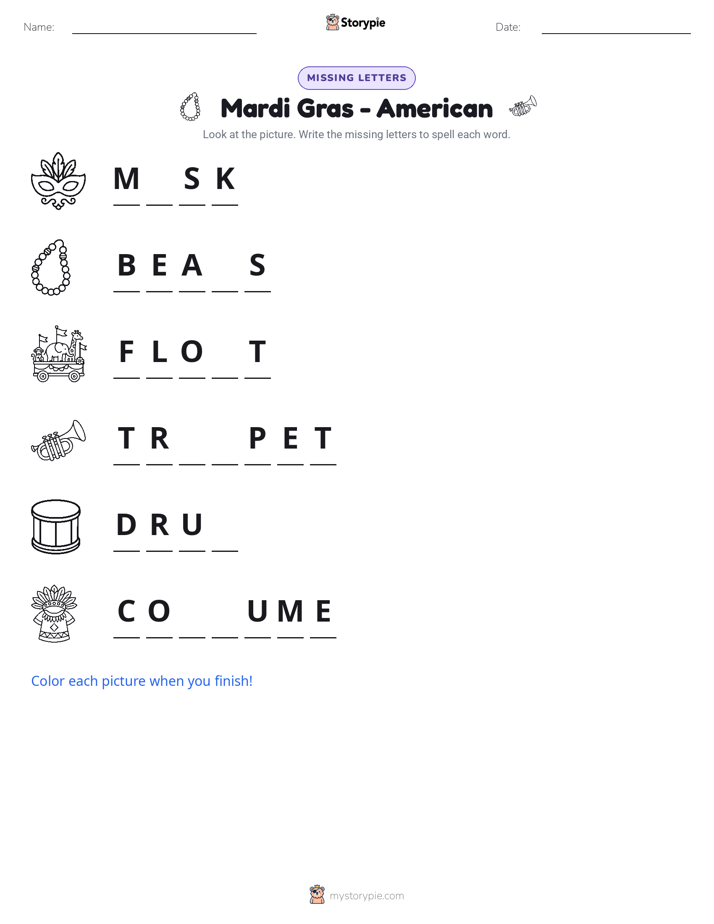
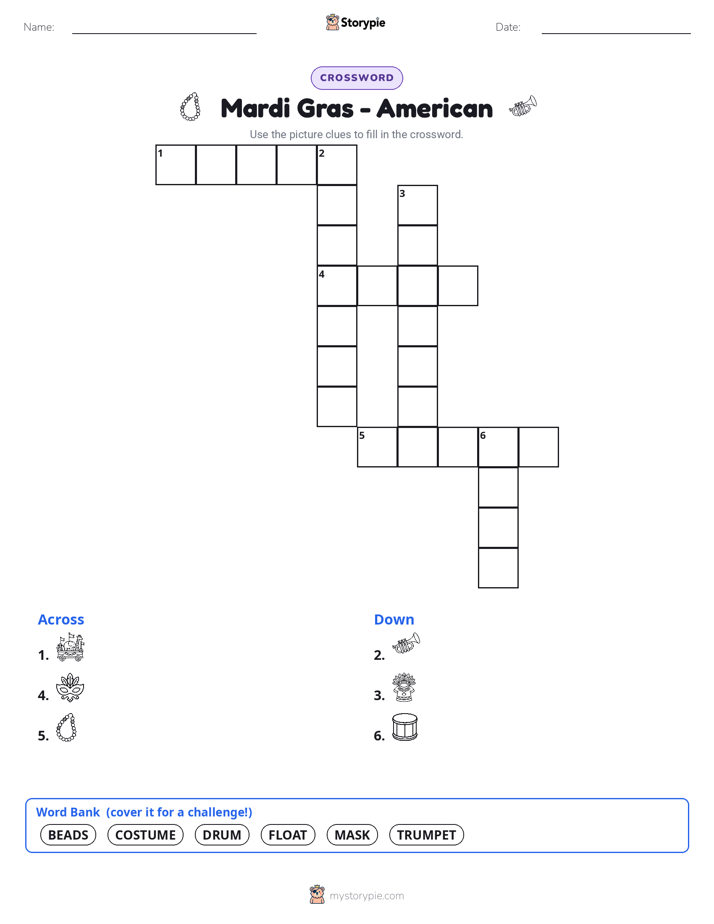
Print & create
Answer keys·No prep·Free with an account
28 worksheets · answer keys · full story · quiz · Ages 8-10 · CEFR B1
Plus adds 273,000+ more stories in 27 languages, audio for every one, and printables for all of them.
Just want Mardi Gras - American?
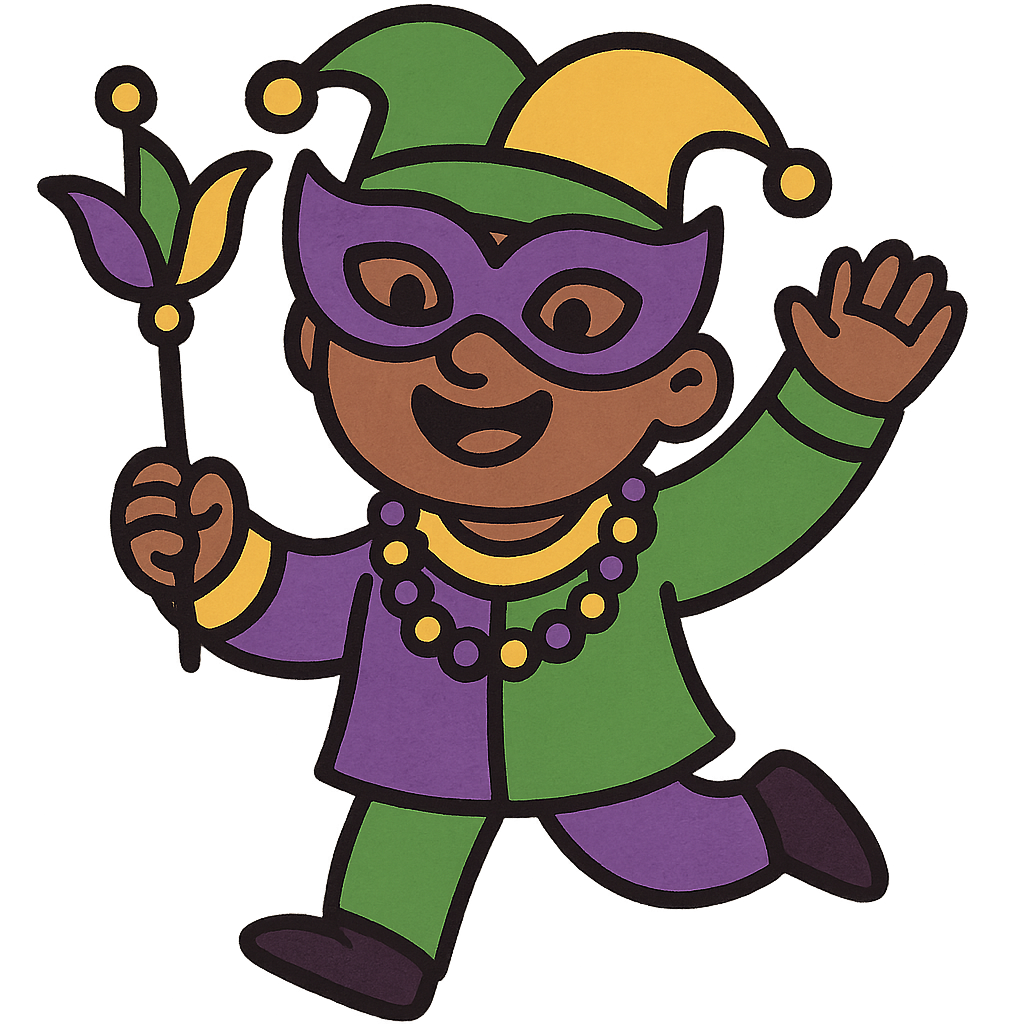
Hello, I am Mardi Gras. My name is French and it means “Fat Tuesday.” This name gives a clue about my purpose. I am a time for celebration and feasting on rich, fatty foods. This tradition exists because my date falls on the day right before the beginning of Lent, a quieter, more reflective season in the Christian calendar. My history in America is a long and colorful one, and it began with a group of French explorers who brought my customs with them to a new land. On March 3rd, 1699, these explorers were traveling along the Mississippi River. Realizing it was the eve of Lent, they set up camp near what is now New Orleans, Louisiana. To mark the occasion, they named their location “Point du Mardi Gras” in my honor. This was the first documented observance of me in the American colonies, a small start for the grand celebrations that would follow.
For many years after that first observance, my celebrations in New Orleans were mostly private affairs. The city's French Creole families hosted elegant masked balls in their homes, hidden away from public view. But my spirit is one of joy and community, and eventually, the festivities moved out into the streets for everyone to enjoy. A major change happened in 1857, when a secret society called the Mistick Krewe of Comus organized the first documented public parade. They rolled through the streets on decorated floats, creating a spectacle for all to see. This idea became incredibly popular. Soon, other social clubs, known as krewes, began to form. These krewes took on the role of organizing the elaborate parades and grand balls that have become the centerpiece of my modern celebrations in New Orleans.
I Am Mardi Gras
Hello, I am Mardi Gras. My name is French and it means “Fat Tuesday.” This name gives a clue about my purpose. I am a time for celebration and feasting on rich, fatty foods. This tradition exists because my date falls on the day right before the beginning of Lent, a quieter, more reflective season in the Christian calendar. My history in America is a long and colorful one, and it began with a group of French explorers who brought my customs with them to a new land. On March 3rd, 1699, these explorers were traveling along the Mississippi River. Realizing it was the eve of Lent, they set up camp near what is now New Orleans, Louisiana. To mark the occasion, they named their location “Point du Mardi Gras” in my honor. This was the first documented observance of me in the American colonies, a small start for the grand celebrations that would follow.
For many years after that first observance, my celebrations in New Orleans were mostly private affairs. The city's French Creole families hosted elegant masked balls in their homes, hidden away from public view. But my spirit is one of joy and community, and eventually, the festivities moved out into the streets for everyone to enjoy. A major change happened in 1857, when a secret society called the Mistick Krewe of Comus organized the first documented public parade. They rolled through the streets on decorated floats, creating a spectacle for all to see. This idea became incredibly popular. Soon, other social clubs, known as krewes, began to form. These krewes took on the role of organizing the elaborate parades and grand balls that have become the centerpiece of my modern celebrations in New Orleans.
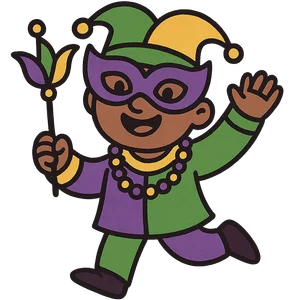
If you picture me, you probably think of three specific colors: purple, green, and gold. These became my official colors in 1872. That year, a special guest, a Russian Grand Duke, was visiting New Orleans for the festivities. The organizers chose these three colors to honor him and his royal house. The colors weren't just chosen because they looked nice together; each one was given a special meaning. Purple was chosen to stand for justice. Green came to represent faith. And the brilliant gold symbolizes power. Today, these colors are an essential part of my identity. During my season, you can see them everywhere, from the decorations hanging on balconies to the costumes people wear and the beads they toss from floats.
One of my most famous and exciting traditions involves “throws.” These are small gifts that members of the krewes toss from the parade floats into the eager crowds below. This practice started in the late 1800s. The story goes that a krewe member who was dressed up as Santa Claus at a parade started throwing small trinkets to the children watching. People loved it, and the tradition grew from there. In the beginning, the throws were simple, but today they include a wide variety of items. People on floats toss long strings of colorful plastic beads, specially designed plastic cups, and shiny coins called doubloons, which are stamped with the krewe's emblem. For the people watching the parades, catching a handful of throws is a fun and memorable part of the experience.
There is also a special dessert that is eaten only during my season. It is called a King Cake. This treat isn't just a regular cake; it is made from a ring of braided dough, similar to a coffee cake, and is often filled with fruit or cream cheese. The top is decorated with icing and covered in sugar dyed in my three official colors: purple, green, and gold. But the most important part of the King Cake is what’s hidden inside. Baked into the cake is a tiny plastic figure of a baby. According to tradition, the person who gets the slice of cake with the baby inside is said to have good luck for the year. That person is also often expected to continue the celebration by bringing the next King Cake to the next party.
My celebrations are not just a one-day event. My season, which is known as Carnival, officially begins each year on January 6th. The weeks that follow are filled with parties, balls, and parades, all leading up to my biggest day of celebration on Fat Tuesday. The very next day is Ash Wednesday, which marks the start of Lent. So, I represent a final, joyous burst of feasting and fun before a more solemn time begins. While I am most famous in the city of New Orleans, people also celebrate me in other cities and towns, especially along the Gulf Coast of the United States. My traditions bring people together in the streets for a day of music, food, and community before the calendar turns to a new season.
Wow facts
About
Mardi Gras, French for 'Fat Tuesday,' is a carnival celebration culminating on the day before Ash Wednesday. In the United States, it is most famously celebrated in New Orleans and other Gulf Coast cities with parades, masquerade balls, and festive traditions.
Take a Quiz
Question 1 of 5
In the story, what does the word 'trinkets' mean?
Want to do even more?
Go beyond exploring. Unlock tools that turn every story into real learning.

Storypie Plus for families
Full stories, quizzes, and printables. Nights and car rides, sorted.
- Unlimited audio stories
- Create Mode: your child stars in the story
- Offline downloads
- Printable worksheets & coloring pages

Why Storypie for Schools
Students engaged. Prep in seconds. Evenings back to you.
- Worksheets & Quizzes
- Classroom Management
- Formative Assessment
- Custom Curriculum & Lesson Plans
- 27 Languages

Why Storypie for Homeschool
Curriculum done. They'll ask for more. Hours back in your day.
- Worksheet Generator
- First-Person Audio Stories
- Built-in Comprehension Quizzes
- Custom Curriculum & Lesson Plans
- Print & Go Activities