English

Matariki - Māori
Matariki is the Māori New Year…
Reads at Grades 6–8 Listens at Grades 4–8
Print & create
Answer keys·No prep·Free with an account
28 worksheets · answer keys · full story · quiz · Ages 10-12 · CEFR B2
Plus adds 279,000+ more stories in 27 languages, audio for every one, and printables for all of them.
Just want Matariki - Māori?
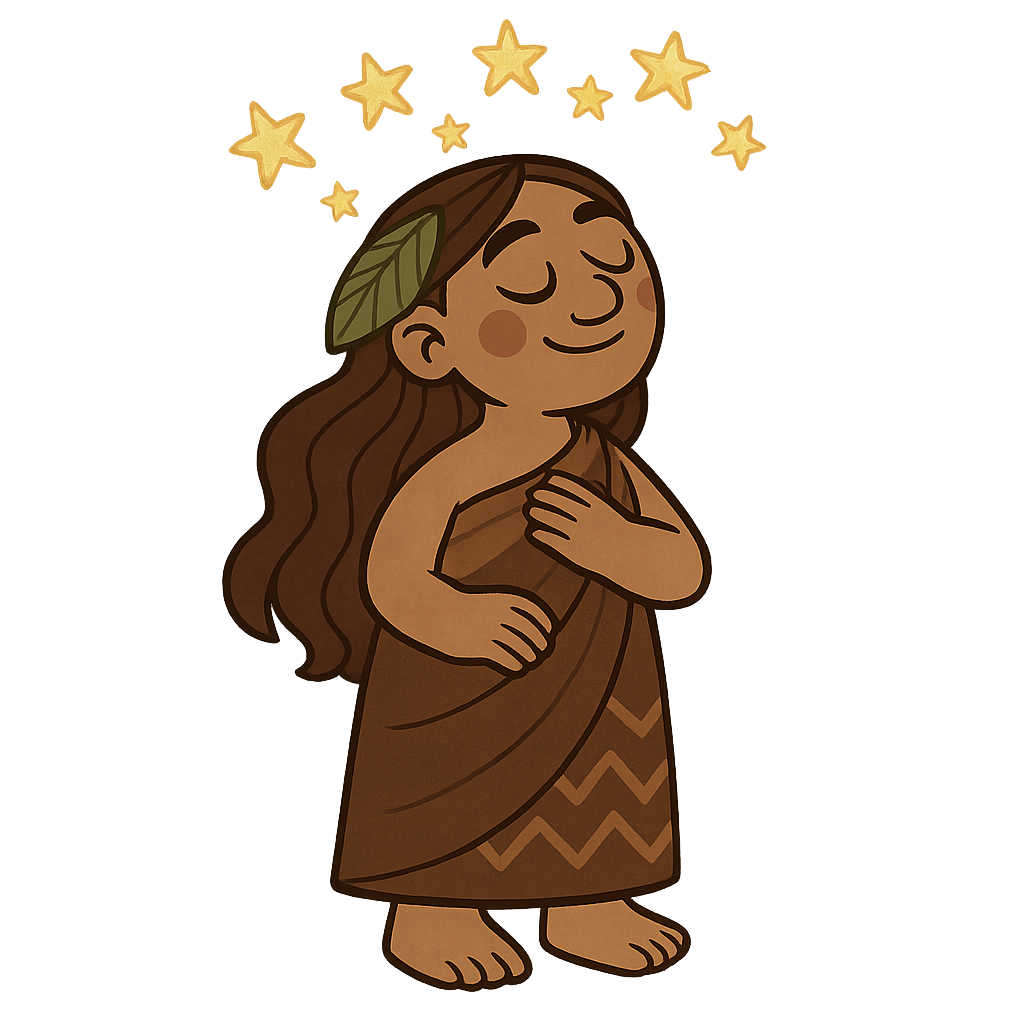
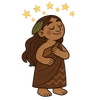
I am Matariki, the Māori New Year. My arrival is quiet and gentle, announced not by clocks or calendars, but by the stars themselves. Each year in the heart of winter, during the coldest and darkest nights, a special cluster of stars rises on the horizon just before the dawn. This is my signal. My timing is guided by the maramataka, the traditional Māori lunar calendar, which follows the cycles of the moon. Because of this, my exact dates on the Gregorian calendar change from year to year, but you can almost always find me in June or July. My appearance in the sky is a celestial invitation for people to gather. It marks a thoughtful pause between the year that has passed and the one that is about to begin, a time for reflection, gratitude, and hope.
My name is a story written in the night sky. It comes from the star cluster that signals my arrival—a cluster that astronomers in other parts of the world call the Pleiades. In one powerful Māori tradition, my full name is Ngā mata o te ariki Tāwhirimātea, which translates to 'The eyes of the god Tāwhirimātea.' A traditional story explains this name. It tells of the god of wind and weather, Tāwhirimātea, who was overcome with grief and fury when his parents were separated. His parents were Ranginui, the sky father, and Papatūānuku, the earth mother, and their separation brought light and life into the world, but it broke their son’s heart. In his sorrowful rage, Tāwhirimātea tore out his own eyes. He crushed them in his hand and cast them into the heavens, where they stuck to the chest of his father, the sky. There they remain, a shining cluster of stars that watches over the land and its people.
Matariki - Māori
I am Matariki, the Māori New Year. My arrival is quiet and gentle, announced not by clocks or calendars, but by the stars themselves. Each year in the heart of winter, during the coldest and darkest nights, a special cluster of stars rises on the horizon just before the dawn. This is my signal. My timing is guided by the maramataka, the traditional Māori lunar calendar, which follows the cycles of the moon. Because of this, my exact dates on the Gregorian calendar change from year to year, but you can almost always find me in June or July. My appearance in the sky is a celestial invitation for people to gather. It marks a thoughtful pause between the year that has passed and the one that is about to begin, a time for reflection, gratitude, and hope.
My name is a story written in the night sky. It comes from the star cluster that signals my arrival—a cluster that astronomers in other parts of the world call the Pleiades. In one powerful Māori tradition, my full name is Ngā mata o te ariki Tāwhirimātea, which translates to 'The eyes of the god Tāwhirimātea.' A traditional story explains this name. It tells of the god of wind and weather, Tāwhirimātea, who was overcome with grief and fury when his parents were separated. His parents were Ranginui, the sky father, and Papatūānuku, the earth mother, and their separation brought light and life into the world, but it broke their son’s heart. In his sorrowful rage, Tāwhirimātea tore out his own eyes. He crushed them in his hand and cast them into the heavens, where they stuck to the chest of his father, the sky. There they remain, a shining cluster of stars that watches over the land and its people.
My observance is built around three core principles, creating a balance between looking back, living in the moment, and looking forward. First, my arrival is a time for remembrance. People take this opportunity to honor and remember their ancestors, especially those who have passed away since my last appearance. It is a period of quiet reflection, of acknowledging the connection between generations and paying respect to the legacy of those who came before. This act of remembering grounds the community in its history and shared identity.
Second, my observance is a celebration of the present. After the solemn period of remembrance, the focus shifts to gratitude and togetherness. It is a time for whānau (family) and the wider community to gather. They share kai (food), tell stories, sing waiata (songs), and simply enjoy being with one another. This celebration is about appreciating the blessings of the current moment—the harvest that has been gathered, the strength of family bonds, and the health of the community. It is a joyful affirmation of life and connection.
Finally, I am a time for looking toward the future. With the past honored and the present celebrated, people turn their thoughts to the year ahead. This is a time for planning, for setting goals, and for nurturing aspirations. People think about what they want to achieve, what they hope for their families, and how they can contribute to the well-being of their community and their environment. It is a moment of renewal, filled with hope and the promise of new beginnings.
The stars that make up my cluster are central to my meaning. While some cultures see seven stars, many Māori traditions identify nine, and each has its own name and significance, connecting the heavens to life on Earth. Pōhutukawa is the star that holds the memories of those who have passed away, acting as a guide for their spirits. Hiwa-i-te-rangi is the star of wishes and aspirations; people send their hopes for the coming year to this star. Other stars in the cluster are linked to different parts of the natural world: Waitī is connected to fresh water and the food that comes from it, Waitā to the ocean, Waipuna-ā-rangi to the rain, and Ururangi to the winds. The remaining stars, Tupu-ā-nuku and Tupu-ā-rangi, are tied to foods grown in the ground and harvested from the trees. The clarity and brightness of these individual stars were traditionally observed by experts to help forecast the weather and predict the success of the coming harvest, showing a deep, practical knowledge of the environment.
My journey through time has not been a constant one. For many years, my traditions and ceremonies were not widely practiced across Aotearoa New Zealand. As European settlers arrived, they brought new customs, beliefs, and a new calendar—the Gregorian calendar. This new system, based on the sun, gradually overshadowed the maramataka. As a result, many of my old customs, which were deeply woven into the traditional Māori way of life, began to fade from common practice. However, the knowledge was never completely lost. It was carefully held by certain iwi (tribes) and whānau.
Beginning in the late 20th century, a powerful movement of cultural revitalization began. Māori leaders, scholars, and community elders worked tirelessly to bring me back into the light. They undertook extensive research, gathered oral histories, and shared the knowledge they had collected. Through books, community workshops, and educational programs, they helped people all across the country rediscover my importance and learn how to observe my traditions again. This revival was a deliberate and passionate effort to reclaim a vital part of Māori identity and to restore a connection to the cycles of the natural world.
Today, I am celebrated with renewed energy and purpose by many people across New Zealand, including both Māori and non-Māori. My return has been embraced as a unique part of the nation's identity. Communities host festivals, art exhibitions, educational events, and special dawn ceremonies to watch for the rising of my star cluster. In a historic decision, I became an official public holiday in 2022. This was a landmark event, making me the first national holiday to be based on the maramataka and to specifically recognize Te Ao Māori, the Māori worldview. My observance now offers everyone in New Zealand a special time to learn about indigenous knowledge, to reflect on the past, to celebrate the present with family and community, and to plan together for a hopeful future.
Wow facts
About
Matariki is the Māori New Year, a cultural and seasonal festival in New Zealand marked by the pre-dawn rising of the Matariki star cluster (Pleiades). It is a time for remembering the dead, celebrating the present with feasts and gatherings, and planning for the future.
Take a Quiz
Question 1 of 5
Based on the story, what is the central theme of Matariki that combines its three main purposes?
Want to do even more?
Go beyond exploring. Unlock tools that turn every story into real learning.

Storypie Plus for families
Full stories, quizzes, and printables. Nights and car rides, sorted.
- Unlimited audio stories
- Create Mode: your child stars in the story
- Offline downloads
- Printable worksheets & coloring pages

Why Storypie for Schools
Students engaged. Prep in seconds. Evenings back to you.
- Worksheets & Quizzes
- Classroom Management
- Formative Assessment
- Custom Curriculum & Lesson Plans
- 27 Languages

Why Storypie for Homeschool
Curriculum done. They'll ask for more. Hours back in your day.
- Worksheet Generator
- First-Person Audio Stories
- Built-in Comprehension Quizzes
- Custom Curriculum & Lesson Plans
- Print & Go Activities