English

Seollal - Korean
Seollal is the Korean New Year…
Reads at Grades 6–8 Listens at Grades 4–8
Print & create
Answer keys·No prep·Free with an account
28 worksheets · answer keys · full story · quiz · Ages 10-12 · CEFR B2
Plus adds 279,000+ more stories in 27 languages, audio for every one, and printables for all of them.
Just want Seollal - Korean?
I am Seollal, the Korean New Year. As one of the most significant traditional holidays in Korea, my observance marks the very first day of the Korean lunisolar calendar. My arrival is a special time, a period when families often travel long distances to gather together. For them, my celebration is an opportunity to pay deep respect to their ancestors, say goodbye to the past year, and welcome the new one with a shared sense of hope and joy.
My exact origins are ancient, reaching back into the early history of the Korean peninsula. While the precise beginning is not known, historical records from the Three Kingdoms period of Korea, which lasted from 57 BCE to 668 CE, contain descriptions of celebrations that share similarities with my modern customs. These early festivities were likely connected to the rhythms of the earth and the agricultural calendar. People would gather to offer thanks for the harvest that had sustained them through the previous year and to pray for abundance and a successful growing season in the year to come. Over many centuries, these agricultural and spiritual customs gradually evolved, transforming into the cherished, family-centered holiday that people in Korea and around the world recognize today.
My place on the calendar is not fixed. Because I follow the lunisolar calendar, which is calculated based on the cycles of both the moon and the sun, my date shifts each year on the more widely used Gregorian calendar. In South Korea, I am officially recognized as a major public holiday that spans three full days. The observance includes the day before the new year, the day of the new year itself, and the day immediately following it. This extended period allows people the necessary time to travel from cities to their hometowns, prepare special foods, and spend meaningful time with their extended families without rushing.
Seollal: The Korean New Year
I am Seollal, the Korean New Year. As one of the most significant traditional holidays in Korea, my observance marks the very first day of the Korean lunisolar calendar. My arrival is a special time, a period when families often travel long distances to gather together. For them, my celebration is an opportunity to pay deep respect to their ancestors, say goodbye to the past year, and welcome the new one with a shared sense of hope and joy.
My exact origins are ancient, reaching back into the early history of the Korean peninsula. While the precise beginning is not known, historical records from the Three Kingdoms period of Korea, which lasted from 57 BCE to 668 CE, contain descriptions of celebrations that share similarities with my modern customs. These early festivities were likely connected to the rhythms of the earth and the agricultural calendar. People would gather to offer thanks for the harvest that had sustained them through the previous year and to pray for abundance and a successful growing season in the year to come. Over many centuries, these agricultural and spiritual customs gradually evolved, transforming into the cherished, family-centered holiday that people in Korea and around the world recognize today.
My place on the calendar is not fixed. Because I follow the lunisolar calendar, which is calculated based on the cycles of both the moon and the sun, my date shifts each year on the more widely used Gregorian calendar. In South Korea, I am officially recognized as a major public holiday that spans three full days. The observance includes the day before the new year, the day of the new year itself, and the day immediately following it. This extended period allows people the necessary time to travel from cities to their hometowns, prepare special foods, and spend meaningful time with their extended families without rushing.
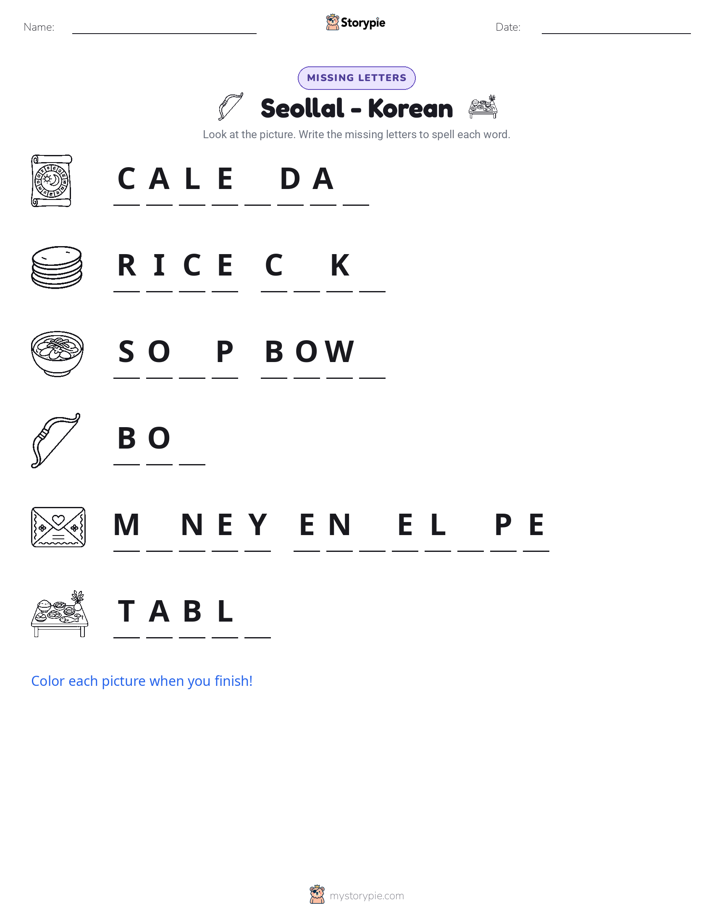
One of the most important traditions of my observance is an ancestral memorial rite known as charye. On the morning of the New Year, families prepare for this ceremony with great care. They set a special table with an elaborate and specific arrangement of food and drink, including fruits, rice cakes, meats, and other dishes, presenting it as an offering to the spirits of their ancestors. This solemn ritual is a powerful expression of gratitude and respect for the generations who came before them. Through charye, families acknowledge their connection to their lineage and symbolically share the blessings and good fortune of the new year with their ancestors.
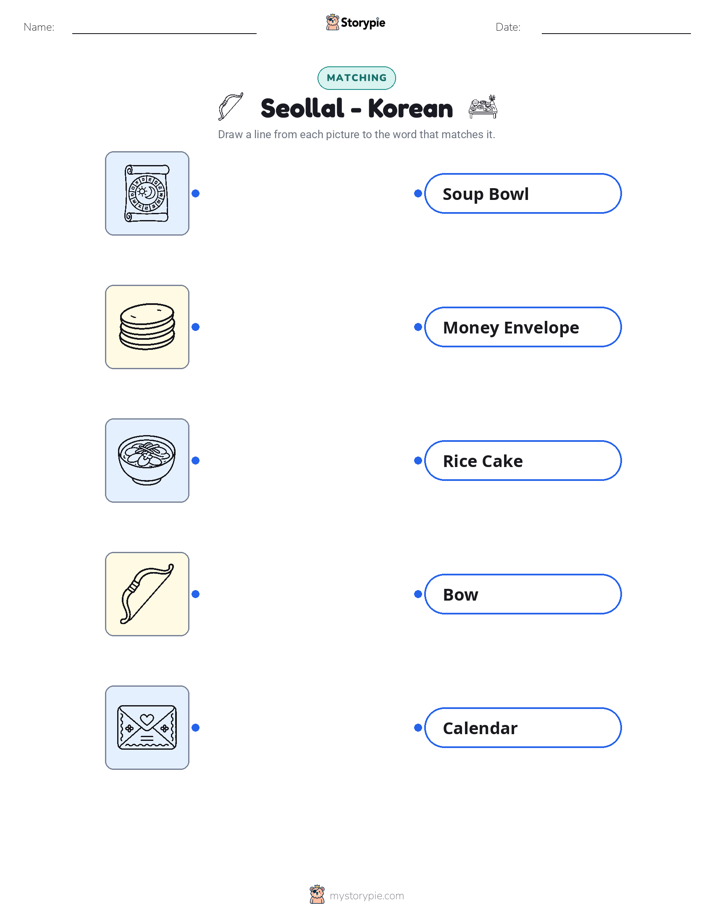
Following the charye ceremony, another key custom called sebae takes place. This is a formal, deep bow of respect that younger members of the family perform for their elders. Children and younger adults will kneel on the floor and bow deeply, with their hands held in a specific position, as they wish their parents, grandparents, and other senior relatives a fortunate and happy new year. The elders, in turn, receive the bow and offer the younger generation words of wisdom, encouragement, and blessings for the year ahead. It is also traditional for the elders to give the children sebaetdon, which is New Year's money, presented in special, often colorful, envelopes as a gift of good fortune.
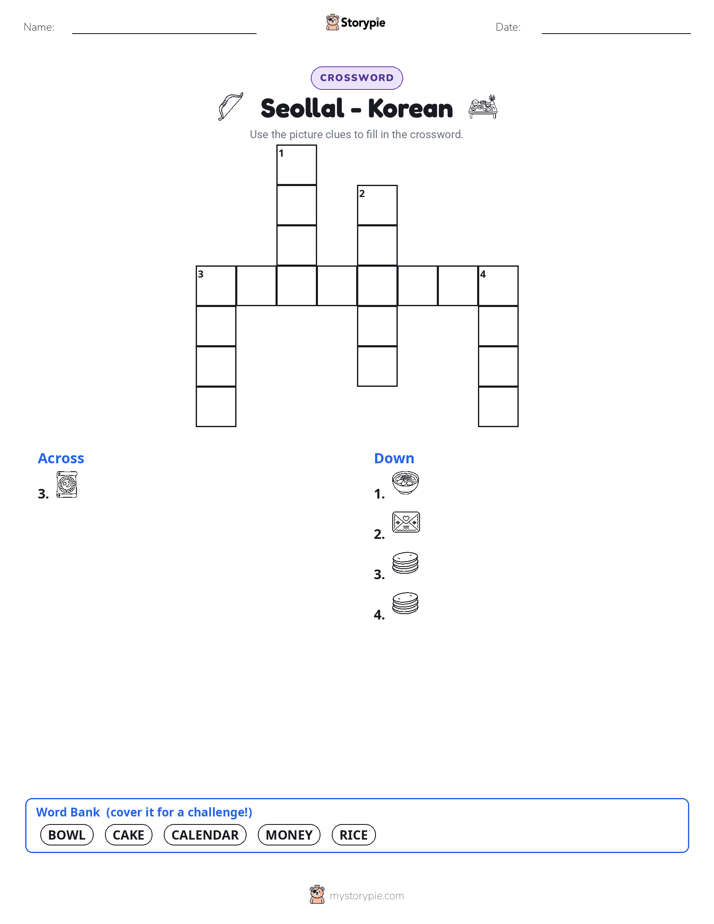
My arrival is also marked by the sharing of special foods, each with its own significance. The most important of these is tteokguk, a comforting soup made with a savory broth and thinly sliced oval rice cakes. A long-held belief in Korean culture is that eating a bowl of tteokguk on New Year's Day is what officially makes a person one year older, not their actual birthday. Besides this essential dish, families prepare and enjoy a variety of other festive foods. Common additions to the New Year’s feast include jeon, which are savory, pan-fried pancakes with ingredients like vegetables or fish, and galbijjim, a rich dish of braised beef short ribs.
During my celebration, it is common to see people dressed in beautiful traditional clothing. Many people, especially children, wear colorful outfits called hanbok, which adds to the festive atmosphere. Once the formal ceremonies of charye and sebae are completed, families often relax and spend time together playing traditional folk games that have been passed down through generations. One of the most popular is yut nori, a lively board game where players throw four marked wooden sticks instead of dice to move their pieces. Another favorite is jegichagi, an outdoor game where players try to keep a shuttlecock-like object called a jegi in the air for as long as possible by kicking it with their feet.
Today, I am observed as a dynamic blend of old and new traditions. Many families across Korea and in the Korean diaspora continue to honor the ancient customs, carefully performing charye and sebae to maintain their connection to their heritage. At the same time, the holiday period has adapted to modern life. For many, it has also become a welcome time for rest, personal reflection, and travel. The 'Seollal migration,' during which millions of people travel from major cities to their family hometowns, is a massive logistical event and a defining feature of my modern observance. Through all these changes, I remain a cherished and vital time for Koreans to reconnect with their families, honor their roots, and look forward to the future together.
Wow facts
About
Seollal is the Korean New Year, a major traditional holiday celebrated on the first day of the Korean lunar calendar. It is a family-oriented festival focused on honoring ancestors, sharing traditional foods, and celebrating new beginnings.
Take a Quiz
Question 1 of 5
What does the word 'evolved' mean in the sentence, 'Over centuries, these customs evolved into the family-centered holiday people know today'?
Want to do even more?
Go beyond exploring. Unlock tools that turn every story into real learning.

Storypie Plus for families
Full stories, quizzes, and printables. Nights and car rides, sorted.
- Unlimited audio stories
- Create Mode: your child stars in the story
- Offline downloads
- Printable worksheets & coloring pages

Why Storypie for Schools
Students engaged. Prep in seconds. Evenings back to you.
- Worksheets & Quizzes
- Classroom Management
- Formative Assessment
- Custom Curriculum & Lesson Plans
- 27 Languages

Why Storypie for Homeschool
Curriculum done. They'll ask for more. Hours back in your day.
- Worksheet Generator
- First-Person Audio Stories
- Built-in Comprehension Quizzes
- Custom Curriculum & Lesson Plans
- Print & Go Activities