English

St. Martin's Day - German
A German holiday celebrated on November 11th, honoring St.
Reads at Grades 6–8 Listens at Grades 4–8
Print & create
Answer keys·No prep·Free with an account
28 worksheets · answer keys · full story · quiz · Ages 10-12 · CEFR B2
Plus adds 279,000+ more stories in 27 languages, audio for every one, and printables for all of them.
Just want St. Martin's Day - German?
I am St. Martin's Day, known in Germany as Martinstag. People in many parts of Germany and across Europe observe me each year on the fixed date of November 11th. My central purpose is to honor a man named Martin of Tours, who lived during the 4th century in the time of the Roman Empire. He is remembered for a single, powerful act of kindness and compassion, a story that has been passed down through generations and forms the very heart of my traditions. My observances are a way for communities to remember his example and to celebrate the values of sharing and generosity, especially as the days grow shorter and colder.
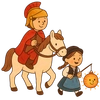
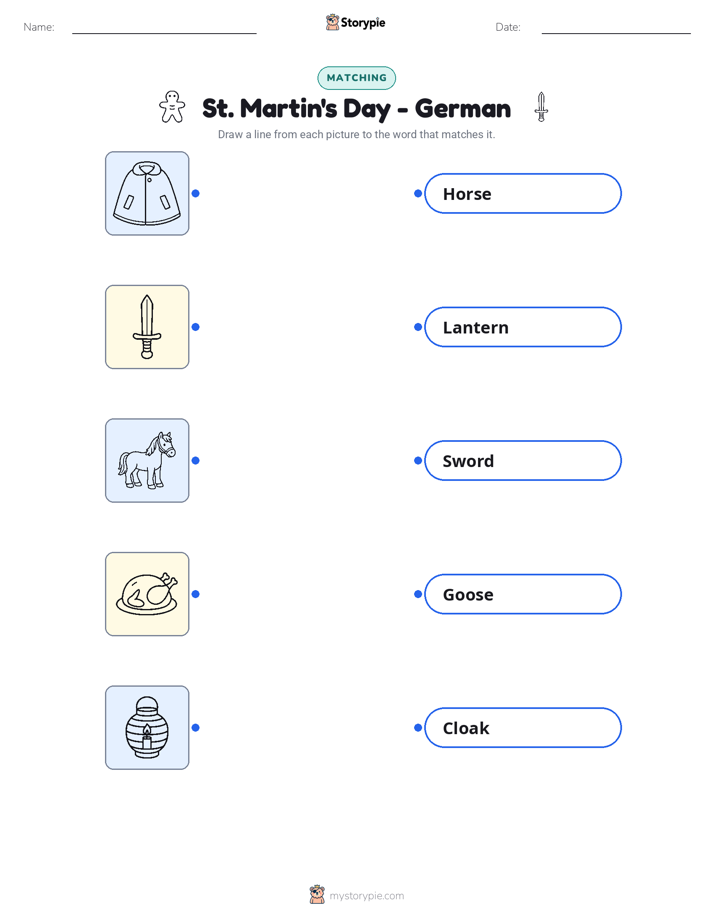
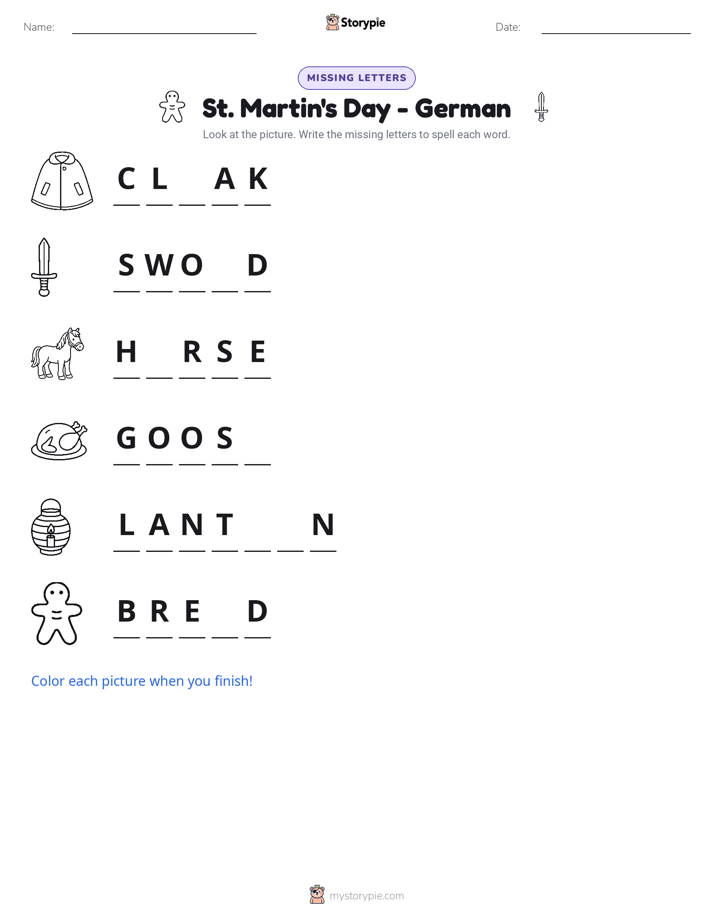
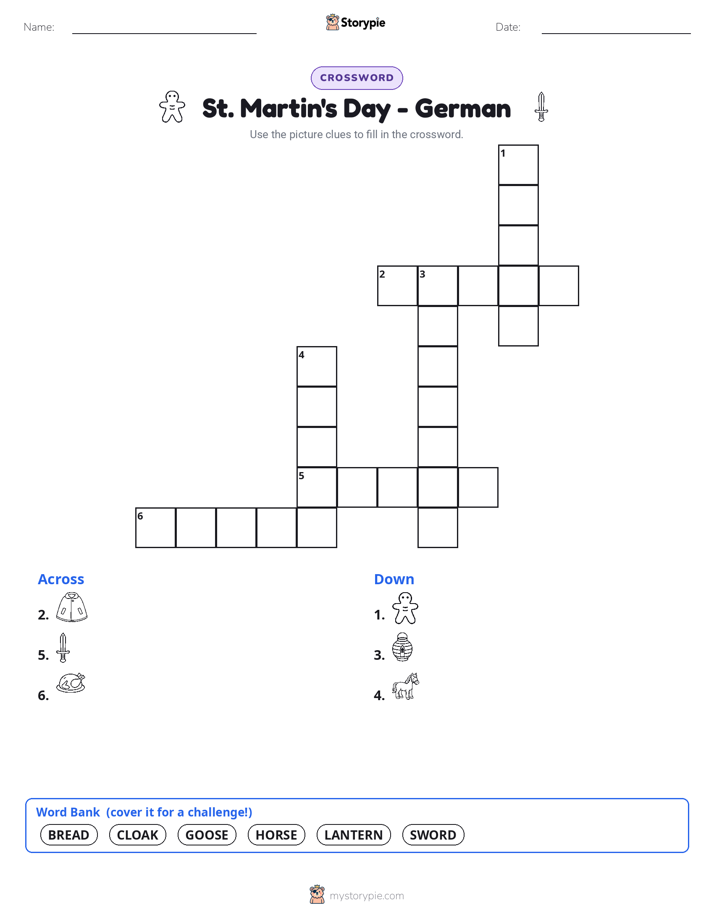
Everything about my celebration begins with the story of Martin. Before he became a Christian saint, he was a soldier in the Roman army. The most famous legend about him takes place on a harsh winter day. As Martin rode near the gates of a city, he saw a beggar huddled in the cold, shivering with only thin rags for clothing. Moved by the man's suffering, Martin acted without hesitation. He took off his own heavy, warm military cloak, drew his sword, and sliced the thick fabric in two. He then gave one half to the beggar to wrap himself in. This simple but profound act of sharing what little he had became a powerful symbol. The image of a soldier on horseback sharing his cloak is the central idea behind all of my customs, reminding people of the importance of charity and looking after those in need.
My date, November 11th, was not chosen by chance. In medieval Europe, this day held great practical importance in the rhythm of daily life. It marked a significant transition in the year. For farmers, it signaled the end of the long harvest season. The crops were in, the work in the fields was complete, and livestock were brought in from the pastures to be sheltered for the winter. This made it a natural time for the community to gather and celebrate the fruits of their labor. Furthermore, my date fell just before the beginning of a 40-day fasting period leading up to Christmas, known as Advent. Therefore, I became the last major feast day before a more solemn and reflective time began, making my celebrations an important final moment of community feasting and cheer.
St. Martin's Day - German
I am St. Martin's Day, known in Germany as Martinstag. People in many parts of Germany and across Europe observe me each year on the fixed date of November 11th. My central purpose is to honor a man named Martin of Tours, who lived during the 4th century in the time of the Roman Empire. He is remembered for a single, powerful act of kindness and compassion, a story that has been passed down through generations and forms the very heart of my traditions. My observances are a way for communities to remember his example and to celebrate the values of sharing and generosity, especially as the days grow shorter and colder.
Everything about my celebration begins with the story of Martin. Before he became a Christian saint, he was a soldier in the Roman army. The most famous legend about him takes place on a harsh winter day. As Martin rode near the gates of a city, he saw a beggar huddled in the cold, shivering with only thin rags for clothing. Moved by the man's suffering, Martin acted without hesitation. He took off his own heavy, warm military cloak, drew his sword, and sliced the thick fabric in two. He then gave one half to the beggar to wrap himself in. This simple but profound act of sharing what little he had became a powerful symbol. The image of a soldier on horseback sharing his cloak is the central idea behind all of my customs, reminding people of the importance of charity and looking after those in need.
My date, November 11th, was not chosen by chance. In medieval Europe, this day held great practical importance in the rhythm of daily life. It marked a significant transition in the year. For farmers, it signaled the end of the long harvest season. The crops were in, the work in the fields was complete, and livestock were brought in from the pastures to be sheltered for the winter. This made it a natural time for the community to gather and celebrate the fruits of their labor. Furthermore, my date fell just before the beginning of a 40-day fasting period leading up to Christmas, known as Advent. Therefore, I became the last major feast day before a more solemn and reflective time began, making my celebrations an important final moment of community feasting and cheer.
One of the most distinctive traditions associated with my feast day is the meal of roasted goose, known as a Martinsgans. There are two main explanations for this custom, one rooted in legend and the other in the agricultural calendar. A popular story claims that Martin was a very humble man. When the people wanted to make him a bishop, he felt he was not worthy of such an important role. To avoid the honor, the legend says he hid in a pen full of geese. However, the geese made such a loud, honking racket that they gave away his hiding spot, and he was found and made bishop after all. A more historical reason for the tradition is simply that November was the time of year when geese, having fattened up over the summer, were ready for eating. My date coincided perfectly with the farming cycle, making the goose a logical and delicious centerpiece for a harvest feast.
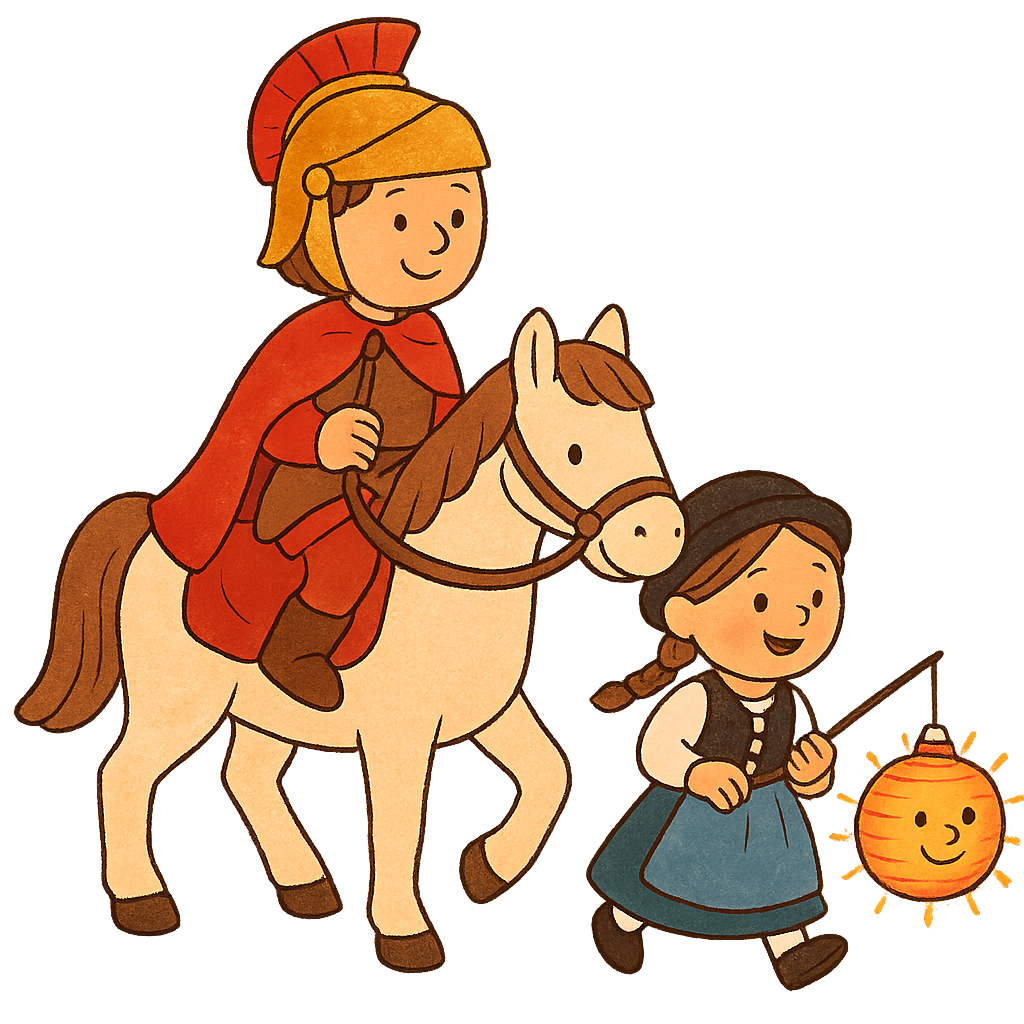
Perhaps my most beautiful and beloved tradition is the lantern procession, or Laternenumzug. As evening falls on November 11th, streets in towns and villages come alive with a soft, warm glow. Children, often carrying colorful paper lanterns they have carefully crafted themselves at school or at home, gather for a special parade. They walk through their neighborhoods, creating a moving river of light. Leading the procession is often a person on a white horse, dressed in a Roman soldier's costume with a red cloak to represent St. Martin. The sight of these glowing lanterns moving through the twilight is meant to be symbolic. Just as Martin's kindness was a light in the beggar's dark and cold world, the lanterns symbolize bringing light, hope, and warmth into the increasing darkness of the approaching winter.
My celebrations are filled with unique sounds and tastes that make the experience memorable. During the Laternenumzug, the air is not silent; it is filled with the sound of children's voices singing special songs called Martinslieder. These traditional songs tell the story of St. Martin or celebrate the lanterns and the light. The shared experience of walking and singing together strengthens the sense of community. After the procession, the children are often rewarded for their participation with a special treat. They receive a sweet, soft bread made from yeast dough, known as a Weckmann or Stutenkerl. This bread is typically baked in the shape of a man, complete with raisin eyes and sometimes holding a small, white clay pipe, making it a delightful and recognizable part of my festivities.
In many regions, my celebrations reach a dramatic and warming conclusion with the lighting of a large community bonfire, the Martinsfeuer. After the lantern parade has finished, families and neighbors gather together around the crackling flames. The fire provides a cheerful source of warmth and light against the chilly November night, creating a focal point for the community to come together one last time. Some historians believe this tradition may have roots in much older, pre-Christian festivals. These ancient festivals also used bonfires at the end of the harvest season, possibly to symbolically drive away the spirits of darkness and welcome the protective light that would see them through the long winter. The Martinsfeuer thus connects my modern observance to a long history of marking the changing seasons with fire and light.
Today, I am observed in many different ways, but the essential meaning behind my traditions remains strong. While I have Christian origins in honoring St. Martin of Tours, many people now see me as a secular community festival that focuses on children and families. The lantern processions and songs are enjoyed by people from various backgrounds. My customs continue to serve as a powerful annual reminder of important human values. The story of the shared cloak, the light of the lanterns in the dark, and the gathering of the community all point to the enduring significance of charity, empathy, and being a source of hope for others, just as Martin was centuries ago.
Wow facts
About
A German holiday celebrated on November 11th, honoring St. Martin of Tours with children's lantern processions, songs, and traditional foods.
Take a Quiz
Question 1 of 5
Retell the legend of St. Martin and the beggar in your own words.
Want to do even more?
Go beyond exploring. Unlock tools that turn every story into real learning.

Storypie Plus for families
Full stories, quizzes, and printables. Nights and car rides, sorted.
- Unlimited audio stories
- Create Mode: your child stars in the story
- Offline downloads
- Printable worksheets & coloring pages

Why Storypie for Schools
Students engaged. Prep in seconds. Evenings back to you.
- Worksheets & Quizzes
- Classroom Management
- Formative Assessment
- Custom Curriculum & Lesson Plans
- 27 Languages

Why Storypie for Homeschool
Curriculum done. They'll ask for more. Hours back in your day.
- Worksheet Generator
- First-Person Audio Stories
- Built-in Comprehension Quizzes
- Custom Curriculum & Lesson Plans
- Print & Go Activities