English

Tihar - Nepali
Tihar is a five-day Hindu festival of lights celebrated in Nepal and by the Nepali diaspora, honoring gods…
Reads at Grades 6–8 Listens at Grades 4–8
Print & create
Answer keys·No prep·Free with an account
28 worksheets · answer keys · full story · quiz · Ages 10-12 · CEFR B2
Plus adds 279,000+ more stories in 27 languages, audio for every one, and printables for all of them.
Just want Tihar - Nepali?
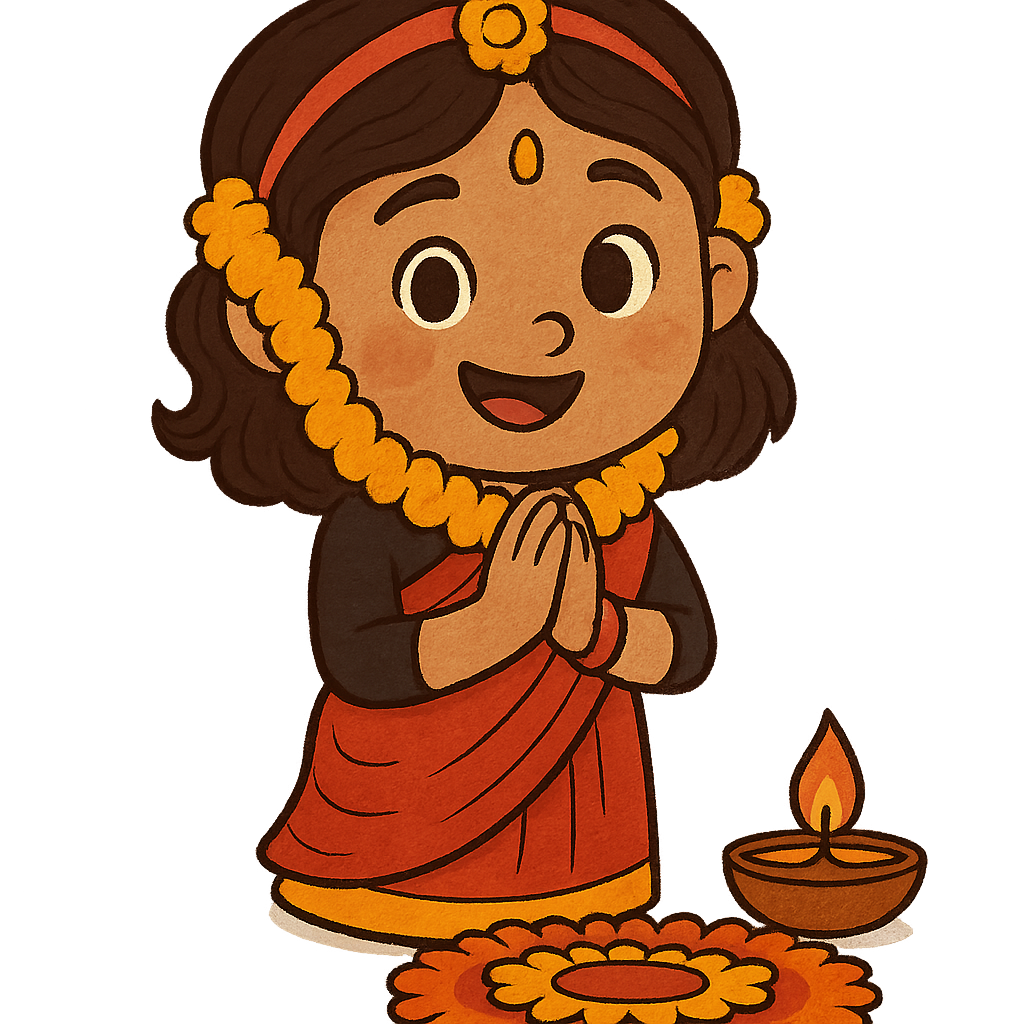
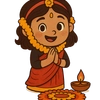
I am Tihar, a five-day festival of lights that holds a special place in the hearts of Nepali Hindus. Also known by the names Yamapanchak and Swanti, I am considered the second-greatest festival in Nepal. People observe me each autumn, a season of clear skies and mild weather. My purpose is to honor the deep connections between gods, humans, and the animals that share our world. During these five days, homes and streets glow with the light of oil lamps, which are called diyas. Families create beautiful, colorful patterns on their floors and strengthen the bonds that tie them together. I am a time of reverence, joy, and deep appreciation for all forms of life.
My observance begins with a day dedicated to messengers from the sky. This first day is called Kaag Tihar, the day of the crow. In Hindu traditions, the crow is not just an ordinary bird; it is regarded as a divine messenger for Yama, the god of death. People believe that the cawing of a crow can carry important news, sometimes of sorrow. To ensure that the news brought to their homes is good, and to prevent grief and death from visiting their families, people show respect to these birds. They prepare special offerings of sweets, grains, and other delicious food, placing them on the roofs of their houses for the crows to find and enjoy. It is a gesture of goodwill meant to appease the messengers and begin my five-day period on a peaceful note.
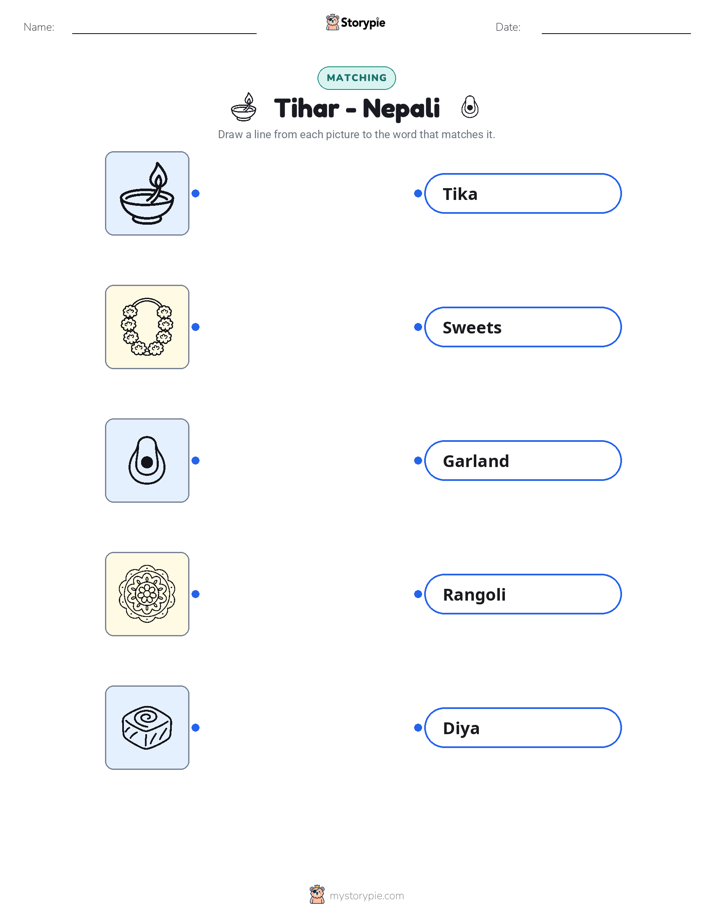
On my second day, known as Kukur Tihar, the focus shifts to a creature celebrated for its loyalty and friendship: the dog. In Hindu belief, dogs are held in high esteem. They are thought to be the devoted guardians of the gates to the afterlife, protecting the path for souls. On this day, the deep bond between humans and dogs is honored with special ceremonies. Both beloved family pets and stray dogs wandering the streets are treated with reverence. People place beautiful garlands made of marigold flowers around their necks. They apply a red mark, called a tika, on their foreheads as a sign of blessing and respect. The dogs are also offered a feast of their favorite foods, a heartfelt thank you for their faithful companionship and protection.
Tihar: A Festival of Lights and Life
I am Tihar, a five-day festival of lights that holds a special place in the hearts of Nepali Hindus. Also known by the names Yamapanchak and Swanti, I am considered the second-greatest festival in Nepal. People observe me each autumn, a season of clear skies and mild weather. My purpose is to honor the deep connections between gods, humans, and the animals that share our world. During these five days, homes and streets glow with the light of oil lamps, which are called diyas. Families create beautiful, colorful patterns on their floors and strengthen the bonds that tie them together. I am a time of reverence, joy, and deep appreciation for all forms of life.
My observance begins with a day dedicated to messengers from the sky. This first day is called Kaag Tihar, the day of the crow. In Hindu traditions, the crow is not just an ordinary bird; it is regarded as a divine messenger for Yama, the god of death. People believe that the cawing of a crow can carry important news, sometimes of sorrow. To ensure that the news brought to their homes is good, and to prevent grief and death from visiting their families, people show respect to these birds. They prepare special offerings of sweets, grains, and other delicious food, placing them on the roofs of their houses for the crows to find and enjoy. It is a gesture of goodwill meant to appease the messengers and begin my five-day period on a peaceful note.
On my second day, known as Kukur Tihar, the focus shifts to a creature celebrated for its loyalty and friendship: the dog. In Hindu belief, dogs are held in high esteem. They are thought to be the devoted guardians of the gates to the afterlife, protecting the path for souls. On this day, the deep bond between humans and dogs is honored with special ceremonies. Both beloved family pets and stray dogs wandering the streets are treated with reverence. People place beautiful garlands made of marigold flowers around their necks. They apply a red mark, called a tika, on their foreheads as a sign of blessing and respect. The dogs are also offered a feast of their favorite foods, a heartfelt thank you for their faithful companionship and protection.
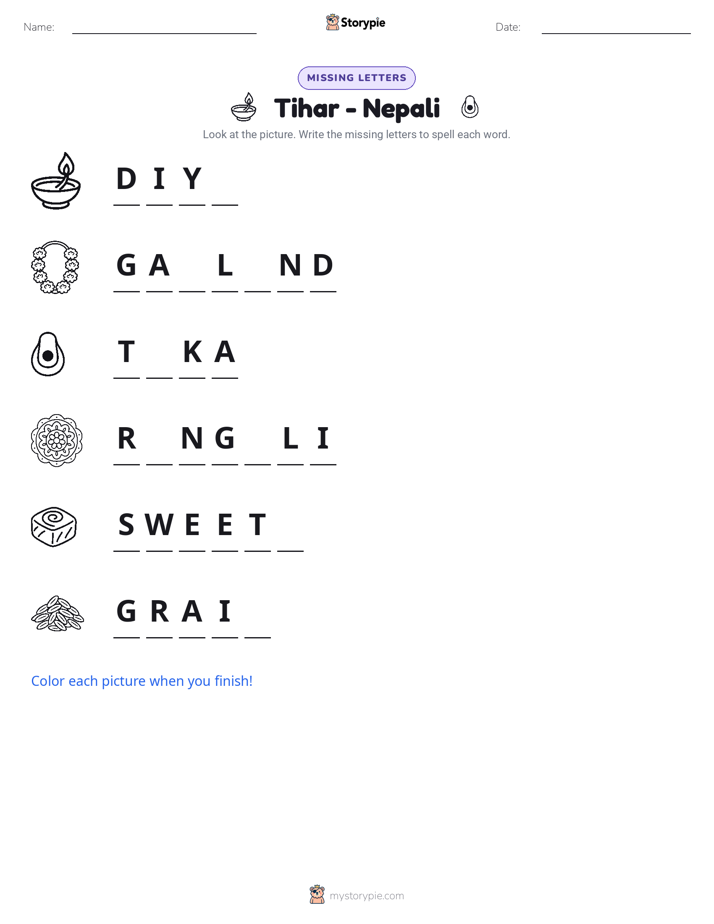
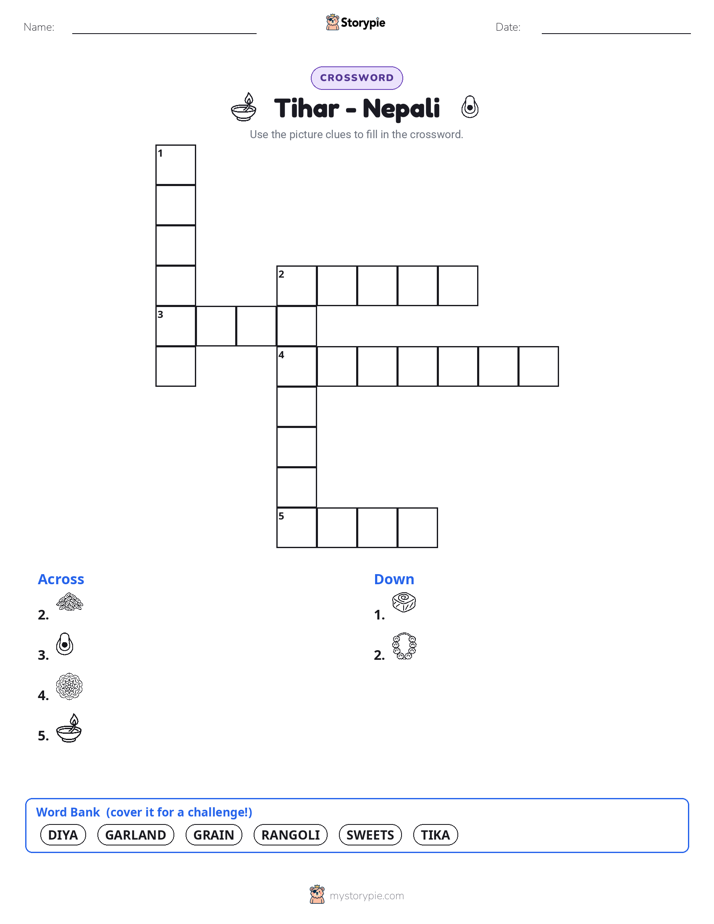
My third day is a very significant one, with important observances happening in both the morning and the evening. The day begins with Gai Tihar, the worship of the cow. In Hinduism, the cow is considered a sacred animal, a symbol of motherhood, wealth, and prosperity. Families show their gratitude to the cow by adorning it with garlands and offering it special food. As evening approaches, the focus turns to Laxmi Puja. Laxmi is the goddess of wealth and good fortune. To welcome her into their homes, people undertake a thorough cleaning. Once every corner is spotless, they decorate their houses with strings of lights and glowing diyas. At the entrance, they create intricate and colorful patterns on the floor called rangoli, using colored rice, flour, sand, or flower petals as a beautiful, artistic invitation for the goddess to enter and bless the household with prosperity for the year to come.
My fourth day is a demonstration of the diverse ways people observe me, as different communities follow different traditions. For many, this day is Govardhan Puja. This ritual involves worshipping the ox, an animal that is vital to an agricultural society like Nepal. By honoring the ox, people express gratitude for its hard work in plowing fields and helping to provide food for the community. However, for the Newar community of the Kathmandu Valley, this day holds a different and profound meaning. They celebrate Nepal Sambat, the Newar New Year, on this day. Their celebration includes a unique ritual called Mha Puja, which translates to “self-worship.” In this ceremony, family members sit in a row and worship their own bodies and souls, a practice meant to purify the self and bring blessings for a healthy and prosperous new year.
My final and most cherished day is Bhai Tika, a celebration of the powerful and loving bond between brothers and sisters. This day reinforces family ties and is filled with meaningful rituals. Sisters prepare a special tika made from seven different colors. They apply this multi-colored tika to their brothers' foreheads, a gesture that is believed to protect them from all harm and ensure their long life. Along with the tika, they offer garlands, sweets, and other special foods, praying for their brothers' health and prosperity. In return, brothers show their love and appreciation by giving their sisters gifts and money. More importantly, they make a pledge to always protect and support their sisters. This heartfelt exchange of blessings and promises makes Bhai Tika a beautiful conclusion to my five days.
Throughout my duration, communities across Nepal are filled with light, color, and sound. The glow from countless diyas illuminates the night, and the intricate rangoli designs brighten every doorstep. But my festive atmosphere is also created by music and song. Groups of children and teenagers go from house to house, performing traditional songs and dances. When boys perform, it is called Deusi, and when girls perform, it is called Bhailo. They sing songs that tell stories and offer blessings to the homeowners. In return, the homeowners give them food, fruit, and money as a token of appreciation. These lively performances echo through the streets, filling the air with joy and uniting the community in celebration.
Wow facts
About
Tihar is a five-day Hindu festival of lights celebrated in Nepal and by the Nepali diaspora, honoring gods, humans, and animals like crows, dogs, cows, oxen, and siblings.
Take a Quiz
Question 1 of 5
What is the central theme of Tihar, as described in the story?
Want to do even more?
Go beyond exploring. Unlock tools that turn every story into real learning.

Storypie Plus for families
Full stories, quizzes, and printables. Nights and car rides, sorted.
- Unlimited audio stories
- Create Mode: your child stars in the story
- Offline downloads
- Printable worksheets & coloring pages

Why Storypie for Schools
Students engaged. Prep in seconds. Evenings back to you.
- Worksheets & Quizzes
- Classroom Management
- Formative Assessment
- Custom Curriculum & Lesson Plans
- 27 Languages

Why Storypie for Homeschool
Curriculum done. They'll ask for more. Hours back in your day.
- Worksheet Generator
- First-Person Audio Stories
- Built-in Comprehension Quizzes
- Custom Curriculum & Lesson Plans
- Print & Go Activities