English

Wigilia - Polish
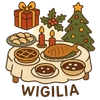
Wigilia is the traditional Christmas Eve vigil supper in Poland, celebrated on December 24th.
Reads at Grades 3–5 Listens at Grades 1–5
Print & create
Answer keys·No prep·Free with an account
28 worksheets · answer keys · full story · quiz · Ages 8-10 · CEFR B1
Plus adds 279,000+ more stories in 27 languages, audio for every one, and printables for all of them.
Just want Wigilia - Polish?
I am Wigilia, the traditional Christmas Eve supper celebrated in Poland. My name might sound a little unfamiliar, but its meaning is simple and beautiful. It comes from the Latin word 'vigilia,' which means to watch or to wait. That is exactly what people do when they gather for my observance. On the evening of December 24th, families and friends come together for a special meal. It is a time of peaceful anticipation, as they wait for Christmas Day, which commemorates the birth of Jesus in the Christian faith. My entire purpose is to be a moment of quiet reflection and togetherness on this important night.
My celebration doesn't begin at a set time on a clock. Instead, people look to the sky for a special signal. The meal cannot start until the first star of the evening appears. This tradition is a powerful reminder of the Star of Bethlehem. According to Christian stories, this bright star appeared in the sky long ago and guided three travelers, often called the Three Wise Men, to the place where the baby Jesus was born. In Polish households, children often have the important job of watching the windows, eagerly searching the darkening sky. When one of them finally spots that first glimmer of light, a wave of excitement goes through the house. The spotting of the star is the sign that everyone has been waiting for, and it means it is finally time to gather around the table to begin the feast.
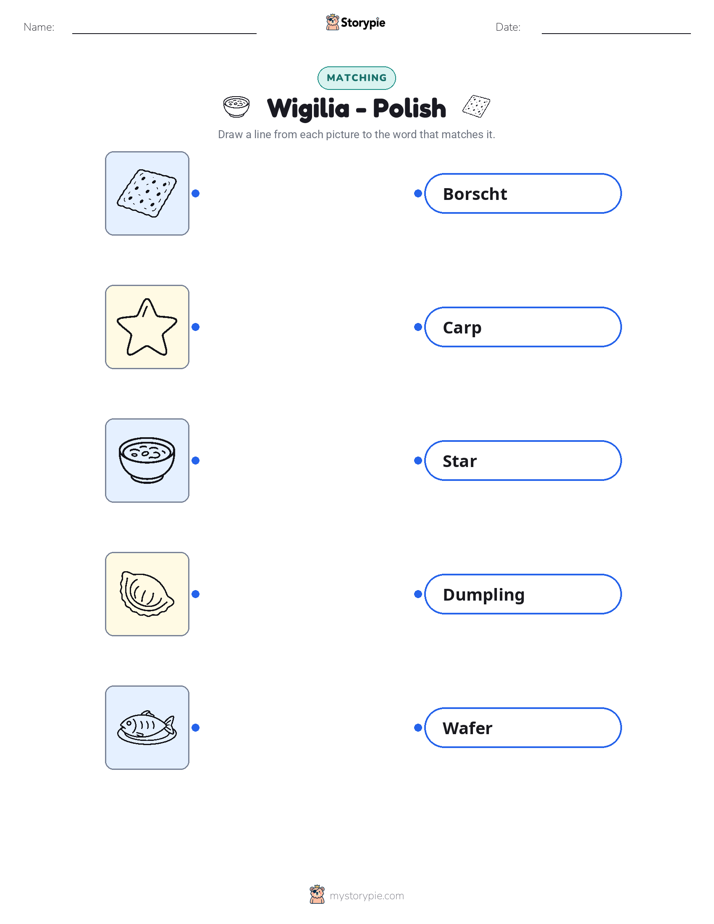
Before anyone takes a single bite of food, a very important ritual takes place. Families share a special wafer called the 'opłatek'. This is not like ordinary bread; it is a very thin, unleavened wafer, similar to the type used in some church services. The opłatek is often rectangular and is usually stamped with a delicate image related to the Christmas story, like the baby Jesus or the Star of Bethlehem. Sharing the opłatek is a moment of deep connection. Each person at the table approaches the others, one by one. They break off a small piece from the other person's wafer while exchanging heartfelt wishes for health, happiness, and peace in the coming year. This act is a beautiful symbol of forgiveness for any past wrongs and a powerful expression of love and unity among the family.
The Story of Wigilia
I am Wigilia, the traditional Christmas Eve supper celebrated in Poland. My name might sound a little unfamiliar, but its meaning is simple and beautiful. It comes from the Latin word 'vigilia,' which means to watch or to wait. That is exactly what people do when they gather for my observance. On the evening of December 24th, families and friends come together for a special meal. It is a time of peaceful anticipation, as they wait for Christmas Day, which commemorates the birth of Jesus in the Christian faith. My entire purpose is to be a moment of quiet reflection and togetherness on this important night.
My celebration doesn't begin at a set time on a clock. Instead, people look to the sky for a special signal. The meal cannot start until the first star of the evening appears. This tradition is a powerful reminder of the Star of Bethlehem. According to Christian stories, this bright star appeared in the sky long ago and guided three travelers, often called the Three Wise Men, to the place where the baby Jesus was born. In Polish households, children often have the important job of watching the windows, eagerly searching the darkening sky. When one of them finally spots that first glimmer of light, a wave of excitement goes through the house. The spotting of the star is the sign that everyone has been waiting for, and it means it is finally time to gather around the table to begin the feast.
Before anyone takes a single bite of food, a very important ritual takes place. Families share a special wafer called the 'opłatek'. This is not like ordinary bread; it is a very thin, unleavened wafer, similar to the type used in some church services. The opłatek is often rectangular and is usually stamped with a delicate image related to the Christmas story, like the baby Jesus or the Star of Bethlehem. Sharing the opłatek is a moment of deep connection. Each person at the table approaches the others, one by one. They break off a small piece from the other person's wafer while exchanging heartfelt wishes for health, happiness, and peace in the coming year. This act is a beautiful symbol of forgiveness for any past wrongs and a powerful expression of love and unity among the family.
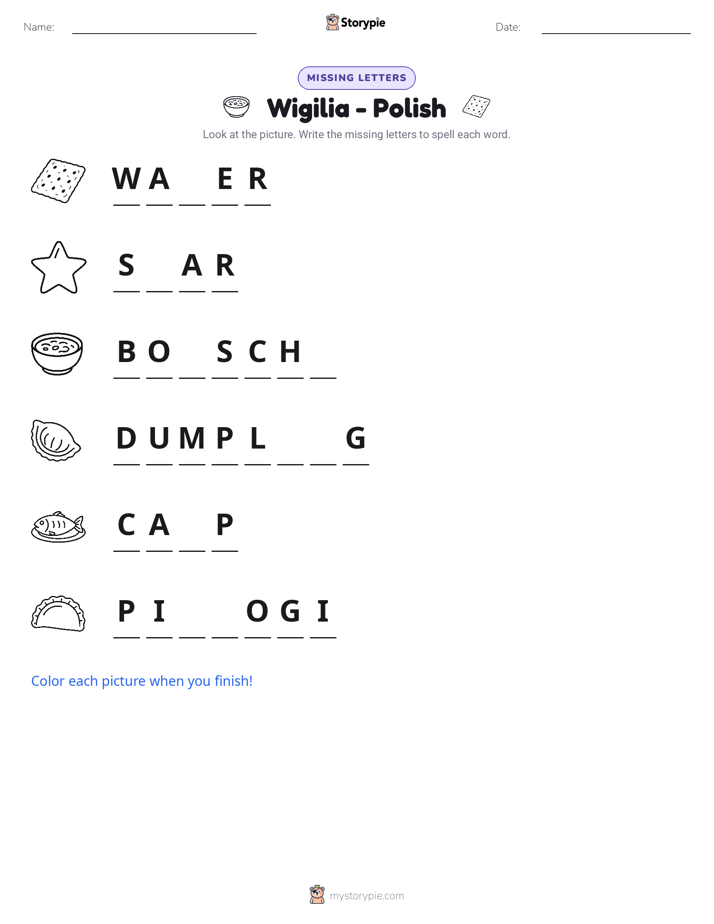
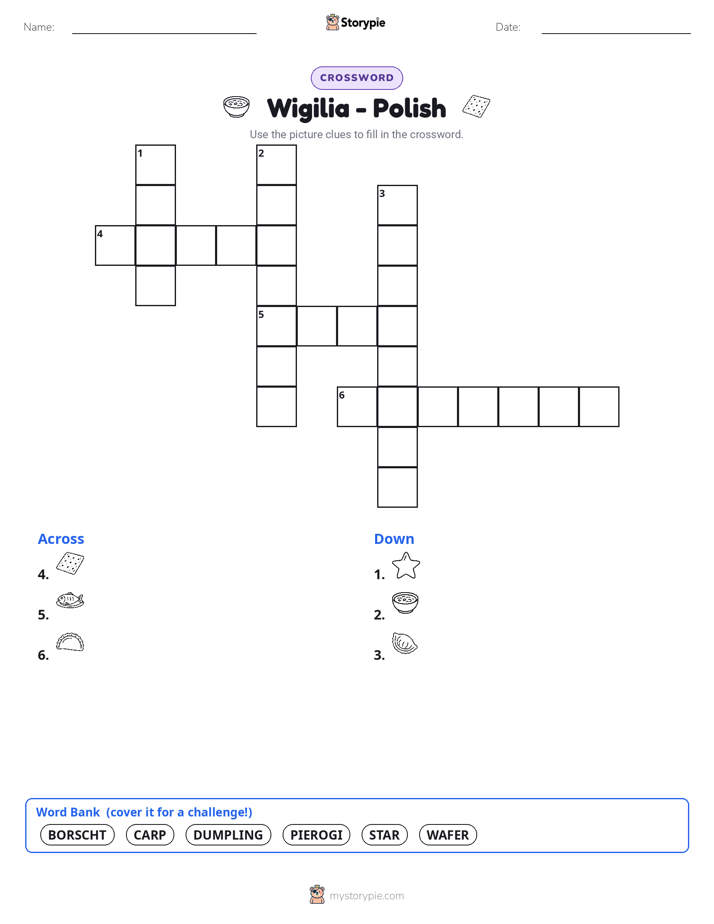
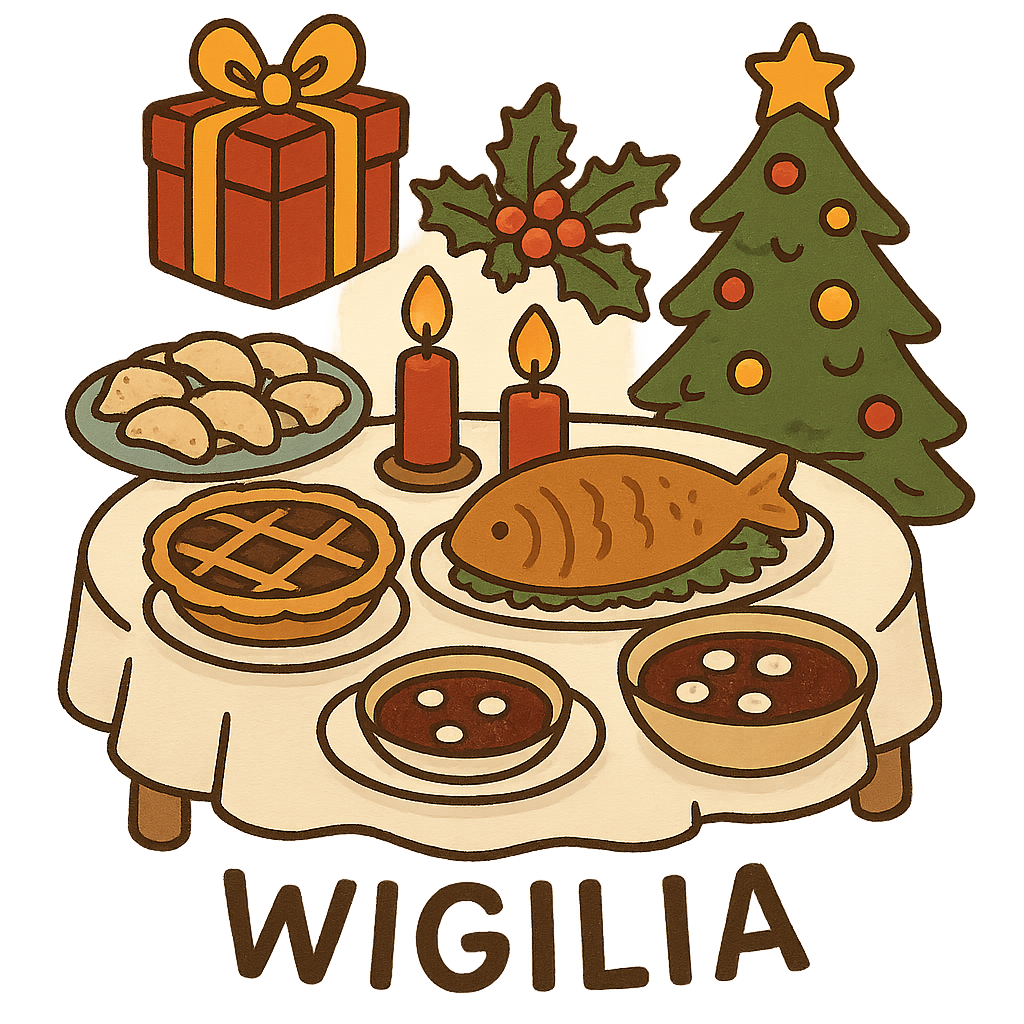
After the opłatek is shared, the grand feast begins. My meal is famous for its variety and its meaning. Traditionally, the supper consists of twelve different dishes. This number is significant in the Catholic tradition, as it is meant to represent the Twelve Apostles, who were the original disciples of Jesus. Every dish served during my observance is meatless, which is a form of fasting to show respect for the solemnity of the evening. The table is filled with delicious and unique foods. A common starter is borscht, a vibrant red beet soup, often served with tiny, mushroom-filled dumplings called 'uszka'. The main course is frequently a fish, such as carp. There are also many other dishes, including 'pierogi', which are dumplings filled with things like potatoes, cheese, or mushrooms. For dessert, a favorite is 'makowiec', a sweet pastry roll filled with poppy seeds.
When you look at a table set for my celebration, you might notice something unusual. Many families intentionally set one extra place, complete with a plate, silverware, and a glass. This empty seat is a very important part of my tradition and holds a double meaning. It is kept as a sign of hospitality, reserved for an unexpected guest or a traveler who might be in need of a meal and companionship. It is a way of saying that all are welcome. At the same time, this empty place setting serves as a way to honor the memory of loved ones who have passed away and are no longer there to share the meal. It is a quiet and touching symbol of remembrance, ensuring that the spirits of absent family members are still included in the evening's gathering.
Today, my traditions are cherished and continued by people in Poland and by Polish communities all around the world. I am a way for them to connect with their heritage and with each other. The evening doesn't end when the meal is over. After supper, families often gather together to sing beautiful Christmas carols, which are called 'kolędy' in Polish. This is also the time when gifts are exchanged, bringing joy and excitement to the children. For many, the evening concludes with attending a special midnight church service. This service is called Pasterka, or the Shepherd's Mass, and it officially begins the Christmas celebration. Through these customs, I remain a night of watching, waiting, and togetherness.
Wow facts
About
Wigilia is the traditional Christmas Eve vigil supper in Poland, celebrated on December 24th. It is a significant family gathering steeped in Catholic traditions, featuring a meatless meal, often consisting of twelve symbolic dishes, though the exact number can vary, and the sharing of the 'opłatek' wafer.
Take a Quiz
Question 1 of 5
According to the story, why do people wait for the first star to appear before starting the Wigilia supper?
Want to do even more?
Go beyond exploring. Unlock tools that turn every story into real learning.

Storypie Plus for families
Full stories, quizzes, and printables. Nights and car rides, sorted.
- Unlimited audio stories
- Create Mode: your child stars in the story
- Offline downloads
- Printable worksheets & coloring pages

Why Storypie for Schools
Students engaged. Prep in seconds. Evenings back to you.
- Worksheets & Quizzes
- Classroom Management
- Formative Assessment
- Custom Curriculum & Lesson Plans
- 27 Languages

Why Storypie for Homeschool
Curriculum done. They'll ask for more. Hours back in your day.
- Worksheet Generator
- First-Person Audio Stories
- Built-in Comprehension Quizzes
- Custom Curriculum & Lesson Plans
- Print & Go Activities