English

Wigilia - Polish
Wigilia is the traditional Christmas Eve vigil supper in Poland, celebrated on December 24th.
Reads at Grades 6–8 Listens at Grades 4–8
Print & create
Answer keys·No prep·Free with an account
28 worksheets · answer keys · full story · quiz · Ages 10-12 · CEFR B2
Plus adds 279,000+ more stories in 27 languages, audio for every one, and printables for all of them.
Just want Wigilia - Polish?
I am Wigilia, the traditional Christmas Eve celebration in Poland. My name has its roots in the Latin language, coming from the word 'vigilia,' which means 'to watch' or 'to wait.' On the evening of December 24th, I am observed by Polish families who gather together. It is a time of anticipation, a time for people to watch and wait for the moment that commemorates the birth of Jesus, which is celebrated on Christmas Day.
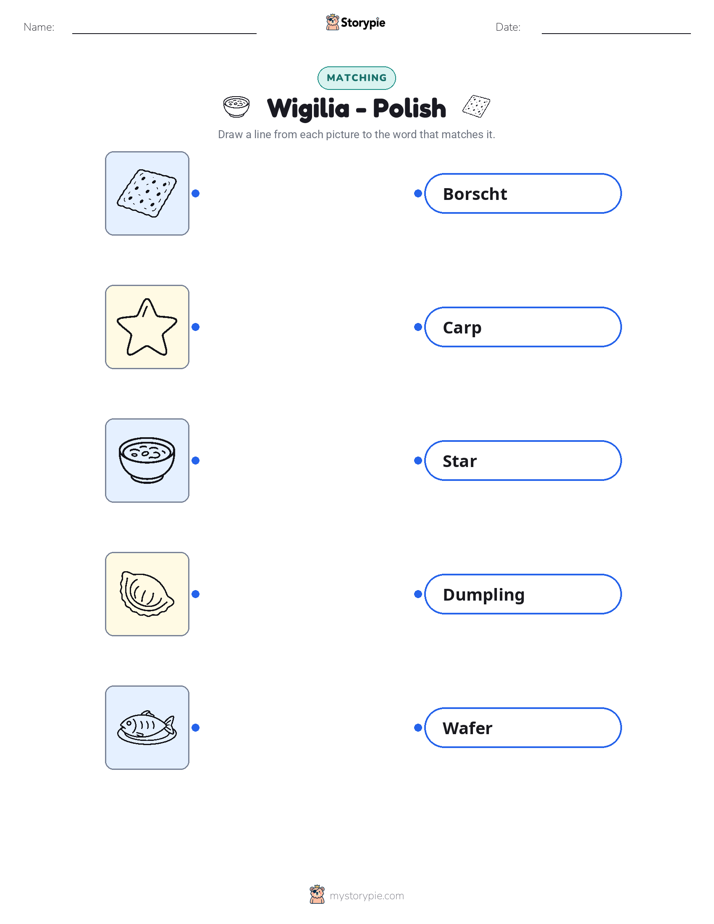
My observance is filled with traditions that have been passed down through generations. One of my oldest and most cherished customs involves watching the sky. As dusk settles, families, and especially children, gaze out of their windows, searching for the first star to appear. The appearance of this single point of light in the evening sky is the signal that my main event, the festive supper, can finally begin. This tradition is deeply symbolic, as it commemorates the Star of Bethlehem. According to Christian belief, this was the star that guided the Magi, also known as the wise men, on their long journey to the place where Jesus was born.
Before anyone takes a bite of the special meal, a moment of unity and reflection takes place. Participants share a special, thin wafer called an 'opłatek'. This isn't just eaten; it's shared with intention. Each person at the table approaches others, and they break off a small piece from one another's wafer. As they do, they exchange heartfelt wishes for the coming year, hoping for peace, good health, and prosperity. This act of sharing is a powerful symbol of forgiveness, love, and family unity. Its origins are connected to early Christian traditions of sharing bread as a community, reinforcing bonds between people.
Wigilia: A Polish Christmas Eve
I am Wigilia, the traditional Christmas Eve celebration in Poland. My name has its roots in the Latin language, coming from the word 'vigilia,' which means 'to watch' or 'to wait.' On the evening of December 24th, I am observed by Polish families who gather together. It is a time of anticipation, a time for people to watch and wait for the moment that commemorates the birth of Jesus, which is celebrated on Christmas Day.
My observance is filled with traditions that have been passed down through generations. One of my oldest and most cherished customs involves watching the sky. As dusk settles, families, and especially children, gaze out of their windows, searching for the first star to appear. The appearance of this single point of light in the evening sky is the signal that my main event, the festive supper, can finally begin. This tradition is deeply symbolic, as it commemorates the Star of Bethlehem. According to Christian belief, this was the star that guided the Magi, also known as the wise men, on their long journey to the place where Jesus was born.
Before anyone takes a bite of the special meal, a moment of unity and reflection takes place. Participants share a special, thin wafer called an 'opłatek'. This isn't just eaten; it's shared with intention. Each person at the table approaches others, and they break off a small piece from one another's wafer. As they do, they exchange heartfelt wishes for the coming year, hoping for peace, good health, and prosperity. This act of sharing is a powerful symbol of forgiveness, love, and family unity. Its origins are connected to early Christian traditions of sharing bread as a community, reinforcing bonds between people.
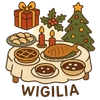
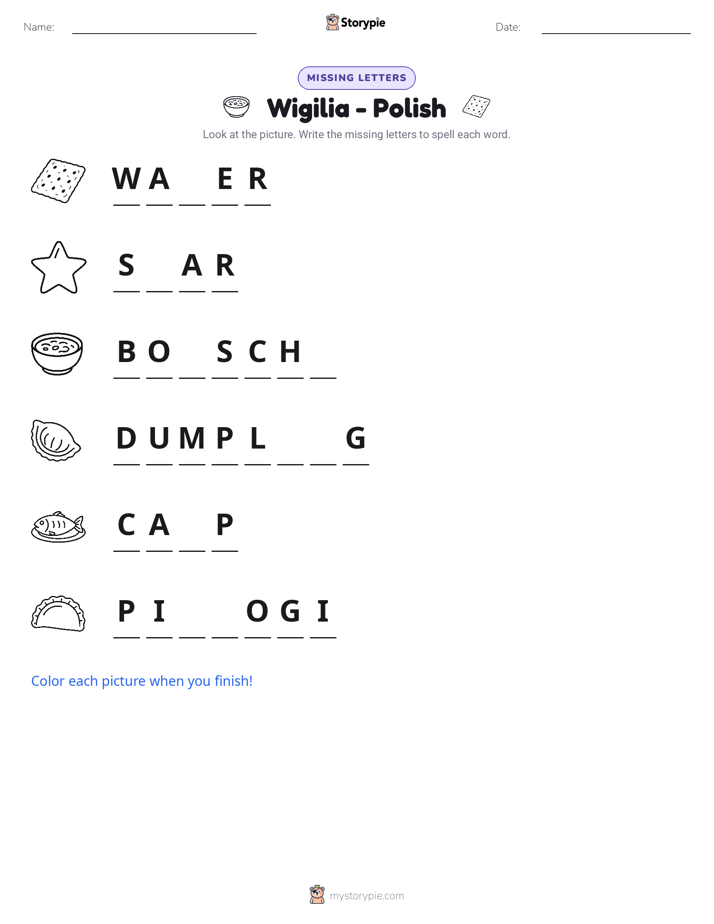
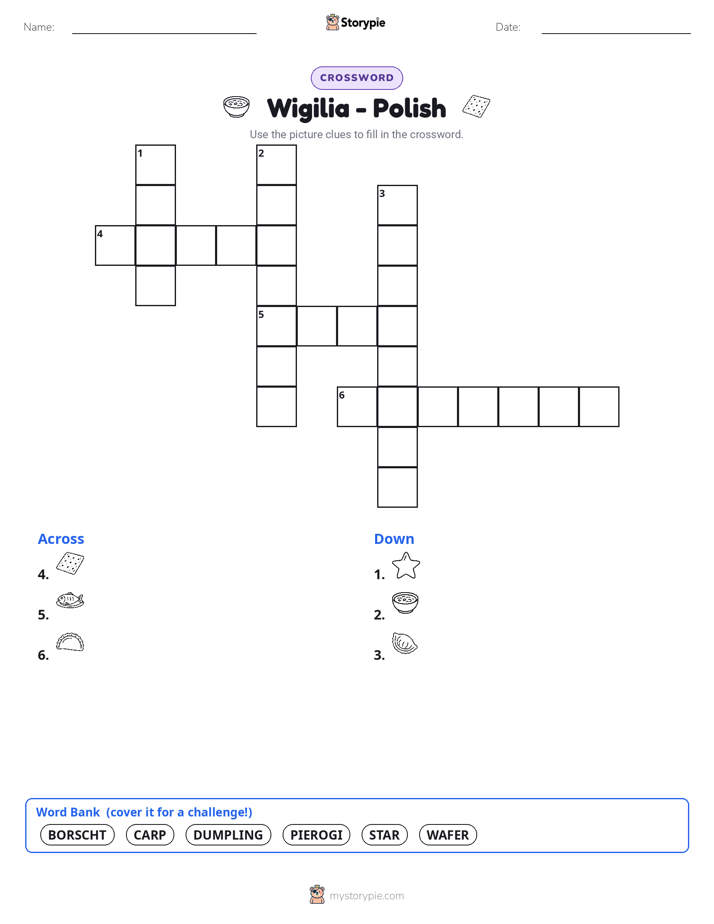
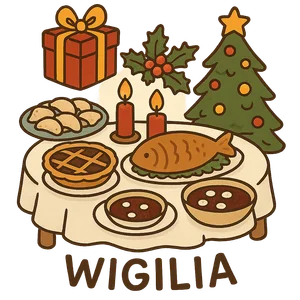
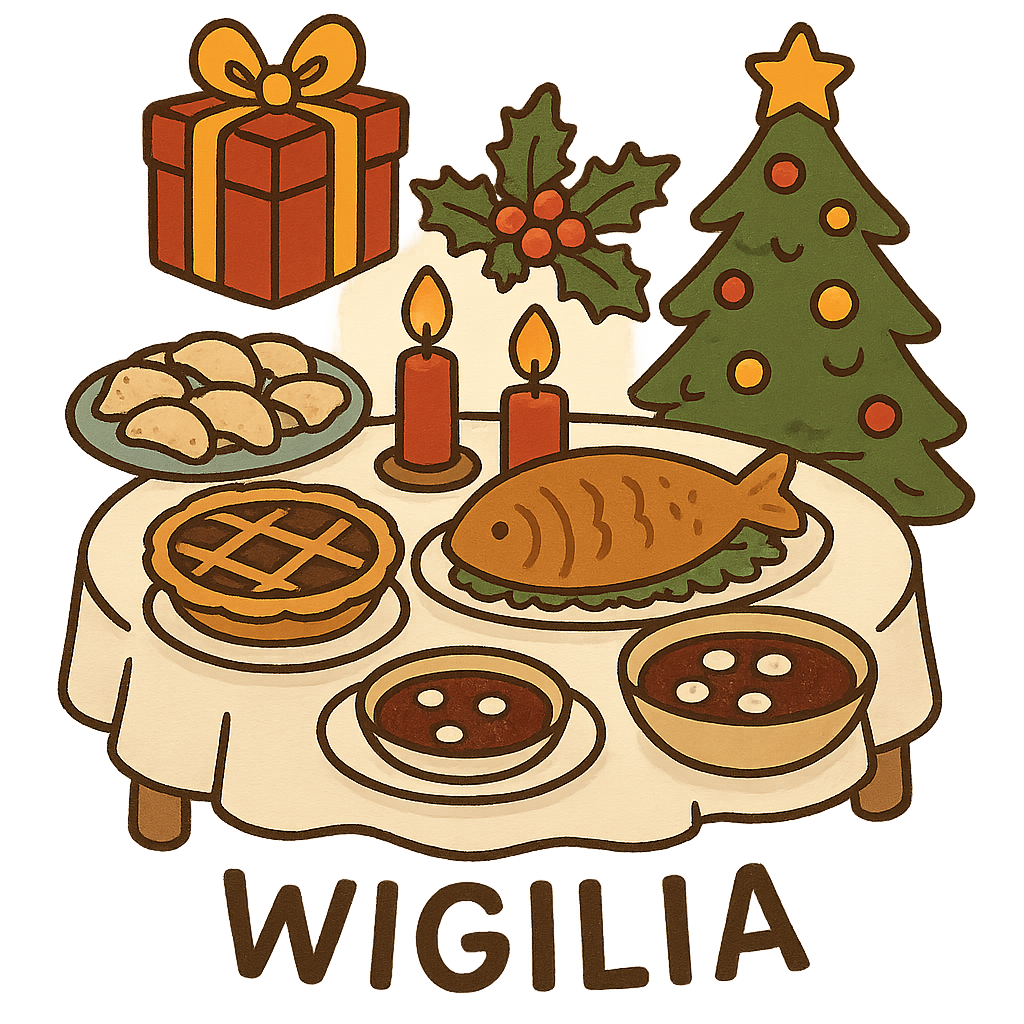
My centerpiece is the supper itself, a feast that is both abundant and specific in its composition. Traditionally, this meal consists of twelve different dishes, and none of them contain meat. The number twelve is significant and holds several layers of meaning for those who observe me. Some people believe the twelve dishes represent the twelve apostles of Jesus, honoring their role in Christian stories. Others connect the number to the twelve months of the year, with each dish representing a wish for good fortune and abundance in the months ahead. The meal is a unique culinary experience, often starting with a vibrant red borscht served with tiny, ear-shaped dumplings called 'uszka'. Main courses frequently feature fish, such as carp, prepared in various ways. Other beloved dishes include pierogi with different fillings and delightful desserts made with poppy seeds.
Another of my most meaningful customs is the practice of setting an extra place at the dinner table. This place setting, complete with a plate and cutlery, remains empty throughout the meal. This empty seat is a profound symbol of Polish hospitality, a core cultural value. It is prepared for an unexpected traveler who might be wandering, alone and in need of food and shelter, embodying a spirit of welcome to strangers. The empty place can also hold a different, more personal meaning. For many families, it serves as a way to remember and honor a cherished family member who has passed away and is no longer able to join the gathering, keeping their memory present during this important time.
Beneath the crisp, white tablecloth, another tradition quietly connects the present-day meal to the past. Many families who observe me continue the old custom of placing a small amount of hay under the cloth before setting the table. This simple gesture is a direct reference to the Christian narrative of Jesus's birth. The hay serves as a humble reminder that, according to the story, Jesus was born in a simple manger, surrounded by animals and hay. This practice helps people remember the modest and humble setting of the first Christmas, bringing a sense of history and simplicity to the evening's grand feast. Today, these customs continue to be a cherished part of my observance, connecting families to their heritage and to the stories that give my evening its special meaning.
Wow facts
About
Wigilia is the traditional Christmas Eve vigil supper in Poland, celebrated on December 24th. It is a significant family gathering steeped in Catholic traditions, featuring a meatless meal, often consisting of twelve symbolic dishes, though the exact number can vary, and the sharing of the 'opłatek' wafer.
Take a Quiz
Question 1 of 5
What are the two symbolic meanings for setting an extra, empty place at the Wigilia table?
Want to do even more?
Go beyond exploring. Unlock tools that turn every story into real learning.

Storypie Plus for families
Full stories, quizzes, and printables. Nights and car rides, sorted.
- Unlimited audio stories
- Create Mode: your child stars in the story
- Offline downloads
- Printable worksheets & coloring pages

Why Storypie for Schools
Students engaged. Prep in seconds. Evenings back to you.
- Worksheets & Quizzes
- Classroom Management
- Formative Assessment
- Custom Curriculum & Lesson Plans
- 27 Languages

Why Storypie for Homeschool
Curriculum done. They'll ask for more. Hours back in your day.
- Worksheet Generator
- First-Person Audio Stories
- Built-in Comprehension Quizzes
- Custom Curriculum & Lesson Plans
- Print & Go Activities