English

Anesthesia
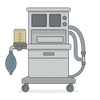
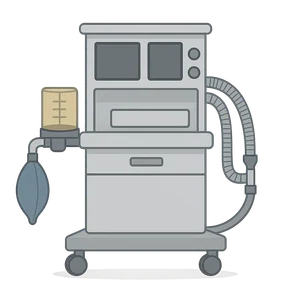
Anesthesia is a medical treatment that prevents patients from feeling pain during procedures like surgery.
Reads at Grades 3–5 Listens at Grades 1–5
Print & create
Answer keys·No prep·Free with an account
28 worksheets · answer keys · full story · quiz · Ages 8-10 · CEFR B1
Plus adds 279,000+ more stories in 27 languages, audio for every one, and printables for all of them.
Just want Anesthesia?
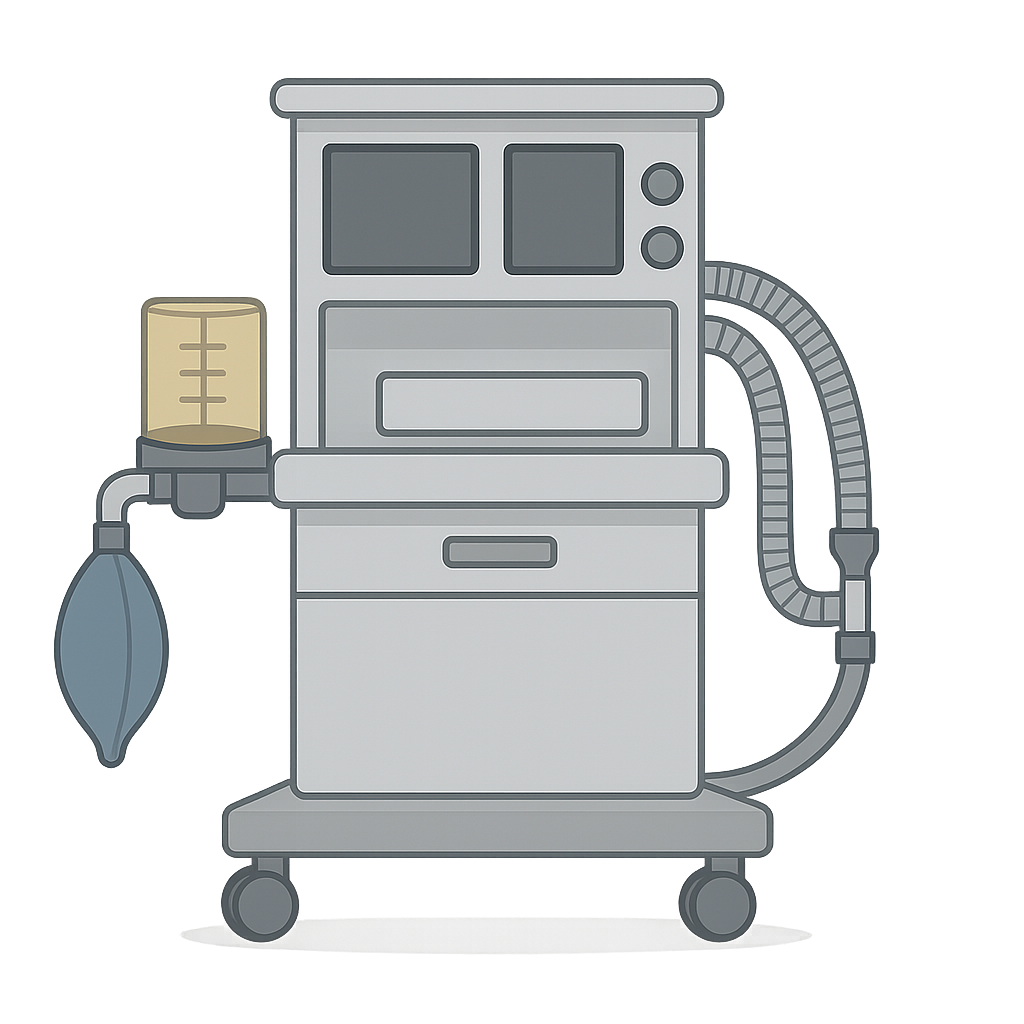
Hello. You might not know my name, but I am a quiet hero in every hospital. I am Anesthesia. I am not a person, but a special kind of sleepy air or medicine that helps people rest without feeling any pain during an operation. Before I existed, the world was a much louder, scarier place, especially if you needed a doctor's help. Imagine having a very bad toothache or a broken arm. The doctor could help, but it would hurt. A lot. The operating rooms were filled with shouts and tears, not quiet beeps and calm voices like today. Surgeons had to be as fast as lightning, but even the quickest hands couldn't stop the pain. People were so frightened of the 'ouch' that they would often wait until they were terribly sick to get help. They needed a way to make the pain go away, to find a moment of peace so their bodies could be mended. They needed me.
My first sleepy whispers began in the early 1800s. Curious scientists and doctors started noticing that some chemicals had strange effects. One chemical, called nitrous oxide, made people giggle uncontrollably, which is why it was nicknamed 'laughing gas'. Another, called ether, made people feel dizzy and numb. A doctor in Georgia named Crawford Long was one of the first to truly understand my potential. On March 30th, 1842, he had a patient who needed a small lump removed from his neck. Dr. Long gently placed a towel soaked with ether over the patient's face. The patient breathed in and drifted off to sleep. Dr. Long performed the procedure, and when the patient woke up, he was amazed. He hadn't felt a single thing. A couple of years later, on December 11th, 1844, a dentist named Dr. Horace Wells saw people at a show breathing laughing gas and acting silly. He noticed that one man scraped his leg badly but didn't even seem to notice. An idea sparked in Dr. Wells's mind. The very next day, he sat in his own dental chair, breathed in the laughing gas, and had a friend pull one of his teeth. It worked perfectly. These were my first quiet introductions to the world of healing.
The Sleepy Air That Changed Everything
Hello. You might not know my name, but I am a quiet hero in every hospital. I am Anesthesia. I am not a person, but a special kind of sleepy air or medicine that helps people rest without feeling any pain during an operation. Before I existed, the world was a much louder, scarier place, especially if you needed a doctor's help. Imagine having a very bad toothache or a broken arm. The doctor could help, but it would hurt. A lot. The operating rooms were filled with shouts and tears, not quiet beeps and calm voices like today. Surgeons had to be as fast as lightning, but even the quickest hands couldn't stop the pain. People were so frightened of the 'ouch' that they would often wait until they were terribly sick to get help. They needed a way to make the pain go away, to find a moment of peace so their bodies could be mended. They needed me.
My first sleepy whispers began in the early 1800s. Curious scientists and doctors started noticing that some chemicals had strange effects. One chemical, called nitrous oxide, made people giggle uncontrollably, which is why it was nicknamed 'laughing gas'. Another, called ether, made people feel dizzy and numb. A doctor in Georgia named Crawford Long was one of the first to truly understand my potential. On March 30th, 1842, he had a patient who needed a small lump removed from his neck. Dr. Long gently placed a towel soaked with ether over the patient's face. The patient breathed in and drifted off to sleep. Dr. Long performed the procedure, and when the patient woke up, he was amazed. He hadn't felt a single thing. A couple of years later, on December 11th, 1844, a dentist named Dr. Horace Wells saw people at a show breathing laughing gas and acting silly. He noticed that one man scraped his leg badly but didn't even seem to notice. An idea sparked in Dr. Wells's mind. The very next day, he sat in his own dental chair, breathed in the laughing gas, and had a friend pull one of his teeth. It worked perfectly. These were my first quiet introductions to the world of healing.
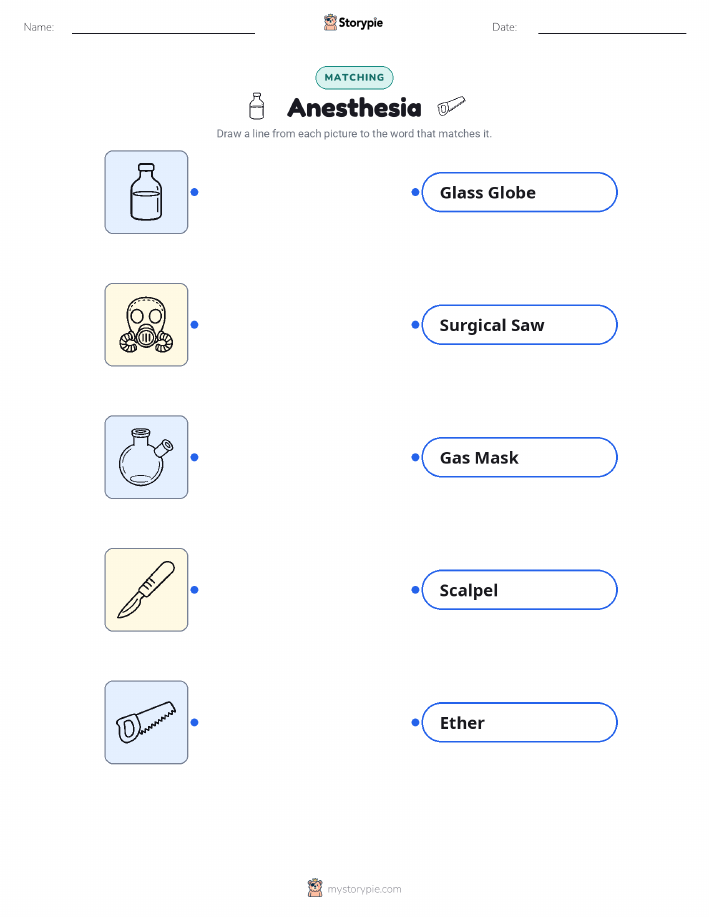
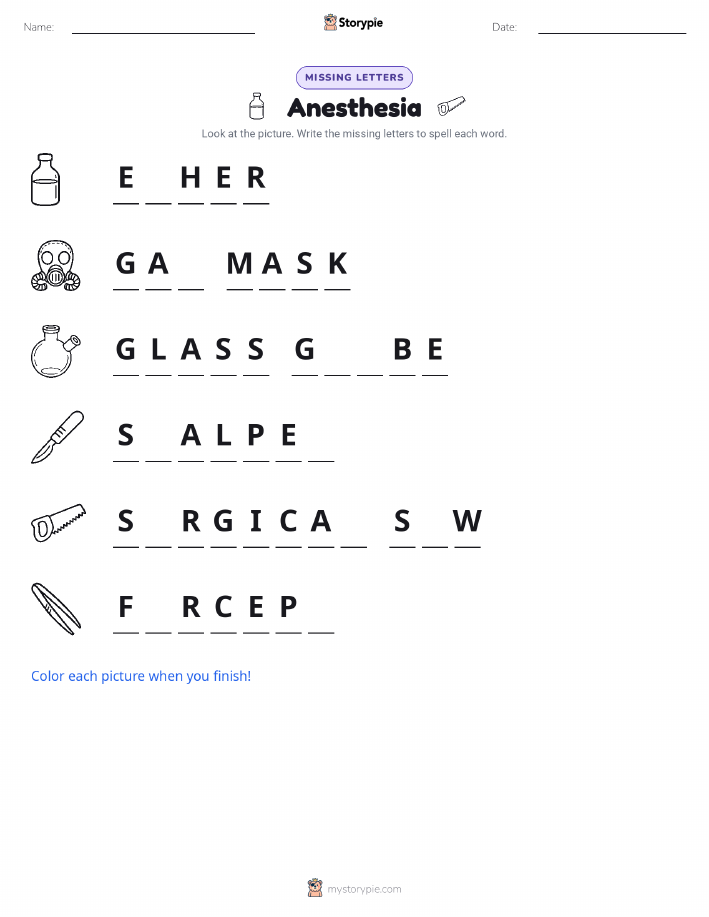
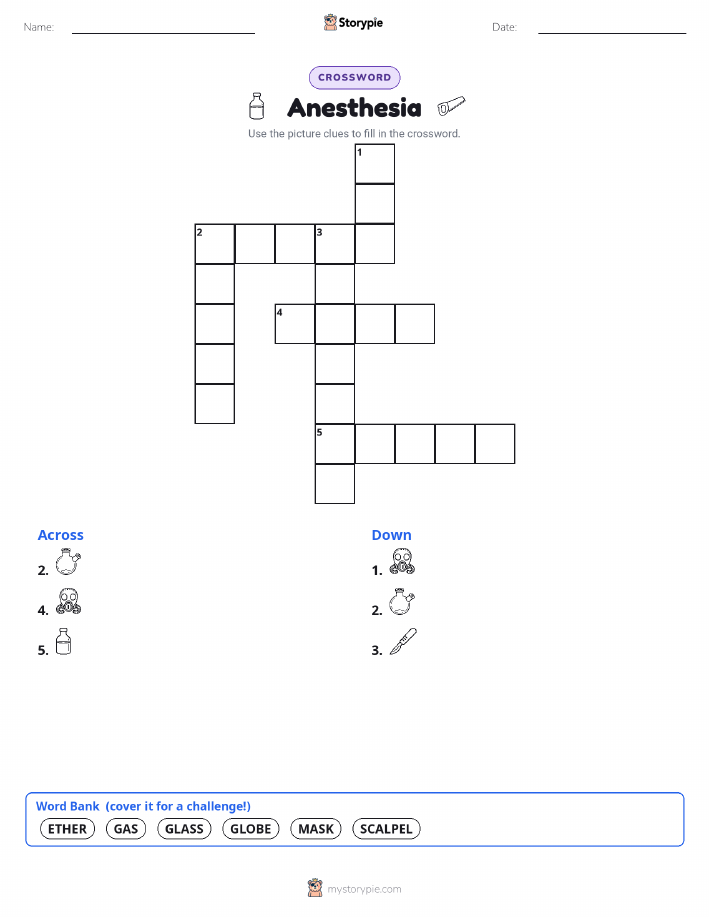
My biggest and most famous day arrived on October 16th, 1846. It was my grand debut. I was brought into a large room called an operating theater at Massachusetts General Hospital. It was filled with doctors in dark coats, their arms crossed and their faces full of doubt. They had heard rumors about a painless surgery, but they didn't believe it was possible. A dentist named William T.G. Morton was the one who brought me. He held a special glass globe with a sponge inside, soaked with ether. A patient named Gilbert Abbott, who had a painful tumor on his neck, bravely agreed to be the first. Everyone watched as Mr. Morton held the globe to Mr. Abbott's mouth and nose. 'Breathe deeply,' he said. Slowly, Mr. Abbott's breathing became steady and his eyes closed. He was in a deep, peaceful sleep. The room was so quiet you could hear a pin drop. The chief surgeon, Dr. John Collins Warren, stepped forward. He picked up his tools and began the operation. The doctors leaned in, expecting to hear a scream at any moment. But there was only silence. Mr. Abbott didn't move, didn't flinch, didn't make a sound. When the surgery was over, he slowly woke up. Dr. Warren asked him if he had felt pain. Mr. Abbott shook his head and said he had felt nothing at all. A gasp went through the room. Dr. Warren turned to the stunned audience of doctors and announced, 'Gentlemen, this is no humbug.' He was telling them that I was not a trick; I was real.
From that day forward, everything in the world of medicine changed. I gave doctors the most precious gift of all: time. Before me, surgeons had to rush. Now, they could work slowly and carefully. They could perform long, complicated operations to mend broken parts deep inside the body, to fix beating hearts, and to gently remove sickness. I took the 'ouch' out of the operating room and replaced it with quiet concentration. I turned a place of fear into a place of hope and healing. Looking back, I see that I didn't just put people to sleep; I woke up a whole new world of possibility. I am still here today, a silent and steady presence in hospitals everywhere, making sure that when you need help the most, you can rest peacefully, knowing you are safe and comfortable.
Wow facts
About
Anesthesia is a medical treatment that prevents patients from feeling pain during procedures like surgery. It can produce a state of unconsciousness, loss of sensation in a specific area, or both.
Take a Quiz
Question 1 of 5
On what date did William T.G. Morton famously demonstrate anesthesia at Massachusetts General Hospital?
Explore next




Want to do even more?
Go beyond exploring. Unlock tools that turn every story into real learning.

Storypie Plus for families
Full stories, quizzes, and printables. Nights and car rides, sorted.
- Unlimited audio stories
- Create Mode: your child stars in the story
- Offline downloads
- Printable worksheets & coloring pages

Why Storypie for Schools
Students engaged. Prep in seconds. Evenings back to you.
- Worksheets & Quizzes
- Classroom Management
- Formative Assessment
- Custom Curriculum & Lesson Plans
- 27 Languages

Why Storypie for Homeschool
Curriculum done. They'll ask for more. Hours back in your day.
- Worksheet Generator
- First-Person Audio Stories
- Built-in Comprehension Quizzes
- Custom Curriculum & Lesson Plans
- Print & Go Activities