English

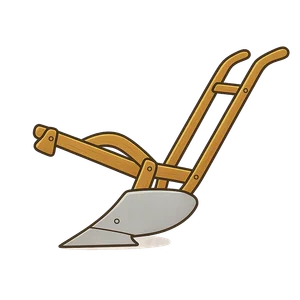
Steel Plow
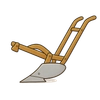
A farming tool with a steel blade, invented by John Deere in 1837, designed to cut through the tough…
Reads at Grades 3–5 Listens at Grades 1–5
Print & create
Answer keys·No prep·Free with an account
28 worksheets · answer keys · full story · quiz · Ages 8-10 · CEFR B1
Plus adds 244,000+ more stories in 27 languages, audio for every one, and printables for all of them.
Just want Steel Plow?
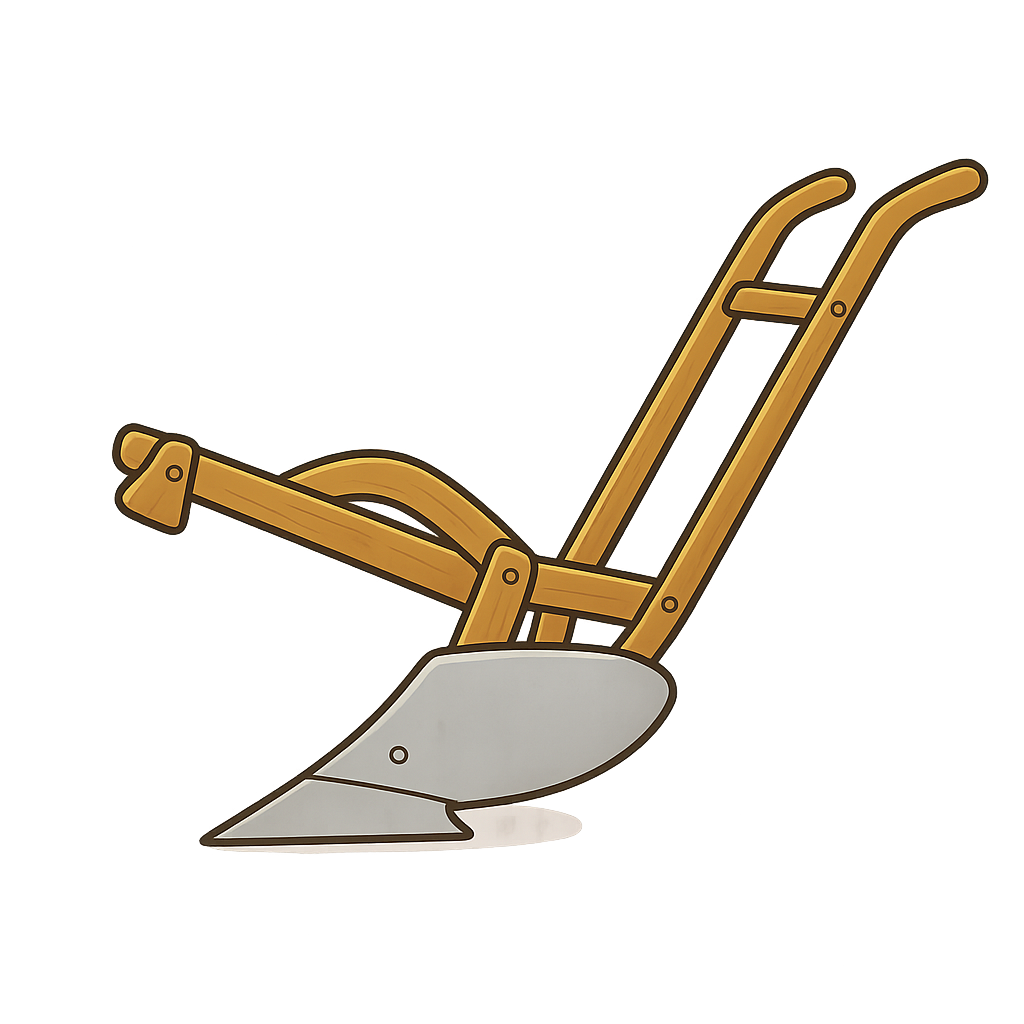
I am a steel plow, but before I existed, life for farmers on the American prairie was a constant struggle. Imagine a huge, wide-open land covered in tall grasses with roots that had been growing for hundreds of years. Underneath that grass was the richest, blackest soil you have ever seen. It was perfect for growing crops, but it had a sticky secret. This prairie soil was like thick, heavy glue. Farmers tried to use the plows they had brought with them from the East, which were made of cast iron. But as soon as those plows bit into the earth, the soil would cling to them in great, heavy clumps. Every few steps, the farmer would have to stop his horse, pull the plow out of the ground, and use a paddle to scrape off the mud. It was slow, frustrating work. It felt like trying to walk through deep, sticky mud with boots that kept getting heavier and heavier. For many, farming this amazing land seemed almost impossible.
My story truly begins in a small town called Grand Detour, Illinois, in the year 1837. There lived a thoughtful blacksmith named John Deere. He wasn't a farmer, but he spent his days fixing their tools, and he heard their complaints every single day. He saw their tired faces and understood their frustration with the sticky soil. He knew there had to be a better way. One day, John Deere was in his shop when he spotted a broken steel saw blade from a local sawmill. It was smooth and shiny, and as he ran his hand over its polished surface, an idea sparked in his mind. He wondered, what if a plow was made from highly polished steel instead of rough cast iron? Maybe the smooth steel would slide right through the sticky soil, cleaning itself as it went. He took that old saw blade and began to work. He heated it in his fiery forge, hammered it into the curved shape of a plowshare, and polished it until it gleamed like a mirror. I was born from that piece of steel. The day of my first test arrived. A crowd of curious farmers gathered to watch. John Deere hitched me to a horse, and with a gentle command, we moved forward. I sliced into the thick prairie soil, and a miracle happened. The earth curled away from my shiny surface perfectly, falling off cleanly without sticking at all. I was 'scouring' myself, just as John Deere had hoped. A cheer went up from the farmers. They had never seen anything like it.
The Plow That Solved a Sticky Problem
I am a steel plow, but before I existed, life for farmers on the American prairie was a constant struggle. Imagine a huge, wide-open land covered in tall grasses with roots that had been growing for hundreds of years. Underneath that grass was the richest, blackest soil you have ever seen. It was perfect for growing crops, but it had a sticky secret. This prairie soil was like thick, heavy glue. Farmers tried to use the plows they had brought with them from the East, which were made of cast iron. But as soon as those plows bit into the earth, the soil would cling to them in great, heavy clumps. Every few steps, the farmer would have to stop his horse, pull the plow out of the ground, and use a paddle to scrape off the mud. It was slow, frustrating work. It felt like trying to walk through deep, sticky mud with boots that kept getting heavier and heavier. For many, farming this amazing land seemed almost impossible.
My story truly begins in a small town called Grand Detour, Illinois, in the year 1837. There lived a thoughtful blacksmith named John Deere. He wasn't a farmer, but he spent his days fixing their tools, and he heard their complaints every single day. He saw their tired faces and understood their frustration with the sticky soil. He knew there had to be a better way. One day, John Deere was in his shop when he spotted a broken steel saw blade from a local sawmill. It was smooth and shiny, and as he ran his hand over its polished surface, an idea sparked in his mind. He wondered, what if a plow was made from highly polished steel instead of rough cast iron? Maybe the smooth steel would slide right through the sticky soil, cleaning itself as it went. He took that old saw blade and began to work. He heated it in his fiery forge, hammered it into the curved shape of a plowshare, and polished it until it gleamed like a mirror. I was born from that piece of steel. The day of my first test arrived. A crowd of curious farmers gathered to watch. John Deere hitched me to a horse, and with a gentle command, we moved forward. I sliced into the thick prairie soil, and a miracle happened. The earth curled away from my shiny surface perfectly, falling off cleanly without sticking at all. I was 'scouring' myself, just as John Deere had hoped. A cheer went up from the farmers. They had never seen anything like it.
After that first successful day, everything changed. Word about me, the self-scouring steel plow, spread like wildfire across the prairie. Every farmer wanted one. John Deere worked tirelessly, making more and more of me. Soon, his little blacksmith shop in Grand Detour was too small. By the year 1848, he moved his entire operation to a much larger factory in Moline, Illinois, right on the Mississippi River, so he could build thousands of my brothers and sisters and ship them to farmers all over the country. I wasn't just a tool; I was a key that unlocked the potential of the American West. With my help, pioneers could finally turn the vast, grassy prairies into productive farmland. They could plant wheat and corn, build homes, and create new communities. I made the hard work of settling the frontier a little bit easier and helped feed a growing nation. Looking back, it’s amazing to think that it all started with one blacksmith's clever idea and a broken piece of steel. Today, you see giant, powerful tractors pulling massive plows, but every single one of them is a descendant of me. I am the simple plow that solved a sticky problem and helped change the world.
Wow facts
About
A farming tool with a steel blade, invented by John Deere in 1837, designed to cut through the tough, sticky prairie soil of the American Midwest, a key innovation in agricultural history.
Take a Quiz
Question 1 of 5
In the story, the plow says it was 'scouring' itself. What does the word 'scouring' mean in this context?
Explore next





Want to do even more?
Go beyond exploring. Unlock tools that turn every story into real learning.

Storypie Plus for families
Full stories, quizzes, and printables. Nights and car rides, sorted.
- Unlimited audio stories
- Create Mode: your child stars in the story
- Offline downloads
- Printable worksheets & coloring pages

Why Storypie for Schools
Students engaged. Prep in seconds. Evenings back to you.
- Worksheets & Quizzes
- Classroom Management
- Formative Assessment
- Custom Curriculum & Lesson Plans
- 27 Languages

Why Storypie for Homeschool
Curriculum done. They'll ask for more. Hours back in your day.
- Worksheet Generator
- First-Person Audio Stories
- Built-in Comprehension Quizzes
- Custom Curriculum & Lesson Plans
- Print & Go Activities