English

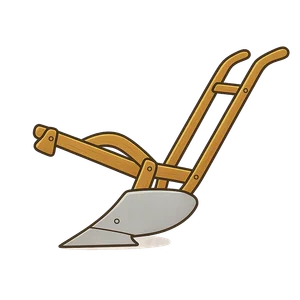
Steel Plow
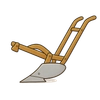
A farming tool with a steel blade, invented by John Deere in 1837, designed to cut through the tough…
Reads at Grades 6–8 Listens at Grades 4–8
Print & create
Answer keys·No prep·Free with an account
28 worksheets · answer keys · full story · quiz · Ages 10-12 · CEFR B2
Plus adds 244,000+ more stories in 27 languages, audio for every one, and printables for all of them.
Just want Steel Plow?
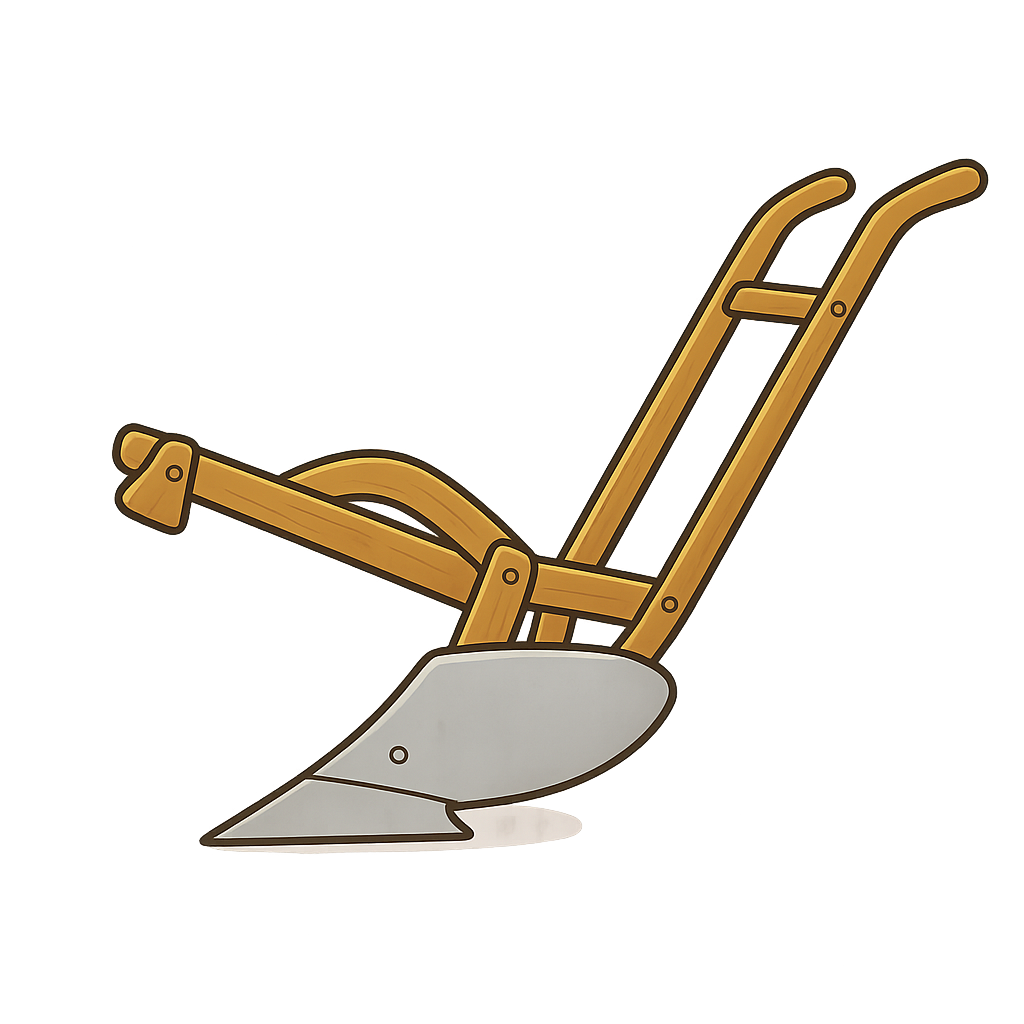
Before I was a gleaming blade of polished steel, I was just an idea born of frustration. My story begins on the vast, windswept prairies of the American Midwest in the 1830s. Imagine a sea of grass so tall it could hide a rider on horseback, with roots so thick they formed a dense mat beneath the surface. For the pioneers who traveled there seeking a new life, this land was a promise, but it held a stubborn secret. The soil was rich and black, a farmer's dream, but it was also a sticky, heavy giant. I watched from the sidelines as the old cast-iron and wooden plows tried to tame it. They were no match. The thick, clay-like soil would cling to their surfaces, building up until the plow was a useless, mud-caked anchor. Farmers had to stop every few steps to scrape the mud off with a paddle, a back-breaking and soul-crushing task. Oxen strained, wood splintered, and iron cracked under the pressure. The prairie was winning. Then, in 1836, a blacksmith named John Deere arrived in the small town of Grand Detour, Illinois. He had a keen eye and an empathetic heart. He listened to the farmers' tales of defeat and watched their daily struggle. He saw their broken tools and their fading hopes, and a question began to form in his mind: there had to be a better way.
John Deere was more than just a man who could shape metal; he was a true innovator who understood that a problem was simply a solution waiting to be discovered. He spent countless hours in his shop, thinking and tinkering. He knew the problem wasn't the farmers' strength, but the plow's design. The soil needed to slide off the blade, not stick to it. The idea came to him in 1837, like a flash of lightning on a summer evening. He saw a broken steel saw blade that had been discarded from a local sawmill. It was polished smooth from cutting through countless logs. As I lay there, a forgotten piece of steel, he saw my potential. He saw a surface so slick that nothing could cling to it. It was then that my journey truly began. I felt the blistering heat of the forge as he heated me until I glowed like the setting sun. I felt the powerful, rhythmic clang of his hammer as he expertly bent and shaped me, not into a flat blade, but into a graceful, curved moldboard. This curve was his genius. He then spent hours polishing me, grinding away every imperfection until my surface was like a mirror. I was no longer a simple piece of steel; I was designed with a purpose. I was built to be 'self-scouring,' a tool that would clean itself with every slice through the earth. The day of my first trial arrived, and a crowd of farmers gathered, their faces etched with doubt. They had seen too many failures. I was hitched to a horse, and with a gentle command, I sank into the stubborn prairie soil. The feeling was extraordinary. Instead of fighting and grabbing, the earth parted before me, gliding smoothly over my polished surface and peeling away in a perfect, clean ribbon. I left behind a deep, dark furrow, the first of its kind. A hush fell over the crowd, followed by gasps of astonishment. In that moment, we all knew that everything was about to change.
The Plow that Tamed the Prairie
Before I was a gleaming blade of polished steel, I was just an idea born of frustration. My story begins on the vast, windswept prairies of the American Midwest in the 1830s. Imagine a sea of grass so tall it could hide a rider on horseback, with roots so thick they formed a dense mat beneath the surface. For the pioneers who traveled there seeking a new life, this land was a promise, but it held a stubborn secret. The soil was rich and black, a farmer's dream, but it was also a sticky, heavy giant. I watched from the sidelines as the old cast-iron and wooden plows tried to tame it. They were no match. The thick, clay-like soil would cling to their surfaces, building up until the plow was a useless, mud-caked anchor. Farmers had to stop every few steps to scrape the mud off with a paddle, a back-breaking and soul-crushing task. Oxen strained, wood splintered, and iron cracked under the pressure. The prairie was winning. Then, in 1836, a blacksmith named John Deere arrived in the small town of Grand Detour, Illinois. He had a keen eye and an empathetic heart. He listened to the farmers' tales of defeat and watched their daily struggle. He saw their broken tools and their fading hopes, and a question began to form in his mind: there had to be a better way.
John Deere was more than just a man who could shape metal; he was a true innovator who understood that a problem was simply a solution waiting to be discovered. He spent countless hours in his shop, thinking and tinkering. He knew the problem wasn't the farmers' strength, but the plow's design. The soil needed to slide off the blade, not stick to it. The idea came to him in 1837, like a flash of lightning on a summer evening. He saw a broken steel saw blade that had been discarded from a local sawmill. It was polished smooth from cutting through countless logs. As I lay there, a forgotten piece of steel, he saw my potential. He saw a surface so slick that nothing could cling to it. It was then that my journey truly began. I felt the blistering heat of the forge as he heated me until I glowed like the setting sun. I felt the powerful, rhythmic clang of his hammer as he expertly bent and shaped me, not into a flat blade, but into a graceful, curved moldboard. This curve was his genius. He then spent hours polishing me, grinding away every imperfection until my surface was like a mirror. I was no longer a simple piece of steel; I was designed with a purpose. I was built to be 'self-scouring,' a tool that would clean itself with every slice through the earth. The day of my first trial arrived, and a crowd of farmers gathered, their faces etched with doubt. They had seen too many failures. I was hitched to a horse, and with a gentle command, I sank into the stubborn prairie soil. The feeling was extraordinary. Instead of fighting and grabbing, the earth parted before me, gliding smoothly over my polished surface and peeling away in a perfect, clean ribbon. I left behind a deep, dark furrow, the first of its kind. A hush fell over the crowd, followed by gasps of astonishment. In that moment, we all knew that everything was about to change.
News of my success traveled faster than a prairie fire. What started with one of me in John Deere's small blacksmith shop in 1837 quickly grew. Farmers who had once despaired now saw a future. By 1841, Deere was making a hundred of me each year, and soon he moved his operation to Moline, Illinois, to build a factory that could produce thousands. I became the key that unlocked the potential of the American heartland. With me, a single family could cultivate vast acres of land that were once considered untamable. The Great Plains, once a wild frontier, began its transformation into the 'breadbasket of the world,' producing grain to feed the nation and beyond. My existence fueled westward expansion, allowing towns and cities to spring up where only tall grass had grown before. I changed the course of American history, not with force, but with a simple, elegant design. My legacy is not just in the fields I helped cultivate, but in the spirit of ingenuity I represent. I am a reminder that sometimes the biggest challenges can be overcome with a clever idea and the determination to see it through. I am a humble steel plow, but I am also proof that one person's solution can empower millions and reshape the world for generations to come.
Wow facts
About
A farming tool with a steel blade, invented by John Deere in 1837, designed to cut through the tough, sticky prairie soil of the American Midwest, a key innovation in agricultural history.
Take a Quiz
Question 1 of 5
In your own words, describe the main problem John Deere solved and how his invention addressed it.
Explore next





Want to do even more?
Go beyond exploring. Unlock tools that turn every story into real learning.

Storypie Plus for families
Full stories, quizzes, and printables. Nights and car rides, sorted.
- Unlimited audio stories
- Create Mode: your child stars in the story
- Offline downloads
- Printable worksheets & coloring pages

Why Storypie for Schools
Students engaged. Prep in seconds. Evenings back to you.
- Worksheets & Quizzes
- Classroom Management
- Formative Assessment
- Custom Curriculum & Lesson Plans
- 27 Languages

Why Storypie for Homeschool
Curriculum done. They'll ask for more. Hours back in your day.
- Worksheet Generator
- First-Person Audio Stories
- Built-in Comprehension Quizzes
- Custom Curriculum & Lesson Plans
- Print & Go Activities