English

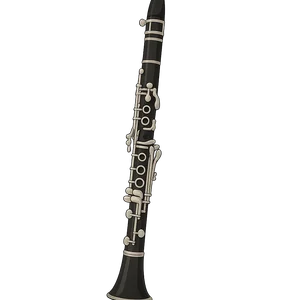
Clarinet
The clarinet is a single-reed woodwind instrument known for its wide range of tones.
Reads at Grades 3–5 Listens at Grades 1–5
Print & create
Answer keys·No prep·Free with an account
28 worksheets · answer keys · full story · quiz · Ages 8-10 · CEFR B1
Plus adds 279,000+ more stories in 27 languages, audio for every one, and printables for all of them.
Just want Clarinet?
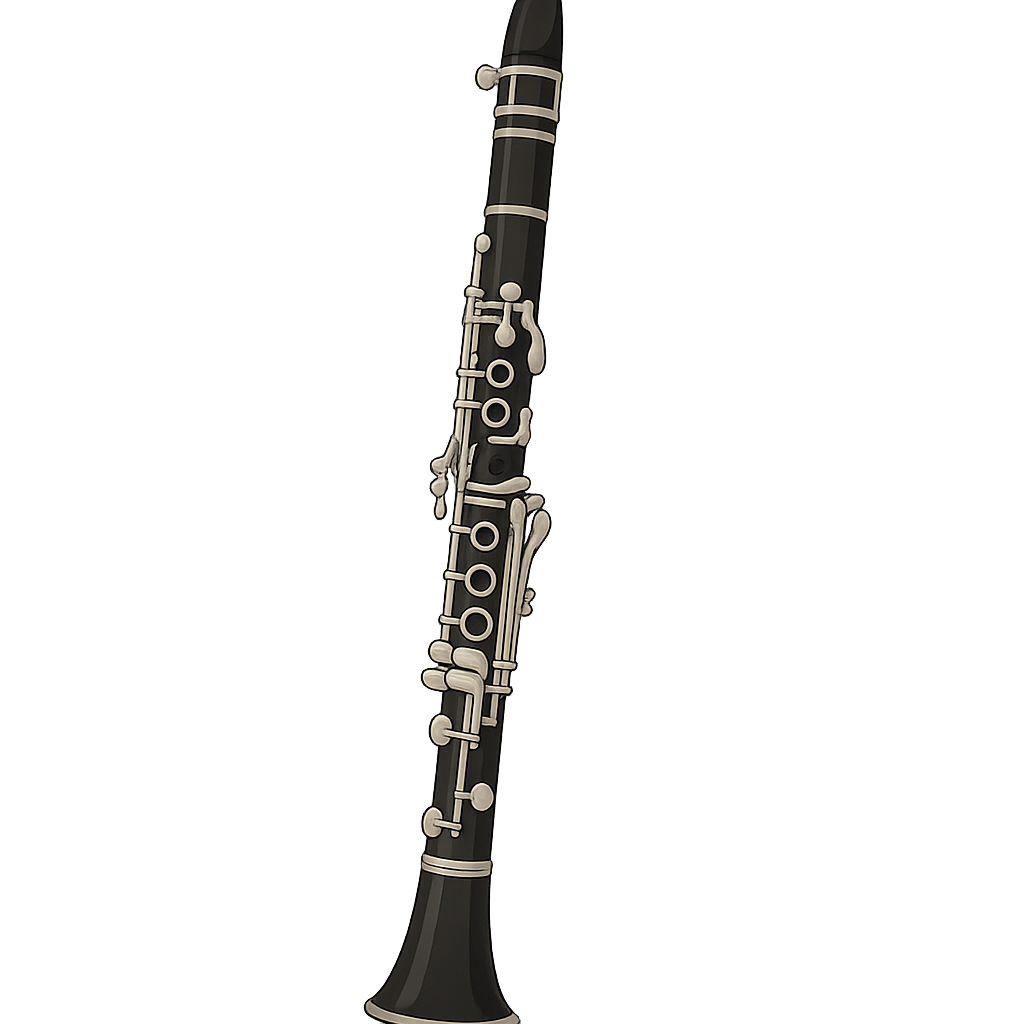
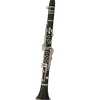
Hello there. You might have seen me sitting quietly in an instrument case, a sleek black tube with shiny silver keys. Or perhaps you've heard my voice, sometimes warm and mellow, other times bright and soaring, as part of an orchestra or a lively jazz band. I am the Clarinet, and my story begins long ago with an ancestor of mine. Before I existed, there was a simpler instrument called the Chalumeau. It lived in the late 1600s and had a lovely, deep, and gentle voice, perfect for calm and thoughtful music. But the Chalumeau had a secret sadness. it could sing low notes beautifully, but it struggled to reach the high notes. Its voice would crack and strain, and it just couldn't soar. Musicians loved its deep tones but wished for an instrument that could fly high into the sky as well as sing low to the earth. They had a problem, and someone with a clever mind was needed to solve it.
That clever mind belonged to a man named Johann Christoph Denner. He was a brilliant instrument maker in Nuremberg, Germany, and around the year 1700, he took a close look at my ancestor, the Chalumeau. He saw its potential but also understood its limits. He tinkered and experimented, trying to find a way to unlock those missing high notes. Then, he had a brilliant idea. What if he added one special, extra key? It wasn't just any key; he placed it in a very specific spot. When a musician pressed this new 'register key,' it was like opening a secret door. Suddenly, the air flowing through me could leap into a whole new range of notes. This higher range was called the 'clarion' register because the notes were so bright and clear, they reminded people of a small trumpet, or a clarion. That is how I got my name, Clarinet, which means 'little trumpet.' Thanks to Johann's brilliant new key, I was born with a voice that could sing both low and high.
A Song is Born: The Story of the Clarinet
Hello there. You might have seen me sitting quietly in an instrument case, a sleek black tube with shiny silver keys. Or perhaps you've heard my voice, sometimes warm and mellow, other times bright and soaring, as part of an orchestra or a lively jazz band. I am the Clarinet, and my story begins long ago with an ancestor of mine. Before I existed, there was a simpler instrument called the Chalumeau. It lived in the late 1600s and had a lovely, deep, and gentle voice, perfect for calm and thoughtful music. But the Chalumeau had a secret sadness. it could sing low notes beautifully, but it struggled to reach the high notes. Its voice would crack and strain, and it just couldn't soar. Musicians loved its deep tones but wished for an instrument that could fly high into the sky as well as sing low to the earth. They had a problem, and someone with a clever mind was needed to solve it.
That clever mind belonged to a man named Johann Christoph Denner. He was a brilliant instrument maker in Nuremberg, Germany, and around the year 1700, he took a close look at my ancestor, the Chalumeau. He saw its potential but also understood its limits. He tinkered and experimented, trying to find a way to unlock those missing high notes. Then, he had a brilliant idea. What if he added one special, extra key? It wasn't just any key; he placed it in a very specific spot. When a musician pressed this new 'register key,' it was like opening a secret door. Suddenly, the air flowing through me could leap into a whole new range of notes. This higher range was called the 'clarion' register because the notes were so bright and clear, they reminded people of a small trumpet, or a clarion. That is how I got my name, Clarinet, which means 'little trumpet.' Thanks to Johann's brilliant new key, I was born with a voice that could sing both low and high.
Even though I could now reach new heights, I was not yet the instrument you see today. I was a bit clumsy at first, and some notes were still tricky to play. My journey was just beginning. Over the next hundred years, from the mid-1700s and deep into the 1800s, many other thoughtful inventors helped me grow up. A man named Iwan Müller looked at me and thought, 'You need more keys to make playing all the notes easier.' He gave me a makeover, adding keys that helped musicians play scales more smoothly. Later, another inventor named Hyacinthe Klosé improved my key system even more, inspired by the design of the flute. He arranged the keys in such a logical way that a musician's fingers could dance across them effortlessly. With each change, I became more graceful and reliable. I could play faster, my notes were more in tune, and my voice became richer and more beautiful. It took a whole community of creative people to help me become my best self.
My big break, the moment I truly stepped into the spotlight, came thanks to one of the most famous composers in history: Wolfgang Amadeus Mozart. In the late 1700s, he heard my voice and fell in love with it. He loved how I could whisper a melody so softly it could make you cry, and then, in the next moment, sing out with joyful, powerful energy. He saw that I was not just another instrument; I had a special personality. In 1791, he wrote a magnificent piece just for me called the Clarinet Concerto. It was like he wrote my autobiography in music, showing the world everything I could do, from my deep, thoughtful low notes to my soaring, brilliant high notes. This piece was my grand debut. After hearing it, other composers realized how special I was, and soon, I earned a permanent, cherished seat in orchestras all around the world.
Today, my song continues, and it is more varied than ever. My journey didn't stop in the classical orchestra. You can hear my voice wailing in a smoky jazz club, marching proudly in a parade band, or dancing along to folk music from different corners of the globe. I get to play all kinds of music and share my voice with so many people. Looking back, it all started with a problem: an instrument that couldn't sing high. Then came a single, clever idea from Johann Christoph Denner—the register key. That one small change created something that has brought joy and beauty to the world for over 300 years. It reminds me that music is a powerful force that connects us all, a beautiful song that never has to end.
Wow facts
About
The clarinet is a single-reed woodwind instrument known for its wide range of tones. It was developed around the year 1700 by Johann Christoph Denner in Germany from an earlier instrument called the chalumeau.
Take a Quiz
Question 1 of 5
Why was the invention of the register key so important for the clarinet?
Explore next




Want to do even more?
Go beyond exploring. Unlock tools that turn every story into real learning.

Storypie Plus for families
Full stories, quizzes, and printables. Nights and car rides, sorted.
- Unlimited audio stories
- Create Mode: your child stars in the story
- Offline downloads
- Printable worksheets & coloring pages

Why Storypie for Schools
Students engaged. Prep in seconds. Evenings back to you.
- Worksheets & Quizzes
- Classroom Management
- Formative Assessment
- Custom Curriculum & Lesson Plans
- 27 Languages

Why Storypie for Homeschool
Curriculum done. They'll ask for more. Hours back in your day.
- Worksheet Generator
- First-Person Audio Stories
- Built-in Comprehension Quizzes
- Custom Curriculum & Lesson Plans
- Print & Go Activities