English

Eyeglasses
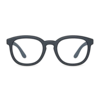
A device consisting of glass or hard plastic lenses mounted in a frame that holds them in front of a person's…
Reads at Grades 6–8 Listens at Grades 4–8
Print & create
Answer keys·No prep·Free with an account
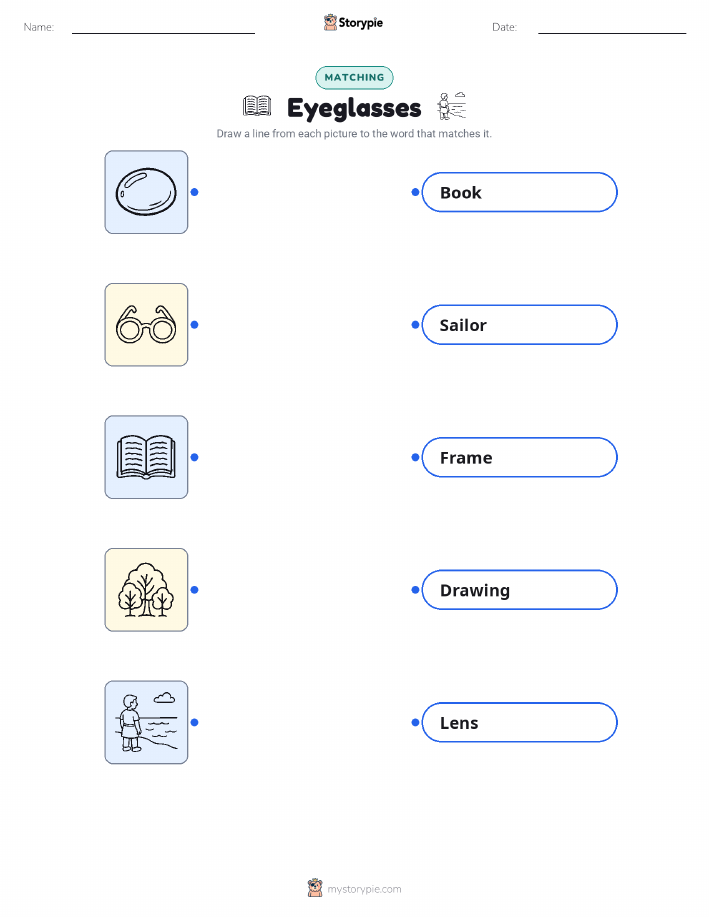
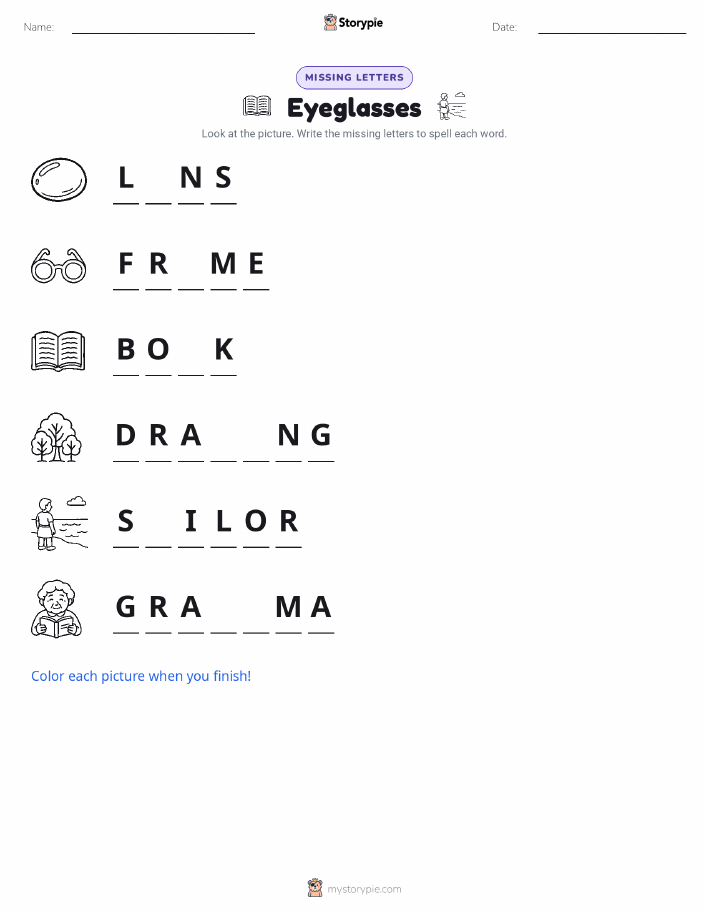
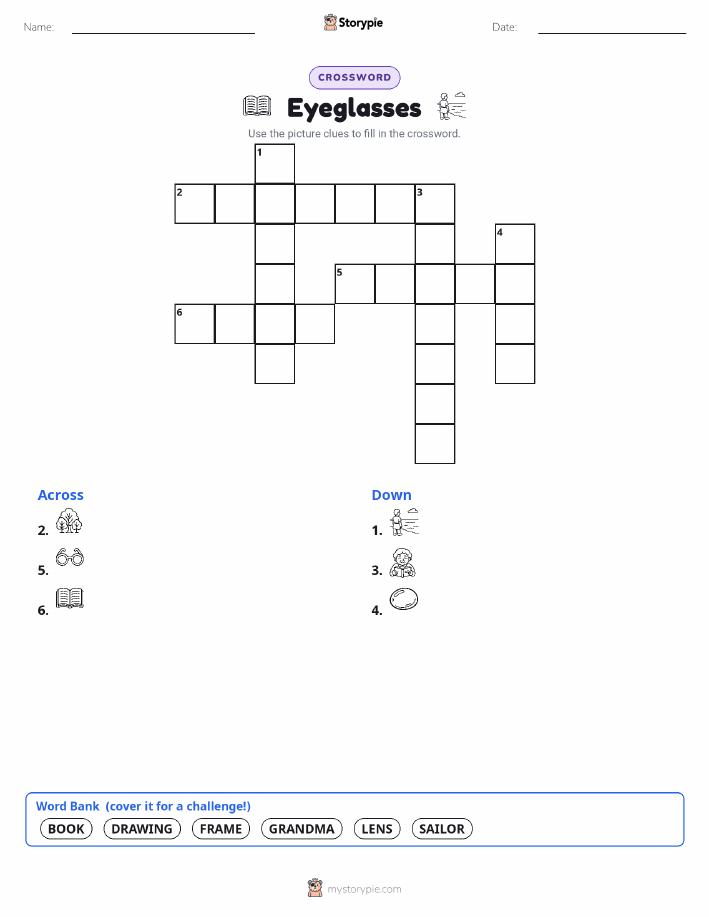
28 worksheets · answer keys · full story · quiz · Ages 10-12 · CEFR B2
Plus adds 279,000+ more stories in 27 languages, audio for every one, and printables for all of them.
Just want Eyeglasses?
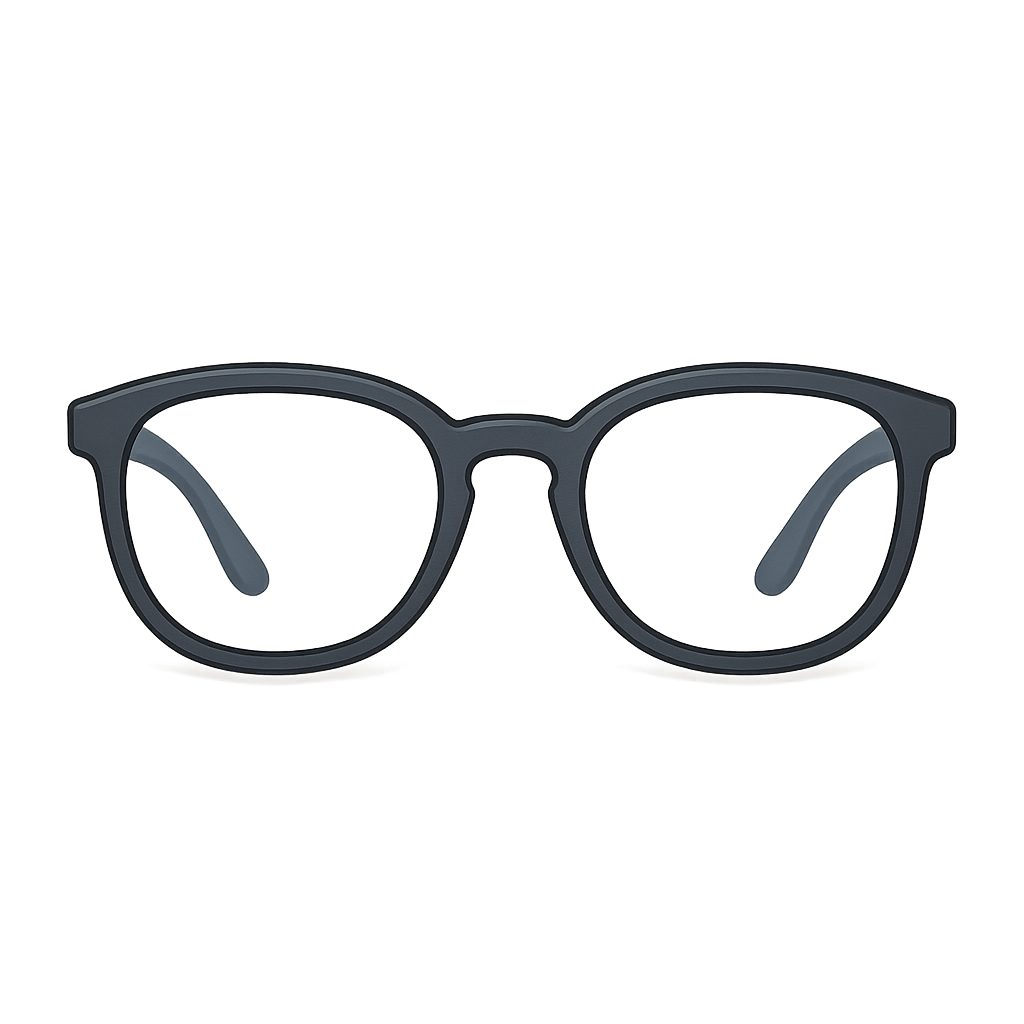
Before I existed, the world for many people slowly faded into a soft, hazy dream. Imagine a scholar in a quiet monastery, leaning so close to a manuscript that his nose nearly touches the parchment, yet the beautiful, inked letters remain a frustrating blur. Picture a skilled seamstress, her fingers still nimble, but her eyes unable to guide a thread through the tiny eye of a needle. This was the reality for so many as they grew older. Knowledge, creativity, and simple daily tasks became difficult challenges. The world was full of vibrant colors and intricate details, but for those with aging eyes, it was a beautiful painting viewed through a foggy window. It was a world waiting for a spark of clarity, a world that needed someone like me. I am a pair of eyeglasses, and I was born from the simple, powerful idea that everyone deserves to see the world sharply, no matter their age. My story began with the deep human desire to hold onto the light and the details, to keep learning and creating for a lifetime.
My birth is shrouded in a bit of mystery, which I find quite fascinating. It was not one person who shouted “Eureka.” and brought me into being. Instead, I emerged from the collective wisdom of skilled artisans in Italy, around the year 1286. The glassmakers of Venice and Pisa were masters of their craft, and they had long known that curved glass could magnify things. They created what were first called “reading stones,” which were essentially simple magnifiers you placed directly on the page. But the true breakthrough came when someone had the ingenious idea to shape two small, convex lenses from quartz or beryl, mount them in a frame of bone, metal, or leather, and create something that could be held up to the eyes. In that moment, I was truly born. My first form was a bit clumsy; you had to hold me with one hand, or perch me precariously on your nose. But the effect was immediate and profound. An elderly merchant could suddenly read his ledgers without help. A monk could study his sacred texts late into the night. It was as if I had turned back time for their eyes, restoring the crisp, clear vision of their youth. I was not just a tool; I was a key that unlocked a world that was slipping away, and I quickly became a symbol of wisdom and learning.
A Story of Seeing Clearly
Before I existed, the world for many people slowly faded into a soft, hazy dream. Imagine a scholar in a quiet monastery, leaning so close to a manuscript that his nose nearly touches the parchment, yet the beautiful, inked letters remain a frustrating blur. Picture a skilled seamstress, her fingers still nimble, but her eyes unable to guide a thread through the tiny eye of a needle. This was the reality for so many as they grew older. Knowledge, creativity, and simple daily tasks became difficult challenges. The world was full of vibrant colors and intricate details, but for those with aging eyes, it was a beautiful painting viewed through a foggy window. It was a world waiting for a spark of clarity, a world that needed someone like me. I am a pair of eyeglasses, and I was born from the simple, powerful idea that everyone deserves to see the world sharply, no matter their age. My story began with the deep human desire to hold onto the light and the details, to keep learning and creating for a lifetime.
My birth is shrouded in a bit of mystery, which I find quite fascinating. It was not one person who shouted “Eureka.” and brought me into being. Instead, I emerged from the collective wisdom of skilled artisans in Italy, around the year 1286. The glassmakers of Venice and Pisa were masters of their craft, and they had long known that curved glass could magnify things. They created what were first called “reading stones,” which were essentially simple magnifiers you placed directly on the page. But the true breakthrough came when someone had the ingenious idea to shape two small, convex lenses from quartz or beryl, mount them in a frame of bone, metal, or leather, and create something that could be held up to the eyes. In that moment, I was truly born. My first form was a bit clumsy; you had to hold me with one hand, or perch me precariously on your nose. But the effect was immediate and profound. An elderly merchant could suddenly read his ledgers without help. A monk could study his sacred texts late into the night. It was as if I had turned back time for their eyes, restoring the crisp, clear vision of their youth. I was not just a tool; I was a key that unlocked a world that was slipping away, and I quickly became a symbol of wisdom and learning.
For centuries, I remained a handheld device, a trusted but sometimes inconvenient companion. Then, in the 1720s, a brilliant English optician named Edward Scarlett gave me a gift that changed everything: arms. He called them “temples,” and these slender pieces allowed me to rest securely over a person’s ears. It was a revelation. I was no longer something to be held, but something to be worn. My wearers now had both hands free to write, to build, to paint, and to live. My evolution didn't stop there. I soon learned a new trick. While my original convex lenses were perfect for helping farsighted people see things up close, a different problem needed solving. Many people, young and old, were nearsighted, meaning they could see close objects perfectly but the distant world was a blur. By using the opposite shape, a concave lens, I could correct their vision, too, bringing mountains, faces, and faraway signs into sharp focus. Then, around the year 1784, the incredibly practical American inventor, Benjamin Franklin, grew tired of switching between two pairs of me—one for reading and one for seeing at a distance. He cleverly sliced the lenses from two different pairs and combined them into a single frame. The top part was for distance, the bottom for reading. He called his invention bifocals, and with that, I became a multi-tasking marvel, able to provide clear sight for any task at hand.
My journey has been a long and remarkable one. I started as a simple aid for aging scholars and have become an essential part of daily life for billions of people around the globe. I am a medical device, a tool for learning, and even a statement of fashion and personality. I am no longer just for reading; I help people drive cars, play sports, and see the faces of their loved ones with perfect clarity. My fundamental principle—using a shaped lens to bend light—also gave rise to some amazing cousins. The microscope uses my ideas to peer into the invisible world of tiny cells, while the telescope uses them to gaze upon distant galaxies. From the smallest atom to the largest star, my family helps humanity see it all. My greatest pride is knowing that every day, I give people the simple but profound gift of sight. I help a child discover the joy of reading, an artist capture the beauty of a sunset, and a scientist make a world-changing discovery. I am a small invention, but my purpose is grand: to help everyone see the endless beauty and possibility in the world around them.
Wow facts
About
A device consisting of glass or hard plastic lenses mounted in a frame that holds them in front of a person's eyes, used to correct or assist defective vision.
Take a Quiz
Question 1 of 5
In your own words, describe the journey of the eyeglasses from a simple, handheld tool to the versatile accessory they are today.
Explore next






Want to do even more?
Go beyond exploring. Unlock tools that turn every story into real learning.

Storypie Plus for families
Full stories, quizzes, and printables. Nights and car rides, sorted.
- Unlimited audio stories
- Create Mode: your child stars in the story
- Offline downloads
- Printable worksheets & coloring pages

Why Storypie for Schools
Students engaged. Prep in seconds. Evenings back to you.
- Worksheets & Quizzes
- Classroom Management
- Formative Assessment
- Custom Curriculum & Lesson Plans
- 27 Languages

Why Storypie for Homeschool
Curriculum done. They'll ask for more. Hours back in your day.
- Worksheet Generator
- First-Person Audio Stories
- Built-in Comprehension Quizzes
- Custom Curriculum & Lesson Plans
- Print & Go Activities