English

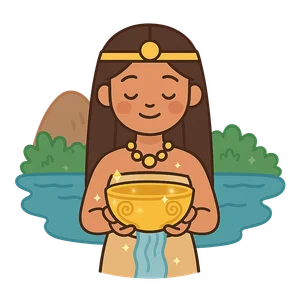
Bachué - Muisca
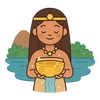
Bachué is the mother goddess of the Muisca people of the Altiplano Cundiboyacense in modern-day Colombia.
Reads at Grades 6–8 Listens at Grades 4–8
Print & create
Answer keys·No prep·Free with an account
28 worksheets · answer keys · full story · quiz · Ages 10-12 · CEFR B2
Plus adds 208,000+ more stories in 27 languages, audio for every one, and printables for all of them.
Just want Bachué - Muisca?
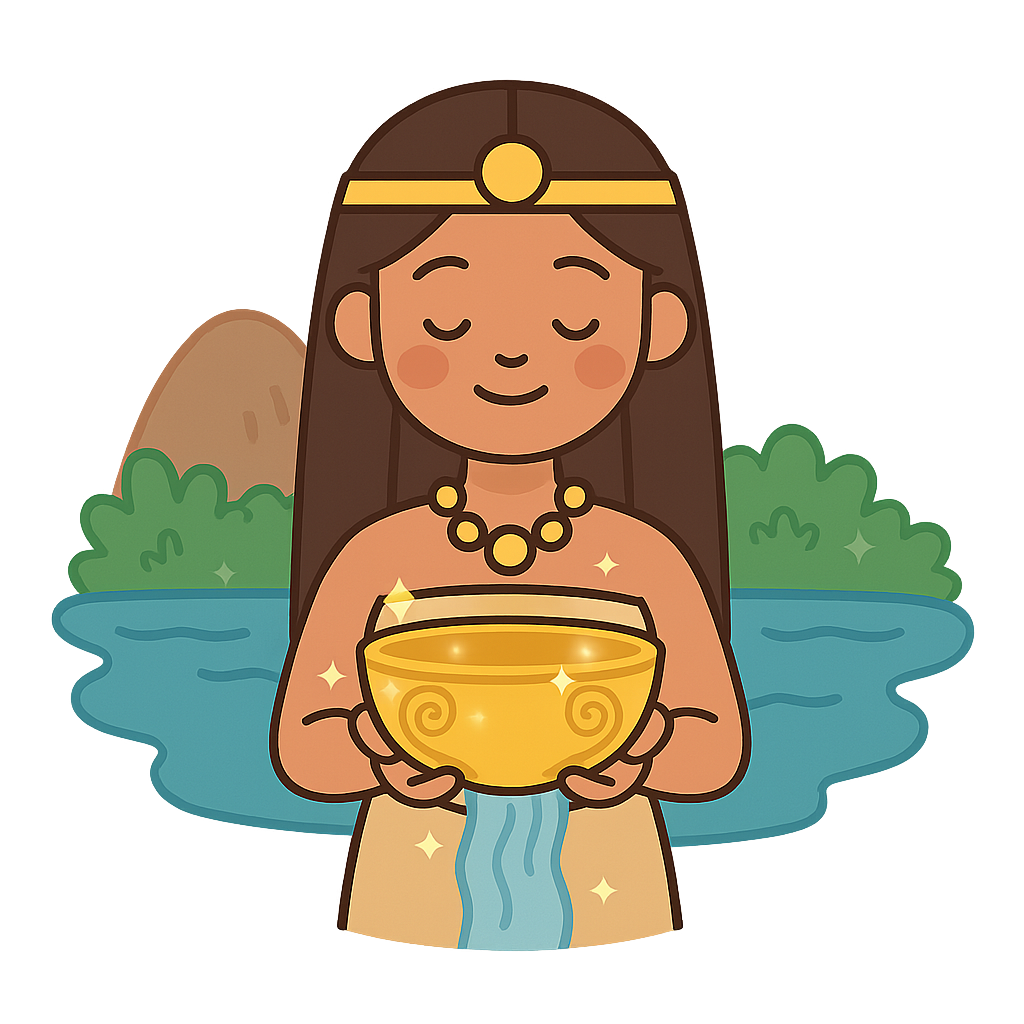
The world began for me in silence and darkness, a gentle, cold pressure all around. Before the sun had a name, before mountains were climbed, I was a thought dreaming within the deep, still waters of a high mountain lake. I could feel the world waiting above, a vast emptiness humming with possibility. My name is Bachué, and I remember the moment life called to me. A warmth bloomed in my heart, and I knew my slumber was over. I rose slowly, the murky green of the water turning to a brilliant, blinding blue as I broke the surface. The air was thin and sharp, smelling of wet earth and strange, fragrant blossoms. Beside me, holding my hand, was a small boy, my first child, who had risen from the water with me. We stood on the shore of Lake Iguaque, the first two people on an Earth that was ours to fill. This is the story of how we, the Muisca, began; it is the myth of Bachué, the mother of us all.
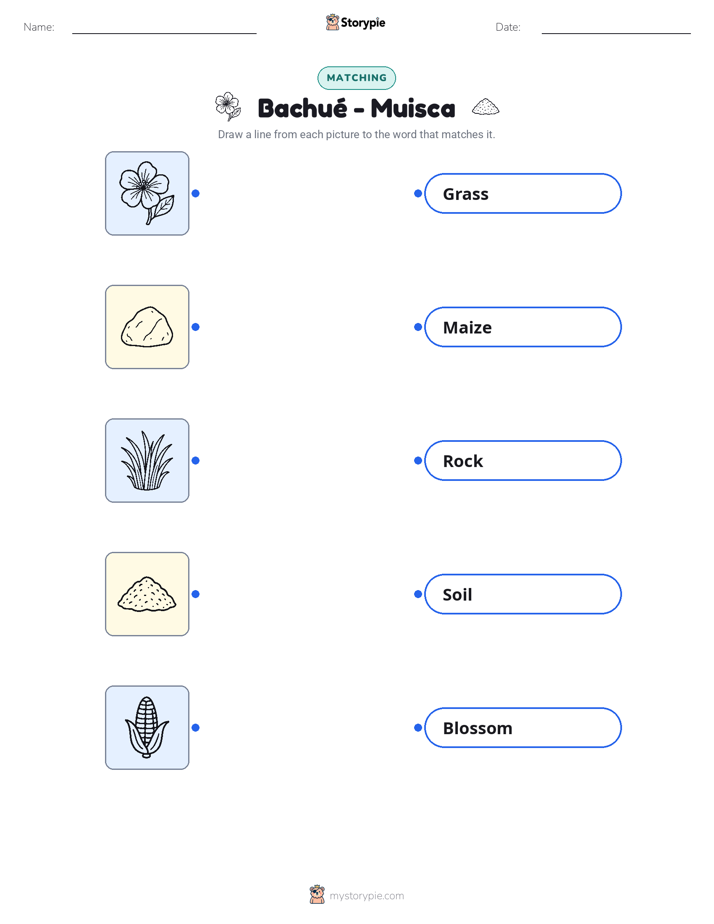
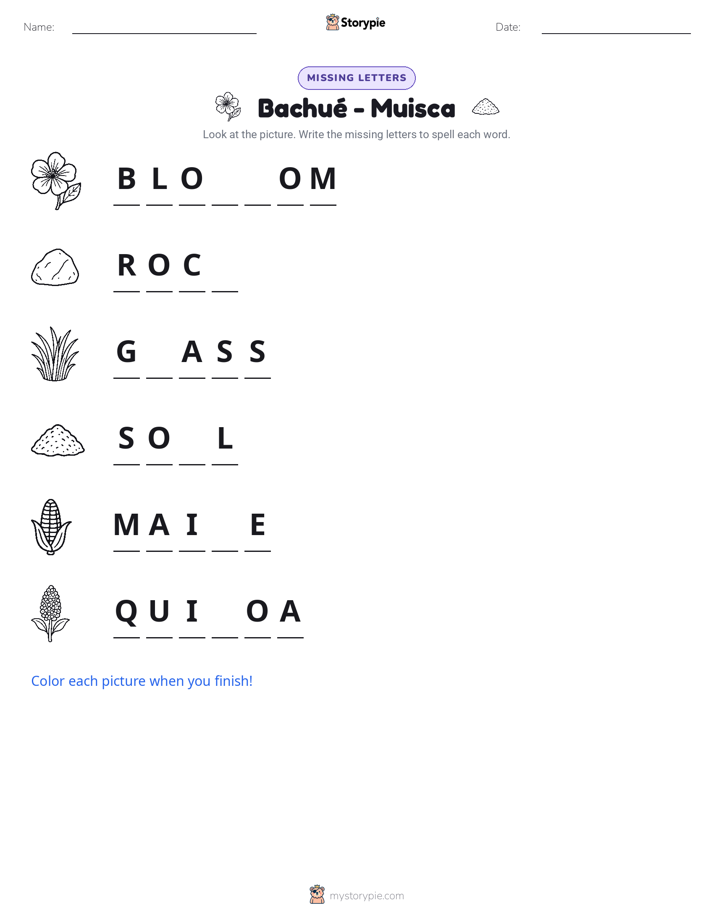
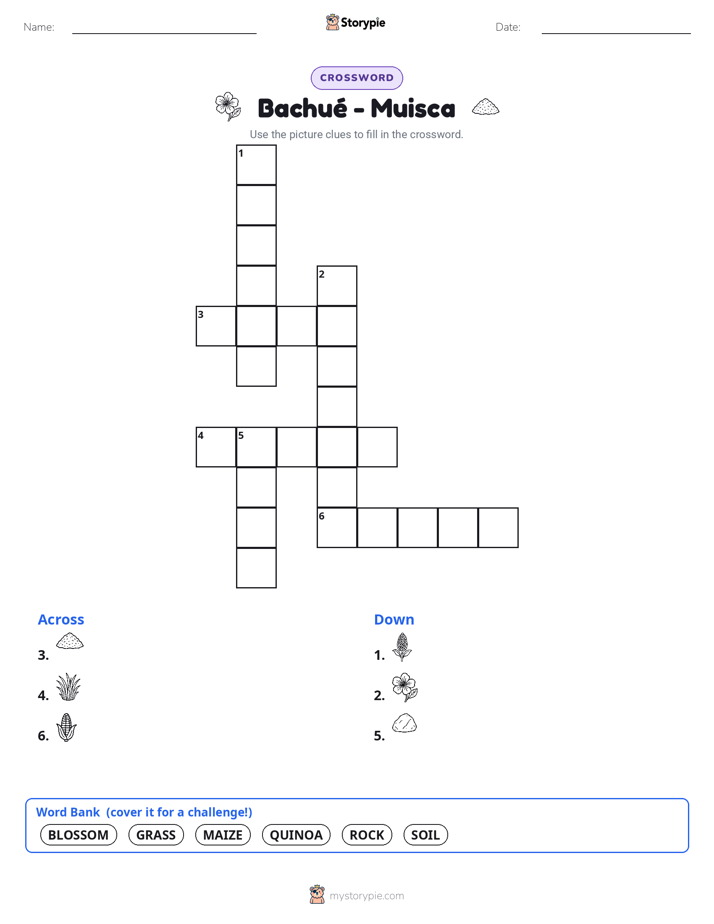
We walked down from the high páramo, our bare feet learning the feel of rock, grass, and soil. The world was a canvas of green mountains and wide, fertile valleys under a vast sky. As we traveled, the boy grew into a young man, strong and wise. We settled in the savanna of Bogotá, and there, our family began. I bore many children, sometimes four at a time, sometimes six. With each birth, a new family was founded, and soon the silent land was filled with the sounds of their voices. I taught them everything I knew. I showed them how to read the seasons in the sky, how to plant maize, quinoa, and potatoes in the rich, dark earth. I taught them to spin cotton and wool into thread and weave it into warm mantas to protect them from the mountain chill. I gave them laws to live by, rules that taught them to be fair, to share their harvests, and to respect their neighbors. Most importantly, I taught them to honor the world that gave them life: Sué, the sun god who warmed them; Chía, the moon goddess who guided them at night; and the sacred lakes, which were windows to the spirit world. Our people, the Muisca, grew into a great nation. Villages and towns dotted the landscape, connected by paths worn smooth by generations of my children. They learned the secrets of salt and the brilliance of emeralds, and they became masterful artists with gold, crafting beautiful tunjos—small figures offered to the gods as thanks. I watched them grow, my heart filled with a love as vast as the territory they now called home. I had fulfilled my purpose; the empty land was now alive with a thriving, peaceful people.
The Myth of Bachué
The world began for me in silence and darkness, a gentle, cold pressure all around. Before the sun had a name, before mountains were climbed, I was a thought dreaming within the deep, still waters of a high mountain lake. I could feel the world waiting above, a vast emptiness humming with possibility. My name is Bachué, and I remember the moment life called to me. A warmth bloomed in my heart, and I knew my slumber was over. I rose slowly, the murky green of the water turning to a brilliant, blinding blue as I broke the surface. The air was thin and sharp, smelling of wet earth and strange, fragrant blossoms. Beside me, holding my hand, was a small boy, my first child, who had risen from the water with me. We stood on the shore of Lake Iguaque, the first two people on an Earth that was ours to fill. This is the story of how we, the Muisca, began; it is the myth of Bachué, the mother of us all.
We walked down from the high páramo, our bare feet learning the feel of rock, grass, and soil. The world was a canvas of green mountains and wide, fertile valleys under a vast sky. As we traveled, the boy grew into a young man, strong and wise. We settled in the savanna of Bogotá, and there, our family began. I bore many children, sometimes four at a time, sometimes six. With each birth, a new family was founded, and soon the silent land was filled with the sounds of their voices. I taught them everything I knew. I showed them how to read the seasons in the sky, how to plant maize, quinoa, and potatoes in the rich, dark earth. I taught them to spin cotton and wool into thread and weave it into warm mantas to protect them from the mountain chill. I gave them laws to live by, rules that taught them to be fair, to share their harvests, and to respect their neighbors. Most importantly, I taught them to honor the world that gave them life: Sué, the sun god who warmed them; Chía, the moon goddess who guided them at night; and the sacred lakes, which were windows to the spirit world. Our people, the Muisca, grew into a great nation. Villages and towns dotted the landscape, connected by paths worn smooth by generations of my children. They learned the secrets of salt and the brilliance of emeralds, and they became masterful artists with gold, crafting beautiful tunjos—small figures offered to the gods as thanks. I watched them grow, my heart filled with a love as vast as the territory they now called home. I had fulfilled my purpose; the empty land was now alive with a thriving, peaceful people.
Time flowed like a river, and my husband and I grew old. Our skin was wrinkled like the bark of ancient trees, and our hair was as white as the mountain snows. We had traveled every corner of our land and seen our family grow beyond counting. A familiar feeling began to stir within me—the same quiet pull I felt before I first woke. The lake was calling me home. I gathered all my children, from the youngest to the oldest, at the foot of the mountains. I spoke to them one last time, reminding them of the laws I had given them and the importance of living in harmony. I told them not to be sad, for I was not truly leaving them. 'Look for me in the running streams,' I said, 'and feel my presence in the morning mist that rises from the water. I will always be here to protect you.' With my husband by my side, I began the long walk back to Lake Iguaque. Our people followed, their hearts heavy, but they understood. Our journey was a circle, and it was time for it to close. As we reached the shore, we turned to look at the beautiful world we had filled. Then, we stepped into the sacred water. With each step, our bodies changed, becoming long and sleek. We transformed into two great serpents, and with a final ripple, we disappeared into the deep, returning to the source of all life. The Muisca knew that from the depths of the lake, my spirit would continue to watch over them, ensuring their peace and prosperity forever.
My story became the heart of my people. They honored me with offerings, placing precious gold and emeralds into the waters of sacred lakes, sending messages of gratitude back to the spirit world. This very tradition, born of respect and love, would later be misunderstood by strangers, sparking the legend of a city of gold called El Dorado. But the real treasure was never the gold; it was the story itself—a story about creation, community, and our deep connection to the natural world. Today, the waters of Lake Iguaque are still sacred, and my story is still told in the mountains of Colombia. It reminds people that all life comes from a single source and that we have a duty to protect the Earth, our mother. This myth is a river, flowing through time, inspiring art, songs, and a sense of wonder about where we all come from, connecting everyone to the ancient, powerful idea that we are all children of the Earth.
Wow facts
About
Bachué is the mother goddess of the Muisca people of the Altiplano Cundiboyacense in modern-day Colombia. Their creation myth tells of her emerging from Lake Iguaque with a boy, populating the earth with their children, and finally returning to the lake as snakes.
Take a Quiz
Question 1 of 5
Why did Bachué and her husband return to Lake Iguaque at the end of their lives?
Explore next


Want to do even more?
Go beyond exploring. Unlock tools that turn every story into real learning.

Storypie Plus for families
Full stories, quizzes, and printables. Nights and car rides, sorted.
- Unlimited audio stories
- Create Mode: your child stars in the story
- Offline downloads
- Printable worksheets & coloring pages

Why Storypie for Schools
Students engaged. Prep in seconds. Evenings back to you.
- Worksheets & Quizzes
- Classroom Management
- Formative Assessment
- Custom Curriculum & Lesson Plans
- 27 Languages

Why Storypie for Homeschool
Curriculum done. They'll ask for more. Hours back in your day.
- Worksheet Generator
- First-Person Audio Stories
- Built-in Comprehension Quizzes
- Custom Curriculum & Lesson Plans
- Print & Go Activities