English

Dokkaebi
Dokkaebi are mythical creatures in Korean folklore, often described as goblins or spirits that form from old…
Reads at Grades 3–5 Listens at Grades 1–5
Print & create
Answer keys·No prep·Free with an account
28 worksheets · answer keys · full story · quiz · Ages 8-10 · CEFR B1
Plus adds 244,000+ more stories in 27 languages, audio for every one, and printables for all of them.
Just want Dokkaebi?
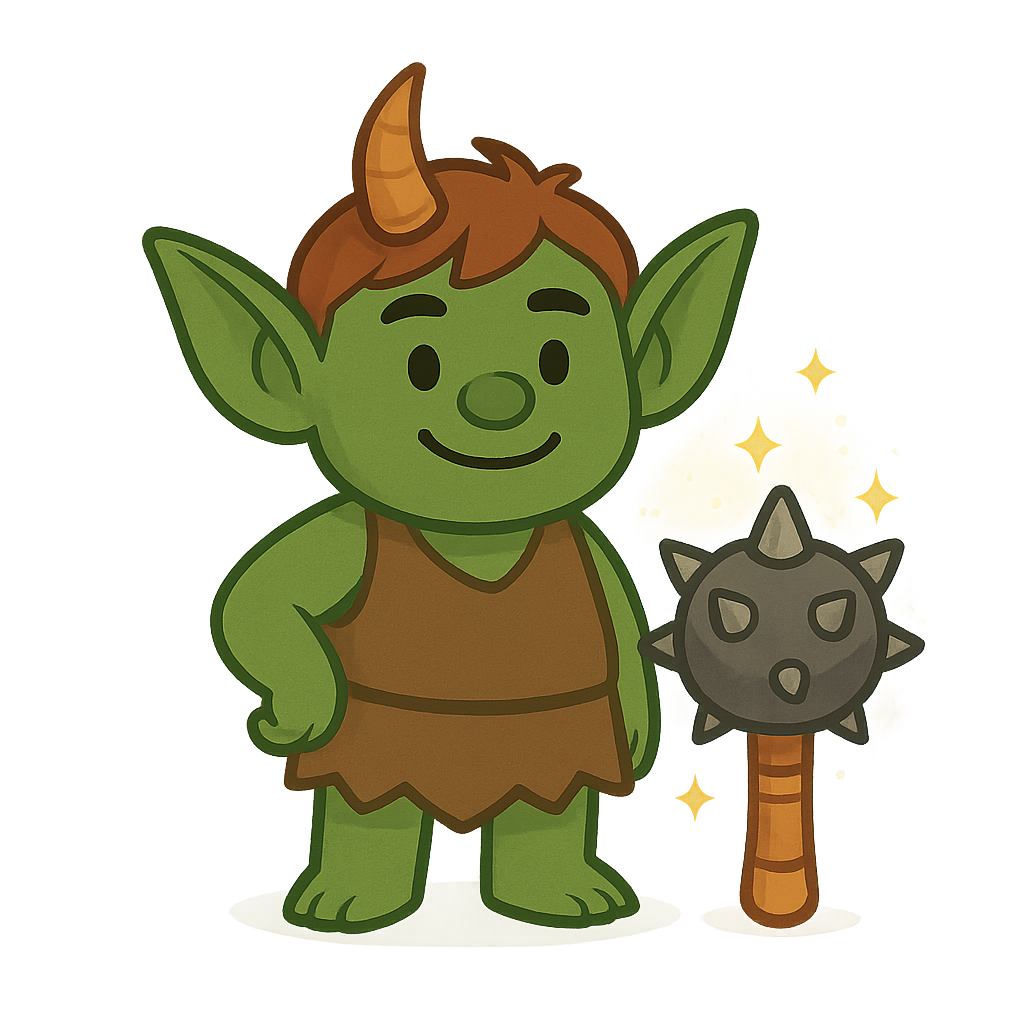
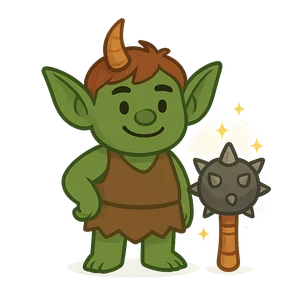
Have you ever walked past an old, forgotten object and felt a spark of mischief in the air? Maybe it was a cracked clay pot by a garden wall, or a wooden hoe leaning against a barn, worn smooth by years of work. That feeling, that little hum of energy, might just be one of my kind waking up. My name is Dokkaebi, and I am a spirit of fun, tricks, and surprises. We aren't born like people; we spring to life from things that have been used and loved for a very long time, soaking up memories until we pop into the world, ready for an adventure. We love a good joke, a challenging riddle, and most of all, a lively match of wrestling, which you call Ssireum. For centuries, people in Korea have told tales about us, stories filled with magic, laughter, and important lessons. The story I want to share with you is one of my favorites; it is the myth of the Dokkaebi and the Magical Club.
The story begins, as many do, in a quiet village nestled in the mountains. There lived a kind, old man who spent his days working hard and sharing what little he had. One evening, while walking home, he stumbled upon one of my cousins, who was grumbling because he couldn't find any buckwheat jelly, our favorite snack. Instead of being frightened, the old man smiled and offered to share his dinner. My cousin was so delighted by this kindness that he decided to reward the man. He pulled out his most prized possession: a magical club called a 'dokkaebi bangmangi.' This wasn't just any club; with a tap and a wish, it could make anything appear. Gold coins, warm blankets, steaming bowls of rice—anything the heart desired. The Dokkaebi told the man, "Take this club for your generosity, and use it wisely." The old man was grateful and used the club thoughtfully. When he needed a new roof, he wished for tiles. When his neighbors were hungry, he wished for a feast to share. He never took more than he needed, and his life, and the lives of those around him, became much happier.
The Dokkaebi and the Magical Club
Have you ever walked past an old, forgotten object and felt a spark of mischief in the air? Maybe it was a cracked clay pot by a garden wall, or a wooden hoe leaning against a barn, worn smooth by years of work. That feeling, that little hum of energy, might just be one of my kind waking up. My name is Dokkaebi, and I am a spirit of fun, tricks, and surprises. We aren't born like people; we spring to life from things that have been used and loved for a very long time, soaking up memories until we pop into the world, ready for an adventure. We love a good joke, a challenging riddle, and most of all, a lively match of wrestling, which you call Ssireum. For centuries, people in Korea have told tales about us, stories filled with magic, laughter, and important lessons. The story I want to share with you is one of my favorites; it is the myth of the Dokkaebi and the Magical Club.
The story begins, as many do, in a quiet village nestled in the mountains. There lived a kind, old man who spent his days working hard and sharing what little he had. One evening, while walking home, he stumbled upon one of my cousins, who was grumbling because he couldn't find any buckwheat jelly, our favorite snack. Instead of being frightened, the old man smiled and offered to share his dinner. My cousin was so delighted by this kindness that he decided to reward the man. He pulled out his most prized possession: a magical club called a 'dokkaebi bangmangi.' This wasn't just any club; with a tap and a wish, it could make anything appear. Gold coins, warm blankets, steaming bowls of rice—anything the heart desired. The Dokkaebi told the man, "Take this club for your generosity, and use it wisely." The old man was grateful and used the club thoughtfully. When he needed a new roof, he wished for tiles. When his neighbors were hungry, he wished for a feast to share. He never took more than he needed, and his life, and the lives of those around him, became much happier.
Now, in that same village lived a greedy man who saw the old man's good fortune and grew intensely jealous. He spied on the old man and discovered the secret of the magical club. He decided he would get a club of his own. The greedy man went to the mountain, but he didn't bring delicious buckwheat jelly. He brought things we Dokkaebi despise, thinking he could trick one of us. When a Dokkaebi appeared, the greedy man demanded, "Give me a magical club like my neighbor's." We may be playful, but we are not foolish. We could smell his greed from a mile away. Instead of rewarding him, my cousins decided to teach him a lesson. They gave him what looked like a club and said, "Wish for gold." He tapped it, and instead of treasure, he was bonked on the head. They made him think he was holding a club of gold, but when the sun rose, he found he was only holding a smelly stick. They stretched his shadow long and then squished it short, and challenged him to wrestling matches until he was dizzy and covered in mud. The man fled the mountain, tired and humbled, having learned that greed earns you nothing but trouble.
This story was told around firesides and in homes to teach children the difference between kindness and greed. It showed that we Dokkaebi are not monsters, but spirits who reflect the hearts of the people we meet. We reward generosity and punish selfishness. Even today, our story continues to inspire. You can see our funny, sometimes grumpy faces in Korean cartoons, books, and even as mascots for sports teams. We remind everyone that there is magic hidden in the everyday world and that the greatest treasures come not from a magical club, but from a good and honest heart. So, the next time you see an old object filled with history, remember us. We are the Dokkaebi, and our story is a timeless reminder to be kind, to share, and to always look for the wonder that surrounds you.
Wow facts
About
Dokkaebi are mythical creatures in Korean folklore, often described as goblins or spirits that form from old, discarded objects. They are known for being mischievous and playful, and can either bring good fortune or play tricks on people depending on their nature.
Take a Quiz
Question 1 of 5
In the story, the narrator says the greedy man fled the mountain, tired and 'humbled.' What does the word 'humbled' most likely mean in this sentence?
Explore next






Want to do even more?
Go beyond exploring. Unlock tools that turn every story into real learning.

Storypie Plus for families
Full stories, quizzes, and printables. Nights and car rides, sorted.
- Unlimited audio stories
- Create Mode: your child stars in the story
- Offline downloads
- Printable worksheets & coloring pages

Why Storypie for Schools
Students engaged. Prep in seconds. Evenings back to you.
- Worksheets & Quizzes
- Classroom Management
- Formative Assessment
- Custom Curriculum & Lesson Plans
- 27 Languages

Why Storypie for Homeschool
Curriculum done. They'll ask for more. Hours back in your day.
- Worksheet Generator
- First-Person Audio Stories
- Built-in Comprehension Quizzes
- Custom Curriculum & Lesson Plans
- Print & Go Activities