English

Troy
Troy is an ancient city in modern-day Turkey, famed as the setting of the Trojan War…
Reads at Grades 6–8 Listens at Grades 4–8
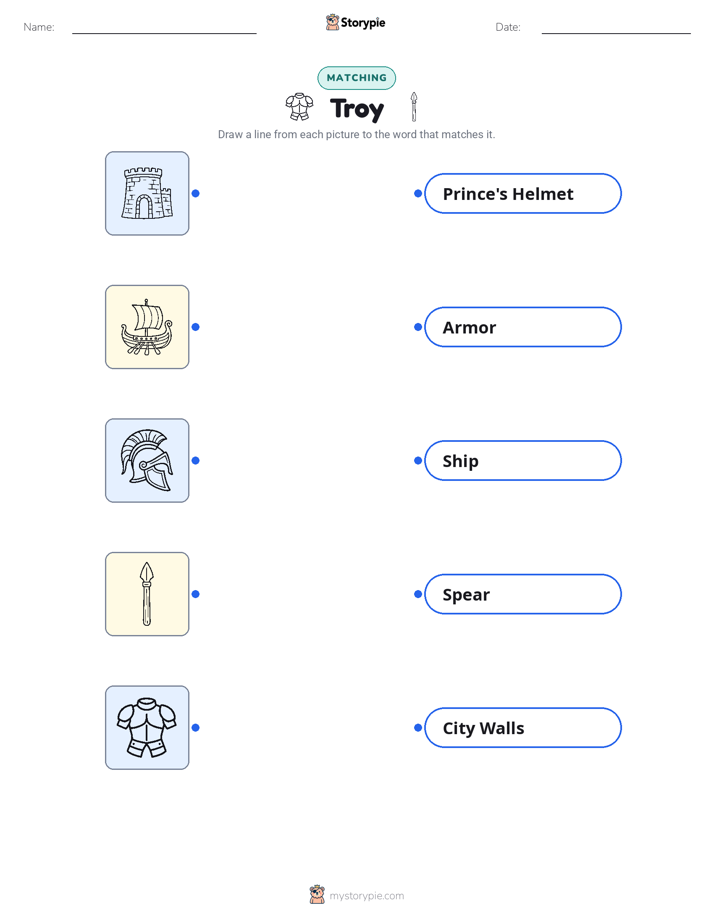
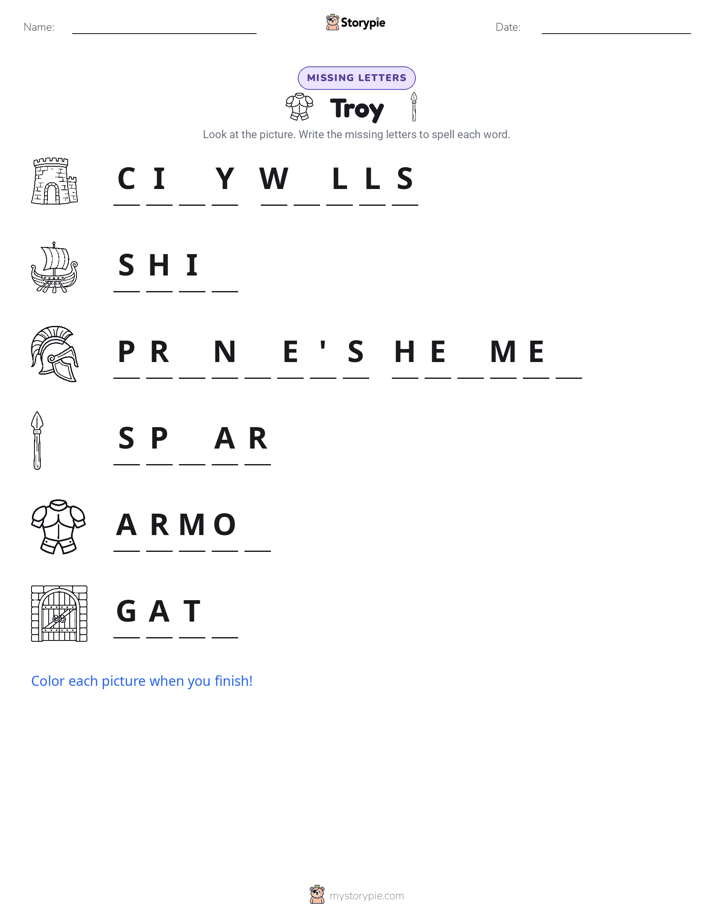
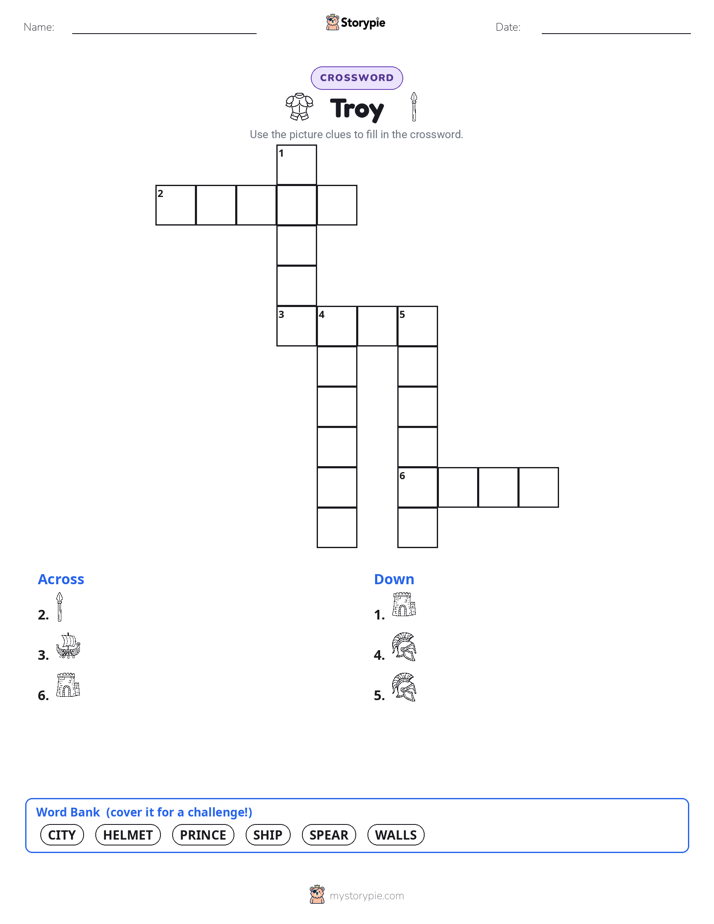
Print & create
Answer keys·No prep·Free with an account
28 worksheets · answer keys · full story · quiz · Ages 10-12 · CEFR B2
Plus adds 208,000+ more stories in 27 languages, audio for every one, and printables for all of them.
Just want Troy?
My name is Odysseus, and I am the king of a rocky island called Ithaca, a home I have not seen in ten long years. For a decade, my world has been the dusty plain outside the great city of Troy, where the sea breeze carries the scent of salt and the endless murmur of the Greek army. Before me, the city's walls rise toward the sun, smooth and impossibly high, a stone promise that has never been broken. We came here, an army of a thousand ships, to bring back a queen, Helen, whose beauty was said to be a gift from the gods, but who was taken from her home by the Trojan prince, Paris. We thought our might would bring these walls down in a season, but ten seasons have passed, and Troy still stands, proud and defiant. This is the story of that great city and the war that would be remembered for all time, the tale of the Fall of Troy.
The years bled into one another, marked only by the rising and setting of the sun over the battlefield. It was an age of heroes, men whose names were like thunder. On our side fought Achilles, the swiftest and strongest of all mortals, who moved like a lion in battle but whose pride was as fierce as his spear. For the Trojans, there was Prince Hector, a man who fought not for glory, but for his family and his city, a noble protector who stood as Troy's living shield. I watched these great men and many others clash in front of the Scaean Gate, their armor flashing under the hot sun. We won many battles on the open plain, but victory was meaningless. At the end of each day, the Trojans would retreat behind their impenetrable walls, and we would return to our camp, no closer to ending the war than we were on the day we arrived. The gods, we knew, watched from Mount Olympus, sometimes helping one side, sometimes the other, as if our struggle was a game to them. But for us, it was a life of longing, of missing our homes, and of wondering if we would ever see them again. The war had reached a stalemate, a knot that no sword could cut.
The Fall of Troy
My name is Odysseus, and I am the king of a rocky island called Ithaca, a home I have not seen in ten long years. For a decade, my world has been the dusty plain outside the great city of Troy, where the sea breeze carries the scent of salt and the endless murmur of the Greek army. Before me, the city's walls rise toward the sun, smooth and impossibly high, a stone promise that has never been broken. We came here, an army of a thousand ships, to bring back a queen, Helen, whose beauty was said to be a gift from the gods, but who was taken from her home by the Trojan prince, Paris. We thought our might would bring these walls down in a season, but ten seasons have passed, and Troy still stands, proud and defiant. This is the story of that great city and the war that would be remembered for all time, the tale of the Fall of Troy.
The years bled into one another, marked only by the rising and setting of the sun over the battlefield. It was an age of heroes, men whose names were like thunder. On our side fought Achilles, the swiftest and strongest of all mortals, who moved like a lion in battle but whose pride was as fierce as his spear. For the Trojans, there was Prince Hector, a man who fought not for glory, but for his family and his city, a noble protector who stood as Troy's living shield. I watched these great men and many others clash in front of the Scaean Gate, their armor flashing under the hot sun. We won many battles on the open plain, but victory was meaningless. At the end of each day, the Trojans would retreat behind their impenetrable walls, and we would return to our camp, no closer to ending the war than we were on the day we arrived. The gods, we knew, watched from Mount Olympus, sometimes helping one side, sometimes the other, as if our struggle was a game to them. But for us, it was a life of longing, of missing our homes, and of wondering if we would ever see them again. The war had reached a stalemate, a knot that no sword could cut.
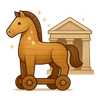
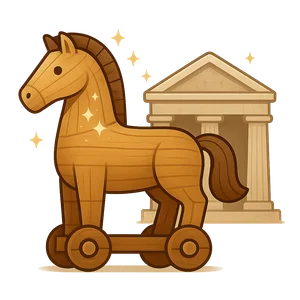
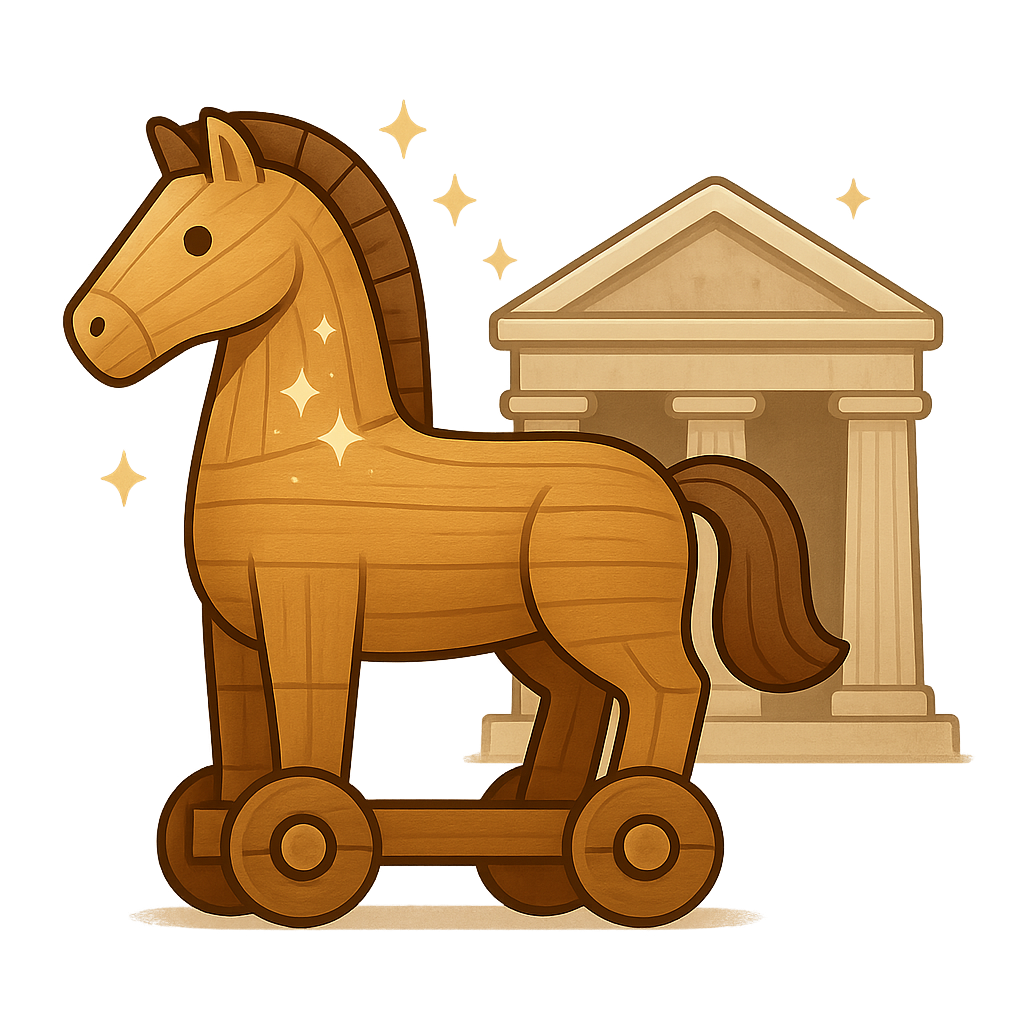
One night, as I stared at the unbreachable walls, a thought sparked in my mind, not of force, but of cunning. If we could not break down Troy's gates, perhaps we could be invited inside. I gathered the Greek leaders and shared my desperate plan. "We will build a magnificent offering," I explained, "a giant horse of wood, dedicated to the goddess Athena to ensure a safe voyage home." Our finest soldiers, myself included, would hide inside its hollow belly. The rest of our fleet would burn our camps and pretend to sail for Greece, leaving the horse behind on the beach. The plan was risky; it relied on Trojan pride and piety. We set to work, the forest echoing with the sound of axes. The horse we built was a marvel, its wooden body towering over the tallest man, its eyes seeming to watch the city. The day our fleet sailed away, leaving us hidden inside the beast's darkness, was the longest of my life. We listened, hearts pounding, as the Trojans emerged from their city. We heard their shouts of surprise, then celebration. They believed the war was over. Against the warnings of a few, they decided to pull the great horse into their city as a trophy of their victory. The grinding of the wheels as we passed through the gates they had defended for a decade was the sound of our hope turning into reality.
That night, while Troy celebrated, we waited in silence. When the city was asleep, we crept out of the horse's belly and opened the gates for our army, which had sailed back under the cover of darkness. The city fell before the sun rose. Though the war was won, the victory was heavy. The story of our war, of the heroes who fought and the city that fell, was not forgotten. It was captured by a blind poet named Homer in his epic, the Iliad, and told for generations. The myth of Troy is more than just a war story; it's a tale about honor, pride, cleverness, and the deep, human ache for home. It has inspired countless paintings, poems, and movies, and even gives us phrases we use today, like an 'Achilles' heel' for a hidden weakness or a 'Trojan horse' for a deceptive trick. The story reminds us that sometimes, the sharpest weapon is not a sword, but a clever mind, and it keeps the wonder of the ancient world alive, sparking our imagination across thousands of years.
Wow facts
About
Troy is an ancient city in modern-day Turkey, famed as the setting of the Trojan War, a pivotal event in Greek mythology immortalized in Homer's epic poem, the Iliad.
Take a Quiz
Question 1 of 5
What character trait was most important for Odysseus in creating the plan for the Trojan Horse?
Explore next


Want to do even more?
Go beyond exploring. Unlock tools that turn every story into real learning.

Storypie Plus for families
Full stories, quizzes, and printables. Nights and car rides, sorted.
- Unlimited audio stories
- Create Mode: your child stars in the story
- Offline downloads
- Printable worksheets & coloring pages

Why Storypie for Schools
Students engaged. Prep in seconds. Evenings back to you.
- Worksheets & Quizzes
- Classroom Management
- Formative Assessment
- Custom Curriculum & Lesson Plans
- 27 Languages

Why Storypie for Homeschool
Curriculum done. They'll ask for more. Hours back in your day.
- Worksheet Generator
- First-Person Audio Stories
- Built-in Comprehension Quizzes
- Custom Curriculum & Lesson Plans
- Print & Go Activities